


Living on the Monterey Peninsula: Lifestyle Guide
The Monterey Peninsula is one of those rare places where an extraordinary vacation destination is also a place people are fortunate enough to call home. Dramatic coastline, historic villages, world-famous golf, remarkable natural beauty and an active arts and cultural community are all part of everyday life.
But there isn't just one Monterey Peninsula lifestyle.
Living in a Carmel-by-the-Sea cottage within walking distance of the village is very different from owning a golf-course estate in Pebble Beach. A historic Pacific Grove home, a Monterey Bay-view residence, a Carmel Valley ranch and a newer home in Marina each offer their own combination of climate, scenery, convenience and community character.
For buyers considering a primary residence, retirement home or second home, understanding those differences is just as important as finding the right property.
This guide explores what makes life here distinctive, the communities that make up the greater Monterey Peninsula, and some of the practical considerations that come with owning a home on California's Central Coast.
Explore Peninsula Communities ↓ Search Homes for Sale
What Makes Living on the Monterey Peninsula Special?
Life on the Monterey Peninsula is closely connected to the natural environment. The coastline is never far away, and even residents who live inland often make beaches, coastal walks, golf courses, hiking trails and outdoor dining part of their regular routines.
Unlike a large metropolitan area, the Peninsula consists of smaller communities with distinct identities. Each has its own architecture, history, commercial districts and residential neighborhoods.
Some people come for the ocean views. Others come for golf, a slower pace, a more comfortable climate, the arts, or the opportunity to own a distinctive property that would be difficult to replicate elsewhere.
One of the area's greatest advantages is the ability to enjoy different environments without traveling far. A morning along the Pacific Grove coastline can be followed by lunch in Carmel-by-the-Sea, an afternoon of golf in Pebble Beach, or an evening in the warmer Carmel Valley.
Monterey Peninsula Weather and Microclimates
One of the first things newcomers discover is that the Monterey Peninsula does not have one uniform climate.
The Pacific Ocean moderates temperatures along the coast, producing generally mild conditions throughout the year. Summer fog, marine-layer clouds and afternoon winds are common in some coastal neighborhoods, while nearby inland communities may be sunny and considerably warmer at the same time.
Coastal Communities
Pacific Grove, Monterey, Pebble Beach and Marina experience significant marine influence. Depending on the neighborhood and season, mornings may begin with fog or low clouds before clearing later in the day.
Some locations are more exposed to prevailing winds, while sheltered neighborhoods among the Monterey pines can feel noticeably different from open coastal sites.
Carmel-by-the-Sea and Carmel Highlands
Carmel's climate is also ocean-influenced, but local topography, tree cover and proximity to the beach can create meaningful differences in sunshine and exposure. Homes overlooking the water may experience more wind and salt air than properties a short distance inland.
Carmel Valley and the Highway 68 Corridor
Moving inland toward Carmel Valley Village, Corral de Tierra and other Highway 68 communities generally brings warmer daytime temperatures and more sunshine, particularly during summer.
The climate is one reason buyers seeking pools, expansive patios, vineyards, gardens or equestrian properties often consider these inland locations.
Local buying insight: When evaluating homes, visit at different times of day when possible. Sun exposure, fog, wind, tree cover and the orientation of outdoor living spaces can influence how much you enjoy the property.
Choosing Your Monterey Peninsula Community
Each Monterey Peninsula community offers a different ownership experience. Rather than choosing a location solely by ZIP code or reputation, it helps to begin with the activities, surroundings and daily routines that matter most to you.
Carmel-by-the-Sea: Village Living, Beaches and Architecture
Carmel-by-the-Sea offers a combination of village walkability, historic cottages, distinctive architecture, independent shops, galleries, restaurants and one of California's most beautiful beaches.
For many residents, the greatest appeal is being able to walk into the village for coffee, dinner or an afternoon exploring the shops and galleries along Ocean Avenue and the surrounding streets.
The residential environment ranges from intimate historic cottages to substantial custom homes. Some properties offer ocean views or beach proximity, while others emphasize gardens, privacy and architectural character.
Buyers should understand that a Carmel mailing address does not necessarily mean a property is inside incorporated Carmel-by-the-Sea. Greater Carmel includes numerous neighborhoods with different regulations, lot sizes and ownership characteristics.
Explore Carmel Real Estate & Neighborhoods →
Pebble Beach: Golf, Privacy and Coastal Estates
Pebble Beach is internationally associated with golf, exceptional coastal scenery and luxury real estate. Beyond its famous golf courses and resorts, it is also a residential community within the Del Monte Forest.
Some properties overlook the Pacific or front golf courses, while others occupy quiet wooded settings. Homes range from older forest residences and condominiums to substantial custom estates.
Residents enjoy access to the scenic 17-Mile Drive corridor, the coastline, forest landscapes and the resort atmosphere surrounding The Lodge at Pebble Beach and Spanish Bay.
For golf-oriented buyers, an important distinction is that proximity or frontage to a golf course does not automatically include club membership or playing privileges. Those details should be confirmed separately.
Explore Pebble Beach Real Estate & Neighborhoods →
Pacific Grove: Historic Charm and Coastal Walkability
Pacific Grove is known for its Victorian and Craftsman architecture, historic neighborhoods, walkable downtown and beautiful shoreline extending from Lovers Point toward Asilomar.
Life here often revolves around the outdoors. Residents walk and bicycle along Ocean View Boulevard, explore the shoreline, visit the local shops and restaurants, and enjoy the community's distinctive small-town character.
The housing stock includes historic cottages, Victorians, Craftsman homes, mid-century residences, condominiums and larger properties in selected neighborhoods.
Buyers who value architectural history and an established coastal community frequently include Pacific Grove in their search.
Explore Pacific Grove Real Estate & Neighborhoods →
Monterey: History, Waterfront Living and Everyday Convenience
Monterey combines a significant place in California history with a working waterfront, cultural attractions, restaurants, shopping and a broad range of residential neighborhoods.
Downtown Monterey, Old Fisherman's Wharf and Cannery Row provide very different experiences from the quiet residential streets of Alta Mesa, Peter's Gate, Old Del Monte or Skyline Forest.
Buyers can find historic adobes, older residential homes, condominiums, newer construction in selected locations and hillside properties with views of Monterey Bay.
Monterey often appeals to people who want access to both the coast and the conveniences of a larger commercial center without giving up the character of the Peninsula.
Explore Monterey Real Estate & Neighborhoods →
Carmel Valley: Sunshine, Open Space and Country Living
Carmel Valley offers a different side of Monterey County living, characterized by oak-covered hills, warmer weather, vineyards, ranches, equestrian properties, golf communities and larger residential parcels.
The experience varies considerably from the western valley near Highway 1 to Carmel Valley Village and the more rural areas farther inland.
Some neighborhoods offer resort-style amenities, condominiums and relatively low-maintenance properties. Others provide substantial acreage, privacy, estate homes and opportunities for a more rural lifestyle.
For buyers who prioritize sunshine, outdoor entertaining or additional land, Carmel Valley deserves particular consideration.
Explore Carmel Valley Real Estate & Communities →
Seaside and Marina: Coastal Access and Evolving Communities
Seaside and Marina offer additional residential options around Monterey Bay.
Seaside includes established neighborhoods, hillside homes with bay views and convenient access to Monterey, Pacific Grove and Highway 68. Marina combines older residential neighborhoods with coastal open space, newer master-planned communities and a strong connection to the former Fort Ord landscape.
Buyers exploring these cities may find different property styles, lot configurations and housing opportunities than in the older residential centers of Carmel, Pebble Beach and Pacific Grove.
Explore Seaside Real Estate → | Explore Marina Real Estate →
Carmel Highlands and North Big Sur: Dramatic Coastal Living
For buyers seeking a greater connection with the rugged California coastline, Carmel Highlands and North Big Sur offer exceptional scenery and a more secluded residential environment.
Carmel Highlands is known for its ocean-view and oceanfront properties south of Point Lobos. North Big Sur becomes increasingly rural, with widely dispersed homes, coastal bluffs, forested canyons and substantial private properties.
Ownership in these areas may involve additional considerations relating to access, utilities, coastal regulations, geology and insurance.
Explore Carmel Highlands → | Explore North Big Sur Real Estate →
Beaches, Coastal Trails and Outdoor Recreation
Access to the outdoors is one of the defining characteristics of Monterey Peninsula living.
Residents enjoy a remarkable variety of coastal environments, from broad sandy beaches to rugged headlands, sheltered coves, coastal forests and trails overlooking the Pacific.
Carmel Beach
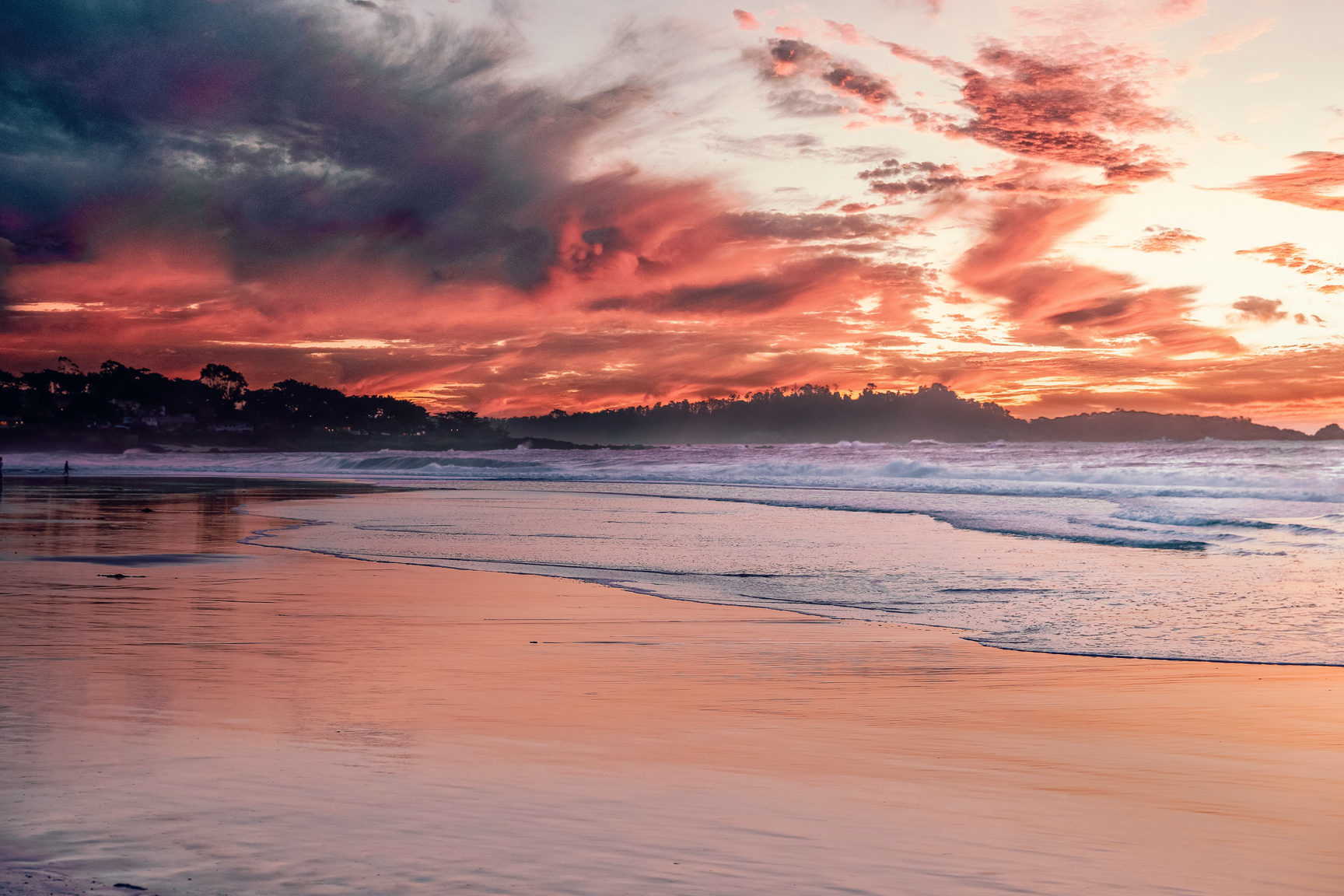
Carmel Beach is especially appealing for its white sand, views toward Point Lobos and easy connection with Carmel-by-the-Sea's residential neighborhoods and village center.
Pacific Grove Shoreline
The Pacific Grove coast offers miles of scenic walking opportunities, with Lovers Point, the rocky shoreline, Point Pinos and the Asilomar area providing different experiences along the water.
Monterey Bay Coastal Recreation Trail
The Monterey Bay Coastal Recreation Trail connects important waterfront destinations and provides opportunities for walking, running and cycling. It is particularly useful for residents who enjoy getting outdoors without always needing to drive.
Point Lobos State Natural Reserve
Just south of Carmel, Point Lobos offers some of the most memorable coastal scenery in California, with trails through cypress groves, forested landscapes and rocky headlands overlooking the Pacific.
Its natural setting is a major reason the immediate Carmel coast has attracted artists, photographers, writers and nature lovers for generations.
For current visitor information, see California State Parks' Point Lobos trail information.
Fort Ord National Monument and Inland Trails
The former Fort Ord landscape provides additional opportunities for hiking, mountain biking and exploring open hillsides away from the immediate coastline. It gives Seaside, Marina and nearby residents convenient access to a different type of outdoor recreation.
Golf on the Monterey Peninsula
Few destinations are as closely associated with golf as the Monterey Peninsula.
Pebble Beach Golf Links, Spyglass Hill, The Links at Spanish Bay and Poppy Hills are among the best-known courses, while Monterey Peninsula Country Club, Cypress Point Club and other private clubs contribute to the area's golfing identity.
But golf is not confined to Pebble Beach. Other communities offer courses and golf-oriented residential settings, including Carmel Valley, Quail Lodge, Pasadera and the Highway 68 corridor.
Golf properties also offer different ownership experiences. Some buyers want direct fairway frontage, others value distant golf views, and some prefer homes within golf communities without necessarily being on a course.
It is important to evaluate membership availability, club rules, guest privileges and associated costs independently of the real estate purchase.
Explore Monterey Peninsula Golf Course Homes →
Dining, Wine and the Local Food Culture
The Monterey Peninsula has a rich and varied food culture influenced by the Pacific Ocean, the agricultural traditions of Monterey County and the region's long history of hospitality.
Carmel-by-the-Sea is known for its concentration of restaurants, intimate dining rooms, wine-tasting venues and independently owned businesses.
Monterey offers waterfront dining, historic restaurants and a variety of casual and upscale options around downtown, Cannery Row and the harbor.
Pacific Grove has its own restaurants, coffee shops, bakeries and neighborhood gathering places, while Carmel Valley provides a more rural wine-country atmosphere, with tasting rooms, outdoor dining and vineyard surroundings.
One benefit of living here is the ability to enjoy these different settings throughout the year rather than trying to experience them all during a short visit.
Arts, Culture and Monterey Peninsula History
The Monterey Peninsula's cultural character has been shaped by centuries of history and generations of writers, painters, photographers, musicians and other creative people.
Monterey retains important landmarks from California's Spanish and Mexican periods, along with reminders of its fishing and maritime history. Carmel developed a distinctive artistic and literary identity, while Pacific Grove's early Methodist retreat and residential development shaped its historic streets and architecture.
Cultural venues, galleries, local theaters, concerts and community festivals help connect the Peninsula's past with its present.
Monterey's historic adobes, Carmel's galleries, the Sunset Cultural Center, the Monterey Museum of Art and the Monterey Bay Aquarium are among the many institutions and destinations that enrich local life.
That history can also be seen in the homes themselves. Carmel's storybook cottages, Pacific Grove's Victorians, Monterey's historic residences and Pebble Beach's coastal estates reflect different periods of development and architectural traditions.
Read the History of Carmel-by-the-Sea →
Stories, Legends & Local Lore of the Monterey Peninsula
Some of the most interesting things about living here are the stories hidden in the places we pass every day.
Why are whale bones embedded in an old Monterey sidewalk? What became of the Witch Tree and Ostrich Tree in Pebble Beach? Why did Pacific Grove residents once live in tents along the coast? And what was Marina like before it became the city we know today?
Our Stories, Legends & Local Lore of the Monterey Peninsula series explores the history, legends, unusual landmarks and people who helped shape our communities.
Recent and featured stories include:
- The Whalebone Sidewalk of Monterey
- The Witch Tree & the Ostrich Tree of Pebble Beach
- When Pacific Grove Was a Tent City
- Seaside Hot Springs & the Resort That Disappeared
- Before It Was Marina: Paddonville & Locke-Paddon
Explore the Complete Monterey Peninsula Local Lore Collection →
Full-Time Living vs. Owning a Second Home
For many people, the first connection with the Monterey Peninsula begins with a vacation. Over time, occasional visits can lead to a more serious interest in owning a home here.
But a property that works beautifully for a weekend getaway may not be the right choice for full-time living, and vice versa.
Full-Time Residents
Year-round residents may place greater importance on proximity to shopping, healthcare, services, access routes, everyday convenience and year-round comfort.
Some prefer established walkable neighborhoods, while others want more land, quieter surroundings or a climate better suited to gardening and outdoor living.
Second-Home Owners
Second-home buyers frequently prioritize ease of maintenance, privacy, views, beach access, walkability, golf or proximity to favorite restaurants and recreational destinations.
However, the practical side of part-time ownership is important. Older coastal homes can require ongoing maintenance, and larger rural properties may need more attention than expected.
Buyers should think about security, landscaping, property management, access during storms, insurance and who will oversee the home while they are away.
Read: Where Should You Buy a Second Home on the Monterey Peninsula? →
Practical Considerations When Moving to the Monterey Peninsula
The appeal of the area is undeniable, but local real estate ownership comes with considerations that can vary substantially from one city or neighborhood to another.
Location, Transportation and Convenience
Monterey Regional Airport serves the area, while Highway 1, Highway 68 and Highway 101 provide important regional connections.
Buyers planning to commute, travel frequently or split their time between homes should evaluate the actual travel patterns that matter to them, including seasonal visitor traffic and weather-related road conditions.
Coastal Property Maintenance
Salt air, moisture, wind and coastal exposure can accelerate wear on roofing, windows, decks, metal fixtures and exterior finishes. Older homes may also require investigation of electrical, plumbing, foundation and other building systems.
Insurance and Natural Hazards
Wildfire exposure, coastal conditions, flood considerations, seismic risks and the location of individual properties can affect insurance availability and cost.
Buyers should obtain property-specific insurance information early rather than making assumptions based on nearby homes.
Renovation and Development Rules
Historic preservation, coastal development regulations, tree ordinances, design review, water availability and other requirements can affect improvements and future property use.
A home in incorporated Carmel-by-the-Sea may be subject to different regulations from one in unincorporated Greater Carmel, Pebble Beach or Big Sur.
Vacation Rental Restrictions
Short-term rental rules vary significantly among Monterey Peninsula jurisdictions and may also be limited by homeowner associations or private community regulations.
Anyone contemplating rental income should verify the legal use of the specific property before purchasing.
Schools, Services and Neighborhood Boundaries
School attendance areas, utility providers, service districts and municipal boundaries do not always match mailing addresses or real estate listing descriptions.
Buyers should confirm current school assignments and service availability directly with the responsible agencies for the property under consideration.
Finding the Right Lifestyle Starts With the Right Community
The Monterey Peninsula offers an unusual range of living environments within a relatively compact area.
For one buyer, the ideal home is a cottage within walking distance of Carmel's Ocean Avenue. For another, it is a golf-course residence in Pebble Beach, a historic Pacific Grove Victorian, a Monterey Bay-view home, or a sunny Carmel Valley estate surrounded by oak trees.
There is no single community that is right for everyone.
At Monterey Peninsula Home Team, we believe the most productive home search begins by understanding how you want to live, not simply which properties are currently available.
That means discussing the importance of climate, walkability, views, privacy, maintenance, architecture, outdoor space, community amenities and the practical details of owning a property in your preferred location.
Once those priorities are clear, it becomes much easier to compare neighborhoods and focus on properties that offer the right combination of setting, features and long-term suitability.
For more detailed planning, visit our Monterey Peninsula Relocation Guide or explore our Complete Monterey Peninsula Home Buyer Guide.
Frequently Asked Questions About Living on the Monterey Peninsula
What is it like to live on the Monterey Peninsula year-round?
Year-round life offers access to beaches, trails, golf, restaurants, cultural venues and distinctive coastal communities. The daily experience depends heavily on the neighborhood, climate, proximity to services and the type of property you choose.
Which Monterey Peninsula community is best for walkability?
Carmel-by-the-Sea, downtown Pacific Grove and selected Monterey neighborhoods offer opportunities to walk to shops, restaurants and community destinations. Actual walkability depends on the property's location, terrain and street connections.
Where can I find more sunshine on the Monterey Peninsula?
Carmel Valley and inland Highway 68 communities generally experience warmer and sunnier conditions than the immediate coast during summer. However, weather can vary noticeably among individual neighborhoods and even within the same community.
Is the Monterey Peninsula a good location for a second home?
The area offers a wide variety of second-home environments, from walkable coastal cottages and condominiums to private golf properties, ocean-view estates and rural retreats. Buyers should evaluate how often they will use the property, travel convenience, maintenance requirements and applicable rental restrictions.
Are there ocean-view homes outside Pebble Beach?
Yes. Ocean and Monterey Bay views can be found in Carmel, Pacific Grove, Monterey, Carmel Highlands, parts of Seaside and other coastal and hillside settings. The type, quality and orientation of the view vary significantly by property.
What is the difference between Carmel and Carmel Valley?
Carmel-by-the-Sea is an incorporated coastal village known for its beach, architecture and walkable commercial district. Carmel Valley extends inland and offers a generally warmer climate, larger properties, vineyards, golf communities and more rural residential settings. Some properties with Carmel mailing addresses are located outside Carmel-by-the-Sea city limits.
Can I rent my Monterey Peninsula home as a vacation rental?
That depends on the property's jurisdiction, applicable regulations and any association or private-community restrictions. Short-term rental use should be verified before purchasing a property with the expectation of generating rental income.
What should I consider before relocating to the Monterey Peninsula?
Start with your lifestyle priorities: preferred climate, home style, proximity to amenities, walkability, privacy, property maintenance and frequency of travel. Then evaluate specific neighborhoods, current market conditions and property-related considerations such as insurance, permitting and long-term ownership costs.
Explore Monterey Peninsula Real Estate & Lifestyle Resources
- Monterey Peninsula Real Estate & Homes for Sale
- Luxury Homes & Estates
- Ocean View Homes for Sale
- Golf Course Homes for Sale
- Monterey Peninsula Home Buyer Guide
- Stories, Legends & Local Lore
- Monterey Peninsula Real Estate & Lifestyle Blog
Explore Monterey Peninsula Homes for Sale →
Local real estate and community guidance provided by Monterey Peninsula Home Team, Keller Williams Coastal Estates. Community characteristics, regulations and property conditions should be independently verified for individual properties.