By Mark Bruno, Monterey Peninsula Home Team
The Monterey Peninsula has a way of turning visitors into future homeowners.
A first trip may begin with the Monterey Bay Aquarium, Carmel Beach, 17-Mile Drive, Point Lobos or the Pacific Grove coastline. But somewhere between the ocean views, cypress forests, historic architecture and unhurried pace of life, a different question often begins to take shape:
What would it be like to own a second home here?
That question quickly leads to another: Which Monterey Peninsula community would be the best fit?
Carmel-by-the-Sea, Pebble Beach, Pacific Grove, Monterey and Carmel Valley are located remarkably close to one another, but they offer distinctly different ownership experiences. The right choice depends on more than price or architectural style. It depends on how you want to spend your time, how frequently you plan to use the home and what kind of setting makes you feel most at home.
This guide compares the five communities most frequently considered by Monterey Peninsula second-home buyers. For a broader introduction to the region, begin with our complete guide to living on the Monterey Peninsula.
The Monterey Peninsula at a Glance
| Community | Character | Typical Ownership Appeal | Best Suited For |
|---|---|---|---|
| Carmel-by-the-Sea | Romantic, walkable and architecturally distinctive | Cottages, beach access, restaurants, galleries and village life | Buyers wanting a classic coastal retreat without depending on a car |
| Pebble Beach | Private, prestigious and naturally dramatic | Golf, ocean views, forest settings, larger homes and estate properties | Buyers prioritizing privacy, scenery, golf and resort surroundings |
| Pacific Grove | Historic, relaxed and community-oriented | Coastal trails, Victorian architecture, downtown charm and recreation | Buyers wanting an authentic coastal town with strong neighborhood character |
| Monterey | Historic, convenient and diverse | Condominiums, cottages, view homes and access to everyday services | Buyers seeking centrality, housing variety and practical second-home ownership |
| Carmel Valley | Sunny, spacious and private | Acreage, pools, gardens, gated communities and country estates | Buyers wanting warmer weather, outdoor living and room to spread out |
Begin With the Lifestyle, Not the Listing
One of the most common mistakes second-home buyers make is beginning with individual properties before deciding what kind of Monterey Peninsula experience they want.
A beautiful house can be found in every one of these communities. The more important question is what you want life outside the house to feel like.
Do you imagine walking to coffee in the morning and continuing down to the beach? Would you prefer privacy among the pines, with golf and resort amenities nearby? Are you drawn to a historic hometown where the coastline is part of everyday life? Would you rather have practical access to shopping, healthcare and transportation? Or does your ideal retreat include sunshine, land, a pool and long afternoons outdoors?
Your answers will usually narrow the search considerably.
Carmel-by-the-Sea: Walkable Village and Beach Living
Few places deliver the emotional appeal of a second home as immediately as Carmel-by-the-Sea.
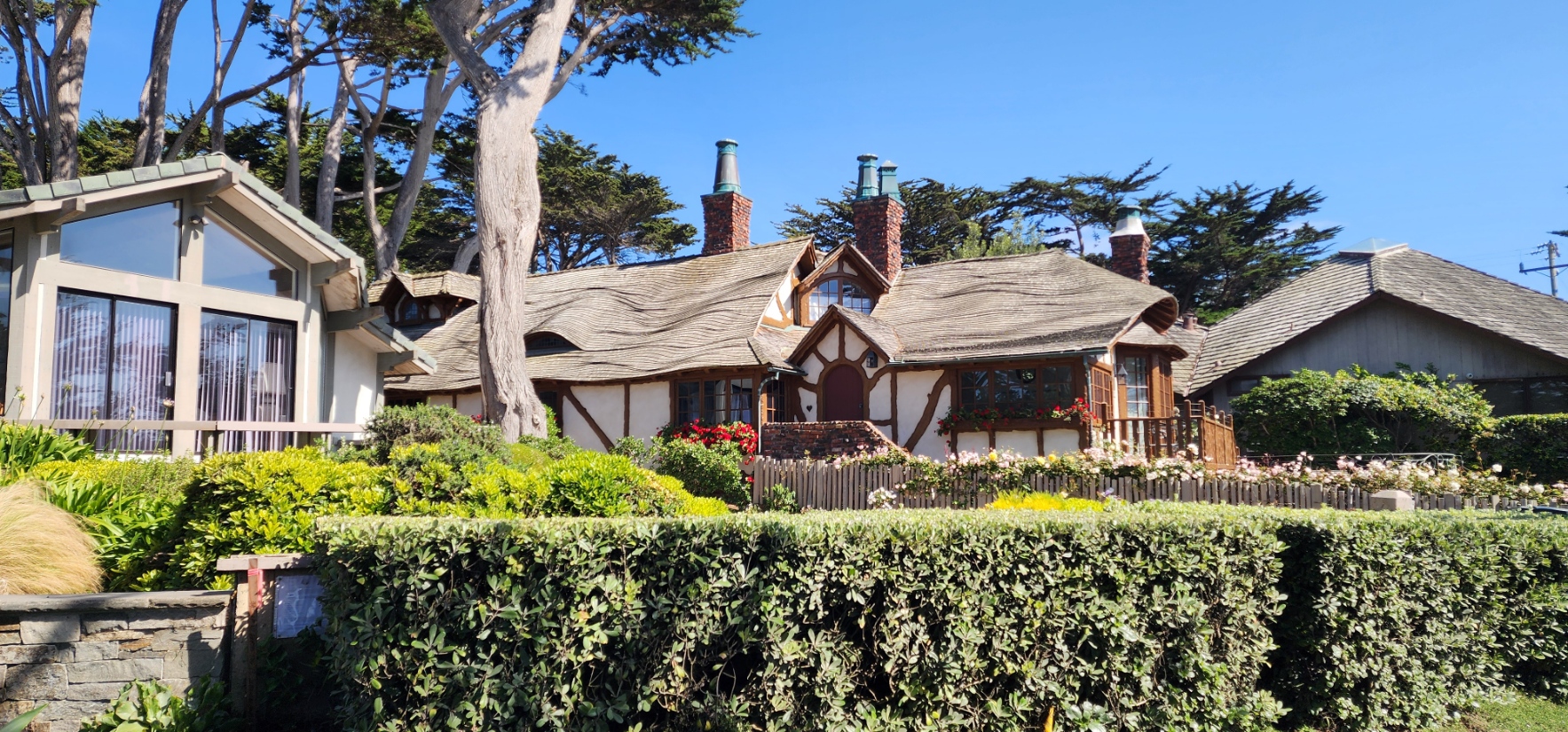
The village is compact, walkable and filled with distinctive architecture, hidden courtyards, independent shops, restaurants, galleries and wine-tasting rooms. Carmel Beach sits at the bottom of the village, placing one of California's most beautiful stretches of sand within walking distance of many homes.
For buyers who envision arriving for the weekend, parking the car and rarely needing it again, Carmel is difficult to surpass.
What Second-Home Buyers Love About Carmel
Carmel offers an experience that feels both relaxed and refined. Morning coffee, dinner, shopping, art galleries and the beach can all be part of a day spent primarily on foot.
The residential architecture is equally compelling. Carmel is known for storybook cottages, Craftsman homes, Mediterranean residences, contemporary coastal designs and homes shaped by generations of local builders and architects.
Many properties are modest in square footage but extraordinary in character. In Carmel, value is frequently driven less by the size of the house than by its location, design, condition and relationship to the village and beach.
The history behind that character is explored in our complete history of Carmel-by-the-Sea.
What Buyers Should Consider
Lots within Carmel-by-the-Sea are commonly smaller than those found in Pebble Beach or Carmel Valley. Parking, storage and garage space may also be more limited.
Buyers should pay careful attention to the condition of older homes, previous renovations, drainage, roofing, foundations and whether improvements were completed with appropriate permits. Design review and preservation considerations can also affect future additions or exterior changes.
It is also important to understand that a Carmel mailing address does not necessarily mean a property is located within the incorporated City of Carmel-by-the-Sea. Carmel Point, Hatton Fields, High Meadows and other nearby neighborhoods offer different settings, regulations and ownership experiences.
For buyers who value walkability, romance and an unmistakable sense of place, Carmel real estate and homes for sale remain among the Peninsula's most compelling choices. You can also review the latest Carmel real estate market report before beginning your search.
Carmel may be the right fit if you want:
- A walkable village lifestyle
- Easy access to Carmel Beach
- Restaurants, shopping and galleries nearby
- Distinctive cottage architecture
- A romantic weekend or seasonal retreat
- Character and location rather than maximum square footage
Pebble Beach: Privacy, Golf and Coastal Prestige
Pebble Beach offers a very different version of Monterey Peninsula luxury.
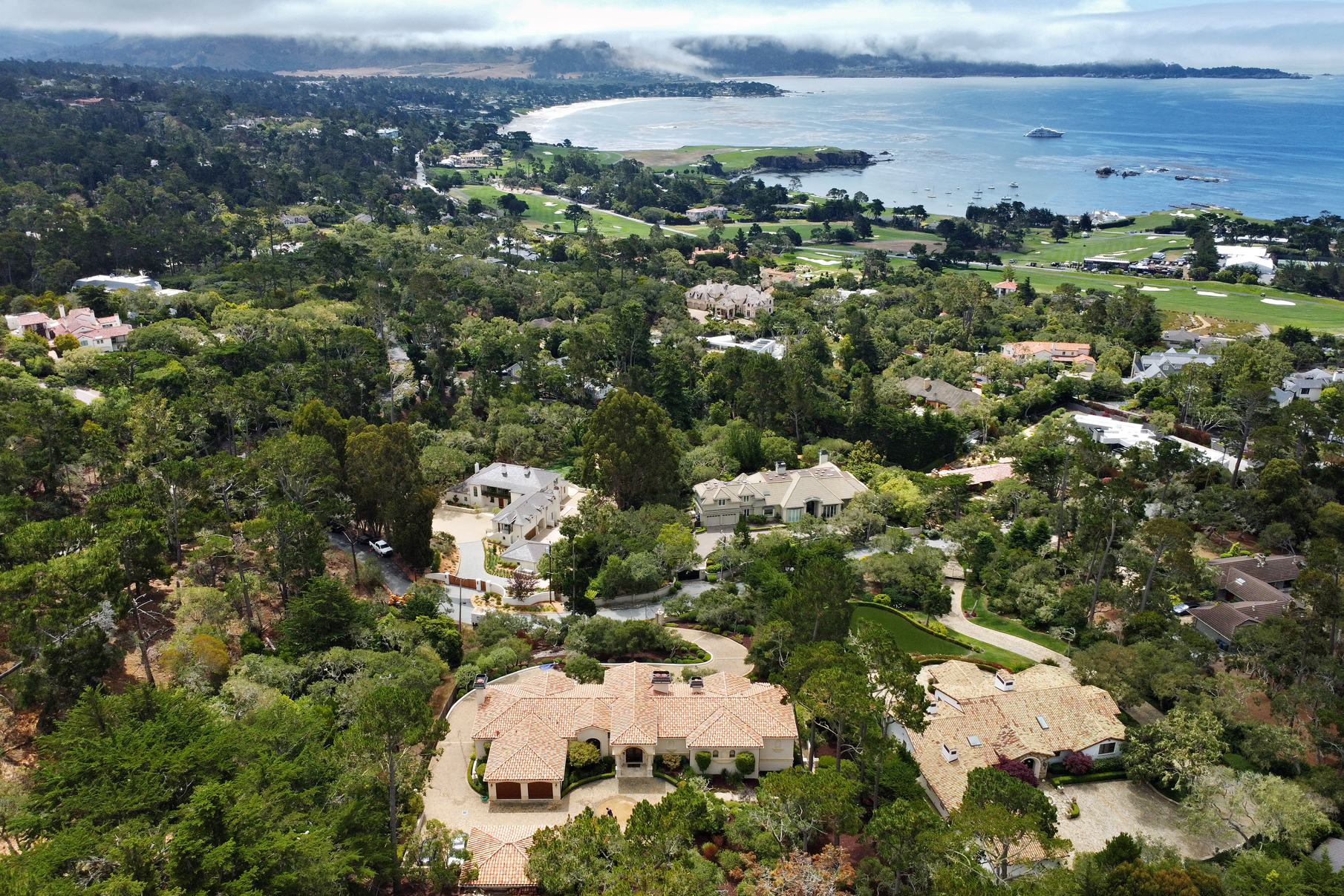
Instead of a compact village, Pebble Beach is defined by winding roads, cypress forests, championship golf courses, dramatic coastline and homes positioned throughout the Del Monte Forest. Its gated entrances create a stronger sense of separation and privacy, while its connection to Pebble Beach Resorts gives the community international recognition.
For many buyers, owning a home here represents both a personal retreat and a legacy purchase.
The Different Sides of Pebble Beach
Pebble Beach is not a single, uniform real estate market. Its neighborhoods vary considerably.
Some homes are positioned along the ocean or near the most dramatic portions of 17-Mile Drive. Others overlook golf courses, occupy private forest settings or sit closer to Carmel, Pacific Grove or Highway 1.
The Lodge area offers proximity to Pebble Beach Golf Links, Stillwater Cove and resort amenities. The Country Club area provides convenient access to Monterey Peninsula Country Club and the coastline near Spanish Bay. Other sections emphasize forested privacy, larger parcels or a more understated residential atmosphere.
Understanding these differences is essential. A home described as being in Pebble Beach may offer an oceanfront experience, a golf-centered lifestyle, a forest retreat or some combination of the three.
Our guide comparing Pebble Beach oceanfront and golf-course homes examines two of the community's most desirable ownership experiences.
What Buyers Should Consider
Pebble Beach generally requires more driving than Carmel-by-the-Sea or downtown Pacific Grove. Some buyers appreciate that privacy; others discover that they prefer being able to walk to restaurants and shops.
Larger homes and properties can also bring greater maintenance responsibilities. Trees, drainage, exterior exposure, landscaping and homes that sit vacant for extended periods should all be evaluated carefully.
Not every Pebble Beach home has an ocean view, nor does every buyer need one. Forest and golf-course properties can offer greater shelter, privacy and usable outdoor space than homes exposed directly to the coast.
For second-home buyers drawn to golf, privacy and an internationally recognized coastal setting, Pebble Beach real estate and homes for sale are often the natural place to begin. Current activity is available in the Pebble Beach real estate market report.
Pebble Beach may be the right fit if you want:
- Privacy and gated access
- Championship golf nearby
- Larger homes or estate-scale properties
- Ocean, golf-course or forest views
- Resort amenities and international prestige
- A long-term or legacy property
Pacific Grove: Coastal Beauty and Hometown Character
Pacific Grove offers something increasingly rare along the California coast: a beautiful destination that still feels like a genuine hometown.
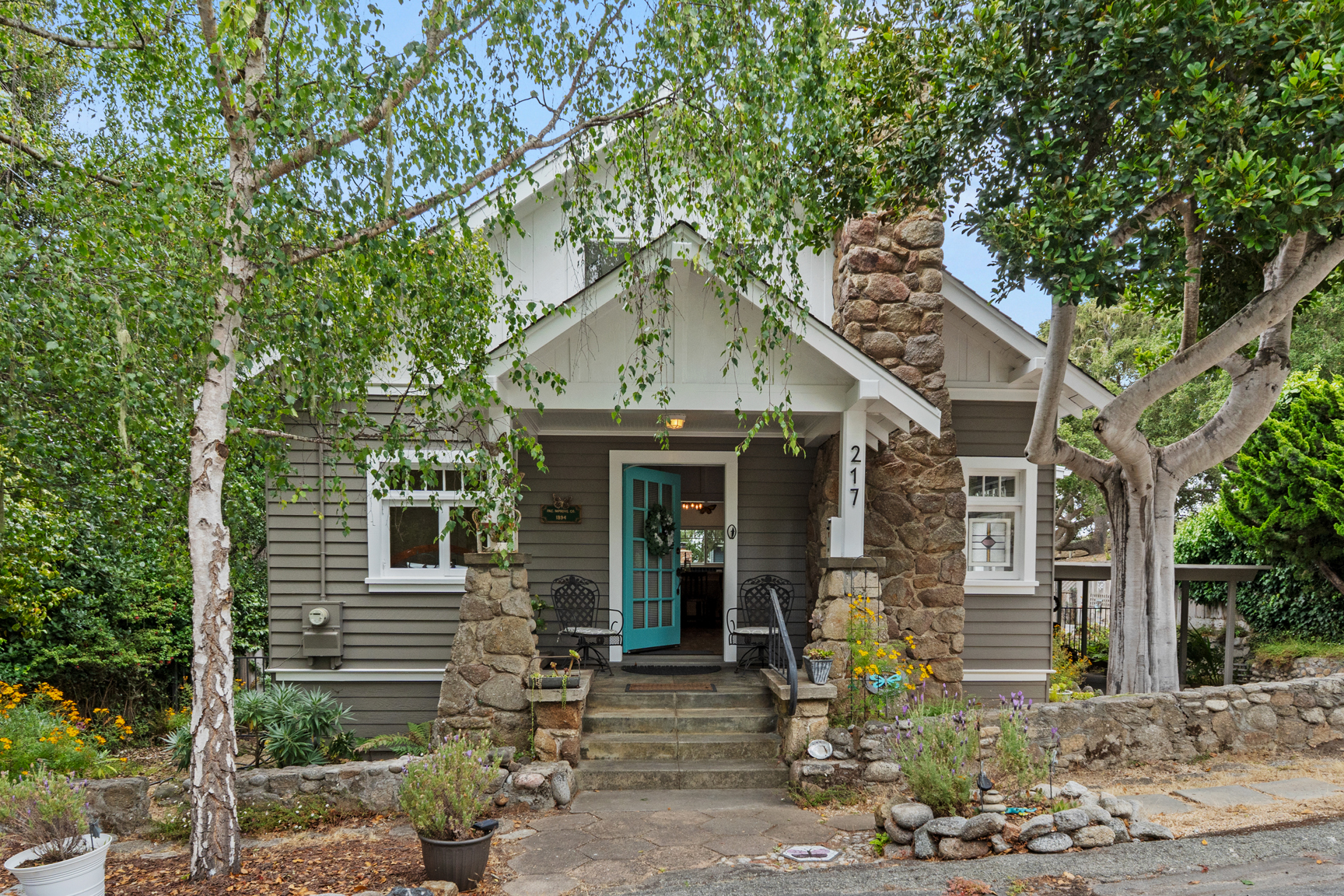
Its Victorian and Craftsman architecture, walkable downtown, rocky shoreline, coastal recreation trail and close-knit atmosphere give it a personality that is distinct from both Carmel and Monterey.
For second-home buyers, Pacific Grove can offer an appealing balance. It is scenic without feeling overly formal, historic without feeling frozen in time and centrally located without losing its residential character.
A Community Shaped by the Coast
Life in Pacific Grove is closely connected to the water.
Residents walk, run and bicycle along the shoreline from Lovers Point toward Asilomar. Kayaking, tide pooling, photography and wildlife watching are part of everyday life. Depending on the neighborhood, owners may be able to walk to the coast, downtown restaurants, coffee shops or Cannery Row.
Pacific Grove's neighborhoods also offer meaningful variety. The Beach Tract is prized for its proximity to the shoreline. The Retreat and areas near downtown feature historic cottages and Victorian homes. Asilomar and the western portions of the city generally offer larger lots, greater privacy and a more forested environment.
The city's origins and architectural character are explored in our complete history of Pacific Grove.
What Buyers Should Consider
Pacific Grove homes can be older, and many have been expanded or modified over several generations. Buyers should carefully evaluate permits, foundations, electrical and plumbing systems, roofing, drainage and wood-destroying pest conditions.
Walkability also varies considerably. A home near Lovers Point or downtown offers a different experience from one near Asilomar or along the upper portions of the city.
In many cases, Pacific Grove may provide a more approachable entry point than comparable locations in Carmel or Pebble Beach, although premium coastal neighborhoods and ocean-view homes can command substantial prices.
For buyers who want beauty, authenticity and a strong connection to the coastline, Pacific Grove real estate and homes for sale deserve serious consideration. The Pacific Grove real estate market report provides continuously updated market context.
Pacific Grove may be the right fit if you want:
- A relaxed and authentic coastal community
- Access to the recreation trail and coastline
- Historic Victorian and Craftsman architecture
- A walkable downtown
- A balance between second-home appeal and everyday livability
- Convenient access to Monterey and Pebble Beach
Monterey: Convenience, History and Housing Variety
Monterey is sometimes overlooked by buyers who begin their search focused exclusively on Carmel or Pebble Beach. That can be a mistake.
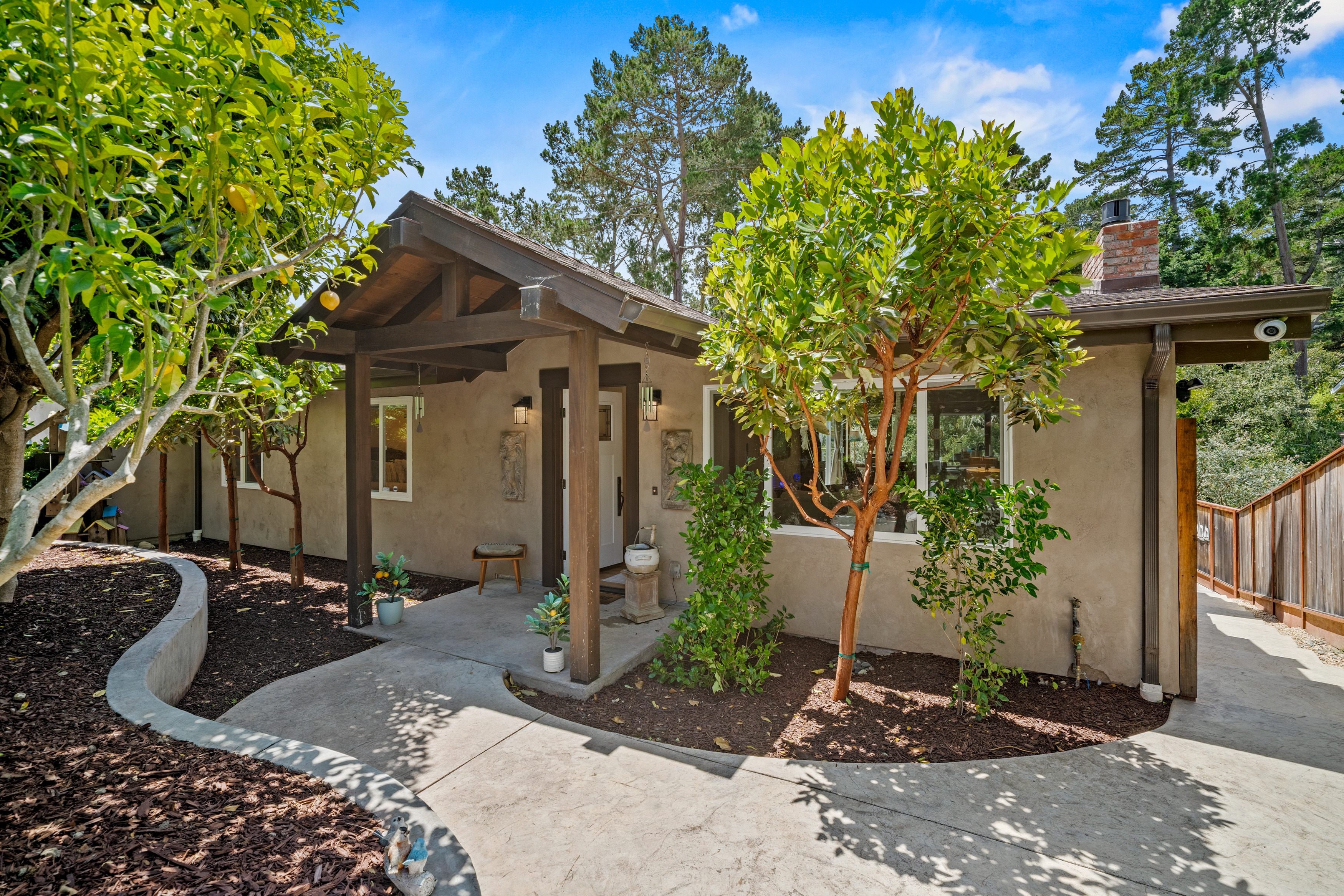
The City of Monterey offers the broadest variety of housing and neighborhood settings among the five communities in this comparison. Buyers may find historic adobes, downtown condominiums, New Monterey cottages, hillside homes with bay views, mid-century residences and larger properties in neighborhoods closer to Highway 68.
Monterey also offers practical advantages for owners who expect to spend longer periods in their second home or may eventually make it their primary residence.
A More Practical Coastal Base
Monterey provides convenient access to healthcare, shopping, dining, regional transportation and everyday services. It is centrally positioned between Pacific Grove, Pebble Beach, Carmel and the Highway 68 corridor.
For owners who want to enjoy the entire Peninsula rather than organize their lifestyle around one village or resort, that centrality can be valuable.
Neighborhood selection matters greatly. New Monterey offers access to Cannery Row and Pacific Grove, often with hillside bay views. Old Town and downtown provide historic character and walkability. Monterey Vista, Alta Mesa and other elevated neighborhoods offer a more residential environment with convenient access to services.
Monterey's transformation from California's early capital to a modern coastal destination is covered in our complete history of Monterey.
What Buyers Should Consider
Monterey's diversity means buyers need to evaluate each neighborhood individually. Traffic, tourism, parking, airport proximity, ocean views and walkability can change within a relatively short distance.
Condominiums may appeal to buyers seeking a lock-and-leave property, but association finances, insurance, maintenance responsibilities, rental restrictions and reserve funding should be reviewed carefully.
For buyers seeking convenience, variety and a central location, Monterey real estate and homes for sale can deliver an excellent second-home experience. Review the latest data in the Monterey real estate market report.
Monterey may be the right fit if you want:
- A broad selection of property types
- Condominiums or lower-maintenance options
- Convenient access to services and healthcare
- A central location for exploring the Peninsula
- Historic neighborhoods or Monterey Bay views
- A second home that could later become a primary residence
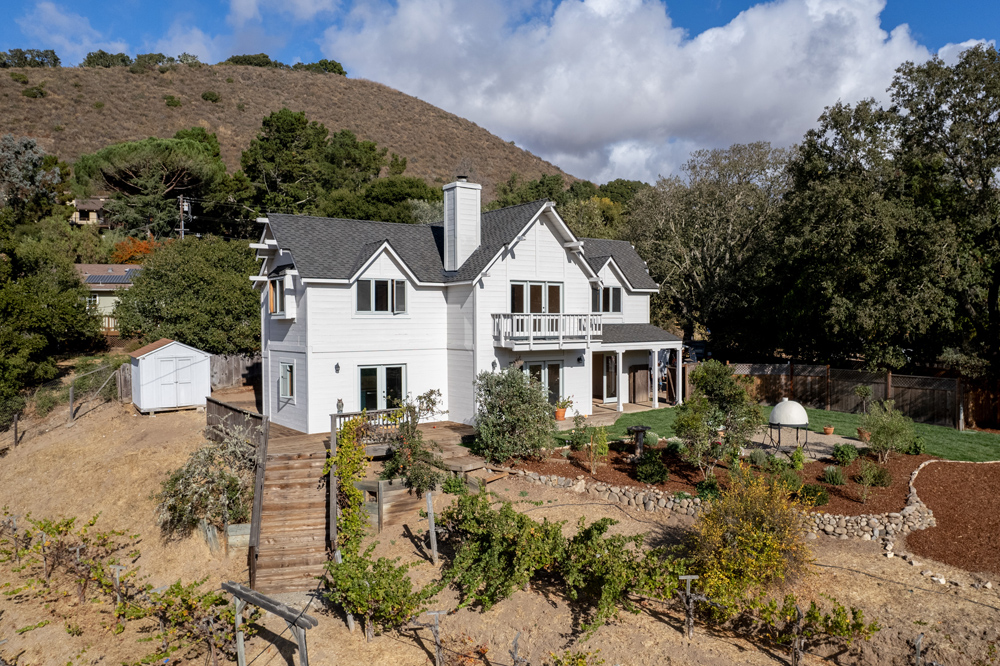
Carmel Valley: Sunshine, Space and Country Living
Carmel Valley feels like a different world, even though Carmel Beach and the coast may be only a relatively short drive away.
As the road moves inland, the coastal fog often gives way to warmer temperatures, sunshine, rolling hills, oak trees, vineyards and open land. The lifestyle becomes less about walking to a village and more about privacy, outdoor living and space.
For buyers who envision long afternoons by the pool, gardens, guest accommodations, horses or a peaceful estate setting, Carmel Valley may offer the most satisfying second-home experience.
Different Areas Within Carmel Valley
Carmel Valley includes a wide variety of environments.
Properties closer to Highway 1 provide relatively convenient access to Carmel-by-the-Sea and the coast. Mid-Valley neighborhoods offer a balance of sunshine, privacy and access. Farther east, Carmel Valley Village has restaurants, tasting rooms and a more rural identity.
The valley also includes gated communities, golf-oriented neighborhoods, ranch properties, vineyard settings and private estates on substantial acreage.
As with Pebble Beach, the name alone does not describe the complete experience. Travel time, climate, lot size, water source, road access and proximity to services should all be considered. Our complete history of Carmel Valley explains how the area's geography and development created the lifestyle buyers find today.
What Buyers Should Consider
Larger Carmel Valley properties may require more landscaping, irrigation, vegetation management and ongoing oversight than a cottage or condominium near the coast.
Buyers should also consider insurance availability, wildfire exposure, private roads, wells, septic systems and any homeowners' association requirements that apply to a particular property. These considerations do not diminish Carmel Valley's appeal, but they should be understood before purchasing.
For buyers who prioritize sunshine, outdoor living and privacy, Carmel Valley real estate and homes for sale offer opportunities that are difficult to duplicate in the coastal communities. Current market information is available in the Carmel Valley real estate market report.
Carmel Valley may be the right fit if you want:
- Warmer and sunnier weather
- Larger lots or acreage
- Pools, gardens and outdoor entertaining
- Gated communities or country estates
- Equestrian, vineyard or ranch possibilities
- Privacy with access to Carmel and the coast
Seven Questions Every Second-Home Buyer Should Answer
1. How Often Will You Use the Home?
A property used two weekends each month has different maintenance and location requirements from one occupied for several months at a time.
2. Do You Want to Walk or Drive?
Carmel-by-the-Sea, downtown Pacific Grove and portions of Monterey offer strong walkability. Pebble Beach and Carmel Valley generally offer greater privacy but require more driving.
3. How Much Maintenance Do You Want?
A condominium or small village cottage may be easier to leave unattended than a large forested estate or acreage property. Association dues do not necessarily eliminate responsibility, so governing documents and maintenance obligations should still be reviewed.
4. Which Climate Do You Prefer?
The Monterey Peninsula contains distinct microclimates. Some buyers love the cool marine air and coastal fog, while others prefer Carmel Valley's warmer inland weather.
The best way to understand these differences is to experience the communities on the same day.
5. Will You Need Room for Guests?
If adult children, grandchildren, friends or extended family will visit regularly, bedroom count, parking, outdoor space and guest privacy may be more important than proximity to shops.
6. Do You Expect Rental Income?
Never assume a second home can legally or practically be used as a short-term rental. Regulations vary by city, unincorporated area, zoning district and homeowners' association, and they can change.
Rental eligibility should be independently verified for the specific property before it becomes part of the financial decision.
7. Could This Eventually Become Your Primary Residence?
Many Monterey Peninsula second-home owners gradually spend more time here and eventually make the property their primary residence.
If that possibility exists, consider stairs, accessibility, healthcare, proximity to services, storage and whether the location would work as well for daily life as it does for a weekend escape.
Insurance and Property Condition Matter
Insurance should be investigated early in the home-buying process, especially for properties in forested, rural or coastal settings.
The cost and availability of coverage can vary based on location, roof type, construction, vegetation, fire exposure, replacement cost and claims history. Buyers should obtain a property-specific insurance quotation before removing the applicable contingency.
Second-home buyers should also evaluate how the home will be monitored when vacant. Leak-detection systems, security, landscaping, pest control, backup power, local property management and access to trusted contractors can all make ownership easier.
A beautiful second home should feel restorative, not like a maintenance project waiting for your arrival.
Which Monterey Peninsula Community Is Best?
There is no single best community for every buyer.
The right choice depends on the experience you want your second home to provide.
- Choose Carmel-by-the-Sea if you want a romantic, walkable village retreat near the beach.
- Choose Pebble Beach if privacy, golf, scenery and resort prestige are central to your vision.
- Choose Pacific Grove if you want coastal recreation, historic character and an authentic hometown atmosphere.
- Choose Monterey if convenience, housing variety and a central location are most important.
- Choose Carmel Valley if you want sunshine, land, outdoor living and greater privacy.
The encouraging news is that these communities are close enough to enjoy one another. A homeowner in Carmel Valley can have dinner in Carmel. A Pacific Grove resident can play golf in Pebble Beach. A Monterey homeowner can walk into Pacific Grove or spend an afternoon at Point Lobos.
You are not choosing which parts of the Monterey Peninsula you can enjoy. You are choosing the setting you want to come home to.
Experience the Communities Before Choosing a House
The most productive first step is often not a day of rushing through individual listings. It is a carefully planned tour of the communities and neighborhoods that fit your goals.
Driving from Carmel-by-the-Sea to Pebble Beach, Pacific Grove, Monterey and Carmel Valley allows you to experience the changes in climate, architecture, lot size, walkability, traffic and overall atmosphere.
Once the right setting becomes clear, evaluating individual homes becomes much easier.
If you are still becoming familiar with the region, explore our guide to the five must-see places on the Monterey Peninsula. It provides an excellent introduction to the landmarks and landscapes that make this area such an extraordinary place to visit and an even more rewarding place to own a home.
Monterey Peninsula Second-Home FAQ
What Is the Most Walkable Place to Own a Second Home on the Monterey Peninsula?
Carmel-by-the-Sea is generally the most walkable choice for buyers who want restaurants, shops, galleries and the beach close by. Downtown Pacific Grove and portions of Monterey can also provide excellent walkability.
Where Can I Find the Largest Properties?
Pebble Beach and Carmel Valley generally offer the greatest selection of larger lots and estate properties. Carmel Valley is particularly attractive to buyers interested in acreage, gardens, pools or equestrian possibilities.
Which Area Has the Warmest Weather?
Carmel Valley is typically warmer and sunnier than the coastal communities. Conditions can vary considerably depending on the property's exact location and distance from the ocean.
Is Pebble Beach Only for Golfers?
No. Golf is an important part of Pebble Beach's identity, but buyers are also drawn to its privacy, scenery, ocean views, forest setting, architecture and resort amenities.
Is Pacific Grove a Good Alternative to Carmel?
Pacific Grove can be an excellent choice for buyers who want coastal access, walkability and historic architecture in a community that feels more residential and informal. The two cities have distinct personalities, so the better choice depends on the buyer's preferred lifestyle.
Is Monterey a Good Place for a Second Home?
Yes. Monterey offers diverse housing, central access, practical services, historic neighborhoods and proximity to the entire Peninsula. It can be particularly appealing to buyers seeking a condominium, bay-view home or property that may eventually become a primary residence.
Can I Use My Second Home as a Vacation Rental?
That depends on the property's jurisdiction, zoning, permit status and any homeowners' association restrictions. Buyers should verify current regulations for the specific property and should never rely on assumed rental income without completing that investigation.
How Do I Decide Which Community Is Right for Me?
Begin by ranking your priorities: walkability, weather, privacy, golf, beach access, lot size, maintenance, proximity to services and budget. Then tour the communities before concentrating on individual listings.
Find Your Place on the Monterey Peninsula
A second home on the Monterey Peninsula is more than a real estate purchase. It is a decision about how you want to spend your time, where you want to gather with the people you love and what kind of setting you want to return to year after year.
The Monterey Peninsula Home Team helps buyers compare communities, understand neighborhood-level differences and identify properties that align with both their practical needs and long-term vision.
Explore available homes in Carmel, Pebble Beach, Pacific Grove, Monterey and Carmel Valley.
Ready to compare Monterey Peninsula communities in person?
Contact Mark Bruno and the Monterey Peninsula Home Team to arrange a private neighborhood and property tour.
About the Author
Mark Bruno is a Monterey Peninsula Realtor with the Monterey Peninsula Home Team at Keller Williams. He helps buyers and sellers understand the meaningful differences among Carmel, Pebble Beach, Pacific Grove, Monterey, Carmel Valley and the surrounding communities. Learn more about the Monterey Peninsula Home Team.