Monterey Peninsula Real Estate Blog

Information about Monterey Peninsula Real Estate including new MLS Real Estate Listings by the Monterey Peninsula Home Team. You will see posts about Monterey Peninsula cities including Monterey, Pacific Grove, Pebble Beach, Carmel, Carmel Valley, Seaside, Marina and the HWY 68 Corridor.  These posts will have stories and information about local issues including real estate, news, and other helpful information, plus anything else we want to write about ;-).


Sept. 1, 2026

From Sand Dunes to Beach Neighborhood: The History of Del Monte Beach

Along one small section of Monterey's shoreline, the street names tell you almost everything about the neighborhood's original promise.

Surf Way. Tide Avenue. Beach Way. Spray Avenue. Seafoam Avenue. Dunecrest Avenue.

They evoke a simple idea: build a house beside Monterey Bay and live at the beach.

Beginning in the middle of the twentieth century, that is essentially what happened at Del Monte Beach. Small residential lots were created among the dunes. Modest postwar beach cottages appeared near the sand. Larger apartment projects followed directly along the shoreline.

But Del Monte Beach would eventually demonstrate that building a permanent neighborhood within an active coastal dune system is anything but simple.

Storms eroded the shoreline. Buildings were threatened. Portions of an old residential subdivision remained largely undeveloped. Scientists increasingly recognized the ecological value of the dunes. California adopted an entirely new approach to coastal planning. Monterey began buying and restoring dune land that an earlier generation had viewed primarily as development property.

Over several decades, Del Monte Beach became a small but fascinating example of a much larger California story:

How do we balance private property, public beaches, coastal habitat and an ocean that never stops changing the shoreline?

Part of our Monterey History Series: Del Monte Beach tells the twentieth-century story of Monterey's changing relationship with its coastline—from residential development on the dunes to coastal preservation and restoration. Explore the larger story in our Complete History of Monterey, California.

If you are researching current homes, condominiums and oceanfront properties rather than neighborhood history, visit our Del Monte Beach Real Estate & Oceanfront Homes for Sale guide.

Where Is Del Monte Beach?

Del Monte Beach occupies a narrow residential pocket along Monterey Bay, between the water and the transportation, institutional and open-space lands farther inland.

The Del Monte Beach Neighborhood Association identifies its primary area as including:

  • Roberts Avenue
  • Surf Way
  • Dunecrest Avenue
  • Spray Avenue
  • Seafoam Avenue
  • Tide Avenue
  • Beach Way
  • Dunecrest Lane

The neighborhood is small, but within that relatively compact area are detached beach cottages, newer custom homes, oceanfront residences, large condominium communities, protected dunes and remnants of an old subdivision that was never developed in the way its creators originally envisioned.

Before Del Monte Beach, There Were the Dunes

Long before residential streets appeared, the shoreline here was part of the extensive dune system surrounding southern Monterey Bay.

These dunes are not simply piles of sand deposited permanently beside the ocean.

They are part of a living coastal system.

Wind moves sand inland and along the shore. Winter storms remove and redistribute it. Vegetation helps stabilize dunes. Bare areas can begin moving again. Waves continually reshape the edge between land and sea.

The Monterey Bay dune field stretches for miles along the coastline and contains specialized plant and wildlife habitat adapted to sandy, windy and salt-exposed conditions.

To an early developer, however, dunes could also look like vacant land with an extraordinary amenity immediately in front of them:

Monterey Bay.

The First Residential Vision for Del Monte Beach

Del Monte Beach was divided into residential parcels through subdivision maps that created a network of compact lots and beach-themed streets.

Legal descriptions still preserve names such as Del Monte Beach Tract No. 1 and Del Monte Beach Tract No. 2.

Many individual parcels were small by modern Monterey standards. Historical Coastal Commission records document lots measuring approximately 40 feet by 90 feet.

That lot pattern is an important part of the neighborhood's physical character.

Del Monte Beach was not originally conceived as an enclave of large oceanfront estates. It was laid out more like a classic California beach subdivision: relatively compact houses on relatively compact parcels, with the beach itself serving as the principal recreational amenity.

Del Monte Beach Tract No. 1

Tract No. 1 became the developed heart of the neighborhood.

California Coastal Commission records from the 1990s describe it as approximately 25 acres and already almost completely developed.

This is the part of Del Monte Beach most people recognize today—the established streets and houses stretching through the neighborhood near Tide, Surf, Dunecrest, Spray and Seafoam.

Development occurred gradually rather than through one builder constructing the entire neighborhood at once.

The Postwar Beach Cottages

By the early 1950s, small houses were appearing among the dunes.

Many reflected the practical residential architecture of postwar California: relatively modest square footage, straightforward wood-frame construction and a close relationship with outdoor living.

These were not generally grand resort houses.

They were beach cottages.

For an owner, the attraction did not necessarily require a huge house because the defining feature of the property was just outside the front door.

A short walk could put you on the sand.

Why Del Monte Beach Feels Different From Other Monterey Neighborhoods

Compare Del Monte Beach with several other Monterey neighborhoods developed during roughly the same century and the differences become obvious.

Alta Mesa was shaped around larger lots, topography and an Olmsted Brothers landscape plan.

Skyline Forest inserted postwar homes into Monterey pine forest along the upper ridgeline.

Mar Vista used elevation to capture broad Monterey Bay views.

Del Monte Beach developed around immediate physical access to the shoreline.

The neighborhood's identity came from sand rather than forest, hillside or historic street grid.

The Ocean View Begins Changing the Houses

Being near the beach and actually seeing Monterey Bay from inside a house are not necessarily the same thing.

Dunes, neighboring houses and subtle differences in elevation can completely change a property's view.

As the neighborhood matured, owners increasingly looked for ways to capture the water.

On suitable properties, second floors, larger windows, decks and upper-level living areas became ways to gain views that might not exist at ground level.

This created one of Del Monte Beach's enduring tensions.

A taller home may improve one owner's view while changing another homeowner's view, privacy or sense of scale.

Eventually, Monterey's coastal planning policies would address this relationship directly.

Multifamily Housing Arrives on the Dunes

The next stage of development was dramatically different from the small detached cottages.

During the 1960s and 1970s, large apartment developments were constructed close to the shoreline.

Two of those projects still define Del Monte Beach today:

La Playa and Ocean Harbor House.

La Playa – 1964

The buildings now known as the La Playa condominiums were originally constructed as apartments in 1964.

They were later converted to condominium ownership.

The project introduced a much denser residential pattern than the detached homes nearby.

Its location also placed portions of the development close to the active dune edge—something that would become more significant as shoreline erosion continued over the following decades.

Ocean House – Beginning in 1968

An even larger project began along Surf Way in 1968.

The first eight buildings were known as Ocean House and were constructed on the coastal dunes.

Six additional buildings called Harbor House were constructed farther inland in 1974.

Together, the 14 buildings eventually became the community known today as Ocean Harbor House.

172 Residences Beside Monterey Bay

Ocean Harbor House contains 172 residential units.

The project represented an extraordinary increase in residential density compared with the surrounding cottage neighborhood.

But the number of units is not what ultimately made Ocean Harbor House historically important.

Its location did.

The seaward buildings were constructed directly on coastal dunes close to Monterey Bay.

At the time, the long-term consequences of fixing substantial permanent buildings so close to an eroding sandy shoreline were not understood—or regulated—in the way they would be later.

The Del Monte Beach Neighborhood Association

As the neighborhood grew, residents organized.

The Del Monte Beach Neighborhood Association was established in 1971.

Its stated purpose includes preserving the area's quality of life and residential character while maintaining communication between residents and the City of Monterey.

That local organization became particularly relevant because Del Monte Beach would soon face increasingly complicated questions involving development, traffic, public beach access, erosion and dune preservation.

Tract No. 2: The Beach Neighborhood That Stayed Mostly on Paper

The most unusual chapter of Del Monte Beach history may be Tract No. 2.

An old subdivision map divided additional dune land into residential parcels and mapped streets through the area.

Legally, lots existed.

Physically, however, much of the neighborhood did not.

Some streets were never fully constructed through the dunes. Utilities were incomplete. Large areas remained sandy and undeveloped.

Planning documents would eventually refer to this as an antiquated subdivision or paper subdivision.

85 Lots—67 Still Undeveloped

California Coastal Commission records provide an unusually precise picture of Tract No. 2 in the 1990s.

The subdivision contained approximately 85 lots.

Of those, 67 were still undeveloped.

Beach Way and Dunecrest Avenue had been improved, but portions of Seafoam, Spray and Roberts Avenue shown on the subdivision plan had not been completed through the dune field.

Several houses existed around the perimeter where access and utilities were available, but much of the interior remained essentially dune habitat.

This produced a strange situation:

land that looked like a residential neighborhood on a subdivision map still looked largely like open dunes on the ground.

What Is a Paper Subdivision?

A paper subdivision is a useful concept for understanding coastal real estate.

A subdivision map can legally create individual parcels.

That does not necessarily mean every parcel will ultimately receive approval for a house.

Road access, utilities, zoning, environmental conditions and later regulations may substantially affect what can actually be developed.

Del Monte Beach Tract No. 2 became a particularly important example because California's understanding of coastal dunes changed dramatically after the parcels had already been created.

California Changes the Rules of Coastal Development

The political environment surrounding California's shoreline changed in the 1970s.

California voters approved Proposition 20 in 1972, creating an interim statewide coastal planning system.

The Legislature followed with the California Coastal Act of 1976.

The Coastal Act established a broad framework for protecting coastal resources while regulating development within the coastal zone.

Issues such as public access, environmentally sensitive habitat, visual resources, shoreline hazards and recreation could now play a major role in development decisions.

For a neighborhood built directly within coastal dunes, the implications were enormous.

Monterey Begins Planning Specifically for Del Monte Beach

The Coastal Act required Monterey to prepare a Local Coastal Program for areas within the City's coastal zone.

Rather than treat the entire Monterey shoreline as one uniform area, the City divided its coastal planning into geographic segments.

Del Monte Beach received its own Land Use Plan.

The City first adopted a Del Monte Beach Land Use Plan in 1983.

But the story did not end there.

Tract No. 2 Becomes a Two-Decade Planning Problem

Obtaining final Coastal Commission approval proved difficult.

One of the major unresolved issues was exactly what should happen to Del Monte Beach Tract No. 2.

Should the City allow construction of the old subdivision essentially as mapped?

Should streets and utilities be extended through the dunes?

How should legally created private lots be balanced against public access, views and sensitive habitat?

Those questions remained unresolved through multiple rounds of coastal planning.

In May 2003, the California Coastal Commission approved a resubmitted Del Monte Beach Land Use Plan with modifications.

Later that year, the Commission accepted Monterey's action incorporating those modifications.

A planning conflict that had begun with Monterey's original 1983 coastal plan had taken roughly two decades to work through.

Why the Dunes Became More Valuable Undeveloped

As scientific understanding improved, coastal dunes came to be recognized as important habitat rather than simply vacant sand.

The broader Monterey Bay dune system supports specialized vegetation and wildlife adapted to conditions found in relatively few places.

Fragmenting remaining dune habitat with streets, driveways and individual houses could significantly reduce its ecological value.

This changed the planning equation.

Where an early subdivision map saw individual building lots, later planners increasingly saw an interconnected dune ecosystem.

Development Did Not Stop Completely

The modern approach was not simply to declare every remaining private parcel unbuildable.

Instead, the City and Coastal Commission increasingly tried to consolidate development into locations where it could occur with less environmental damage while preserving larger contiguous areas of dune habitat.

This involved:

  • combining or reconfiguring lots
  • limiting building envelopes
  • preserving portions of parcels as open space
  • controlling street extensions
  • protecting sensitive habitat
  • requiring coastal-development review

The result was a neighborhood that continued evolving—but not according to the simple lot-by-lot pattern drawn on the original subdivision map.

The State Buys 37 Acres of Dunes

One of the clearest signs of the changing philosophy came in 1992.

California State Parks purchased approximately 37 acres of former Phillips Petroleum property adjacent to the Del Monte Beach area.

The land was added to Monterey State Beach and targeted for dune restoration and improved public access.

Land that might once have been viewed primarily through its development potential was now being acquired specifically because leaving it as coastal open space had public value.

Dune Restoration Reverses Earlier Damage

By the late twentieth and early twenty-first centuries, Monterey was not merely preventing new damage to dunes.

It was actively trying to restore them.

Restoration projects have occurred on State Beach property, City-owned beach areas, Naval Postgraduate School lands and around Ocean Harbor House.

Work has included removal of non-native vegetation, stabilization of disturbed sand, planting of native dune species and concentrating pedestrian access onto designated routes.

On Naval Postgraduate School-associated dunes alone, restoration programs planted more than 150,000 seedlings representing dozens of native plant species.

Why Boardwalks and Defined Paths Matter

A boardwalk across a dune may appear to be simply a convenient path to the beach.

It can also be an environmental-management tool.

Repeated foot traffic destroys vegetation and creates informal paths through dunes.

Once vegetation disappears, wind can move the exposed sand more easily and fragmented habitat becomes harder to restore.

By concentrating pedestrians onto defined routes, public access can be maintained while surrounding dune vegetation recovers.

This is a central principle of modern coastal management:

public beach access and habitat protection do not have to be mutually exclusive.

Then the Ocean Tested the Neighborhood

While regulators debated development on the undeveloped dunes, Monterey Bay was demonstrating another problem along the already-developed shoreline.

Erosion.

Ocean Harbor House began experiencing serious shoreline retreat.

During the powerful 1982–83 El Niño, erosion moved dangerously close to the supports beneath the seaward buildings.

Emergency rock was placed along the shoreline to protect the complex.

The buildings had been designed to remain fixed.

The shoreline surrounding them continued moving.

Why a Seawall Is Not a Simple Solution

The obvious response to an eroding shoreline may seem to be a wall.

Protect the building and hold the ocean back.

But sandy coastlines make that solution complicated.

A seawall can fix one point of the shoreline while the unprotected land beside it continues retreating.

Over time, the beach in front of the wall can narrow or disappear.

That can affect:

  • public beach access
  • recreation
  • sand supply
  • visual character
  • adjacent shoreline

At Ocean Harbor House, this became more than an academic discussion.

The 585-Foot Ocean Harbor House Seawall

After various temporary protection measures proved inadequate, the Ocean Harbor House Homeowners Association sought permission to construct a permanent seawall approximately 585 feet long.

The City and California Coastal Commission studied the project extensively.

The analysis concluded that the wall would protect existing buildings but would also contribute to the eventual loss of beach in front of the complex.

The Coastal Commission approved the seawall subject to conditions, including mitigation intended to address the loss of public recreational beach.

Ocean Harbor House Goes to Court

The homeowners challenged the mitigation requirement.

The dispute became Ocean Harbor House Homeowners Association v. California Coastal Commission.

In 2008, the California Court of Appeal upheld the Coastal Commission's authority to require mitigation for the projected loss of public beach associated with the seawall.

The case turned one small Monterey condominium development into part of California coastal-law history.

The "Peninsula Effect"

Environmental analysis of the seawall discussed a phenomenon known as the peninsula effect.

Imagine a sandy coastline gradually retreating inland.

If one section is locked permanently in place with a seawall while the dunes on both sides continue eroding, the protected property can eventually project outward relative to the surrounding shoreline.

The building effectively sits on an artificial peninsula.

This is one reason coastal armoring can create impacts beyond the property it is intended to protect.

La Playa Faces the Same Moving Coastline

Ocean Harbor House is not the only Del Monte Beach development affected by shoreline geography.

Coastal studies have also identified portions of the La Playa condominium complex as relatively close to the dune edge.

Exact risk varies substantially by building location, elevation, shoreline position and protective measures.

But both developments illustrate the same fundamental reality:

Del Monte Beach is not simply beside a beach. It is built within an active coastal system.

Public Beach Access Becomes Part of the Equation

California coastal policy also changed the way people thought about the space between private residences and the water.

Owning a home beside Del Monte Beach does not make the beach private.

Public access to and along the coastline is an important part of California coastal policy.

That means planning decisions involving seawalls, pathways, parking and new construction may have to consider people who do not own property in the neighborhood at all.

The public beach is itself a resource.

The Recreation Trail Connects Del Monte Beach to Modern Monterey

The Monterey Bay Coastal Recreation Trail reinforces that public relationship with the shoreline.

The trail follows much of the former Southern Pacific railroad corridor through Monterey.

From Del Monte Beach, pedestrians and cyclists can travel toward Fisherman's Wharf, downtown Monterey, Cannery Row and Pacific Grove—or head north toward Seaside and Marina.

A corridor once associated with freight and industry eventually became part of Monterey's recreational identity.

That transformation is explored more fully in From Industry to Destination: Modern Monterey History.

Del Monte Beach and Hotel Del Monte

The neighborhood also sits beside land connected with one of Monterey's most important resort and military stories.

Nearby Naval Postgraduate School property occupies the former Hotel Del Monte estate.

That creates an unusual historical juxtaposition.

One side of the area tells the story of one of America's great nineteenth-century resort hotels and its later conversion to military education.

The other tells the story of twentieth-century beach subdivisions, condominiums and coastal preservation.

Read the larger story in The History of Hotel Del Monte.

From Small Cottages to Modern Coastal Homes

The detached-home portion of Del Monte Beach has continued changing throughout its history.

Some early cottages remain.

Others have been remodeled or substantially expanded.

Some original houses have been replaced with newer homes using second-floor living areas, broad windows and decks to capture Monterey Bay views.

The result is an architectural mixture spanning more than seven decades.

On one street, a compact mid-century cottage may sit only a few doors from a contemporary two-story home.

That evolution is normal in an older beach neighborhood where land value can eventually exceed the value of the original structure.

Why View Sharing Became Important

On a 40-foot-wide lot, one new building can have a significant effect on adjoining properties.

The City's Del Monte Beach coastal planning framework therefore addresses neighborhood design and view sharing.

The goal is not to guarantee every existing homeowner an unchanged private view forever.

Rather, it recognizes that height, massing and building placement matter unusually strongly in a compact coastal neighborhood.

This is another way Del Monte Beach differs from an ordinary inland subdivision.

Why an Old Vacant Lot Requires Special Due Diligence

The history of Tract No. 2 remains directly relevant to modern real estate.

A parcel may appear on an assessor map.

It may have a valid parcel number.

It may have been legally created decades ago.

None of those facts by themselves guarantee that a buyer can build the house they envision.

Potential development may depend on issues including:

  • coastal-zone requirements
  • environmentally sensitive habitat
  • street and utility access
  • building envelope
  • setbacks
  • geotechnical conditions
  • shoreline hazards
  • drainage
  • design review
  • applicable Coastal Commission requirements

For undeveloped coastal land, historical research can therefore become part of modern real-estate due diligence.

Oceanfront and Ocean View Are Not the Same Thing

Del Monte Beach also provides a useful example of why these terms should not be used interchangeably.

A home several lots inland may have an exceptional Monterey Bay view from an upper floor.

That does not make it oceanfront.

A true oceanfront property has a direct physical relationship with the shoreline—and potentially with erosion, wave exposure, shoreline protection and public coastal access.

That distinction can materially affect both value and risk.

Salt Air Is Part of the Property

Even houses removed from direct shoreline hazards live within a marine environment.

Salt air can accelerate corrosion of:

  • railings
  • exterior hardware
  • window and door components
  • lighting
  • HVAC equipment
  • garage-door hardware
  • other exposed metal

Wind, sand and moisture also place additional demands on exterior finishes.

These are practical consequences of exactly the same proximity that makes Del Monte Beach desirable.

One Neighborhood, Several Very Different Ownership Experiences

Today's Del Monte Beach contains remarkably different residential options within a very small area.

A buyer might encounter:

  • an original beach cottage
  • a remodeled postwar home
  • a newer ocean-view residence
  • a true oceanfront home
  • an Ocean Harbor House condominium
  • a La Playa condominium
  • an unusual infill or historically undeveloped parcel

Each type of property can involve different considerations involving HOA responsibilities, insurance, coastal exposure, maintenance and future development.

The neighborhood name alone does not tell you enough.

The Neighborhood's Greatest Asset Is Also Its Greatest Constraint

Everything distinctive about Del Monte Beach comes back to its geography.

It is built beside—and in places within—the dunes of Monterey Bay.

The coastline creates the views.

It creates the beach access.

It creates the lifestyle.

It also creates erosion, salt exposure, sensitive habitat and a level of coastal regulation that does not exist in most Monterey neighborhoods.

The advantages and constraints come from the same place.

Del Monte Beach Real Estate Today

For today's buyer, Del Monte Beach offers one of the most distinctive residential settings in Monterey.

But two properties only a few hundred feet apart may have very different relationships with Monterey Bay.

Exact location, elevation, lot history, view corridor, shoreline exposure, building condition and HOA obligations can matter enormously.

Our Del Monte Beach Real Estate & Oceanfront Homes for Sale guide covers the modern buying considerations and current MLS listings in greater detail.

Why Del Monte Beach Belongs in Monterey History

Del Monte Beach is not historically important because Monterey's earliest adobe stood here or because a famous nineteenth-century event occurred on Tide Avenue.

Its history belongs primarily to the twentieth century.

And that is precisely what makes it valuable.

The neighborhood preserves several generations of California's changing relationship with the coast.

First, dunes were subdivided into small residential lots.

Then cottages were built near the sand.

Large apartment complexes were placed directly along the shoreline.

Storms exposed the risks of that approach.

Environmental science revealed the importance of the remaining dune habitat.

The Coastal Act changed the regulatory framework.

Public agencies began buying and restoring dune land.

And an old paper subdivision that once represented future houses became the center of a decades-long debate over how much of the coastline should actually be developed.

Few neighborhoods in Monterey show the evolution of California coastal planning so clearly.

Frequently Asked Questions About Del Monte Beach History

When was Del Monte Beach developed?

Residential development occurred over several decades. Some surviving houses date to the early postwar period, with substantial additional construction during the 1950s, 1960s and 1970s. Infill and redevelopment have continued since then.

Why are many Del Monte Beach lots small?

The original beach subdivisions included compact residential parcels. Coastal Commission records document individual lots around 40 feet by 90 feet, helping explain the neighborhood's pattern of relatively closely spaced cottages and homes.

What is Del Monte Beach Tract No. 1?

Tract No. 1 is the approximately 25-acre portion of the original Del Monte Beach subdivision that became the neighborhood's largely developed residential core.

What is Del Monte Beach Tract No. 2?

Tract No. 2 was an approximately 85-lot subdivision laid out across additional dune land. Much of it remained without completed streets or utilities, and by the 1990s 67 of the 85 lots were still undeveloped. It became a major focus of later coastal planning and habitat preservation.

What is a paper subdivision?

A paper subdivision is land legally divided into individual parcels even though the streets, utilities or other infrastructure needed to develop those parcels may never have been fully constructed. Del Monte Beach Tract No. 2 became a prominent local example.

When was Ocean Harbor House built?

The first eight Ocean House buildings began construction in 1968. Six additional Harbor House buildings were constructed farther inland in 1974. The combined complex contains 172 residences and was later converted from apartments to condominiums.

When was La Playa built?

The La Playa buildings were originally constructed as apartments in 1964 and were subsequently converted to condominiums.

Why has erosion been important at Del Monte Beach?

Del Monte Beach sits on an active sandy shoreline. Storms, waves and long-term shoreline movement have threatened structures constructed close to the ocean, particularly the seaward buildings at Ocean Harbor House.

What was the Ocean Harbor House court case?

Ocean Harbor House sought approval for a permanent seawall to protect existing buildings from erosion. The California Coastal Commission required mitigation for the projected loss of public recreational beach. The homeowners challenged that condition, and the California Court of Appeal upheld the Commission's action in 2008.

Does Monterey have special coastal planning rules for Del Monte Beach?

Yes. Del Monte Beach has its own Land Use Plan within Monterey's Local Coastal Program. The planning framework addresses coastal development, dune habitat, public access, views, shoreline hazards and related issues.

Does owning an old subdivision lot guarantee that it can be developed?

No. A legally existing parcel does not automatically guarantee approval for a particular house. Access, infrastructure, coastal regulations, habitat, geotechnical conditions and other development standards may substantially affect what can be built.

Why is Del Monte Beach historically important?

Del Monte Beach provides an unusually clear record of California's changing approach to coastal development—from postwar beach subdivisions and dune-front apartments to shoreline-hazard planning, public-access protection, dune restoration and modern coastal regulation.

Continue the Monterey History Series

Del Monte Beach adds the story of coastal development and preservation to our larger Monterey history collection.

Explore Monterey Coastal Real Estate

Considering a home in Del Monte Beach or elsewhere in Monterey?
Call Mark Bruno and the Monterey Peninsula Home Team at (831) 917-8190.
Aug. 18, 2026

19243 Dovewood Ct | Las Palmas Ranch II Home for Sale

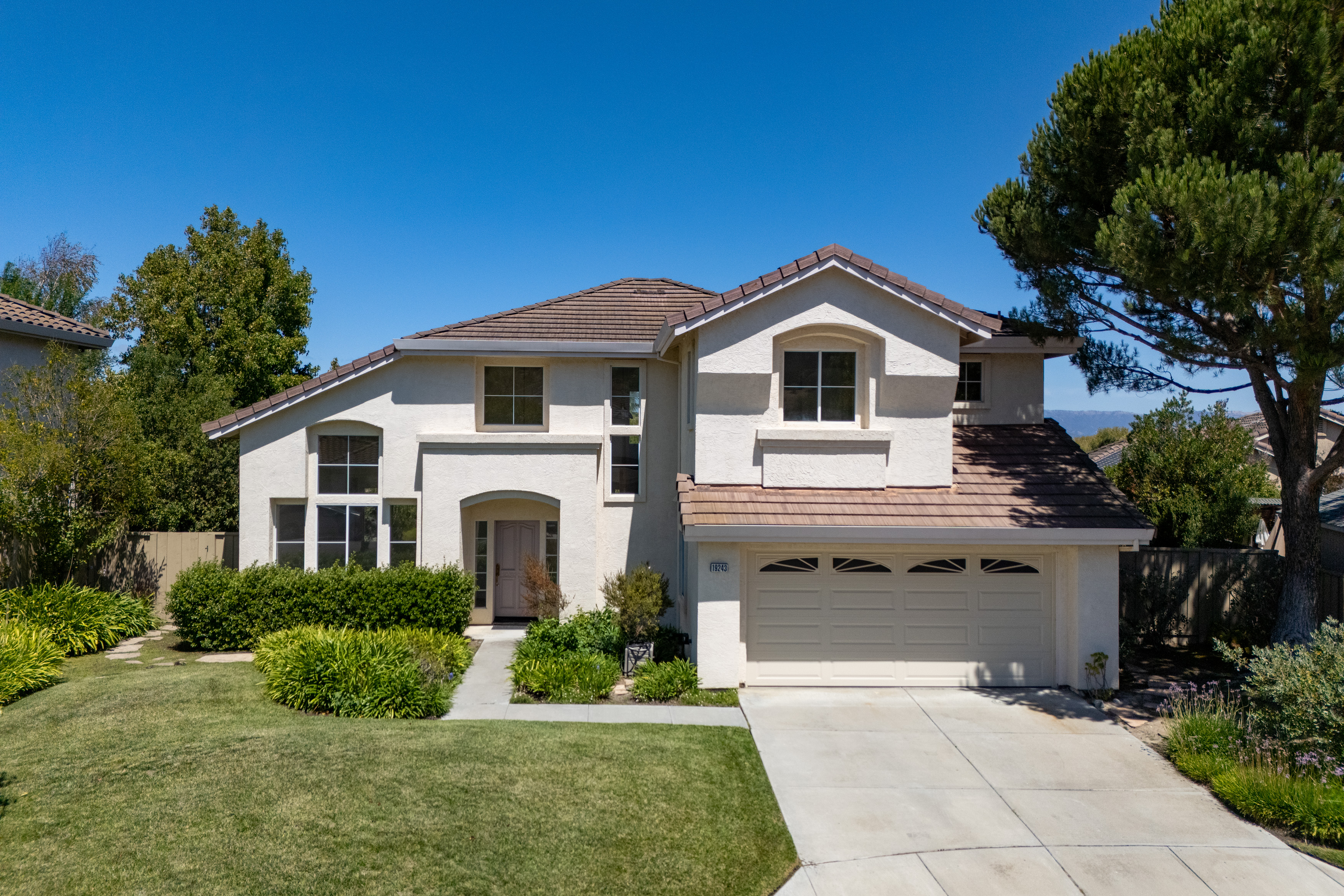
New Listing in Las Palmas Ranch II: 19243 Dovewood Court, Salinas, CA

19243 Dovewood Court home for sale in Las Palmas Ranch II, Salinas CA

Discover comfortable California living behind the gates of Las Palmas Ranch II at 19243 Dovewood Court in Salinas, California. Set on a quiet cul-de-sac in the desirable Highway 68 Corridor, this beautifully refreshed home combines an inviting floor plan, thoughtful updates, generous outdoor space, and convenient access to both Salinas and the Monterey Peninsula.

Offering approximately 1,818 square feet of living space, this 3-bedroom, 2.5-bath home sits on a spacious 6,588-square-foot lot. Fresh interior paint, new LED lighting, updated stainless steel appliances, soaring ceilings, and abundant natural light give the home a clean, welcoming and move-in-ready feel.

For buyers exploring Highway 68 Corridor homes for sale or Salinas real estate, 19243 Dovewood Court offers an appealing combination of location, community amenities, indoor comfort and outdoor space.

Inside 19243 Dovewood Court

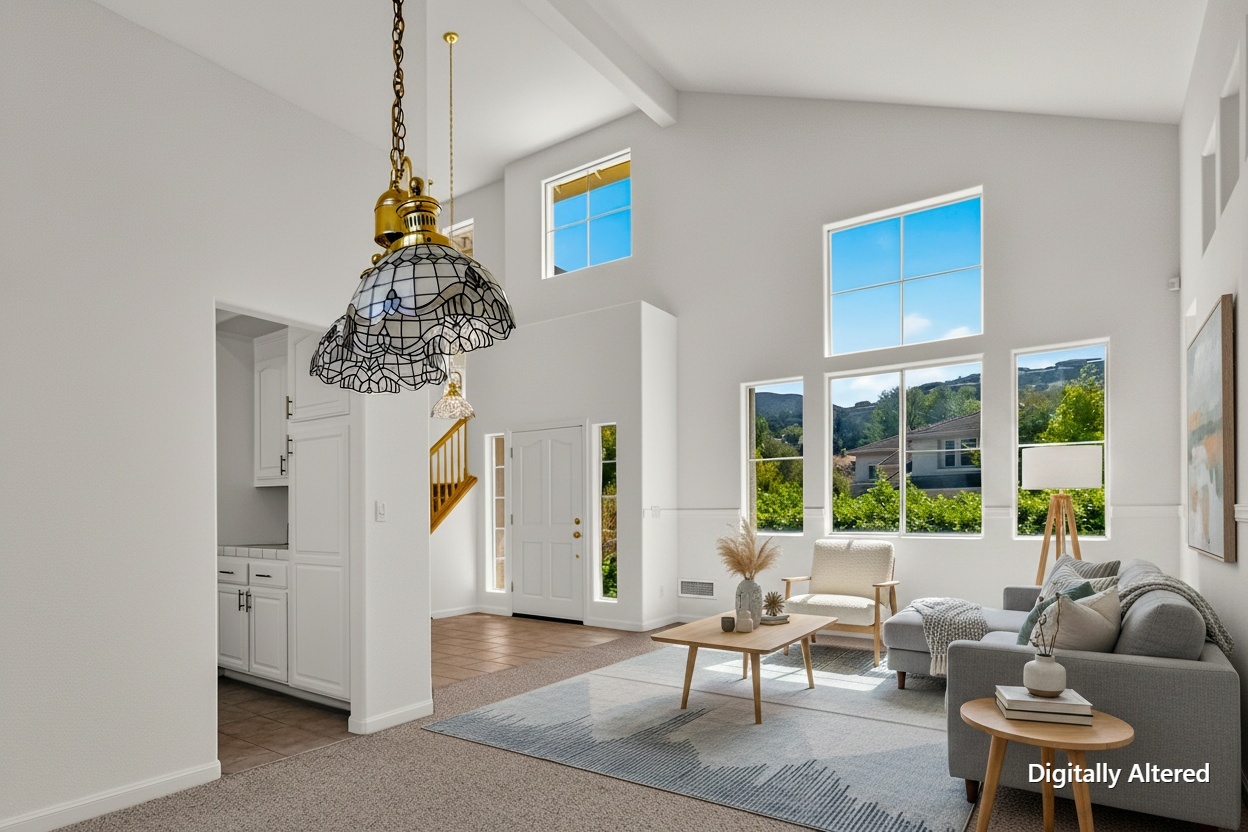
Family room with fireplace and high ceilings at 19243 Dovewood Court

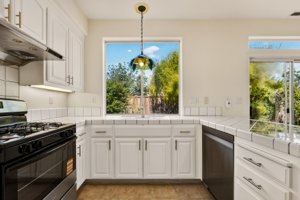
Kitchen with new stainless steel gas range and dishwasher at 19243 Dovewood CourtStep inside and one of the first things you'll notice is the sense of space created by high ceilings and abundant natural light. The well-designed floor plan provides comfortable areas for everyday living while maintaining an easy flow for entertaining family and friends.
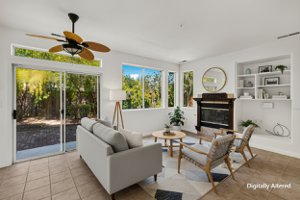
The family room fireplace provides a natural focal point and a warm gathering place. Fresh interior paint and new LED ceiling lighting give the home a crisp, updated appearance while allowing the next owner to easily personalize the space.

The kitchen has also been refreshed with a brand-new stainless steel gas range and dishwasher, complemented by a newer stainless steel refrigerator. Together, these improvements make the home even more ready for its next chapter.

Family room with fireplace and high ceilings at 19243 Dovewood Court

Key Features of This Las Palmas Ranch II Home

  • Approximately 1,818 square feet of living space
  • 3 bedrooms and 2.5 bathrooms
  • Approximately 6,588-square-foot lot
  • Desirable cul-de-sac location
  • Located behind the gates of Las Palmas Ranch II
  • Soaring ceilings and abundant natural light
  • Freshly painted interior
  • New LED ceiling lighting
  • Family room fireplace
  • Brand-new stainless steel gas range
  • Brand-new stainless steel dishwasher
  • Newer stainless steel refrigerator
  • Spacious primary suite
  • Attached two-car garage
  • Generous backyard with room for entertaining, gardening and outdoor enjoyment
  • Access to the Las Palmas Ranch II community swimming pool
  • Convenient access to schools serving the Las Palmas Ranch II area

Living in Las Palmas Ranch II

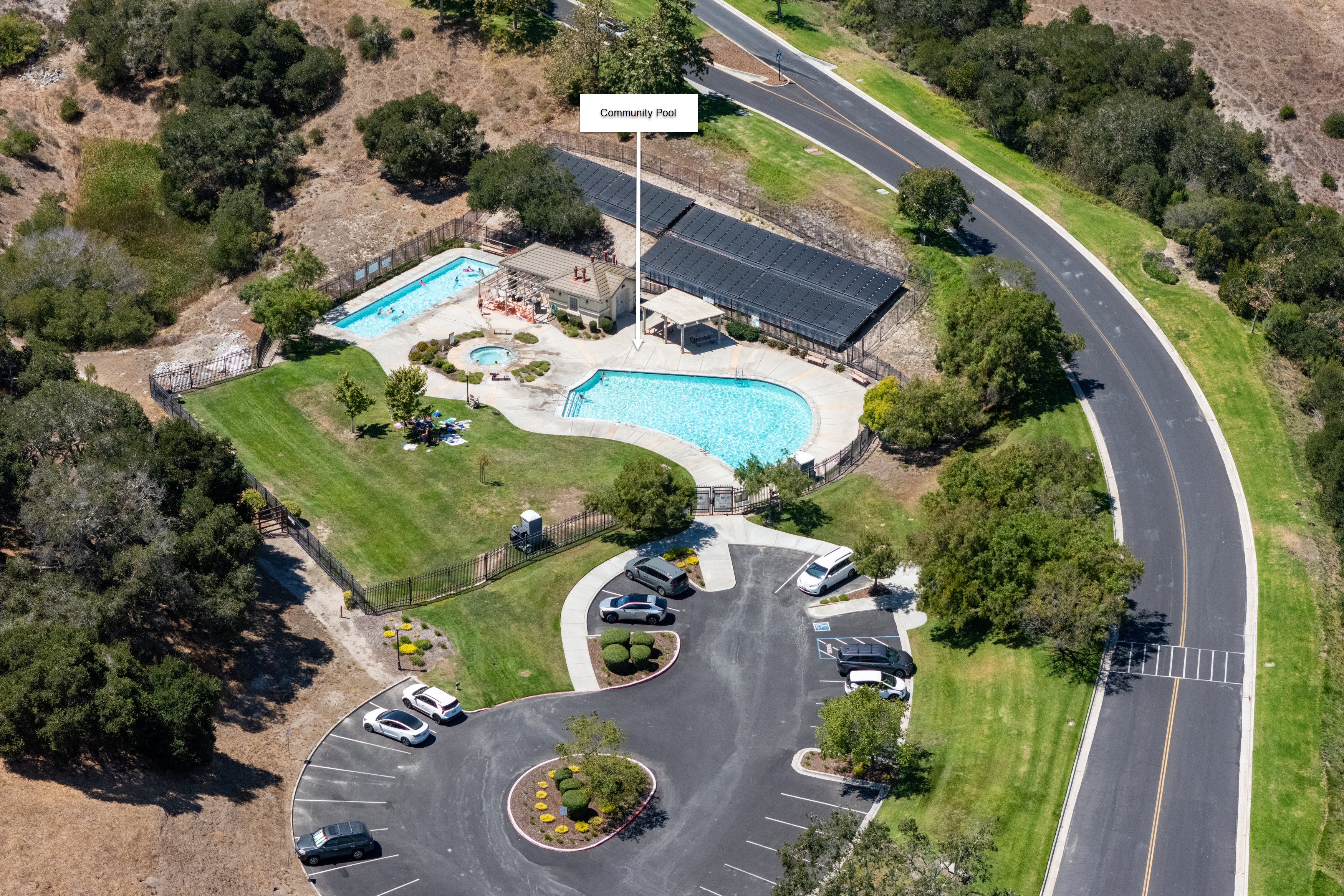
Las Palmas Ranch II community swimming pool in Salinas California

Las Palmas Ranch II has long appealed to buyers who appreciate the privacy and neighborhood atmosphere of a gated community while remaining within easy reach of Salinas and the Monterey Peninsula. Community amenities include a swimming pool, while the neighborhood's location provides convenient access to the Highway 68 Corridor.

The setting makes it possible to enjoy a residential environment while staying connected to shopping, dining, recreation, employment centers and the many attractions found throughout Monterey County.

If Las Palmas Ranch II is on your home-search list, you can also search current Highway 68 Corridor real estate and homes for sale to compare available properties throughout this part of Monterey County.

A Convenient Highway 68 Corridor Location

One of the advantages of living in Las Palmas Ranch II is its location between Salinas and the Monterey Peninsula. From 19243 Dovewood Court, residents can conveniently reach Salinas as well as Monterey, Carmel, Pacific Grove, Pebble Beach and other destinations throughout the Peninsula.

For buyers who want access to the coast while enjoying a more residential setting away from the immediate shoreline, the Highway 68 Corridor can offer an attractive alternative. Learn more and explore available properties on our Highway 68 Corridor real estate page.

Move-In Ready and Designed for Comfortable Living

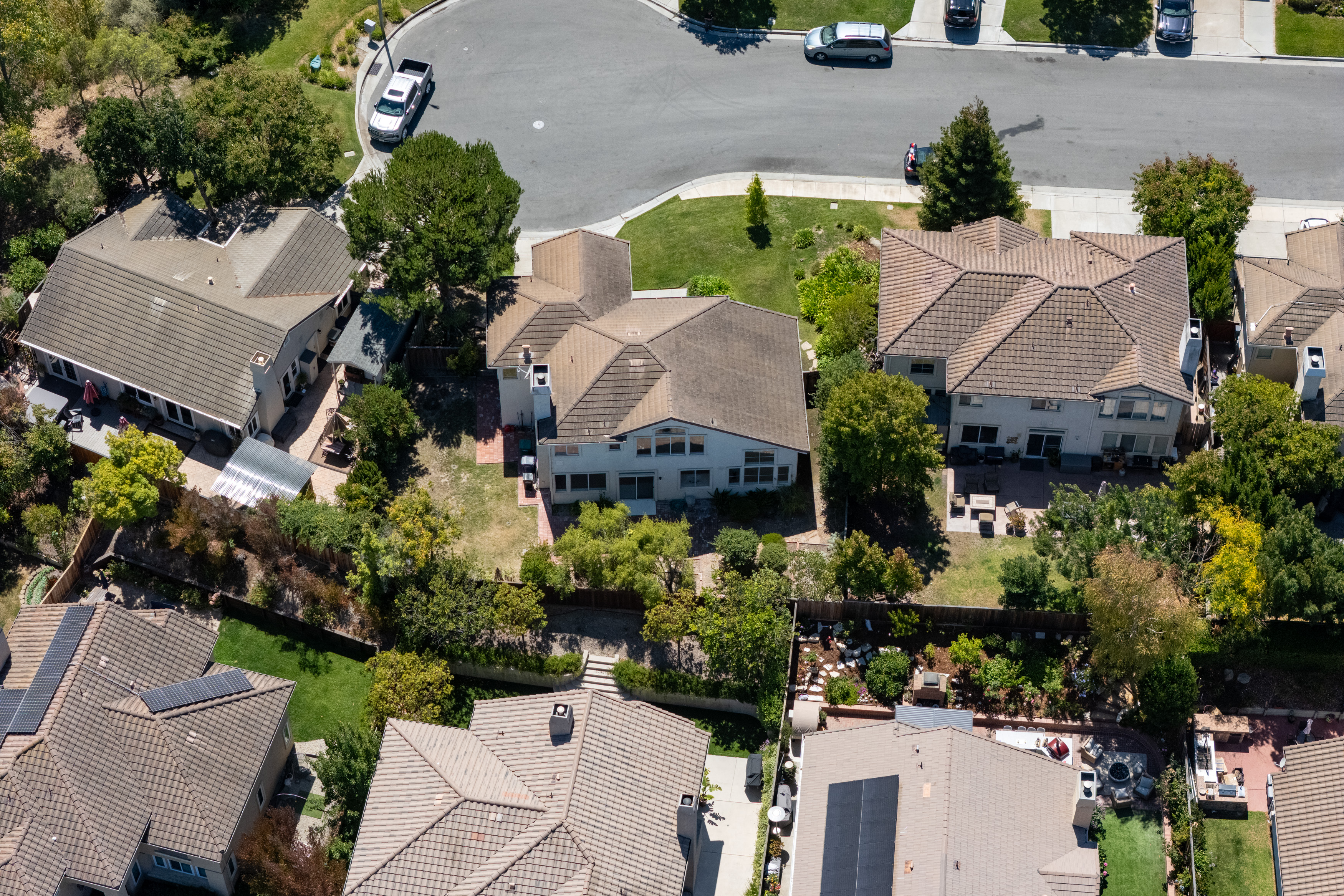
Cul-de-sac setting of 19243 Dovewood Court in Las Palmas

Homes that combine a gated setting, cul-de-sac location, three bedrooms, a spacious backyard, community amenities and convenient access to both Salinas and Monterey can be difficult to duplicate.

With its fresh interior paint, new lighting, stainless steel appliances, high ceilings, fireplace, attached two-car garage and generous outdoor space, 19243 Dovewood Court is ready for buyers looking to enjoy the Las Palmas Ranch II lifestyle.

If you are preparing to purchase a home in the area, you may also find our guide to the 10 Steps to Buying a Home on the Monterey Peninsula helpful as you prepare for your search.

Frequently Asked Questions About 19243 Dovewood Court

Where is 19243 Dovewood Court located?

19243 Dovewood Court is located in the gated Las Palmas Ranch II community in Salinas, California 93908. The community is situated along the Highway 68 Corridor with convenient access to both Salinas and the Monterey Peninsula.

How large is the home?

The home offers approximately 1,818 square feet of living space with 3 bedrooms and 2.5 bathrooms on an approximately 6,588-square-foot lot.

What improvements have been made to the property?

Recent improvements include fresh interior paint, new LED ceiling lighting, a brand-new stainless steel gas range, a brand-new stainless steel dishwasher and a newer stainless steel refrigerator.

Does Las Palmas Ranch II have community amenities?

Yes. Las Palmas Ranch II is a gated residential community and residents have access to a community swimming pool.

Does the home have outdoor space?

Yes. The property sits on an approximately 6,588-square-foot lot and includes a generous backyard with space for outdoor entertaining, gardening, play or relaxation.

How can I schedule a private showing of 19243 Dovewood Court?

Contact Mark Bruno, REALTOR® at (831) 917-8190 or mark.bruno@mphtre.com to schedule a private showing or request additional information.

Schedule a Private Showing of 19243 Dovewood Court

If you've been searching for a home for sale in Las Palmas Ranch II, Salinas, or along the Highway 68 Corridor, 19243 Dovewood Court deserves a closer look.

Contact Mark Bruno today to schedule a private showing, request additional property information, or learn more about homes for sale in Las Palmas Ranch II and throughout the Monterey Peninsula.

Mark Bruno, REALTOR®
Keller Williams Coastal Estates
Call or Text: (831) 917-8190
Email: mark.bruno@mphtre.com
About Mark: Mark Bruno, Monterey Peninsula REALTOR®
DRE #01715978

Ready to see it in person? Call or text Mark at (831) 917-8190 to arrange your private showing.

Aug. 15, 2026

Monterey Car Week Auctions: History, Records & Top 10

Monterey Car Week Auctions: History, Record Sales & the Most Expensive Cars Ever Sold

Originally published August 15, 2026 | Updated August 18, 2026 with final 2026 Monterey Car Week auction results

Ferrari 250 GTO chassis 3413 GT at RM Sotheby's Monterey auction in 2018
Ferrari 250 GTO chassis 3413 GT on display at RM Sotheby's Monterey in 2018. It later sold for $48.405 million. Photo: Prova MO / Wikimedia Commons, CC BY-SA 4.0.

Every August, the Monterey Peninsula becomes one of the most important marketplaces in the world for collector automobiles. Cars worth millions of dollars arrive in enclosed transporters. International collectors fill hotel ballrooms and auction venues. Bidding can jump by hundreds of thousands of dollars in seconds, and on exceptional evenings a single automobile can sell for more than many of the Peninsula's most spectacular estates.

Today, auctions are an essential part of Monterey Car Week. RM Sotheby's, Gooding Christie's, Broad Arrow, Bonhams, Mecum and other auction houses bring hundreds of collector automobiles to Monterey, Pebble Beach, Carmel and Carmel Valley.

It wasn't always that way.

The modern Monterey collector-car auction tradition traces its roots to 1986, when auctioneer Rick Cole recognized an opportunity created by the concentration of serious collectors already coming to the Monterey Peninsula for the Pebble Beach Concours d'Elegance and historic racing.

What began with a single pioneering auction grew into an international marketplace where some of the most valuable automobiles ever offered publicly have changed hands.

Monterey Car Week Auction Facts at a Glance

  • First dedicated Monterey collector-car auction: Rick Cole Auctions, 1986
  • First auction at the Pebble Beach Concours: 1990
  • RM's Monterey era began: 1997
  • Gooding's inaugural Pebble Beach sale: 2004
  • Mecum's first Monterey auction: 2009
  • Broad Arrow's first auction: Monterey, 2022
  • Most expensive Monterey auction sale through 2026: 1962 Ferrari 250 GTO — $48,405,000
  • Most expensive American car sold at auction: 1964 Shelby Cobra Daytona Coupe — $42,905,000
  • Most expensive new car sold at auction: 2026 Ferrari Luce "Tailor Made" — $40,000,000
  • Most expensive British-built car sold at auction: 1996 McLaren F1 GTR — $34,655,000
  • Ferraris among Monterey's current all-time Top 10: 8

2026 UPDATE: Monterey Car Week's 2026 auctions dramatically reshaped the all-time record books. Three cars entered Monterey's 10 highest auction sales: a 1964 Shelby Cobra Daytona Coupe sold for $42.905 million, a one-of-a-kind 2026 Ferrari Luce "Tailor Made" sold for $40 million, and the 1996 McLaren F1 GTR known as the "Pop Art F1" sold for $34.655 million. The 1962 Ferrari 250 GTO sold in 2018 for $48.405 million remains Monterey's all-time auction record.

Before the Auctions: Pebble Beach Creates an Automotive Tradition

Ferrari 250 Testa Rossa automobiles at the Pebble Beach Concours d'Elegance
A Ferrari 250 Testa Rossa at the Pebble Beach Concours d'Elegance. Photo: LarryStevens / Wikimedia Commons, CC0.

To understand why the auctions became so successful, it helps to understand what already existed on the Monterey Peninsula.

The first Pebble Beach Concours d'Elegance was held in 1950 alongside the inaugural Pebble Beach Road Race. The race was actually the principal attraction in those early years, with the Concours serving as a stylish companion event.

Over time, the Concours evolved into one of the world's most prestigious celebrations of automotive design and history, while racing eventually moved from the roads of the Del Monte Forest to Laguna Seca.

That story is explored in much greater detail in our history of the Pebble Beach Concours d'Elegance.

By the 1980s, Pebble Beach weekend was already drawing exactly the people an elite collector-car auction needed: serious collectors, racers, restoration experts, dealers, historians and wealthy enthusiasts from around the world.

Someone simply needed to connect those buyers with great cars for sale.

1986: Rick Cole Creates the First Monterey Collector-Car Auction

That person was Rick Cole.

Cole had entered the collector-car business as a teenager and later established his own auction company. In 1986, he created what he describes as the first Monterey Auction, taking advantage of the audience already gathered for Pebble Beach weekend.

The idea seems obvious today. At the time, it represented an important change in the economics of the collector-car weekend.

The world's most serious enthusiasts were already in one place. Now they could not only race, exhibit and admire important automobiles; they could buy and sell them publicly.

Within only a few years, seven-figure auction results were becoming possible. Cole's company reports that by the late 1980s he had already sold more than a dozen automobiles for over $1 million, including a Ferrari 250 P race car for $2.8 million in 1988.

1990: Auctions Reach the Pebble Beach Concours

The relationship between auctions and Pebble Beach became even more direct in 1990.

David Gooding, who would later establish Gooding & Company, helped organize the first auction held at the Pebble Beach Concours that year.

That milestone helped establish a pattern that continues today: the auction calendar and the Concours are separate events, but the extraordinary concentration of important automobiles and knowledgeable collectors makes them natural companions.

How Monterey's Auction Scene Expanded

Over the following decades, Monterey auction week evolved from a pioneering sale into a competitive international marketplace.

1950 — The Automotive Foundation

The Pebble Beach Concours d'Elegance and Pebble Beach Road Races begin, creating the automotive tradition around which the future Monterey Car Week would grow.

1986 — Rick Cole Launches the Monterey Auction

Rick Cole creates the first dedicated Monterey collector-car auction during Pebble Beach weekend.

1990 — The First Auction at the Pebble Beach Concours

David Gooding helps organize the first auction held in connection with the Concours.

1997 — RM Begins Its Monterey Era

RM's ownership of the Monterey Auction begins in 1997. The sale eventually becomes one of RM Sotheby's flagship events and one of the most important high-end collector-car auctions in the world.

Late 1990s and Early 2000s — More Auction Houses Arrive

The Monterey marketplace expands significantly. Bonhams establishes its long-running Quail Lodge sale, while Russo and Steele joins the Monterey auction scene around the beginning of the new century, increasing both the variety of cars and the number of auction formats available to collectors.

2004 — Gooding & Company Debuts at Pebble Beach

Gooding & Company holds its inaugural Pebble Beach auction in 2004 and goes on to become the official auction house of the Pebble Beach Concours d'Elegance. The company became Gooding Christie's following Christie's acquisition at the end of 2024.

2009 — Mecum Comes to Monterey

Mecum holds its inaugural Monterey auction in August 2009. The first sale produced a headline result when Shelby Cobra Daytona Coupe CSX2601 sold for $7.25 million, then a record-setting figure for an American automobile.

2013 — The N.A.R.T. Spider Reaches $27.5 Million

RM sells a 1967 Ferrari 275 GTB/4*S N.A.R.T. Spider for $27.5 million. One of only ten built, the car instantly becomes one of the defining Monterey auction sales of its era.

2014 — A Ferrari 250 GTO Sells for $38.115 Million

At Quail Lodge, Bonhams sells Ferrari 250 GTO chassis 3851GT for $38,115,000, establishing a new world auction record for an automobile at the time.

2016 — A Le Mans-Winning Jaguar Makes History

RM Sotheby's sells Jaguar D-Type chassis XKD 501, winner of the 1956 24 Hours of Le Mans, for $21.78 million.

2017 — Aston Martin Joins the Record Books

Aston Martin DBR1/1 sells for $22.55 million at RM Sotheby's, becoming the most valuable British automobile sold at auction at the time.

2018 — Monterey's $48.405 Million Ferrari

RM Sotheby's sells Ferrari 250 GTO chassis 3413 GT for $48.405 million. The result sets a new world auction record for an automobile at the time and remains the highest public Monterey Car Week auction sale through 2026.

2022 — Broad Arrow Enters the Market

Broad Arrow holds its first-ever live auction at the Monterey Jet Center. The inaugural sale generates approximately $55.3 million, demonstrating that even decades after the first Monterey auction there remained room for another significant international auction house.

That same year, RM Sotheby's 25th annual Monterey sale produces more than $239 million in sales, illustrating just how enormous the Monterey collector-car marketplace had become.

2023 — The Ferrari 412P Breaks $30 Million

Bonhams sells 1967 Ferrari 412P chassis 0854 for $30.255 million at The Quail Auction, placing another historically significant competition Ferrari near the top of Monterey's all-time results.

2025 — Two More Ferraris Enter the Top 10

RM Sotheby's sells the unique Ferrari Daytona SP3 "Tailor Made" 599+1 charity car for $26 million, while Gooding Christie's sells a 1961 Ferrari 250 GT SWB California Spider Competizione for $25.305 million.

2026 — Three Extraordinary Sales Reshape Monterey's Record Books

Monterey Car Week's 2026 auctions produced one of the most remarkable groups of high-dollar sales in the event's history.

At Gooding Christie's Pebble Beach Auctions, the 1964 Shelby Cobra Daytona Coupe chassis CSX2300 sold for $42,905,000. One of only six Cobra Daytona Coupes created to challenge Ferrari's 250 GTO, CSX2300 participated in Shelby American's historic 1965 FIA GT Championship campaign and was personally owned by Carroll Shelby from 1975 until 1998. The sale established a new world auction record for an American automobile.

RM Sotheby's produced two more extraordinary results.

Ferrari's one-off 2026 Luce "Tailor Made" Chassis 0 sold for $40,000,000. The first production chassis of Ferrari's new Luce program was auctioned for charity, with proceeds benefiting educational initiatives through the Ferrari Foundation. RM Sotheby's reported that the result established a new world record for a new automobile sold at auction.

Then the 1996 McLaren F1 GTR chassis 10R, better known as the "Pop Art F1," sold for $34,655,000. The factory prototype was once owned for approximately 25 years by Pink Floyd drummer and noted car collector Nick Mason. Its Monterey result established public-auction records for both a McLaren and a British-built automobile.

The 2026 auction map changed as well. Broad Arrow moved from the Monterey Jet Center to become the official auction partner of The Quail, A Motorsports Gathering, hosting its sale in Carmel Valley. Bonhams, after its long Quail Lodge tradition, introduced a new Laguna Seca Auction at WeatherTech Raceway Laguna Seca.

Four decades after Rick Cole's first auction, Monterey's collector-car marketplace continues to evolve.

The 10 Most Expensive Cars Sold at Monterey Car Week Auctions

The following ranking uses published auction-house sale prices and is updated through the completed 2026 Monterey Car Week auctions.

Ferrari Daytona SP3 similar to the Tailor Made example sold at Monterey Car Week
Ferrari Daytona SP3, the model represented by the special 599+1 Tailor Made example that sold in Monterey for $26 million in 2025. Photo: Calreyn88 / Wikimedia Commons, CC0.
Rank Car Year Sold Auction House Sale Price
1 1962 Ferrari 250 GTO by Scaglietti 2018 RM Sotheby's $48,405,000
2 1964 Shelby Cobra Daytona Coupe CSX2300 2026 Gooding Christie's $42,905,000
3 2026 Ferrari Luce "Tailor Made" Chassis 0 2026 RM Sotheby's $40,000,000
4 1962–63 Ferrari 250 GTO Berlinetta 2014 Bonhams $38,115,000
5 1996 McLaren F1 GTR chassis 10R 2026 RM Sotheby's $34,655,000
6 1967 Ferrari 412P Berlinetta 2023 Bonhams $30,255,000
7 1967 Ferrari 275 GTB/4*S N.A.R.T. Spider 2013 RM Auctions $27,500,000
8 1964 Ferrari 275 GTB/C Speciale 2014 RM Auctions $26,400,000
9 2025 Ferrari Daytona SP3 "Tailor Made" 2025 RM Sotheby's $26,000,000
10 1961 Ferrari 250 GT SWB California Spider Competizione 2025 Gooding Christie's $25,305,000

Note: Published auction-house sale prices are used for consistency. Where applicable, prices may include buyer's premium. Charity sales—including the Ferrari Luce and Ferrari Daytona SP3—are included according to the auction houses' published sale figures. This ranking compares reported auction results and should not be interpreted as an appraisal of ordinary private-market value.

#1: The $48.405 Million Ferrari 250 GTO

No Monterey auction result better illustrates the transformation of the collector-car market than the Ferrari that topped RM Sotheby's 2018 Monterey sale.

The 1962 Ferrari 250 GTO, chassis 3413 GT, sold for $48,405,000.

Only 36 examples of the original 250 GTO series were built, and chassis 3413 GT had an extensive period competition history. Its 2018 sale exceeded the public-auction record established by another GTO at Monterey four years earlier by more than $10 million.

At the time, it became the most valuable automobile ever sold at public auction.

Although the global auction record has since moved higher at a sale outside Monterey, $48.405 million remains the Monterey Car Week auction record through 2026.

The $42.905 Million Shelby Cobra Daytona Coupe: America Enters Monterey's Top Two

The most important change to Monterey's all-time ranking in 2026 came from an American racing car created specifically to challenge Ferrari.

Gooding Christie's sold the 1964 Shelby Cobra Daytona Coupe chassis CSX2300 for $42,905,000 at its Pebble Beach auction.

The result made CSX2300 the second-highest auction sale in Monterey Car Week history and established a new world auction record for an American automobile.

Its pedigree helps explain the extraordinary price. CSX2300 is one of only six Cobra Daytona Coupes built as Shelby American's answer to Ferrari's 250 GTO. It debuted at the 1964 Tour de France Automobile, participated in Shelby American's historic 1965 FIA GT Championship campaign and continued racing in Japan after the factory program ended.

Its provenance is equally remarkable: Carroll Shelby personally owned the car from 1975 until 1998. According to Gooding Christie's, it is the only one of the six Daytona Coupes ever personally owned by Shelby himself.

The sale is especially appropriate in Monterey, where the rivalry between Ferrari, Shelby, European road racing and American motorsport has been celebrated for generations.

The $40 Million Ferrari Luce: A New-Car Auction Record

The third-highest Monterey auction result came from a car at the opposite end of the historical spectrum.

RM Sotheby's sold the 2026 Ferrari Luce "Tailor Made" Chassis 0 for $40,000,000.

The car is the first production chassis of Ferrari's Luce program and represents the first production example of Ferrari's first fully electric automobile.

Ferrari offered Chassis 0 as a charity lot, with proceeds benefiting educational initiatives through the Ferrari Foundation. RM Sotheby's reported that the $40 million result made it the most expensive new automobile ever sold at auction.

The sale also illustrates how Monterey's auction market has evolved. A Top 10 once dominated almost entirely by historically significant racing and sports cars now includes a brand-new automobile whose significance comes from technology, design, rarity, philanthropy and its position at the beginning of a new chapter for Ferrari.

The $34.655 Million "Pop Art" McLaren F1 GTR

Another modern competition icon entered Monterey's all-time Top 10 in 2026.

RM Sotheby's sold 1996 McLaren F1 GTR chassis 10R for $34,655,000.

Known as the "Pop Art F1," chassis 10R was the first McLaren F1 GTR produced to the highly developed 1996 specification and one of only two short-tail factory prototype GTRs.

The car was retained by McLaren early in its life and participated in testing connected with the 1996 24 Hours of Le Mans. It was later converted by the factory for road use.

Its cultural history adds another dimension. Pink Floyd drummer and noted automobile collector Nick Mason acquired the car directly from McLaren in 1999 and owned it for approximately 25 years.

The $34.655 million Monterey result made chassis 10R the most expensive McLaren and most expensive British-built automobile ever sold at public auction.

The Ferrari Factor: 8 of Monterey's Top 10

Despite the arrival of two spectacular non-Ferrari entries in 2026, Ferrari still occupies eight of the ten positions among Monterey Car Week's highest auction sales.

The remarkable difference is which two cars have broken Ferrari's hold on the list.

The 1964 Shelby Cobra Daytona Coupe now sits at No. 2 with its $42.905 million result, while the 1996 McLaren F1 GTR enters at No. 5 at $34.655 million.

The eight Ferraris aren't simply expensive road cars. The list includes two 250 GTOs, the 412P, N.A.R.T. Spider, 275 GTB/C Speciale, California Spider Competizione, Daytona SP3 and the new Ferrari Luce.

Together they span more than six decades of Ferrari history—from the golden age of international GT racing to today's hypercars and electrification.

Historic Record-Setters Just Outside Today's Top 10

Three automobiles that previously occupied positions near the bottom of Monterey's all-time Top 10 were displaced by the extraordinary 2026 results. They remain important pieces of Monterey auction history.

The Aston Martin DBR1: $22.55 Million

When Aston Martin DBR1/1 sold at RM Sotheby's Monterey auction in 2017 for $22.55 million, it established the auction record for a British automobile at the time.

It was the first of only five DBR1s built and had been raced by drivers including Stirling Moss, Carroll Shelby, Jack Brabham and Roy Salvadori.

That British-car auction record has now passed to the $34.655 million McLaren F1 GTR sold in Monterey in 2026, but the DBR1 remains one of the defining competition cars ever offered during Car Week.

Aston Martin DBR1/1 at Pebble Beach
Aston Martin DBR1/1 at Pebble Beach. DBR1/1 sold at RM Sotheby's Monterey in 2017 for $22.55 million. Photo: Rex Gray / Wikimedia Commons, CC BY 2.0.

The 1955 Ferrari 410 Sport and Carroll Shelby

The Ferrari 410 Sport Spider that brought $22.005 million at Monterey in 2022 carried its own remarkable American racing connection.

Chassis 0598 CM had been driven by Juan Manuel Fangio as a Scuderia Ferrari team car before becoming closely associated with Carroll Shelby. According to RM Sotheby's, Shelby won eight races driving this particular Ferrari—more victories than he achieved in any other single car during his driving career.

Ferrari 410 Sport chassis 0598 CM at RM Sotheby's Monterey auction
Ferrari 410 Sport chassis 0598 CM at RM Sotheby's Monterey in 2022. The car sold for $22.005 million. Photo: Prova MO / Wikimedia Commons, CC BY-SA 4.0.

The Le Mans-Winning Jaguar D-Type: $21.78 Million

Jaguar D-Type chassis XKD 501 won the 1956 24 Hours of Le Mans for Ecurie Ecosse. Sixty years later, RM Sotheby's sold it in Monterey for $21.78 million.

Although the D-Type has now been pushed outside the current Top 10, its Le Mans victory and remarkable state of preservation make it one of the most historically important automobiles ever auctioned during Monterey Car Week.

Why Did Monterey Become Such an Important Place to Sell Collector Cars?

There are prestigious automotive auctions elsewhere in the world, so why Monterey?

The answer is larger than the auctions themselves.

For one week each August, the Monterey Peninsula creates an extraordinary concentration of collectors, historic automobiles, racing personalities, manufacturers, restorers, dealers and enthusiasts.

The Pebble Beach Concours provides international prestige. Historic racing at Laguna Seca adds competition heritage. The Quail, marque gatherings, manufacturer events, rallies and dozens of smaller gatherings broaden the audience.

Most importantly, the Monterey Peninsula provides a setting that feels appropriate for the cars.

The forest roads of Pebble Beach, the Pacific coastline, Carmel, the historic hotels and golf resorts, Laguna Seca and the scenic routes connecting them create an experience that would be difficult to reproduce elsewhere.

The setting has been part of the Peninsula's identity for much longer than Car Week itself. The story goes back through the early resorts, roads and recreational traditions explored in our history of 17-Mile Drive.

Monterey Car Week Is About More Than Cars

Car Week is extraordinary partly because it magnifies qualities that already define the Monterey Peninsula: scenery, history, architecture, recreation, hospitality and a distinct sense of place.

Visitors may initially come for a Ferrari, a race at Laguna Seca, an auction or Dawn Patrol at Pebble Beach. Along the way, they experience Carmel Bay, the Del Monte Forest, Pacific Grove, Carmel-by-the-Sea, Monterey and Carmel Valley.

That is also part of the appeal of living in Pebble Beach. The ocean, golf courses and forest that provide the backdrop for one of the world's great automotive weeks are part of everyday life during the other 51 weeks of the year.

For those interested in making the area more than an annual destination, you can also explore current Pebble Beach real estate and homes for sale.

What the 2026 Results Tell Us About the Future of Monterey Auctions

The 2026 results also illustrate how the definition of a blue-chip collector automobile continues to expand.

The No. 1 and No. 2 cars on Monterey's all-time list—the Ferrari 250 GTO and Shelby Cobra Daytona Coupe—come directly from the great international GT battles of the 1960s.

But the new No. 3 is a 2026 Ferrari electric car, and the new No. 5 is a 1990s McLaren hypercar and competition prototype.

Collectors increasingly pursue significant supercars, hypercars and modern competition automobiles alongside the traditional prewar classics and 1950s and 1960s sports racers that once dominated the upper end of the market.

At the same time, Monterey's auction geography continues to evolve. Broad Arrow's move to The Quail and Bonhams' move to Laguna Seca demonstrate that even established Car Week traditions are capable of change.

But the fundamental attraction Rick Cole recognized in 1986 remains unchanged:

For a few days each year, many of the world's most important cars and many of the people most capable of buying them are gathered on the Monterey Peninsula at the same time.

That combination has turned a single auction experiment into one of Monterey Car Week's defining traditions.

Frequently Asked Questions About Monterey Car Week Auctions

When was the first Monterey Car Week collector-car auction?

Rick Cole created the first dedicated Monterey collector-car auction in 1986 during Pebble Beach weekend. The sale helped establish the auction component that later became an important part of Monterey Car Week.

When was the first car auction held at the Pebble Beach Concours?

The first auction at the Pebble Beach Concours was organized in 1990. Future Gooding & Company founder David Gooding helped organize that inaugural Pebble Beach auction.

What is the most expensive car ever sold at a Monterey Car Week auction?

Through the completed 2026 Monterey Car Week auctions, the record remains the 1962 Ferrari 250 GTO chassis 3413 GT sold by RM Sotheby's in 2018 for $48,405,000.

What is the most expensive American car ever sold at auction?

The 1964 Shelby Cobra Daytona Coupe chassis CSX2300 sold at Gooding Christie's Pebble Beach auction in 2026 for $42,905,000, establishing a new world auction record for an American automobile.

What is the most expensive British-built car ever sold at auction?

The 1996 McLaren F1 GTR chassis 10R sold at RM Sotheby's Monterey auction in 2026 for $34,655,000, establishing auction records for both a McLaren and a British-built automobile.

What is the most expensive new car ever sold at auction?

RM Sotheby's sold the 2026 Ferrari Luce "Tailor Made" Chassis 0 in Monterey for $40,000,000. RM Sotheby's reported that the charity sale established the world auction record for a new automobile.

What are the major Monterey Car Week auction houses?

Major auction houses participating in Monterey Car Week in recent years have included RM Sotheby's, Gooding Christie's, Broad Arrow, Bonhams and Mecum. Historically, Rick Cole Auctions and Russo and Steele also played important roles in the development of the Monterey auction scene.

Are the Monterey Car Week auctions part of the Pebble Beach Concours d'Elegance?

No. The auctions and Pebble Beach Concours d'Elegance are separate events held during the broader Monterey Car Week. Gooding Christie's is the official auction house of the Pebble Beach Concours, while other independent auctions take place throughout Monterey and the surrounding area.

Why are so many important cars auctioned in Monterey?

Monterey Car Week brings together an unusually concentrated international audience of collectors, dealers, historians, manufacturers and enthusiasts. The Pebble Beach Concours, historic racing at Laguna Seca and numerous other automotive events make the Peninsula an especially attractive marketplace for important collector cars.

How many of Monterey's 10 most expensive auction sales are Ferraris?

Through the completed 2026 Monterey Car Week auctions, eight of the ten most expensive published Monterey auction sales are Ferraris. The two non-Ferraris are the 1964 Shelby Cobra Daytona Coupe and the 1996 McLaren F1 GTR.

Explore More Monterey Peninsula History and Lifestyle

Sources & Further Reading

About the Author

Mark Bruno is a Monterey Peninsula real estate professional with the Monterey Peninsula Home Team at Keller Williams, serving buyers and sellers throughout Pebble Beach, Carmel, Pacific Grove, Monterey, Carmel Valley and the surrounding communities.

Search Monterey Peninsula Homes

Aug. 13, 2026

The History of the Pebble Beach Concours d’Elegance: 75 Years of Automotive Excellence

1921 Kissel 6-45 Gold Bug Speedster - Best in Class - 2018 Pebble Beach Concours d'Elegance

Every August, the Monterey Peninsula becomes the center of the automotive world. Rare competition cars return to the racetrack, collectors gather at auctions and private events, manufacturers reveal new models, and extraordinary automobiles appear on roads where they are almost never seen during the rest of the year.

The week reaches its traditional finale on the 18th fairway of Pebble Beach Golf Links, where the Pebble Beach Concours d’Elegance brings together some of the most significant and beautifully preserved automobiles in existence.

This year carries special meaning. On Sunday, August 16, 2026, the Concours celebrates its 75th edition. Yet the event did not begin as the centerpiece of a global automotive week. It started in 1950 as a relatively modest and last-minute social companion to a road race through Del Monte Forest.

That unlikely beginning is one of the best parts of the Pebble Beach Concours d’Elegance history. The car show that was once secondary to the racing ultimately outlived it, grew far beyond it, and helped make the Monterey Peninsula synonymous with automotive excellence.

What Does “Concours d’Elegance” Mean?

The French phrase concours d’élégance is generally translated as a “competition of elegance.” Its roots reach back to European gatherings in which fashionable owners presented elegant vehicles for public admiration and judging.

By the 1920s and 1930s, concours events in Paris and elsewhere on the continent had become important showcases for new automobiles and custom coachwork. The cars were not simply transportation. They were rolling expressions of design, craftsmanship, engineering, and personal style.

Pebble Beach drew inspiration from that European tradition. The first events also concentrated on contemporary automobiles rather than the historic classics most people associate with the Concours today. In fact, a new car won Best of Show in each of the first five years.

The meaning of “elegance” has broadened with the event. Today, invited cars are considered not only for their visual presence but also for their technical merit, history, provenance, and the quality and accuracy of their preservation or restoration. Winning a class at Pebble Beach is a major accomplishment. Earning Best of Show is one of the highest honors in the collector-car world.

A Last-Minute Addition to the Pebble Beach Road Races

The first Pebble Beach Concours d’Elegance and the first Pebble Beach Road Race were held together on November 5, 1950.

The Peninsula’s motoring history reached even farther back. From 1903 through 1907, automobile races were held on the horse track at Hotel Del Monte. The hotel, its grounds, and the scenic route that became 17-Mile Drive played a defining role in the region’s evolution from a railroad-era resort to an internationally known destination. You can explore that earlier chapter in the history of Hotel Del Monte.

By 1950, the road race was the main attraction. Sports cars competed on a challenging course laid out over narrow, tree-lined roads in Del Monte Forest. The setting was beautiful, but it was also demanding: drivers raced past pines and cypress trees on roads bordered by little more than temporary barriers and hay bales.

The Concours was added as a social event to bring another measure of style to the weekend. Cars were displayed and judged in a nearby field before being paraded along the racecourse’s start-finish straight. It was a fitting combination of two sides of the automobile—performance and elegance—but few could have predicted which event would become the enduring institution.

The early Concours was more informal than today’s meticulously orchestrated gathering. Even so, the ingredients of the modern event were already present: remarkable cars, influential owners, design, competition, and a setting that could not easily be duplicated anywhere else.

Sterling Edwards, Phil Hill, and a Remarkable First Year

One person was central to the inaugural weekend: sportsman and aspiring automobile builder Sterling Edwards. Edwards helped inspire the Pebble Beach Road Races and entered his own creation, the Edwards R-26 Special Sport Roadster, in both the racing weekend and the Concours.

The R-26 earned the first Best of Show award in Pebble Beach Concours history. Ironically, that was not the prize Edwards most wanted. His ambition was focused on the road race.

The first Pebble Beach Cup instead went to a young Phil Hill. Hill would become one of the most important American racing drivers of his generation and, in 1961, the first American-born driver to win the Formula One World Drivers’ Championship. His story would remain closely linked to Pebble Beach.

Five years after winning that first race, Hill returned to the Concours with a very different automobile: a 1931 Pierce-Arrow 41 LeBaron Convertible Town Cabriolet. The Pierce-Arrow was a car he knew personally—he had learned to drive in it—and in 1955 it became the first classic automobile to win Best of Show at Pebble Beach.

That victory marked a turning point.

The Shift From New Automobiles to Great Classics

During its earliest years, Pebble Beach followed the European model by celebrating new production cars and contemporary designs. Winners included the Edwards R-26, Jaguar sedans and sports cars, and an Austin-Healey 100.

The 1955 victory by Phil Hill’s prewar Pierce-Arrow signaled that the event was developing a different identity. Instead of concentrating primarily on what was new, Pebble Beach increasingly honored historically important automobiles and the artistry of earlier eras.

The following year, a 1930 Bugatti Type 37 Grand Prix won Best of Show. Bugatti would go on to become one of the event’s most successful marques. In 1958, collector J.B. Nethercutt earned the first of his record six Best of Show victories with a meticulously restored 1930 duPont Model G Merrimac Town Car, helping establish the extraordinary restoration standards now associated with Pebble Beach.

As the field evolved, the Concours became a place where automotive history could be studied in three dimensions. Custom coachwork, racing innovations, one-off commissions, landmark engineering, and the individual stories of owners and designers all became part of the competition.

The result is not a conventional car show. The automobiles invited to Pebble Beach are often irreplaceable cultural objects. Some represent the height of a celebrated marque. Others survived war, neglect, competition, or decades out of public view. Many require years of research and craftsmanship before they are ready for the show field.

When Racing Left the Roads of Del Monte Forest

The road races and the Concours continued together through 1956. That year, racer Ernie McAfee was killed in an accident on the forest circuit, bringing competition on those tight public roads to an end.

A purpose-built track was constructed inland, and racing moved to Laguna Seca in 1957. The change created a safer, permanent home for local motorsports and began another Monterey Peninsula tradition that continues today through WeatherTech Raceway Laguna Seca and the Rolex Monterey Motorsports Reunion.

The Concours remained in Pebble Beach.

This separation allowed the two traditions to develop independently. Laguna Seca became famous for competition and its dramatic Corkscrew turn. Pebble Beach became the stage on which the world’s great automobiles were evaluated as works of design, engineering, and history.

The early racecourse is no longer active, but its story remains embedded in the landscape. Anyone familiar with the history of 17-Mile Drive knows how closely the roads, hotels, golf courses, coastal scenery, and defining events of Pebble Beach have always been connected.

From a Local Gathering to an International Standard

1935 Duesenberg J Gurney Nutting Speedster - svr

Over the decades, the Pebble Beach Concours d’Elegance grew in both ambition and influence. Entry became highly selective. International collectors began sending historically important cars to California specifically for the event. Restoration teams planned projects around a hoped-for appearance on the 18th fairway.

The judging also became more exacting. Specialists examine cars according to class and consider their history, engineering, authenticity, presentation, and elegance. A beautiful restoration alone is not enough. Documentation matters. Correct components matter. The details of a coachbuilder’s work, a chassis’s competition record, and even changes made by an original owner can affect how an automobile is understood.

That rigor is balanced by something more emotional. At its best, the Concours is not merely a search for perfection. It is a celebration of character—of proportions, craftsmanship, innovation, and the idea that an automobile can express the culture and ambition of its time.

The setting magnifies that experience. Early-morning fog often hangs over the fairway as cars arrive for Dawn Patrol. As the sky clears, chrome, lacquer, brass, polished wood, and hand-formed bodywork appear against a backdrop of Monterey pines, Carmel Bay, and the Pacific Ocean.

Few venues could make the cars look more at home.

The Pebble Beach Tour d’Elegance: Proving the Cars Can Be Driven

One of the most popular traditions of the modern event is the Pebble Beach Tour d’Elegance, introduced in 1998.

The Tour was created in part to counter the perception that concours automobiles were static “trailer queens.” It gives entrants the opportunity to demonstrate that their vehicles are not only historically significant and beautifully presented, but also capable of being driven on public roads.

The route has varied, but the sight remains unforgettable: prewar grand tourers, racing cars, open classics, and rare postwar designs moving through Pebble Beach and along the Monterey Peninsula. For spectators, the Tour offers a more spontaneous way to experience the cars than the formal show field does.

Cars that complete the Tour receive a green ribbon and may receive consideration if two vehicles finish with equal scores in Concours judging. More importantly, the Tour reconnects these machines with their original purpose. However valuable they may be today, they were built to move.

How the Concours Helped Shape Monterey Car Week

2018 Monterey Historic Car Races

The Concours was once a single-day addition to a race. Today it is the traditional finale of an automotive celebration that fills the Monterey Peninsula.

Monterey Car Week now includes historic racing, major collector-car auctions, manufacturer previews, rallies, concours events, club gatherings, forums, and displays throughout Pebble Beach, Carmel, Monterey, Pacific Grove, Seaside, and the surrounding area. The Rolex Monterey Motorsports Reunion brings racing history back to life at Laguna Seca. The Quail, A Motorsports Gathering offers a different expression of automotive culture. Auctions attract important cars and international buyers, while smaller events celebrate everything from Italian design to unusual and underappreciated vehicles.

The Concours did not create every one of these events, but its prestige and longevity provided a powerful center of gravity. Collectors and enthusiasts already traveling to Pebble Beach created a natural audience for additional gatherings. Over time, a weekend became a week, and a local tradition became an international destination.

That transformation has also become part of life on the Peninsula. Residents learn the rhythms of Car Week: the transporters arriving, the sudden appearance of vintage cars on familiar roads, the busier restaurants, and the conversations at nearly every stoplight and coffee shop. For a brief period each summer, the automobile becomes a shared local language.

More Than a Display of Rare Cars

The Pebble Beach Concours is known for extraordinary automobiles, but its impact extends beyond the show field.

The event reports that it has raised more than $45 million for charity since 1950 and helps improve the lives of more than 10,000 children each year. Donations support local organizations and educational programs serving children and families in Monterey County.

That charitable mission gives the Concours a meaningful local dimension. A gathering with an international audience and global reputation also contributes directly to the community that hosts it.

Why Pebble Beach Is Essential to the Story

It is difficult to imagine the Concours becoming the same event in another place.

Pebble Beach has always brought together natural beauty, architecture, sport, hospitality, and a degree of privacy. The coastline feels dramatic but never urban. The forest roads create anticipation before the ocean comes into view. The Lodge, the golf links, Stillwater Cove, and the 18th fairway provide a setting that is formal enough for the occasion but unmistakably connected to the California landscape. The history of the Lone Cypress offers another look at how the landscape became inseparable from Pebble Beach’s identity.

That balance is also central to the appeal of living in Pebble Beach. Homes may be oriented toward the ocean, the forest, or one of the community’s celebrated golf courses, and each setting offers a different experience. The contrast is explored in more detail in this comparison of Pebble Beach oceanfront and golf-course homes.

Car Week puts Pebble Beach on an international stage, but the qualities visitors notice during the event—the scenery, quiet roads, architecture, outdoor life, and sense of history—are part of the community throughout the year.

Frequently Asked Questions About the Pebble Beach Concours d’Elegance

When was the first Pebble Beach Concours d’Elegance?

The first Pebble Beach Concours d’Elegance was held on November 5, 1950, in conjunction with the inaugural Pebble Beach Road Race.

Why was the Pebble Beach Concours created?

It began as a social and stylistic addition to the road-racing weekend. The race was initially the primary attraction, while the Concours provided an elegant display and parade of automobiles.

Where is the Pebble Beach Concours held?

The modern Concours is held on the 18th fairway of Pebble Beach Golf Links in Pebble Beach, California.

How are cars judged at Pebble Beach?

Expert judges evaluate automobiles within their classes, considering factors that include elegance, technical merit, history, authenticity, and presentation. Class winners may then be considered for Best of Show.

Is the Pebble Beach Concours the same as Monterey Car Week?

No. Monterey Car Week is the broader collection of automotive events held across the Monterey Peninsula. The Pebble Beach Concours d’Elegance is its best-known event and traditional Sunday finale.

When is the 2026 Pebble Beach Concours d’Elegance?

The 75th Pebble Beach Concours d’Elegance is scheduled for Sunday, August 16, 2026.

Can I watch the 2026 Pebble Beach Concours online?

Yes. The official livestream is scheduled to begin at 12:30 p.m. Pacific time on August 16, 2026.

A Tradition That Could Only Have Grown Here

The history of the Pebble Beach Concours d’Elegance is a story of unexpected evolution. A last-minute gathering created to complement a road race became an institution in its own right. New automobiles gave way to great classics. A field near a forest circuit gave way to the 18th fairway. A regional weekend grew into a global automotive celebration.

Yet the event has never lost its connection to place. The same combination of landscape, history, sport, craftsmanship, and understated elegance that made Pebble Beach a compelling setting in 1950 continues to define the Concours today.

For anyone visiting during Monterey Car Week, the cars are reason enough to come. The deeper story is how closely those cars and this remarkable corner of the California coast have shaped one another for 75 editions.

Sources and Further Reading

Aug. 13, 2026

Where Should You Buy a Second Home on the Monterey Peninsula?

By Mark Bruno, Monterey Peninsula Home Team

Best Place to Buy a Second Home on the Monterey Peninsula

The Monterey Peninsula has a way of turning visitors into future homeowners.

A first trip may begin with the Monterey Bay Aquarium, Carmel Beach, 17-Mile Drive, Point Lobos or the Pacific Grove coastline. But somewhere between the ocean views, cypress forests, historic architecture and unhurried pace of life, a different question often begins to take shape:

What would it be like to own a second home here?

That question quickly leads to another: Which Monterey Peninsula community would be the best fit?

Carmel-by-the-Sea, Pebble Beach, Pacific Grove, Monterey and Carmel Valley are located remarkably close to one another, but they offer distinctly different ownership experiences. The right choice depends on more than price or architectural style. It depends on how you want to spend your time, how frequently you plan to use the home and what kind of setting makes you feel most at home.

This guide compares the five communities most frequently considered by Monterey Peninsula second-home buyers. For a broader introduction to the region, begin with our complete guide to living on the Monterey Peninsula.

The Monterey Peninsula at a Glance

Community Character Typical Ownership Appeal Best Suited For
Carmel-by-the-Sea Romantic, walkable and architecturally distinctive Cottages, beach access, restaurants, galleries and village life Buyers wanting a classic coastal retreat without depending on a car
Pebble Beach Private, prestigious and naturally dramatic Golf, ocean views, forest settings, larger homes and estate properties Buyers prioritizing privacy, scenery, golf and resort surroundings
Pacific Grove Historic, relaxed and community-oriented Coastal trails, Victorian architecture, downtown charm and recreation Buyers wanting an authentic coastal town with strong neighborhood character
Monterey Historic, convenient and diverse Condominiums, cottages, view homes and access to everyday services Buyers seeking centrality, housing variety and practical second-home ownership
Carmel Valley Sunny, spacious and private Acreage, pools, gardens, gated communities and country estates Buyers wanting warmer weather, outdoor living and room to spread out

Begin With the Lifestyle, Not the Listing

One of the most common mistakes second-home buyers make is beginning with individual properties before deciding what kind of Monterey Peninsula experience they want.

A beautiful house can be found in every one of these communities. The more important question is what you want life outside the house to feel like.

Do you imagine walking to coffee in the morning and continuing down to the beach? Would you prefer privacy among the pines, with golf and resort amenities nearby? Are you drawn to a historic hometown where the coastline is part of everyday life? Would you rather have practical access to shopping, healthcare and transportation? Or does your ideal retreat include sunshine, land, a pool and long afternoons outdoors?

Your answers will usually narrow the search considerably.

Carmel-by-the-Sea: Walkable Village and Beach Living

Few places deliver the emotional appeal of a second home as immediately as Carmel-by-the-Sea.

The village is compact, walkable and filled with distinctive architecture, hidden courtyards, independent shops, restaurants, galleries and wine-tasting rooms. Carmel Beach sits at the bottom of the village, placing one of California's most beautiful stretches of sand within walking distance of many homes.

For buyers who envision arriving for the weekend, parking the car and rarely needing it again, Carmel is difficult to surpass.

What Second-Home Buyers Love About Carmel

Carmel offers an experience that feels both relaxed and refined. Morning coffee, dinner, shopping, art galleries and the beach can all be part of a day spent primarily on foot.

The residential architecture is equally compelling. Carmel is known for storybook cottages, Craftsman homes, Mediterranean residences, contemporary coastal designs and homes shaped by generations of local builders and architects.

Many properties are modest in square footage but extraordinary in character. In Carmel, value is frequently driven less by the size of the house than by its location, design, condition and relationship to the village and beach.

The history behind that character is explored in our complete history of Carmel-by-the-Sea.

What Buyers Should Consider

Lots within Carmel-by-the-Sea are commonly smaller than those found in Pebble Beach or Carmel Valley. Parking, storage and garage space may also be more limited.

Buyers should pay careful attention to the condition of older homes, previous renovations, drainage, roofing, foundations and whether improvements were completed with appropriate permits. Design review and preservation considerations can also affect future additions or exterior changes.

It is also important to understand that a Carmel mailing address does not necessarily mean a property is located within the incorporated City of Carmel-by-the-Sea. Carmel Point, Hatton Fields, High Meadows and other nearby neighborhoods offer different settings, regulations and ownership experiences.

For buyers who value walkability, romance and an unmistakable sense of place, Carmel real estate and homes for sale remain among the Peninsula's most compelling choices. You can also review the latest Carmel real estate market report before beginning your search.

Carmel may be the right fit if you want:

  • A walkable village lifestyle
  • Easy access to Carmel Beach
  • Restaurants, shopping and galleries nearby
  • Distinctive cottage architecture
  • A romantic weekend or seasonal retreat
  • Character and location rather than maximum square footage

Pebble Beach Estate home near the Pebble Beach Lodge and golf links

Pebble Beach: Privacy, Golf and Coastal Prestige

Pebble Beach offers a very different version of Monterey Peninsula luxury.

Instead of a compact village, Pebble Beach is defined by winding roads, cypress forests, championship golf courses, dramatic coastline and homes positioned throughout the Del Monte Forest. Its gated entrances create a stronger sense of separation and privacy, while its connection to Pebble Beach Resorts gives the community international recognition.

For many buyers, owning a home here represents both a personal retreat and a legacy purchase.

The Different Sides of Pebble Beach

Pebble Beach is not a single, uniform real estate market. Its neighborhoods vary considerably.

Some homes are positioned along the ocean or near the most dramatic portions of 17-Mile Drive. Others overlook golf courses, occupy private forest settings or sit closer to Carmel, Pacific Grove or Highway 1.

The Lodge area offers proximity to Pebble Beach Golf Links, Stillwater Cove and resort amenities. The Country Club area provides convenient access to Monterey Peninsula Country Club and the coastline near Spanish Bay. Other sections emphasize forested privacy, larger parcels or a more understated residential atmosphere.

Understanding these differences is essential. A home described as being in Pebble Beach may offer an oceanfront experience, a golf-centered lifestyle, a forest retreat or some combination of the three.

Our guide comparing Pebble Beach oceanfront and golf-course homes examines two of the community's most desirable ownership experiences.

What Buyers Should Consider

Pebble Beach generally requires more driving than Carmel-by-the-Sea or downtown Pacific Grove. Some buyers appreciate that privacy; others discover that they prefer being able to walk to restaurants and shops.

Larger homes and properties can also bring greater maintenance responsibilities. Trees, drainage, exterior exposure, landscaping and homes that sit vacant for extended periods should all be evaluated carefully.

Not every Pebble Beach home has an ocean view, nor does every buyer need one. Forest and golf-course properties can offer greater shelter, privacy and usable outdoor space than homes exposed directly to the coast.

For second-home buyers drawn to golf, privacy and an internationally recognized coastal setting, Pebble Beach real estate and homes for sale are often the natural place to begin. Current activity is available in the Pebble Beach real estate market report.

Pebble Beach may be the right fit if you want:

  • Privacy and gated access
  • Championship golf nearby
  • Larger homes or estate-scale properties
  • Ocean, golf-course or forest views
  • Resort amenities and international prestige
  • A long-term or legacy property

Pacific Grove historic Craftsman cottage

Pacific Grove: Coastal Beauty and Hometown Character

Pacific Grove offers something increasingly rare along the California coast: a beautiful destination that still feels like a genuine hometown.

Its Victorian and Craftsman architecture, walkable downtown, rocky shoreline, coastal recreation trail and close-knit atmosphere give it a personality that is distinct from both Carmel and Monterey.

For second-home buyers, Pacific Grove can offer an appealing balance. It is scenic without feeling overly formal, historic without feeling frozen in time and centrally located without losing its residential character.

A Community Shaped by the Coast

Life in Pacific Grove is closely connected to the water.

Residents walk, run and bicycle along the shoreline from Lovers Point toward Asilomar. Kayaking, tide pooling, photography and wildlife watching are part of everyday life. Depending on the neighborhood, owners may be able to walk to the coast, downtown restaurants, coffee shops or Cannery Row.

Pacific Grove's neighborhoods also offer meaningful variety. The Beach Tract is prized for its proximity to the shoreline. The Retreat and areas near downtown feature historic cottages and Victorian homes. Asilomar and the western portions of the city generally offer larger lots, greater privacy and a more forested environment.

The city's origins and architectural character are explored in our complete history of Pacific Grove.

What Buyers Should Consider

Pacific Grove homes can be older, and many have been expanded or modified over several generations. Buyers should carefully evaluate permits, foundations, electrical and plumbing systems, roofing, drainage and wood-destroying pest conditions.

Walkability also varies considerably. A home near Lovers Point or downtown offers a different experience from one near Asilomar or along the upper portions of the city.

In many cases, Pacific Grove may provide a more approachable entry point than comparable locations in Carmel or Pebble Beach, although premium coastal neighborhoods and ocean-view homes can command substantial prices.

For buyers who want beauty, authenticity and a strong connection to the coastline, Pacific Grove real estate and homes for sale deserve serious consideration. The Pacific Grove real estate market report provides continuously updated market context.

Pacific Grove may be the right fit if you want:

  • A relaxed and authentic coastal community
  • Access to the recreation trail and coastline
  • Historic Victorian and Craftsman architecture
  • A walkable downtown
  • A balance between second-home appeal and everyday livability
  • Convenient access to Monterey and Pebble Beach

Monterey Craftsman home near oldtown Monterey

Monterey: Convenience, History and Housing Variety

Monterey is sometimes overlooked by buyers who begin their search focused exclusively on Carmel or Pebble Beach. That can be a mistake.

The City of Monterey offers the broadest variety of housing and neighborhood settings among the five communities in this comparison. Buyers may find historic adobes, downtown condominiums, New Monterey cottages, hillside homes with bay views, mid-century residences and larger properties in neighborhoods closer to Highway 68.

Monterey also offers practical advantages for owners who expect to spend longer periods in their second home or may eventually make it their primary residence.

A More Practical Coastal Base

Monterey provides convenient access to healthcare, shopping, dining, regional transportation and everyday services. It is centrally positioned between Pacific Grove, Pebble Beach, Carmel and the Highway 68 corridor.

For owners who want to enjoy the entire Peninsula rather than organize their lifestyle around one village or resort, that centrality can be valuable.

Neighborhood selection matters greatly. New Monterey offers access to Cannery Row and Pacific Grove, often with hillside bay views. Old Town and downtown provide historic character and walkability. Monterey Vista, Alta Mesa and other elevated neighborhoods offer a more residential environment with convenient access to services.

Monterey's transformation from California's early capital to a modern coastal destination is covered in our complete history of Monterey.

What Buyers Should Consider

Monterey's diversity means buyers need to evaluate each neighborhood individually. Traffic, tourism, parking, airport proximity, ocean views and walkability can change within a relatively short distance.

Condominiums may appeal to buyers seeking a lock-and-leave property, but association finances, insurance, maintenance responsibilities, rental restrictions and reserve funding should be reviewed carefully.

For buyers seeking convenience, variety and a central location, Monterey real estate and homes for sale can deliver an excellent second-home experience. Review the latest data in the Monterey real estate market report.

Monterey may be the right fit if you want:

  • A broad selection of property types
  • Condominiums or lower-maintenance options
  • Convenient access to services and healthcare
  • A central location for exploring the Peninsula
  • Historic neighborhoods or Monterey Bay views
  • A second home that could later become a primary residence

Sunny Carmel Valley home with private vineyard

Carmel Valley: Sunshine, Space and Country Living

Carmel Valley feels like a different world, even though Carmel Beach and the coast may be only a relatively short drive away.

As the road moves inland, the coastal fog often gives way to warmer temperatures, sunshine, rolling hills, oak trees, vineyards and open land. The lifestyle becomes less about walking to a village and more about privacy, outdoor living and space.

For buyers who envision long afternoons by the pool, gardens, guest accommodations, horses or a peaceful estate setting, Carmel Valley may offer the most satisfying second-home experience.

Different Areas Within Carmel Valley

Carmel Valley includes a wide variety of environments.

Properties closer to Highway 1 provide relatively convenient access to Carmel-by-the-Sea and the coast. Mid-Valley neighborhoods offer a balance of sunshine, privacy and access. Farther east, Carmel Valley Village has restaurants, tasting rooms and a more rural identity.

The valley also includes gated communities, golf-oriented neighborhoods, ranch properties, vineyard settings and private estates on substantial acreage.

As with Pebble Beach, the name alone does not describe the complete experience. Travel time, climate, lot size, water source, road access and proximity to services should all be considered. Our complete history of Carmel Valley explains how the area's geography and development created the lifestyle buyers find today.

What Buyers Should Consider

Larger Carmel Valley properties may require more landscaping, irrigation, vegetation management and ongoing oversight than a cottage or condominium near the coast.

Buyers should also consider insurance availability, wildfire exposure, private roads, wells, septic systems and any homeowners' association requirements that apply to a particular property. These considerations do not diminish Carmel Valley's appeal, but they should be understood before purchasing.

For buyers who prioritize sunshine, outdoor living and privacy, Carmel Valley real estate and homes for sale offer opportunities that are difficult to duplicate in the coastal communities. Current market information is available in the Carmel Valley real estate market report.

Carmel Valley may be the right fit if you want:

  • Warmer and sunnier weather
  • Larger lots or acreage
  • Pools, gardens and outdoor entertaining
  • Gated communities or country estates
  • Equestrian, vineyard or ranch possibilities
  • Privacy with access to Carmel and the coast

Seven Questions Every Second-Home Buyer Should Answer

1. How Often Will You Use the Home?

A property used two weekends each month has different maintenance and location requirements from one occupied for several months at a time.

2. Do You Want to Walk or Drive?

Carmel-by-the-Sea, downtown Pacific Grove and portions of Monterey offer strong walkability. Pebble Beach and Carmel Valley generally offer greater privacy but require more driving.

3. How Much Maintenance Do You Want?

A condominium or small village cottage may be easier to leave unattended than a large forested estate or acreage property. Association dues do not necessarily eliminate responsibility, so governing documents and maintenance obligations should still be reviewed.

4. Which Climate Do You Prefer?

The Monterey Peninsula contains distinct microclimates. Some buyers love the cool marine air and coastal fog, while others prefer Carmel Valley's warmer inland weather.

The best way to understand these differences is to experience the communities on the same day.

5. Will You Need Room for Guests?

If adult children, grandchildren, friends or extended family will visit regularly, bedroom count, parking, outdoor space and guest privacy may be more important than proximity to shops.

6. Do You Expect Rental Income?

Never assume a second home can legally or practically be used as a short-term rental. Regulations vary by city, unincorporated area, zoning district and homeowners' association, and they can change.

Rental eligibility should be independently verified for the specific property before it becomes part of the financial decision.

7. Could This Eventually Become Your Primary Residence?

Many Monterey Peninsula second-home owners gradually spend more time here and eventually make the property their primary residence.

If that possibility exists, consider stairs, accessibility, healthcare, proximity to services, storage and whether the location would work as well for daily life as it does for a weekend escape.

Insurance and Property Condition Matter

Insurance should be investigated early in the home-buying process, especially for properties in forested, rural or coastal settings.

The cost and availability of coverage can vary based on location, roof type, construction, vegetation, fire exposure, replacement cost and claims history. Buyers should obtain a property-specific insurance quotation before removing the applicable contingency.

Second-home buyers should also evaluate how the home will be monitored when vacant. Leak-detection systems, security, landscaping, pest control, backup power, local property management and access to trusted contractors can all make ownership easier.

A beautiful second home should feel restorative, not like a maintenance project waiting for your arrival.

Which Monterey Peninsula Community Is Best?

There is no single best community for every buyer.

The right choice depends on the experience you want your second home to provide.

  • Choose Carmel-by-the-Sea if you want a romantic, walkable village retreat near the beach.
  • Choose Pebble Beach if privacy, golf, scenery and resort prestige are central to your vision.
  • Choose Pacific Grove if you want coastal recreation, historic character and an authentic hometown atmosphere.
  • Choose Monterey if convenience, housing variety and a central location are most important.
  • Choose Carmel Valley if you want sunshine, land, outdoor living and greater privacy.

The encouraging news is that these communities are close enough to enjoy one another. A homeowner in Carmel Valley can have dinner in Carmel. A Pacific Grove resident can play golf in Pebble Beach. A Monterey homeowner can walk into Pacific Grove or spend an afternoon at Point Lobos.

You are not choosing which parts of the Monterey Peninsula you can enjoy. You are choosing the setting you want to come home to.

Experience the Communities Before Choosing a House

The most productive first step is often not a day of rushing through individual listings. It is a carefully planned tour of the communities and neighborhoods that fit your goals.

Driving from Carmel-by-the-Sea to Pebble Beach, Pacific Grove, Monterey and Carmel Valley allows you to experience the changes in climate, architecture, lot size, walkability, traffic and overall atmosphere.

Once the right setting becomes clear, evaluating individual homes becomes much easier.

If you are still becoming familiar with the region, explore our guide to the five must-see places on the Monterey Peninsula. It provides an excellent introduction to the landmarks and landscapes that make this area such an extraordinary place to visit and an even more rewarding place to own a home.

Monterey Peninsula Second-Home FAQ

What Is the Most Walkable Place to Own a Second Home on the Monterey Peninsula?

Carmel-by-the-Sea is generally the most walkable choice for buyers who want restaurants, shops, galleries and the beach close by. Downtown Pacific Grove and portions of Monterey can also provide excellent walkability.

Where Can I Find the Largest Properties?

Pebble Beach and Carmel Valley generally offer the greatest selection of larger lots and estate properties. Carmel Valley is particularly attractive to buyers interested in acreage, gardens, pools or equestrian possibilities.

Which Area Has the Warmest Weather?

Carmel Valley is typically warmer and sunnier than the coastal communities. Conditions can vary considerably depending on the property's exact location and distance from the ocean.

Is Pebble Beach Only for Golfers?

No. Golf is an important part of Pebble Beach's identity, but buyers are also drawn to its privacy, scenery, ocean views, forest setting, architecture and resort amenities.

Is Pacific Grove a Good Alternative to Carmel?

Pacific Grove can be an excellent choice for buyers who want coastal access, walkability and historic architecture in a community that feels more residential and informal. The two cities have distinct personalities, so the better choice depends on the buyer's preferred lifestyle.

Is Monterey a Good Place for a Second Home?

Yes. Monterey offers diverse housing, central access, practical services, historic neighborhoods and proximity to the entire Peninsula. It can be particularly appealing to buyers seeking a condominium, bay-view home or property that may eventually become a primary residence.

Can I Use My Second Home as a Vacation Rental?

That depends on the property's jurisdiction, zoning, permit status and any homeowners' association restrictions. Buyers should verify current regulations for the specific property and should never rely on assumed rental income without completing that investigation.

How Do I Decide Which Community Is Right for Me?

Begin by ranking your priorities: walkability, weather, privacy, golf, beach access, lot size, maintenance, proximity to services and budget. Then tour the communities before concentrating on individual listings.

Find Your Place on the Monterey Peninsula

A second home on the Monterey Peninsula is more than a real estate purchase. It is a decision about how you want to spend your time, where you want to gather with the people you love and what kind of setting you want to return to year after year.

The Monterey Peninsula Home Team helps buyers compare communities, understand neighborhood-level differences and identify properties that align with both their practical needs and long-term vision.

Explore available homes in Carmel, Pebble Beach, Pacific Grove, Monterey and Carmel Valley.

Ready to compare Monterey Peninsula communities in person?

Contact Mark Bruno and the Monterey Peninsula Home Team to arrange a private neighborhood and property tour.

Call or text (831) 917-8190 or send a message online.

About the Author

Mark Bruno is a Monterey Peninsula Realtor with the Monterey Peninsula Home Team at Keller Williams. He helps buyers and sellers understand the meaningful differences among Carmel, Pebble Beach, Pacific Grove, Monterey, Carmel Valley and the surrounding communities. Learn more about the Monterey Peninsula Home Team.

July 13, 2026

The History of Carmel Valley Real Estate: Ranches to Luxury Estates

The History of Carmel Valley Real Estate: From Ranch Land to Luxury Estates

Carmel Valley California landscape with homes, open land and rolling hills
Carmel Valley, California. Photo by David Balmer via Wikimedia Commons, licensed under CC BY 3.0.

Carmel Valley has one of the most varied and distinctive real estate markets on the Monterey Peninsula. Within the 93924 zip code, buyers can find older ranch homes, country cottages, equestrian properties, hillside residences, vineyard estates, retirement communities, golf-course homes, gated developments, luxury compounds, undeveloped acreage, and remote mountain retreats.

This diversity is not accidental. It reflects more than two centuries of changing land ownership, transportation, agriculture, water use, settlement, conservation, and residential development.

Before Carmel Valley contained neighborhoods, subdivisions, country clubs, or luxury estates, it was an Indigenous cultural landscape shaped by the Carmel River and the Santa Lucia Mountains. Later, Spanish colonization and Mexican land grants introduced new systems of ownership. Large ranches gave way to farms, orchards, rural homes, resorts, planned communities, vineyards, and private estates.

Every stage left something behind. Old ranch boundaries influenced later parcels. Agricultural roads became residential routes. Former grazing land became homesites. Historic estates became wineries or hospitality properties. Protected open space preserved portions of the landscape that might otherwise have been developed.

Understanding this evolution helps explain why Carmel Valley real estate cannot be evaluated as one uniform housing market. Location, land, water, access, microclimate, improvements, views, privacy, and lifestyle can be as important as the house itself.

This article is part of our Carmel Valley history series. Begin with The Complete History of Carmel Valley, California, and then explore the individual stories of Rancho Los Laureles, Carmel Valley Village, Garland Ranch, Carmel Valley wine country, and Cachagua and the upper valley.

Before Real Estate: An Indigenous Cultural Landscape

The history of Carmel Valley land did not begin with recorded deeds, parcel maps, ranches, or subdivisions.

For generations before European colonization, Native people lived throughout the Carmel River watershed and surrounding mountains. Rumsen communities occupied portions of the lower and central valley, while Esselen communities were closely connected to the upper Carmel River country and the Santa Lucia Mountains.

The valley provided water, oak woodland, wildlife, fish, plants, grasslands, shelter, and routes between the coast and inland areas. Land was understood through relationships, seasonal use, ceremony, stewardship, and community rather than through the modern concept of individual real estate ownership.

Spanish colonization and the mission system disrupted these relationships. Disease, displacement, forced labor, livestock, agriculture, and new land-use practices transformed the valley and the lives of its Indigenous residents.

This foundational history matters because the land marketed today as a ranch, homesite, vineyard, or luxury estate was part of a living cultural landscape long before it became privately owned property.

Spanish Settlement and the Introduction of New Land Uses

Spanish settlement on the Monterey Peninsula introduced cattle, horses, crops, roads, missions, military authority, and European concepts of land control.

The Carmel River became especially important because it provided water and agricultural potential near Monterey and Mission San Carlos Borromeo. Grazing and cultivation expanded into surrounding lands, changing native plant communities and earlier patterns of land stewardship.

Under Spanish authority, much of the land remained connected to the crown, presidio, or mission system rather than being divided into the privately owned residential parcels familiar today.

The transition to Mexican governance created the conditions for a more formal system of large private land grants.

The Mexican Land Grant Era

After Mexico gained independence from Spain, mission lands were secularized and large ranchos became central to California’s economy and social structure.

These grants were not residential subdivisions. They were extensive working landscapes used for cattle, horses, crops, family residences, hospitality, trade, and transportation.

Several grants influenced the Carmel River watershed and the land that would eventually become modern Carmel Valley. Among the most important was Rancho Los Laureles.

Rancho Los Laureles and the Foundation of Carmel Valley Landownership

Historic Los Laureles Lodge in Carmel Valley in 1912
Los Laureles Lodge in Carmel Valley, 1912. Courtesy of the Carmel Valley Historical Society and Pat Hathaway California Views. Wikimedia Commons source. Public domain.

Rancho Los Laureles was granted in 1839 to José Manuel Boronda and Vicente Blas Martínez. The grant contained approximately 6,625 acres extending along the Carmel River and included land associated with present-day Carmel Valley.

The rancho established a lasting pattern. Land was valued for water, grazing, agriculture, trees, access, and the ability to support livestock and family life.

Many characteristics that influence Carmel Valley property values today were already important during the rancho era:

  • Dependable access to water
  • Usable rather than excessively steep land
  • Sun exposure and climate
  • Access through the valley
  • Pasture and agricultural capability
  • Protection from wind and weather
  • Proximity to the Carmel River
  • Connections to Monterey and the coast

The terminology has changed, but the land itself continues to reward or limit particular uses.

From Mexican Ranchos to American Property Ownership

California became part of the United States following the Mexican-American War. Existing land grants were subjected to American confirmation proceedings, surveys, legal expenses, taxation, inheritance, sales, and changing economic conditions.

Many large California ranchos were eventually sold or divided. Carmel Valley followed that broader pattern.

Land that had once functioned as a single ranch gradually passed through new owners and was broken into smaller holdings. Ranching continued, but the valley also gained farms, orchards, dairies, homes, schools, roads, and businesses.

This transition was the beginning of the modern Carmel Valley real estate market. Land increasingly became something that could be surveyed, mapped, subdivided, financed, developed, and sold to a wider range of owners.

The Pacific Improvement Company and Large-Scale Land Ownership

During the late 19th century, major corporate landowners acquired significant holdings on the Monterey Peninsula and in Carmel Valley.

The Pacific Improvement Company, associated with the Southern Pacific Railroad’s owners, purchased Rancho Los Laureles in 1882. The company also became influential in the development of Hotel Del Monte, Pebble Beach, 17-Mile Drive, and other major Monterey Peninsula properties.

Corporate ownership changed how the land could be managed and eventually sold. Instead of remaining primarily a family rancho, portions could be evaluated as investment property and divided into marketable holdings.

The company’s influence also connected Carmel Valley more directly with the developing resort and real estate economy of the Monterey Peninsula.

Del Monte Properties and the Division of Former Rancho Land

Samuel F.B. Morse later became one of the most important figures in Monterey Peninsula development. Through Del Monte Properties, he helped reorganize and market extensive landholdings that had previously been associated with the Pacific Improvement Company.

During the early 20th century, portions of former rancho land were divided into large parcels and sold to new owners. These transactions did not immediately create dense neighborhoods. Many of the resulting properties remained ranches, country estates, agricultural holdings, or undeveloped land.

Nevertheless, the division was important. It created the ownership framework from which later subdivisions, estates, resorts, vineyards, and residential communities could emerge.

Ranches, Farms, Dairies and Orchards

Historic Del Monte Milk Barn in Carmel Valley Village California
The historic Del Monte Milk Barn in present-day Carmel Valley Village. Photo by Gregory Ford Henderson via Wikimedia Commons, licensed under CC BY-SA 4.0.

Carmel Valley remained predominantly rural through much of the late 19th and early 20th centuries.

Properties were used for cattle, horses, dairies, orchards, crops, gardens, timber, hunting, and family homesteads. Some holdings were substantial ranches, while others were smaller farms or country residences.

The agricultural economy created the buildings and improvements still associated with older Carmel Valley properties:

  • Barns and stables
  • Equipment sheds
  • Water tanks and wells
  • Fences and paddocks
  • Ranch roads
  • Orchards and gardens
  • Worker or caretaker housing
  • Guest cottages
  • Workshops

Many modern buyers value these features for lifestyle rather than commercial agriculture. A barn may now support recreational horses. A former worker’s cottage may function as a guest house. An old orchard may become part of a landscaped estate.

The shift from working agriculture to lifestyle ownership is one of the central themes in Carmel Valley real estate history.

Historic Estates and Country Retreats

As transportation improved, affluent residents from San Francisco, the Bay Area, and other California communities began viewing Carmel Valley as a place for country estates and seasonal retreats.

The valley offered several advantages: more sun than the immediate coast, substantial acreage, privacy, mountain scenery, horses, gardens, and relatively easy access to Monterey and Carmel.

Some early estates combined California ranch architecture with Spanish, Mediterranean, adobe, or European influences. Large residences were accompanied by guest accommodations, barns, gardens, orchards, pools, riding trails, or agricultural land.

Properties such as Holman Ranch and other historic estates demonstrate how Carmel Valley ranch land evolved into a form of refined country living. The setting remained rural, but the residential experience became increasingly associated with hospitality, leisure, architecture, and privacy.

The Automobile Opens Carmel Valley to More Residents

County Route S21 traveling through Carmel Valley California
County Route S21 near Carmel Valley, illustrating the transportation corridor that helped open the valley to residential development. Photo by Gateman1997 via Wikimedia Commons, licensed under CC BY-SA 3.0.

The growing use of automobiles transformed the real estate potential of Carmel Valley.

Before reliable roads and private vehicles, distance from Monterey or Carmel could make daily life difficult. Improved transportation allowed people to live farther inland while maintaining connections to employment, schools, shopping, and coastal services.

Carmel Valley Road became the principal corridor through the valley. Laureles Grade strengthened the connection to Highway 68 and the Salinas side of Monterey County.

As access improved, land that had once been practical only for ranching or isolated homesteads could support year-round residences, vacation homes, commercial centers, resorts, and residential subdivisions.

Transportation remains a major real estate factor. A property’s value can be affected by travel time, road condition, traffic, private access, bridges, gates, driveway slope, and distance from emergency services.

Airway Village and the Early Residential Airpark Concept

One of Carmel Valley’s most unusual development experiments began with Byington Ford’s vision for a residential airpark.

Ford imagined a community in which private pilots could land and taxi directly to homes designed with aircraft access. The airfield project opened at the beginning of World War II, and the larger aviation-centered residential vision was never fully realized.

However, the commercial area developed nearby became Airway Village and eventually Carmel Valley Village.

This project reflected an important change in Carmel Valley real estate. Developers were no longer thinking only in terms of ranches or agricultural parcels. They were experimenting with lifestyle-oriented residential communities built around transportation, recreation, convenience, and shared identity.

Read the complete story in Carmel Valley Village History: From Airway Village to Wine Country Community.

The Growth of Carmel Valley Village Real Estate

Carmel Valley Village entrance sign in California
Carmel Valley Village sign. Photo by Greghenderson2006 via Wikimedia Commons, licensed under CC BY-SA 4.0.

Carmel Valley Village gradually became the commercial and social center of the upper valley.

Homes near the Village offered a balance that remains attractive today: a rural setting with access to restaurants, shops, services, schools, wine tasting, and community events.

The surrounding residential market developed incrementally. Older cottages, ranch homes, hillside residences, custom homes, small acreage properties, equestrian holdings, and luxury estates can all be found within a relatively short distance.

The lack of one uniform development plan contributes to the area’s character. It also makes valuation more complex. Adjacent properties may differ greatly in lot size, topography, views, access, water, condition, or additional structures.

Explore current Carmel Valley Village homes for sale.

Mid Valley Becomes a Residential Gateway

Mid Valley developed as the transition between the coastal end of Carmel Valley and the more rural areas farther inland.

Its location made it attractive to buyers who wanted warmer weather and more space while remaining relatively close to Highway 1, Carmel-by-the-Sea, Monterey, shopping, schools, and medical services.

Over time, Mid Valley gained a diverse collection of housing:

  • Traditional ranch homes
  • Custom residences
  • Hillside and view properties
  • Condominiums
  • Retirement communities
  • Golf-oriented homes
  • Gated developments
  • Larger luxury properties

Mid Valley illustrates how Carmel Valley evolved from a remote agricultural area into a practical primary-residence market without losing its inland climate and country atmosphere.

View current Mid Valley Carmel Valley homes for sale.

Condominiums and Retirement Communities

Carmel Valley is often associated with acreage and luxury estates, but attached housing and retirement communities also became an important part of its development.

Communities such as Hacienda Carmel, Del Mesa Carmel, and Mid Valley Garden Condominiums introduced lower-maintenance living into a market historically dominated by detached rural properties.

These communities made the Carmel Valley lifestyle accessible to buyers who did not want to maintain a large parcel, private well, barn, extensive landscaping, or long rural driveway.

They also contributed to the valley’s appeal among retirees seeking sunshine, amenities, social opportunities, and proximity to Carmel and Monterey.

This housing type demonstrates that Carmel Valley real estate cannot be described only as ranches and estates. The market includes options ranging from compact condominiums to properties encompassing hundreds of acres.

Golf and Resort-Oriented Development

Golf and resort development created another major category of Carmel Valley real estate.

Quail Lodge and Carmel Valley Ranch combined recreation, hospitality, landscaping, open space, and residential ownership. These communities offered buyers a more organized lifestyle than scattered rural properties.

Instead of managing a ranch, owners could enjoy golf, tennis, swimming, dining, trails, and other amenities within or near a planned environment.

The appeal was strengthened by Carmel Valley’s climate. When marine fog reaches the immediate coast, inland golf communities may remain sunny and warm.

Explore Quail Lodge homes for sale and Carmel Valley Ranch real estate.

Garland Ranch and the Value of Preserved Open Space

Historic barn at Garland Ranch Regional Park in Carmel Valley
Historic barn at Garland Ranch Regional Park, where Carmel Valley’s ranching heritage and preserved open space meet. Photo by Greghenderson2006 via Wikimedia Commons, licensed under CC BY-SA 4.0.

The 1975 public acquisition of Garland Ranch Regional Park was a major event in Carmel Valley land-use history.

The property could have followed the path of other large holdings and become private development. Instead, it became protected parkland with trails, river access, equestrian routes, historic resources, wildlife habitat, and scenic open space.

Garland Ranch added value to the broader community without becoming residential real estate. Nearby homeowners benefit from access to thousands of acres they do not have to own or maintain.

The park also creates long-term certainty that a significant landscape will remain open rather than becoming a dense development.

For buyers who hike, ride horses, run trails, walk dogs, or value protected scenery, proximity to Garland Ranch can be an important lifestyle consideration.

Learn more in Garland Ranch History: Preserving Carmel Valley’s Outdoor Heritage, or explore homes near Garland Ranch Regional Park.

Village Views and Hillside Development

As residential demand increased, development expanded beyond the valley floor and onto surrounding hillsides.

Elevated homesites offered sunlight, privacy, broad valley views, mountain scenery, and in some locations distant views toward Carmel Bay or the Pacific Ocean.

Hillside development created a different category of real estate. These homes may offer spectacular settings, but they can also involve steep driveways, retaining walls, drainage, wind exposure, wildfire planning, limited usable land, and higher construction or maintenance costs.

The orientation of the home can strongly affect the living experience. A property facing the right direction may enjoy excellent light and sunset views, while another nearby home may receive less sun or stronger wind.

Buyers seeking elevated locations can explore Village Views real estate and Carmel Valley ocean-view homes.

The Rise of Carmel Valley Wine-Country Real Estate

Commercial grape growing expanded in the upper valley during the second half of the 20th century. Federal recognition of the Carmel Valley American Viticultural Area strengthened the region’s identity as wine country.

Vineyards changed both the agricultural economy and the residential image of Carmel Valley.

A ranch or rural estate could now be marketed not only for acreage and privacy, but also for:

  • Established grapevines
  • Vineyard views
  • Boutique wine production
  • Agricultural income potential
  • Wine storage and entertaining
  • Estate branding
  • Hospitality or event possibilities where legally permitted

Some vineyard properties function as agricultural businesses. Others use a small vineyard primarily as a lifestyle feature. The distinction is important because the operating costs, water needs, management responsibilities, and financial expectations can be very different.

Read more in The Rise of Carmel Valley Wine Country.

Cachagua and the Large-Acreage Market

Cachagua represents the most rural and mountainous side of Carmel Valley real estate.

The area developed through homesteads, ranches, farms, family compounds, vineyards, and scattered rural residences rather than standardized subdivisions.

Properties may include significant acreage, but total acreage does not necessarily indicate practical utility. A smaller parcel with level pasture, dependable water, permitted buildings, and good road access may be more usable than a much larger tract composed primarily of steep terrain.

Cachagua buyers may find:

  • Ranches and horse properties
  • Vineyard estates
  • Cabins and mountain retreats
  • Luxury family compounds
  • Undeveloped acreage
  • Agricultural parcels
  • Properties bordering public lands
  • Off-grid or partially self-sufficient homes

The market rewards privacy and land, but ownership requires careful attention to water, septic systems, fire preparedness, insurance, access, utilities, road agreements, and permits.

Explore Cachagua homes, ranches, and land for sale, and read Cachagua History: The Rugged Heart of Upper Carmel Valley.

Equestrian Real Estate and the Continuation of Ranch Culture

Horses have been part of Carmel Valley since the rancho era. Modern equestrian ownership continues that connection, although it is now often driven by recreation and lifestyle rather than transportation or ranch labor.

Carmel Valley horse properties may include:

  • Barns and stalls
  • Paddocks and pastures
  • Arenas or exercise areas
  • Tack and feed rooms
  • Trailer parking and turnaround areas
  • Fencing and cross-fencing
  • Water systems for livestock
  • Direct or convenient access to trails

Not every large property is suitable for horses. Terrain, zoning, drainage, fencing, water, access, neighboring uses, and the amount of genuinely usable land all matter.

Well-designed equestrian improvements can add meaningful value for the right buyer. Poorly maintained or impractical facilities may contribute little and can create additional expense.

Search current Carmel Valley horse properties, farms, and ranches.

The Emergence of Modern Gated Luxury Communities

Later development introduced a new form of Carmel Valley luxury: low-density gated communities combining private homesites, shared amenities, design standards, security, and preserved land.

These communities differ from the valley’s older ranches and informal rural neighborhoods. They provide a more structured ownership experience while retaining privacy, views, and access to the natural landscape.

Tehama

Tehama offers a private luxury setting near the western end of Carmel Valley. Homes and homesites are positioned within a landscape of hills, oaks, open space, and distant coastal views.

The community appeals to buyers seeking substantial privacy while remaining relatively close to Carmel-by-the-Sea, Monterey, and Highway 1.

Explore Tehama homes and homesites for sale.

The Preserves and the Santa Lucia Preserve

The community frequently identified on local real estate websites as The Preserves occupies a vast landscape within the Santa Lucia Mountains.

Its development model emphasizes large homesites, limited building envelopes, private recreation, and conservation of the surrounding land.

This represents a significant shift in the history of Carmel Valley real estate. Earlier land divisions often focused on how much property could be sold or developed. Conservation-oriented communities seek to concentrate construction while protecting much of the surrounding acreage.

For certain buyers, the result is a legacy-property environment combining architecture, privacy, recreation, and long-term land stewardship.

Explore The Preserves homes and homesites.

Luxury Moves From the Coast to the Valley

For many years, Monterey Peninsula luxury real estate was most strongly associated with Pebble Beach and Carmel-by-the-Sea.

Carmel Valley gradually established a different luxury identity. Instead of emphasizing beachfront proximity, village walkability, or golf-course frontage alone, the valley offered:

  • Substantial acreage
  • Privacy and gated access
  • Warmer inland weather
  • Vineyards and agricultural land
  • Equestrian facilities
  • Guest houses and family compounds
  • Pools and expansive outdoor living
  • Mountain and valley views
  • Workshops and automobile storage
  • Space for gardens and orchards
  • Proximity to protected open space

Luxury buyers discovered that Carmel Valley could provide something difficult to find along the immediate coast: room.

A valley estate can support several generations, extended guest stays, horses, hobbies, entertaining, agriculture, or a greater level of seclusion while remaining within reach of Carmel, Pebble Beach, Monterey, and Big Sur.

View current Carmel Valley luxury homes and estates.

Second Homes and Legacy Properties

Carmel Valley’s climate and proximity to the coast made it attractive as a second-home market.

Buyers from Silicon Valley, the San Francisco Bay Area, the Central Valley, Southern California, and other regions could enjoy a country retreat within reach of world-class golf, beaches, restaurants, wine, hiking, and the cultural attractions of the Monterey Peninsula.

Some properties were designed primarily for weekends and holidays. Others evolved into full-time homes after retirement or changes in work arrangements.

The valley also became attractive for legacy ownership. Larger estates, vineyards, and family compounds can serve as long-term gathering places intended to remain within a family for generations.

Legacy appeal is often based on qualities that cannot be reproduced easily: land, mature trees, privacy, views, water resources, agricultural improvements, multiple residences, and proximity to protected open space.

Why Carmel Valley Did Not Become a Continuous Suburb

Despite increasing demand, Carmel Valley did not develop into a continuous suburban corridor.

Several factors limited or shaped growth:

  • Mountainous topography
  • The Carmel River and floodplain
  • Water availability
  • Wildfire exposure
  • Traffic capacity on Carmel Valley Road
  • Agricultural and rural land uses
  • Community opposition to excessive development
  • County land-use regulations
  • Protected open space
  • Large privately held properties
  • Environmental constraints

These limitations sometimes make development more difficult, but they also preserve the qualities that attract buyers.

Carmel Valley’s real estate value is closely connected to the fact that it has not become another densely built California suburb.

The Carmel Valley Master Plan

Because Carmel Valley is largely unincorporated, Monterey County land-use plans and regulations play a major role in shaping development.

The Carmel Valley Master Plan addresses issues such as land use, traffic, visual resources, residential development, water, environmental protection, community character, and the capacity of Carmel Valley Road.

The existence of a specific master plan reflects the unusual pressures facing the valley. It is close to highly desirable coastal communities, yet its rural landscape and limited infrastructure cannot accommodate unlimited growth without substantial consequences.

For property owners, the planning framework means that development potential should never be assumed. A large parcel may still face restrictions involving zoning, building envelopes, slopes, water, septic feasibility, trees, biological resources, access, traffic, or fire safety.

Water and the Value of Carmel Valley Property

Map of the Carmel River watershed and its major tributaries
Map of the Carmel River watershed and its major tributaries. National Marine Fisheries Service and NOAA, 2013. Wikimedia Commons source. Public domain.

Water has influenced Carmel Valley land values from the rancho era to the present.

Properties may rely on municipal or regulated systems, private wells, mutual water companies, springs, storage tanks, or shared arrangements.

Water questions can affect:

  • Residential development
  • Additional dwelling units
  • Vineyards and orchards
  • Livestock
  • Fire protection
  • Landscaping
  • Financing
  • Insurance
  • Marketability

Two visually similar properties may have very different values if one has dependable, documented water and the other has uncertain production or a complicated shared arrangement.

Buyers should investigate the source, legal rights, production, quality, storage, infrastructure, maintenance history, and long-term reliability of any water system.

Septic Systems and Development Potential

Many Carmel Valley properties are served by private septic systems rather than municipal sewer service.

The condition and capacity of the system can influence whether a property can support its existing bedroom count, a guest house, an addition, or a future replacement system.

Older rural properties may contain systems installed under earlier standards. Records may be incomplete, and physical improvements may not always match county files.

Topography, wells, creeks, parcel boundaries, easements, and limited level land can complicate repairs or replacement.

Septic feasibility is therefore part of the property’s development and resale value, not simply a maintenance issue.

Wildfire, Insurance and Modern Ownership

Wildfire has always been part of the Santa Lucia Mountain environment, but it has become an increasingly visible real estate consideration.

Buyers may need to evaluate:

  • Defensible space
  • Vegetation management
  • Roof and siding materials
  • Vents and decks
  • Driveway width and turnarounds
  • Emergency water storage
  • Evacuation routes
  • Generator and backup-power systems
  • Insurance availability and cost

Fire exposure varies substantially within Carmel Valley. A home near the valley floor may present different risks from a secluded property surrounded by forest or chaparral.

Insurance should be investigated early in a transaction because coverage and cost can influence affordability, financing, and buyer demand.

The Importance of Legal and Physical Access

Access is another legacy of Carmel Valley’s incremental development.

Some properties front public roads. Others depend on private roads, recorded easements, shared bridges, gates, or informal maintenance arrangements.

A beautiful residence can become less attractive if access is narrow, steep, difficult during storms, or unsuitable for emergency and construction vehicles.

Buyers should understand who owns and maintains the road, whether the easement is legally sufficient, how expenses are divided, and whether the route can accommodate the intended use of the property.

Guest Houses, Caretaker Units and Multiple Residences

Multiple structures are common on older ranches and estates.

A property may include a main home, guest cottage, caretaker residence, converted barn, studio, workshop, or other building. These improvements may have been constructed at different times under different regulations.

Legal status matters. Permits, bedroom counts, septic capacity, utility service, rental rights, rebuilding rights, and appraisal treatment can all affect value.

A fully permitted guest house may be a major asset. An unpermitted conversion may still have practical appeal, but it creates additional uncertainty.

Usable Acreage Versus Total Acreage

One of the most important concepts in Carmel Valley valuation is the difference between total acreage and usable acreage.

A large parcel may include steep slopes, inaccessible terrain, protected habitat, floodplain, creek corridors, or land outside the practical building area.

A smaller parcel may offer level pasture, gardens, horse facilities, a pool, guest house, vineyard, or multiple outdoor living spaces.

Buyers rarely value every acre equally. Utility, privacy, views, water, access, and development rights determine what the land can actually contribute.

Microclimates and Real Estate Value

Carmel Valley’s climate changes significantly from west to east and from the valley floor to surrounding ridges.

The lower valley receives greater marine influence. Farther inland, temperatures generally become warmer and summer fog less persistent. Elevated sites may receive excellent sun but also stronger wind or cooler nights.

Microclimate affects:

  • Outdoor living
  • Gardening and agriculture
  • Vineyard suitability
  • Heating and cooling needs
  • Sun exposure
  • Views
  • Buyer preference

Weather is one of the main reasons buyers choose Carmel Valley over the immediate coast. However, the experience can vary substantially by neighborhood and even by individual parcel.

Why Carmel Valley Homes Are Difficult to Compare

Carmel Valley does not have the uniformity found in a large tract-home development.

A comparable sale may share the same bedroom count but differ in acreage, views, water, guest accommodations, road access, privacy, equestrian facilities, vineyard improvements, or condition.

Another property may be geographically close but belong to a completely different buyer pool.

A Carmel Valley valuation may require adjustments for:

  • Micro-location
  • Travel time to Highway 1 or the Village
  • Lot size and usable acreage
  • Topography
  • Views and sun exposure
  • Water source and reliability
  • Septic capacity
  • Permits and legal use
  • Guest houses and secondary residences
  • Barns and equestrian improvements
  • Vineyards and agricultural infrastructure
  • Road access
  • Wildfire exposure and insurance
  • Gated-community amenities and fees
  • Proximity to trails, golf, restaurants, and services

This is why price-per-square-foot calculations can be especially misleading in Carmel Valley. The residence is only one component of the property.

The Major Carmel Valley Real Estate Submarkets

Although boundaries can be informal, buyers generally encounter several distinct Carmel Valley submarkets.

Western Carmel Valley and the Gateway Areas

These locations offer convenient access to Highway 1, Carmel-by-the-Sea, shopping, schools, and coastal services. Buyers may find established neighborhoods, golf-oriented communities, retirement housing, condominiums, and luxury homes.

Mid Valley

Mid Valley balances convenience, warmer weather, larger properties, and a country atmosphere. Its housing is diverse, and the area often appeals to primary-residence buyers.

Garland Ranch Area

This part of the valley is strongly associated with outdoor recreation, equestrian access, open space, and proximity to both Mid Valley and Carmel Valley Village.

Carmel Valley Village

The Village area combines rural living with restaurants, tasting rooms, shops, schools, and community activity.

Village Views

Elevated homes near the Village can offer greater privacy, sunlight, mountain scenery, and sweeping valley views.

Upper Valley and Cachagua

The upper valley offers larger acreage, vineyards, ranches, horse properties, mountain homes, and some of Carmel Valley’s most private estates.

Gated Luxury Communities

Tehama and The Preserves offer low-density luxury living with controlled access, substantial open space, and distinctive community amenities or conservation structures.

How Carmel Valley Compares With Carmel-by-the-Sea and Pebble Beach

Carmel Valley competes with the coastal Monterey Peninsula for many of the same buyers, but the lifestyle proposition is different.

Carmel-by-the-Sea offers walkability, beach access, restaurants, galleries, cottages, and village character.

Pebble Beach offers dramatic coastline, gated privacy, renowned golf, resort amenities, and ocean-view estates.

Carmel Valley offers sun, land, privacy, vineyards, horses, gardens, pools, guest houses, and indoor-outdoor living.

A buyer who wants to walk to the beach may prefer Carmel-by-the-Sea. A buyer who wants a large garage, vineyard, barn, guest compound, or several acres may find Carmel Valley better suited to the desired lifestyle.

The decision is not simply about price. It is about how the buyer wants to live.

What Modern Buyers Value in Carmel Valley

Modern Carmel Valley buyers frequently prioritize:

  • Privacy without complete isolation
  • Sunny weather
  • Usable outdoor space
  • Views
  • Guest accommodations
  • Home offices
  • Strong internet service
  • Energy resilience and backup power
  • Fire-conscious construction
  • Gardens and food production
  • Horse or hobby facilities
  • Proximity to wine, trails, golf, and restaurants
  • Reasonable access to Carmel and Monterey

These priorities reflect the latest stage in Carmel Valley’s evolution. The land is no longer valued primarily for cattle or subsistence agriculture, but its ability to support a flexible and private lifestyle remains central.

What Sellers Need to Understand

Carmel Valley sellers should recognize that buyers are evaluating the entire ownership experience.

A successful marketing strategy should explain:

  • What makes the location distinct
  • How the property relates to the Village, coast, trails, or golf
  • The quality and usability of the land
  • The water and septic systems
  • Permitted guest or accessory structures
  • Road and access conditions
  • Fire-safety improvements
  • Equestrian or agricultural capabilities
  • Views, sun exposure, and privacy
  • The property’s architectural and historical story

Simply advertising square footage and acreage is often not enough. Buyers need help understanding why the property is valuable and how it fits within the broader Carmel Valley market.

The Future of Carmel Valley Real Estate

Carmel Valley will continue to face pressure from buyers who value its climate, scenery, privacy, and proximity to the Monterey Peninsula.

At the same time, future development will remain constrained by water, traffic, topography, wildfire, infrastructure, environmental protection, and community efforts to preserve rural character.

These constraints may limit the creation of new housing, but they also protect many of the qualities that make existing Carmel Valley property desirable.

The future market is likely to place increasing emphasis on:

  • Water reliability
  • Wildfire resilience
  • Insurance availability
  • Energy efficiency
  • Backup power
  • Legal guest housing
  • Remote-work connectivity
  • Low-maintenance landscaping
  • Conservation and responsible land stewardship
  • Adaptable multi-generational living

Carmel Valley real estate will continue to evolve, but its value will remain rooted in the same fundamental assets that attracted earlier residents: land, water, climate, privacy, and connection to the natural landscape.

From Rancho Land to Luxury Estates

The history of Carmel Valley real estate is not a simple story of rural land being replaced by houses.

It is a story of layers.

Indigenous trails influenced later travel routes. Ranchos established large ownership patterns. Ranch roads became residential access. Farms and orchards became homesites. Country retreats became historic estates. Open land became parks. Agricultural hillsides became vineyards. Golf and resort communities introduced planned amenities. Gated developments combined luxury ownership with conservation.

Each stage changed Carmel Valley without completely erasing what came before.

That is why the market remains so distinctive. A Carmel Valley property may be a home, but it can also be a ranch, vineyard, retreat, equestrian facility, family compound, agricultural holding, architectural statement, or legacy estate.

Thinking About Buying or Selling in Carmel Valley?

Buying or selling Carmel Valley real estate requires a detailed understanding of more than recent sales.

Location, acreage, water, septic systems, access, permits, guest houses, equestrian improvements, vineyards, topography, views, wildfire exposure, insurance, community amenities, and land usability can all influence value.

The Monterey Peninsula Home Team can help buyers compare Carmel Valley’s different neighborhoods and property types. We can also help sellers identify the features that matter most to the likely buyer pool and develop a pricing and marketing strategy around the property’s complete story.

Begin by browsing all current Carmel Valley homes for sale, explore the complete Carmel Valley real estate guide, or review recent activity in the Carmel Valley real estate market report.

Explore Carmel Valley Real Estate

Continue the Carmel Valley History Series

Carmel Valley Real Estate History FAQ

How did Carmel Valley real estate develop?

Carmel Valley evolved from an Indigenous cultural landscape into Spanish mission and grazing land, Mexican ranchos, American farms and ranches, country estates, residential neighborhoods, golf communities, vineyards, gated developments, and modern luxury properties.

What was Rancho Los Laureles?

Rancho Los Laureles was a Mexican land grant issued in 1839 to José Manuel Boronda and Vicente Blas Martínez. It contained approximately 6,625 acres along the Carmel River and included land associated with present-day Carmel Valley.

Why are Carmel Valley properties so different from one another?

Carmel Valley developed gradually from older ranches and large landholdings rather than through one uniform subdivision plan. Properties can differ greatly in acreage, topography, water, access, views, improvements, permits, agricultural use, and proximity to services.

What types of homes are found in Carmel Valley?

Carmel Valley includes ranch homes, cottages, condominiums, retirement communities, golf homes, equestrian properties, vineyard estates, hillside residences, gated-community homes, luxury compounds, and remote mountain retreats.

Where are the largest Carmel Valley properties?

Large-acreage properties are most commonly found in the upper valley, Cachagua, and some gated or conservation-oriented communities. Significant ranches and estates can also be found elsewhere in Carmel Valley.

Is Carmel Valley known for horse property?

Yes. Carmel Valley’s ranching history, larger parcels, rural roads, barns, pasture, and access to equestrian trails make it one of the Monterey Peninsula’s primary markets for horse property.

Are there vineyard properties in Carmel Valley?

Yes. Carmel Valley contains established vineyards, vineyard estates, agricultural land, and homes with vineyard views. Vineyard feasibility depends on water, soil, elevation, exposure, zoning, access, and other property-specific conditions.

Why is usable acreage important?

Total acreage does not reveal how much land can support a home, horses, vineyard, garden, guest house, or other practical use. Steep slopes, access limitations, floodplain, habitat, or building restrictions may reduce the usable portion of a property.

Do Carmel Valley homes use wells and septic systems?

Many rural Carmel Valley homes rely on private or shared water systems and septic systems. Buyers should investigate water production, quality, storage, legal rights, septic condition, capacity, and replacement feasibility.

Is wildfire risk part of buying Carmel Valley real estate?

Yes. Wildfire exposure varies by location, but buyers should evaluate defensible space, vegetation, construction, access, emergency water, evacuation routes, and insurance availability.

What are the main Carmel Valley neighborhoods?

Major areas include western Carmel Valley, Mid Valley, Garland Ranch, Carmel Valley Village, Village Views, Cachagua, Carmel Valley Ranch, Quail Lodge, Tehama, and The Preserves, along with several smaller neighborhoods and retirement communities.

How is Carmel Valley real estate different from Carmel-by-the-Sea?

Carmel-by-the-Sea emphasizes coastal walkability, beach access, cottages, restaurants, and village living. Carmel Valley generally offers more land, warmer inland weather, privacy, horses, vineyards, gardens, pools, and country estates.

How is Carmel Valley real estate different from Pebble Beach?

Pebble Beach is associated with coastline, golf, gated prestige, ocean views, and resort amenities. Carmel Valley luxury is more commonly associated with land, sunshine, vineyards, equestrian facilities, outdoor living, and privacy.

Why is Carmel Valley property difficult to value?

Properties vary significantly in land, water, access, views, permits, guest accommodations, topography, condition, equestrian facilities, vineyards, community amenities, and wildfire exposure. Price per square foot alone rarely captures all of these differences.

Where can I find Carmel Valley homes for sale?

Current listings are available on the Carmel Valley homes-for-sale page.

Suggested Image Alt Text

  • Historic ranch land in Carmel Valley California
  • Carmel Valley luxury estate surrounded by oak-covered hills
  • Carmel Valley vineyard home and wine-country property
  • Horse property and ranch real estate in Carmel Valley 93924
  • Hillside homes overlooking Carmel Valley Village
  • Historic Carmel Valley ranch house and agricultural land
  • Large-acreage estate in upper Carmel Valley and Cachagua
  • Luxury gated community in the Santa Lucia Mountains
  • Carmel Valley Ranch golf-course real estate
  • Garland Ranch open space near Carmel Valley homes
  • Ocean-view estate above Carmel Valley California
  • Carmel Valley real estate from ranch land to luxury homes
July 13, 2026

Cachagua History: The Rugged Heart of Upper Carmel Valley

Cachagua History: The Rugged Heart of Upper Carmel Valley

Upper Carmel River flowing through the rugged Ventana Wilderness near Cachagua and Carmel Valley
The Carmel River in the Ventana Wilderness near Buckskin Flats. Photo by David C. Stone via Wikimedia Commons, licensed under CC BY 3.0.

At the eastern end of Carmel Valley, the landscape becomes wilder, steeper, quieter, and increasingly removed from the coastal Monterey Peninsula. Roads curve through oak woodland and mountain terrain. Vineyards appear on sunny slopes. Ranches, rural compounds, horse properties, and secluded homes occupy parcels that can feel far more remote than their Carmel Valley mailing address might suggest.

This is Cachagua, the rugged upper-valley community that represents one of the most independent and historically layered parts of Carmel Valley, California.

Cachagua is not a conventional town with a defined downtown, formal municipal boundaries, or a dense commercial district. It is a broad rural area shaped by the upper Carmel River watershed, Cachagua Creek, the Santa Lucia Mountains, Indigenous history, homesteading, ranching, agriculture, wildfire, community self-reliance, and a long-standing preference for privacy.

Its landscape and history help explain why Cachagua feels so different from Carmel Valley Village, Mid Valley, Carmel-by-the-Sea, Monterey, Pacific Grove, and Pebble Beach. Although it shares the 93924 zip code and remains connected to the Monterey Peninsula, Cachagua offers a much deeper country and mountain lifestyle.

This article is part of our Carmel Valley history series. Begin with The Complete History of Carmel Valley, California, and then explore the earlier installments covering Rancho Los Laureles, Carmel Valley Village and Airway Village, Garland Ranch Regional Park, and the rise of Carmel Valley wine country.

Where Is Cachagua?

Cachagua occupies the rural and mountainous eastern reaches of Carmel Valley in Monterey County. It lies beyond Carmel Valley Village, where the developed valley floor gradually gives way to narrower roads, steeper terrain, ranch land, vineyards, creeks, and the foothills of the Santa Lucia Mountains.

The area is associated with Cachagua Road, Nason Road, portions of upper Carmel Valley Road, the Cachagua Creek watershed, Los Padres Reservoir, and the northern reaches of Los Padres National Forest.

Cachagua does not have one universally agreed-upon boundary. Residents may define it through roads, watersheds, school districts, fire-service areas, historic communities, or simply local experience. That lack of a rigid boundary reflects the area’s rural character.

What remains consistent is the sense that Cachagua begins where Carmel Valley becomes more remote. Properties are generally farther from coastal services, commercial centers, and major highways. The landscape becomes more prominent, and rural infrastructure becomes a more important part of daily life.

To explore current homes, ranches, land, and vineyard properties in the area, visit our Cachagua real estate page.

The Meaning and Origins of the Name Cachagua

The precise origin of the name “Cachagua” is uncertain.

Historical records show versions of the name in use by the mid-19th century, including the spelling “Jassagua.” The name may reflect Esselen language, Spanish interpretation, or a combination of linguistic influences that changed as the word was recorded by different surveyors and settlers.

The Monterey Peninsula Regional Park District connects the area with an Esselen place known as Xasáuan and notes that several Indigenous villages existed in the region during the 18th century.

Because Native place names were often recorded phonetically by Spanish-speaking or English-speaking newcomers, original pronunciations and meanings were frequently altered. The uncertainty surrounding Cachagua’s name is therefore part of a larger pattern found throughout California.

What is certain is that the name predates the modern residential community and connects the area to a much older cultural landscape.

Cachagua as an Esselen Homeland

Long before ranchers, homesteaders, vineyard owners, or rural homeowners arrived, the upper Carmel River watershed was part of the homeland of the Esselen people.

The Esselen lived throughout portions of the Santa Lucia Mountains, upper Carmel River country, Big Sur interior, Arroyo Seco, and neighboring inland valleys. Their communities were connected through trails, family relationships, gathering places, seasonal movement, ceremony, and knowledge of the land.

Cachagua’s creeks, springs, oak woodland, wildlife, plants, and protected valleys provided food, water, materials, and shelter. Indigenous residents understood how different elevations, slopes, seasons, and weather patterns affected the resources available to them.

Evidence of Esselen habitation remains in the broader Cachagua landscape. Cachagua Community Park contains a historically significant area associated with Indigenous occupation, and cultural materials have been documented in the vicinity.

These places should be treated with respect. Archaeological materials are not souvenirs, and their significance belongs within a larger cultural story that continues through Esselen descendants and contemporary tribal communities.

Cachagua’s history did not begin when the first American homesteader filed a claim. Its earliest known human history reaches back thousands of years.

Spanish Colonization and the Mission Era

Spanish colonization dramatically changed life for the Indigenous people of the Carmel River watershed.

Mission San Carlos Borromeo was relocated from Monterey to the Carmel River area in 1771. Native people from the surrounding region, including Rumsen and Esselen communities, were drawn or forced into the mission system.

Disease, displacement, compulsory labor, cultural suppression, altered land use, and the disruption of traditional food systems caused profound loss. Some Native residents remained closer to the missions, while others continued to use or retreat into the rugged interior.

The mountainous terrain around Cachagua offered a degree of distance from colonial centers, but it did not isolate the area from the larger transformation of Indigenous California.

Spanish livestock and agricultural practices also changed the landscape. Cattle, horses, crops, fencing, and new systems of ownership began replacing earlier patterns of stewardship and seasonal use.

The Mexican Rancho Era Reaches Upper Carmel Valley

After Mexico gained independence from Spain, mission lands throughout Alta California were secularized and transferred through large private land grants.

Rancho Los Laureles became one of the defining land grants in Carmel Valley. Its thousands of acres helped establish the lower and central valley as ranching country and influenced later property boundaries, roads, settlement, and place names.

The upper valley and Cachagua remained less accessible and less intensively developed. Its terrain was more difficult, its roads were limited, and its agricultural potential varied greatly from one canyon or bench to another.

Nevertheless, cattle, horses, grazing, hunting, timber use, and small agricultural operations gradually extended into the deeper valley. Trails connected interior ranches with Carmel Valley, Salinas Valley, Tassajara, and other mountain settlements.

Cachagua’s future would be shaped less by a single large village or subdivision and more by scattered ranches, homesteads, and families willing to live at a distance from established population centers.

Homesteaders Arrive in the 1870s

American-era homesteaders began moving into the Cachagua area during the 1870s.

The promise of land attracted settlers, but establishing a permanent home in the upper valley was difficult. The terrain could be steep and rocky. Soils varied widely. Water might be available in one location and unreliable in another. Transportation was slow, and commercial services were far away.

Some early settlers attempted small-scale farming, livestock raising, orchards, woodcutting, hunting, or other rural enterprises. Others discovered that the land could not easily support the life they had imagined.

Many did not remain long enough to develop substantial holdings. Those who stayed needed practical skills, physical endurance, strong community relationships, and an ability to adapt to isolation.

This early settlement pattern helped establish one of Cachagua’s enduring characteristics: the area tended to attract people prepared to live differently from residents of the more accessible coast and valley floor.

The 1880s and the Formation of a Rural Community

By the 1880s, a more recognizable settlement pattern was developing in Cachagua.

Families occupied ranches and small holdings along the roads, creek corridors, and more usable portions of the landscape. Homes, barns, sheds, fences, gardens, orchards, and livestock operations created a scattered community rather than a compact town.

Residents depended on one another. Travel to Monterey, Salinas, or Carmel required time and planning. Neighbors could provide assistance during illness, injury, childbirth, fire, storms, livestock problems, or equipment failures.

Social gatherings, shared work, school activities, and community events helped overcome the physical distance between households.

The settlement that emerged was remote but not disconnected. Cachagua residents developed commercial and social ties with Carmel Valley, Salinas Valley, Jamesburg, Tassajara, and other interior communities.

Subsistence Farming and the Economic Pressures of the 1890s

Economic hardship during the 1890s brought another wave of settlers into Cachagua.

Some families moved from the Salinas Valley and other areas in search of inexpensive land where they could grow food, keep livestock, and build a more self-sufficient life.

These small holdings often depended on mixed subsistence farming rather than one highly profitable crop. A family might maintain a garden, fruit trees, chickens, cattle, horses, pigs, or goats while also cutting wood, hunting, doing seasonal labor, or trading with neighbors.

The results varied. Cachagua’s climate could support agriculture in appropriate locations, but water, soil, slope, weather, and access remained serious limitations.

The families who succeeded often did so by combining several sources of food and income rather than relying on one commercial enterprise.

Roads, Stage Routes and Mountain Travel

Transportation has always played a major role in Cachagua’s history.

Before modern roads, Indigenous trails crossed the Santa Lucia Mountains and connected watersheds, villages, gathering places, and coastal areas. Ranchers and settlers adapted portions of those routes for horses, livestock, wagons, and stage travel.

Rough roads connected the upper Carmel Valley with Tassajara Hot Springs, Jamesburg, Arroyo Seco, Salinas Valley, and the coast. Travel could be slow and weather dependent.

Road conditions influenced where people could build, farm, transport goods, receive mail, or obtain emergency help. A property only a modest distance away on a map might require a difficult journey over narrow mountain roads.

Modern Cachagua remains shaped by this geography. Carmel Valley Road and Cachagua Road provide the principal connections, but many properties are reached by private roads, shared driveways, easements, bridges, gates, and unpaved routes.

For real estate buyers, road access is not a minor detail. It can affect daily convenience, emergency response, insurance, construction costs, delivery access, maintenance obligations, and resale value.

The Upper Carmel River Watershed

Cachagua is inseparable from the upper Carmel River watershed.

The Carmel River begins in the Santa Lucia Mountains and flows through the upper watershed before continuing west through Carmel Valley and reaching the Pacific Ocean near Carmel River State Beach.

Cachagua Creek is one of the river’s important tributaries. Seasonal rainfall in the mountains feeds creeks, springs, the river, and underground water systems throughout the valley.

The watershed supports wildlife, native plants, agriculture, residences, steelhead habitat, and water supply for communities extending beyond Cachagua itself.

Water also establishes limits. California’s Mediterranean climate brings long dry seasons, periodic drought, and substantial year-to-year variation. A property that appears green and well supplied after a wet winter may face very different conditions during an extended dry period.

That makes water investigation one of the most important parts of purchasing rural real estate in Cachagua.

Map of the Carmel River watershed, upper Carmel Valley and major tributaries
Map of the Carmel River watershed and its major tributaries. National Marine Fisheries Service and NOAA, 2013. Wikimedia Commons source. Public domain.

Early Water Development on the Carmel River

Water from the Carmel River began serving the developing Monterey Peninsula during the late 19th century.

An early dam and pipeline system carried water from the upper river toward Hotel Del Monte and coastal development. This linked the remote interior watershed with growth many miles away in Monterey.

As the Peninsula’s population and water needs increased, additional dams and wells were developed. These projects altered river flow, sediment movement, fish passage, habitat, and the relationship between the upper and lower watershed.

For Cachagua residents, the river was both a local natural resource and part of a much larger regional water system.

Los Padres Dam and Reservoir

Los Padres Dam was completed in 1949 on the upper Carmel River.

The reservoir became an important component of the Monterey Peninsula water system and remains a major feature of the Cachagua landscape. It also sits near a transition between rural residential land and the vast public wildlands of the Santa Lucia Mountains.

The dam has affected water storage, sediment, fish passage, recreation, and river ecology. Steelhead moving through the Carmel River watershed have required special management and passage measures around the facility.

Los Padres Reservoir has also accumulated substantial sediment over time, creating long-term questions regarding capacity, dam operations, habitat, and the future of the facility.

For residents and property owners, the dam is more than infrastructure. It represents the complex relationship between the upper valley’s natural resources and the water demands of the broader Monterey Peninsula.

Seventy-five-foot waterfall on the upper Carmel River above Los Padres Dam
A 75-foot waterfall on the upper Carmel River, approximately 6.8 miles above Los Padres Dam. Photo by Schmiebel via Wikimedia Commons, licensed under CC BY-SA 4.0.

Gateway to Los Padres National Forest

Rugged Santa Lucia Mountains landscape in Monterey County California
The rugged Santa Lucia Mountains of Monterey County, which shape the geography and climate of upper Carmel Valley. Photo by Thomson M via Wikimedia Commons, licensed under CC BY 3.0.

Cachagua lies beside some of the wildest public land in coastal California.

Los Padres National Forest extends across rugged portions of the Coast and Transverse Ranges. Its northern division includes much of the Big Sur interior, the Ventana Wilderness, remote mountain watersheds, and extensive habitat within Monterey County.

From the Cachagua area, roads and trails provide access toward Los Padres Reservoir, the Carmel River Trail, Pine Valley, Hiding Canyon, and deeper backcountry routes, subject to current closures, permits, seasonal conditions, and Forest Service regulations.

This proximity gives Cachagua a rare connection to large-scale wilderness. Residents may live only a short distance from trail systems and landscapes that extend for miles with limited development.

It also creates responsibilities. Wildlife, wildfire, storms, erosion, road damage, and changing public-land conditions are part of life near a national forest.

Cachagua Community Park

Cachagua Community Park is one of the area’s most important shared spaces.

The approximately 14-acre park is located near Cachagua Creek and serves residents who otherwise live across a broad and dispersed rural area. It includes picnic areas, recreation facilities, community spaces, equestrian access, and areas of historical significance.

The park reflects the strength of local participation. In a community without a conventional downtown or city government, shared facilities become especially important.

Community gatherings, meetings, celebrations, children’s activities, equestrian events, and informal social connections all help maintain the relationships that rural residents may depend upon during emergencies or difficult seasons.

The park also connects present-day Cachagua with its deeper history through evidence of Indigenous occupation and the surrounding cultural landscape.

The Tradition of Community Self-Reliance

Cachagua’s distance from major services has encouraged a strong tradition of self-reliance.

Residents have historically needed to maintain roads, manage wells, repair equipment, clear vegetation, care for animals, prepare for power interruptions, and respond to emergencies with limited immediate assistance.

This does not mean residents live independently of one another. In many cases, rural self-reliance depends on strong neighbor relationships.

People share equipment, information, labor, transportation, wildfire preparation, and emergency support. Community organizations provide a structure through which that cooperation can continue.

The result is a culture that can feel private and independent while also being highly interconnected.

The Cachagua Volunteer Fire Company

Fire protection is one of the clearest examples of Cachagua’s community-driven character.

Residents organized a volunteer fire company during the mid-1970s to serve an area where distance, terrain, and limited resources made conventional emergency response difficult.

Volunteers trained, raised money, maintained vehicles, responded to fires and medical emergencies, and built local support for an increasingly capable rural fire service.

The Cachagua Fire Protection District was formally established in 1993 at the request of community residents. The district created a public structure capable of supporting the existing volunteer fire organization through local funding.

The department remains a vital institution. Its history reflects Cachagua’s willingness to build local solutions when outside services alone cannot fully meet the community’s needs.

Wildfire and the Cachagua Landscape

Wildfire has always been part of the ecological history of the Santa Lucia Mountains.

Native people used fire as a land-management tool, influencing plant communities, food resources, and habitat. Later policies frequently suppressed natural and cultural burning, contributing to changes in vegetation and fuel accumulation.

Modern Cachagua contains homes, ranches, vineyards, roads, and infrastructure within a fire-adapted landscape. Hot summers, dry vegetation, steep terrain, wind, limited evacuation routes, and distance from large fire stations can all increase risk.

Major wildfires have repeatedly affected the upper Carmel Valley and surrounding mountains. Residents have faced evacuations, road closures, smoke, property loss, damaged watersheds, and long recovery periods.

These experiences have strengthened community awareness but also made fire planning an essential part of property ownership.

Fire Preparedness and Rural Real Estate

Anyone considering a Cachagua property should evaluate wildfire conditions carefully.

Important considerations may include defensible space, vegetation management, roof and siding materials, vents, decks, driveway width, bridge capacity, turnarounds, emergency water storage, hydrants, address visibility, evacuation routes, generator systems, and access for fire apparatus.

Insurance availability and cost should be investigated early, preferably before a buyer becomes contractually committed. Coverage can vary based on location, construction, vegetation, access, claims history, and changing insurance-market conditions.

A beautiful mountain setting can be a major lifestyle asset, but rural ownership requires realistic planning for the landscape in which the home is located.

The Rise of Vineyards in Cachagua

Cachagua became central to the modern development of Carmel Valley wine country.

Commercial grape growing in the upper valley began during the late 1960s. Growers recognized that Cachagua’s elevation, warm days, cool nights, slopes, soils, and reduced coastal fog could support premium wine grapes.

The deeper valley became especially associated with Cabernet Sauvignon, Merlot, and other Bordeaux varieties, although individual vineyards have also grown Rhône, Mediterranean, and other grape varieties.

When the Carmel Valley American Viticultural Area received federal recognition in the early 1980s, its mapped boundaries extended into the upper valley and Cachagua.

Cachagua vineyards helped establish the character and credibility of the appellation. Some of Carmel Valley’s most historically important vineyard sites are found in this rugged interior rather than near the tasting rooms of Carmel Valley Village.

Read more in The Rise of Carmel Valley Wine Country.

Why Vineyards Work in Some Cachagua Locations

Cachagua’s vineyard potential depends heavily on individual site conditions.

Elevation can lift a vineyard above portions of the marine layer. Warm daytime temperatures support ripening, while cooler nights can help grapes retain acidity.

Slopes may improve air movement and drainage, but they can also make installation, irrigation, harvesting, and erosion control more difficult. Soils vary substantially, and water availability can determine whether agricultural development is practical.

One parcel may support a productive vineyard while a neighboring property may be poorly suited because of exposure, soil depth, frost, slope, water, access, or environmental limitations.

Buyers should never assume that undeveloped acreage can be planted simply because it is located within or near the Carmel Valley AVA.

Ranches, Horses and Working Land

Wine is only one part of Cachagua’s agricultural identity.

The area continues to support ranches, horse properties, barns, grazing land, orchards, gardens, workshops, and mixed-use rural compounds.

Larger parcels may accommodate several activities at once. A property might include a residence, guest house, barn, paddocks, vineyard, orchard, equipment storage, and open land.

This flexibility attracts buyers seeking more than a conventional residential lot. Cachagua can offer room for animals, creative work, agriculture, vehicle storage, family compounds, or long-term stewardship.

Land usability remains critical. A 40-acre parcel composed largely of steep mountain terrain may offer less practical space than a much smaller property with level pasture, dependable water, and good road access.

Explore current Carmel Valley horse properties and ranch homes.

The Evolution of Cachagua Real Estate

Cachagua real estate evolved gradually rather than through one master development plan.

Historic homesteads, ranches, agricultural parcels, family compounds, rural subdivisions, vineyard estates, cabins, manufactured homes, custom residences, and undeveloped land coexist throughout the area.

Some properties have remained within the same family for generations. Others have been assembled or divided as ownership and land-use needs changed.

This creates an unusually diverse market. Two neighboring parcels may differ greatly in access, water, structures, zoning, topography, utilities, agricultural improvements, and development potential.

Standard suburban valuation methods are often inadequate. The land, infrastructure, legal rights, environmental setting, and practical usability may matter as much as the residence itself.

Types of Homes and Properties Found in Cachagua

Buyers may encounter a broad range of property types in Cachagua, including:

  • Older ranch houses and rural cottages
  • Custom mountain homes
  • Luxury vineyard estates
  • Horse and livestock properties
  • Multi-residence family compounds
  • Cabins and rustic retreats
  • Large undeveloped parcels
  • Properties with barns, workshops, or agricultural buildings
  • Homes using private wells and septic systems
  • Off-grid or partially self-sufficient properties

Condition can range from fully renovated luxury estates to properties requiring substantial repair, infrastructure upgrades, vegetation management, or investigation.

That diversity can create opportunities, but it also increases the importance of specialized due diligence.

Water Is a Property-Specific Question

Water should be one of the first subjects investigated when considering Cachagua real estate.

Rural properties may depend on private wells, springs, storage tanks, shared systems, surface-water rights, or combinations of these sources.

Buyers should investigate well production, depth, age, pump condition, storage capacity, treatment systems, water quality, drought performance, documentation, maintenance history, and any agreements with neighboring properties.

A well test performed during one season provides useful information but cannot always predict long-term performance. Historical records and seller disclosures may add important context.

A property with an established vineyard, multiple residences, extensive landscaping, horses, or livestock may have substantially different water needs from a small rural home.

Septic Systems and Wastewater

Most rural Cachagua properties are not connected to a municipal sewer system.

Private septic systems should be evaluated for location, age, design, capacity, maintenance history, condition, and compatibility with the current or proposed use of the property.

Older homes may have systems installed under standards that differ from current requirements. Additions, guest units, converted buildings, or increased bedroom counts can raise questions about septic capacity and permitting.

Replacement feasibility also matters. Steep terrain, limited usable land, wells, creeks, easements, and setbacks can restrict where a new system could be installed.

Utilities, Power and Communications

Utility service can vary throughout Cachagua.

Some properties are connected to conventional electrical and communications infrastructure. Others may experience limited cellular coverage, slower internet options, frequent power interruptions, or long utility runs.

Generators, solar systems, batteries, propane tanks, water storage, satellite internet, and backup communications may be important parts of rural living.

Buyers who work remotely should verify actual internet performance at the property rather than relying on a general coverage map. Mountain terrain can create significant service differences over short distances.

Roads, Easements and Maintenance Agreements

Legal and physical access should be investigated carefully.

A road that has been used for decades is not necessarily supported by a clear recorded easement. Private roads may cross several parcels and may be subject to informal or formal maintenance agreements.

Questions can include who repairs storm damage, maintains drainage, trims vegetation, grades unpaved surfaces, clears fallen trees, repairs bridges, and pays shared expenses.

Buyers should understand whether emergency vehicles, construction equipment, delivery trucks, horse trailers, moving vans, and insurance inspectors can reach the property.

Winter storms can reveal access problems that are not obvious during dry weather.

Permits and Rural Improvements

Cachagua properties may include decades of additions, barns, workshops, guest units, conversions, decks, water systems, agricultural buildings, and other improvements.

Some may have complete permit histories. Others may have been constructed under older rules, agricultural exemptions, limited documentation, or no permits at all.

Buyers should compare county records with what physically exists and investigate whether current use is lawful.

An attractive guest house, converted barn, or second residence can add substantial lifestyle value, but legal status may affect financing, insurance, appraisal, rental use, rebuilding rights, and resale.

Wildlife and Living Near Open Land

Cachagua’s connection to ranches, creeks, forests, and large open spaces supports abundant wildlife.

Residents may encounter deer, wild turkey, quail, hawks, owls, coyotes, bobcats, mountain lions, wild pigs, rattlesnakes, and many smaller species.

Wildlife can be one of the great pleasures of rural living, but it requires awareness. Pets, livestock, gardens, vineyards, garbage, fencing, water sources, and outdoor food storage should all be managed appropriately.

Properties adjoining undeveloped land may experience more wildlife movement than homes in denser parts of Carmel Valley.

The Cachagua Lifestyle

The Cachagua lifestyle is defined by space, privacy, land, and connection to the natural environment.

Residents may wake to mountain views, walk through a vineyard, care for horses, tend a garden, maintain a ranch road, or watch wildlife move through the property.

Evenings can be exceptionally quiet, with limited artificial light and clear views of the night sky.

Life can also require more planning. A forgotten grocery item may involve a substantial drive. Home maintenance can include wells, septic systems, roads, vegetation, generators, fencing, pumps, propane, and agricultural equipment.

Cachagua rewards buyers who genuinely want rural living rather than simply the appearance of it.

How Cachagua Differs From Carmel Valley Village

Carmel Valley Village provides restaurants, wine tasting rooms, shops, galleries, services, and a recognizable community center.

Cachagua lies beyond that convenience. It is generally more rural, more mountainous, less developed, and farther from the coast.

A Village-area buyer may prioritize proximity to restaurants, schools, tasting rooms, and Carmel Valley Road. A Cachagua buyer may prioritize acreage, privacy, vineyards, horses, agricultural use, mountain views, or direct access to the deeper valley.

Both areas enjoy Carmel Valley’s sunbelt climate, but Cachagua usually represents a greater commitment to rural ownership.

Explore the contrast through our Carmel Valley Village real estate page.

How Cachagua Differs From the Coastal Monterey Peninsula

Cachagua offers a dramatically different experience from Carmel-by-the-Sea, Pebble Beach, Pacific Grove, and Monterey.

The coastal communities provide easier access to beaches, restaurants, shopping, golf, cultural attractions, medical services, and major transportation routes.

Cachagua provides more land, greater privacy, warmer inland conditions, mountain scenery, agricultural potential, and a stronger sense of separation.

For some buyers, the drive is an acceptable tradeoff for acreage and solitude. For others, the distance from the coast and services may be more than they want to manage.

The right choice depends on lifestyle rather than prestige alone.

Cachagua as a Luxury Real Estate Market

Luxury in Cachagua is often expressed through land and privacy rather than proximity to a commercial center.

A high-end property may include hundreds of acres, a producing vineyard, several residences, equestrian improvements, extensive water systems, barns, workshops, guest accommodations, mountain views, and access to protected wilderness.

Architectural quality and interior finishes still matter, but the land may be the most irreplaceable component.

Luxury buyers are often seeking a retreat, family compound, vineyard estate, ranch, or legacy property that could not easily be duplicated closer to the coast.

View current offerings on our Carmel Valley luxury real estate page.

Why Cachagua Properties Can Be Difficult to Compare

Cachagua has relatively few sales compared with larger residential markets, and properties can differ dramatically.

A comparable sale may have similar acreage but inferior water. Another may have a better residence but less usable land. One vineyard may be commercially productive while another is primarily decorative. A nearby parcel may have easier access, more legal residences, better infrastructure, or lower wildfire exposure.

Adjustments may be required for:

  • Location and travel time
  • Road quality and legal access
  • Usable versus steep acreage
  • Water sources and production
  • Septic capacity
  • Permitted structures
  • Fire risk and insurance
  • Vineyard condition and production
  • Equestrian facilities
  • Views and privacy
  • Utility infrastructure
  • Guest houses and secondary residences
  • Barns, workshops, and agricultural buildings

This makes local knowledge and property-specific investigation especially important.

Why Cachagua History Still Matters

Cachagua’s history explains why the area remains so distinctive.

Its Indigenous foundations, rugged geography, scattered homesteads, subsistence farms, ranching, community institutions, vineyards, volunteer fire service, and proximity to wilderness all contributed to a culture of resilience and independence.

That character has not disappeared as luxury estates and vineyard properties entered the market. New residents become part of a place where land, water, fire, access, and community relationships still have practical importance.

Understanding that history helps buyers recognize that Cachagua is not simply a less-developed extension of Carmel Valley. It is a rural mountain community with its own identity.

Thinking About Buying or Selling in Cachagua?

Buying or selling property in Cachagua requires more than a general understanding of Carmel Valley real estate.

Water, wells, septic systems, access, easements, road maintenance, fire protection, insurance, permits, agricultural improvements, utilities, zoning, vineyard condition, equestrian facilities, topography, and usable acreage can all affect value and marketability.

The Monterey Peninsula Home Team can help buyers identify the right investigations and help sellers communicate the unique value of their property clearly.

Begin by exploring Cachagua homes, ranches and land for sale, browse all current Carmel Valley homes for sale, or review current activity in the Carmel Valley real estate market report.

Explore More of Carmel Valley

Cachagua History and Real Estate FAQ

Where is Cachagua, California?

Cachagua is located in the rural eastern reaches of Carmel Valley in Monterey County. It lies beyond Carmel Valley Village near Cachagua Road, Cachagua Creek, the upper Carmel River watershed, Los Padres Reservoir, and Los Padres National Forest.

How do you pronounce Cachagua?

Cachagua is commonly pronounced “kuh-SHAH-wah.” Local pronunciations may vary slightly.

What does the name Cachagua mean?

The exact origin and meaning are uncertain. Historical versions of the name date to the 1850s, and the word may reflect Esselen and Spanish linguistic influences.

Who were the first people to live in Cachagua?

The upper Carmel River and Cachagua area were part of the homeland of the Esselen people. Indigenous villages, trails, gathering places, and cultural sites existed throughout the region long before European colonization.

When was modern Cachagua settled?

American-era homesteaders began moving into the area during the 1870s. A more established rural settlement developed during the 1880s, with additional subsistence farmers arriving during the economic difficulties of the 1890s.

Is Cachagua part of Carmel Valley?

Yes. Cachagua is generally considered the deeper or upper portion of Carmel Valley and uses the Carmel Valley 93924 postal address. It has a more remote and mountainous character than Carmel Valley Village or Mid Valley.

Is Cachagua within the Carmel Valley AVA?

Portions of Cachagua are within the federally recognized Carmel Valley American Viticultural Area. The postal area and AVA boundaries are not identical, so a specific property’s location should be verified using official maps.

What types of properties are found in Cachagua?

Cachagua includes ranch homes, vineyard estates, horse properties, cabins, luxury compounds, agricultural parcels, undeveloped land, custom mountain homes, and properties with multiple residences or substantial outbuildings.

Are there vineyards in Cachagua?

Yes. Cachagua contains some of the historically important vineyards within the Carmel Valley AVA. The area is particularly associated with premium red wine grapes grown on sunny, elevated sites.

Can every Cachagua property support a vineyard?

No. Vineyard feasibility depends on water, soils, elevation, slope, exposure, drainage, frost, access, zoning, environmental restrictions, and infrastructure. A qualified vineyard and land-use evaluation is necessary.

Do Cachagua properties use wells and septic systems?

Many do. Buyers should investigate well production, storage, treatment, water quality, septic capacity, maintenance history, replacement feasibility, and all related documentation.

Is wildfire a consideration in Cachagua?

Yes. Cachagua is a rural mountain community within a fire-adapted landscape. Defensible space, construction, road access, vegetation, evacuation planning, emergency water, and insurance should be evaluated carefully.

Is Cachagua suitable for remote work?

Some properties have reliable internet and cellular service, while others have limited options because of terrain and distance. Buyers should test the actual service available at the specific property.

How far is Cachagua from Carmel-by-the-Sea?

Drive time varies considerably depending on the property’s location, road conditions, and traffic. Many Cachagua properties are substantially farther from the coast than homes near Carmel Valley Village or Mid Valley.

Where can I find Cachagua homes and land for sale?

Current listings are available on the Cachagua real estate page.

  •  
July 10, 2026

217 Walnut Street Pacific Grove CA | Craftsman Home Near Lovers Point

217 Walnut Street - Pacific Grove Craftsman Cottage for Sale

217 Walnut Street, Pacific Grove, CA: A Storybook Craftsman Near Lovers Point

Some homes simply provide a place to live. Others capture the character, history, and coastal lifestyle of the community around them. 217 Walnut Street in Pacific Grove, California, is one of those memorable properties.

Located on a quiet street in the northern portion of Pacific Grove’s desirable Washington Park neighborhood, this beautifully maintained historic Craftsman combines architectural charm, flexible living areas, thoughtful updates, and exceptional proximity to Lovers Point, downtown Pacific Grove, and the Monterey Bay coastline.

With approximately 1,100 square feet of primary living space, the home includes two bedrooms, two full bathrooms, an updated kitchen, a functional den or office, a finished attic of approximately 500 square feet, and a walk-in basement offering additional possibilities. Beautiful landscaping, strong curb appeal, and off-street parking with a carport complete this distinctive Pacific Grove property.

Buyers interested in similar homes can explore current Pacific Grove Craftsman homes for sale and Pacific Grove cottages for sale.

Pacific Grove Craftsman Cottage with Stone Fireplace

Historic Craftsman Character with Thoughtful Updates

Pacific Grove is known for its collection of Victorian cottages, Arts and Crafts residences, and historic homes that reflect the city’s early development. At 217 Walnut Street, that architectural heritage is immediately apparent.

The home’s inviting exterior, mature landscaping, and Craftsman styling create exceptional curb appeal. Inside, the floor plan balances historic character with the functionality expected by today’s buyers.

The living room is centered around a handsome stone fireplace that brings warmth, texture, and a natural focal point to the space. It is the kind of feature that makes a home feel established and welcoming rather than simply updated.

The kitchen has been modernized with updated finishes and appliances, allowing it to complement the home’s character while providing the convenience needed for everyday living and entertaining.

Property highlights include:

  • Approximately 1,100 square feet of primary living space
  • Two bedrooms and two full bathrooms
  • Updated kitchen with modern appliances
  • Beautiful stone fireplace in the living room
  • Functional den or office with flexible uses
  • Finished attic measuring approximately 500 square feet
  • Walk-in basement with multiple potential uses
  • Off-street parking with a carport
  • Mature landscaping and outstanding curb appeal
  • Quiet Washington Park location near Lovers Point and downtown Pacific Grove

Updated Historic Craftsman in Pacific Grove

A Floor Plan That Lives Larger Than Expected

One of the most appealing qualities of 217 Walnut Street is the amount of flexibility it provides beyond its two traditional bedrooms.

The den can function as a home office, television room, library, creative space, or comfortable guest area. For buyers who work remotely, regularly host visitors, or simply appreciate having a room that can adapt as their needs change, this space adds meaningful everyday utility.

The approximately 500-square-foot finished attic provides another versatile area for a studio, hobby room, reading retreat, office, play space, or storage. Although buyers should independently verify the permitted status and intended use of all bonus areas, the attic contributes substantially to how spacious and functional the property feels.

A walk-in basement adds yet another dimension. Its accessibility and separation from the primary living areas could make it especially useful as a wine cellar, gardening room, workshop, equipment area, or organized storage space.

Together, the den, finished attic, and walk-in basement allow the home to accommodate a much broader range of lifestyles than its primary square footage might initially suggest.

Pacific Grove Cottage for sale

Living in Washington Park, Pacific Grove

The northern portion of the Washington Park neighborhood occupies an especially appealing position within Pacific Grove.

The neighborhood sits between downtown Pacific Grove and the Asilomar side of town, with the highly desirable Beach Tract and Monterey Bay coastline to the north and the Pacific Ocean side of the Peninsula to the west. This location gives residents convenient access to several of Pacific Grove’s most celebrated areas while preserving the quieter residential setting found along Walnut Street.

This part of the Washington Park neighborhood has an eclectic architectural character that includes early cottages, Victorian-era homes, Craftsman residences, mid-century properties, and contemporary renovations. Mature trees and established landscaping give many streets a settled, residential atmosphere.

From 217 Walnut Street, residents can enjoy convenient access to:

  • Lovers Point and the Monterey Bay shoreline
  • Downtown Pacific Grove shopping and dining
  • The Monterey Bay Coastal Recreation Trail
  • Ocean View Boulevard
  • Point Pinos Lighthouse
  • Asilomar State Beach and the Asilomar area
  • Pacific Grove parks and community events
  • Cannery Row and the Monterey Bay Aquarium
  • Pebble Beach and the entrances to 17-Mile Drive

This part of Washington Park offers many of the lifestyle advantages associated with Pacific Grove’s coastal neighborhoods, with convenient access to downtown and a peaceful neighborhood setting.

Close to the Pacific Grove Beach Tract

Pacific Grove’s Beach Tract is admired for its historic architecture, coastal setting, recreational trail access, and proximity to the shoreline. Homes in and around the Beach Tract are often sought by buyers who value the ability to incorporate Monterey Bay into daily life.

Although 217 Walnut Street is located in Washington Park, its proximity to the Beach Tract helps shape the property’s appeal. The coast is close enough for morning walks, afternoon bike rides, and evening sunsets without giving up the quieter residential feel of Walnut Street.

To see another example of Pacific Grove coastal living, visit our feature on coastal luxury in Pacific Grove’s Beach Tract.

Point Pinos Lighthouse in Pacific Grove, CA

Lovers Point and the Pacific Grove Coastline

Few places express the personality of Pacific Grove as clearly as Lovers Point. Its protected cove, rocky shoreline, grassy park, coastal trail, and broad views across Monterey Bay make it a gathering place for residents and visitors throughout the year.

Life near Lovers Point can include sunrise walks, kayaking, paddleboarding, picnics, cycling, wildlife viewing, and relaxed afternoons beside the water. Sea otters are frequently seen in the kelp beds, while seals, dolphins, seabirds, and migrating whales add to the changing coastal scenery.

The coastline continues in both directions. The trail leads east toward Cannery Row and Monterey and west along Ocean View Boulevard toward Point Pinos and Asilomar.

Learn more about the area in our guides to the history of Lovers Point in Pacific Grove and the Lovers Point coastal lifestyle.

The Pacific Grove Lifestyle

Pacific Grove offers a combination that is increasingly difficult to find: a walkable coastal setting, historic residential architecture, locally owned businesses, scenic recreation, and a strong sense of place.

Downtown Pacific Grove is centered along Lighthouse Avenue, where residents can enjoy restaurants, cafés, boutiques, galleries, and everyday services. The city also hosts seasonal celebrations, community events, and traditions that reinforce its long-standing reputation as “America’s Last Hometown.”

Outdoor recreation is woven into daily life. Residents can walk or bicycle along the waterfront, explore tide pools, visit local beaches, play golf, launch a kayak, or simply enjoy the changing light over Monterey Bay.

The city’s architectural variety is another important part of its identity. Small cottages, Craftsman homes, Victorians, mid-century residences, and coastal properties create neighborhoods with more character than many master-planned communities can offer.

Readers interested in the city’s origins and evolution can explore our complete collection of articles about the history of Pacific Grove.

Why People Love the Monterey Peninsula

Living in Pacific Grove places residents near nearly everything that makes the Monterey Peninsula internationally recognized.

Within a relatively compact area, the peninsula brings together coastal scenery, historic communities, acclaimed restaurants, celebrated golf courses, marine wildlife, art, architecture, and access to some of California’s most memorable natural environments.

Monterey

Nearby Monterey offers Cannery Row, the Monterey Bay Aquarium, Fisherman’s Wharf, historic adobes, Del Monte Beach, restaurants, shopping, and a working waterfront. Buyers comparing neighboring communities can view current Monterey homes for sale.

Pebble Beach

Pebble Beach is known for 17-Mile Drive, iconic golf courses, dramatic ocean views, cypress forests, and some of the Monterey Peninsula’s most distinctive luxury properties. Explore current Pebble Beach homes for sale or read about the history of 17-Mile Drive.

Carmel-by-the-Sea

Carmel-by-the-Sea adds white-sand beaches, distinctive architecture, art galleries, boutique shopping, restaurants, and a village atmosphere unlike any other Central Coast community. Learn more through our guide to the complete history of Carmel-by-the-Sea.

Asilomar, Point Lobos, and Big Sur

Outdoor destinations extend beyond the cities themselves. Asilomar State Beach, Point Lobos State Natural Reserve, and the Big Sur coastline provide hiking, photography, wildlife viewing, beaches, and extraordinary scenery within easy reach.

That variety is one reason residents often say the Monterey Peninsula continues to feel special long after the experience of living here becomes familiar.

Pacific Grove Real Estate and Historic Homes

Pacific Grove real estate is remarkably diverse. Buyers may find compact historic cottages, Arts and Crafts homes, Victorian residences, mid-century properties, condominiums, ocean-view homes, and luxury estates within the city’s relatively small boundaries.

Location, architectural character, condition, parking, lot utility, views, and proximity to the shoreline can produce significant differences in value from one property to another. Homes with a memorable combination of charm, condition, and lifestyle appeal often attract the strongest interest.

To research the local market, visit the Pacific Grove real estate market report, which includes current listing and recent-sales information. You can also browse all Pacific Grove homes for sale.

217 Walnut Street: A Home That Reflects Pacific Grove

217 Walnut Street brings together many of the qualities buyers associate with Pacific Grove: historic Craftsman architecture, mature landscaping, a quiet neighborhood setting, flexible interior spaces, and proximity to the coast and downtown.

The updated kitchen and two full bathrooms provide modern comfort. The stone fireplace gives the living room character and warmth. The den, finished attic, and walk-in basement provide valuable flexibility, while the landscaped exterior and carport contribute to the home’s convenience and curb appeal.

Most importantly, the property offers an opportunity to participate in the Pacific Grove lifestyle rather than merely visit it.

Schedule a Private Showing of 217 Walnut Street

For more information about 217 Walnut Street or to arrange a private tour, contact the Monterey Peninsula Home Team. We can provide property details, showing availability, disclosures, and guidance about purchasing a home in Pacific Grove.

Explore more: View all Pacific Grove real estate, search current Pacific Grove MLS listings, or review homes in the Washington Park and Marino Pines area.

Frequently Asked Questions About 217 Walnut Street

Where is 217 Walnut Street located?

217 Walnut Street is located in the northern portion of Pacific Grove’s Washington Park neighborhood, near downtown Pacific Grove, Lovers Point, the Beach Tract, and the Monterey Bay coastline.

How many bedrooms and bathrooms does the home have?

The home offers two bedrooms and two full bathrooms, along with a functional den or office that provides additional flexibility.

What additional spaces are included?

In addition to approximately 1,100 square feet of primary living space, the property includes an approximately 500-square-foot finished attic and a walk-in basement. Buyers should independently verify square footage, permits, and approved uses.

What could the walk-in basement be used for?

Depending on a buyer’s needs and applicable requirements, the basement could be considered for wine storage, gardening supplies, a workshop, equipment storage, or general household storage.

What makes the location desirable?

The home combines a quiet Washington Park setting with convenient access to Lovers Point, downtown Pacific Grove, the coastal recreation trail, the Beach Tract, Asilomar, Monterey, Pebble Beach, and Carmel-by-the-Sea.

July 3, 2026

Carmel Valley Wine Country History: Vineyards, AVA and Village

J. Lohr GV11 Vineyard, Arroyo Seco AVA, Monterey County, California

The Rise of Carmel Valley Wine Country: From Ranch Land to a Celebrated AVA

Carmel Valley is one of California’s more intimate wine-country destinations. Its vineyards climb sunlit slopes in the deeper valley and Cachagua, while tasting rooms, restaurants, patios, and locally owned businesses create a relaxed wine experience in Carmel Valley Village.

Unlike larger wine regions built around expansive commercial corridors, Carmel Valley wine country feels closely connected to the surrounding community. Vineyards coexist with ranches, horse properties, family homes, luxury estates, oak woodland, mountain roads, and the rural landscape that has defined the valley for generations.

Wine is now an essential part of Carmel Valley’s identity, but the region did not become a recognized appellation overnight. Its story includes early grape plantings, ranching and agriculture, pioneering commercial growers, federal recognition of the Carmel Valley American Viticultural Area, and the gradual emergence of Carmel Valley Village as a destination for tasting and hospitality.

This article is part of our Carmel Valley history series. For the complete overview, begin with The Complete History of Carmel Valley, California. Earlier installments explore Rancho Los Laureles and the Mexican land grant era, the history of Carmel Valley Village and Airway Village, and the preservation of Garland Ranch Regional Park.

Before Wine Country: Carmel Valley’s Agricultural Landscape

Cabernet Franc Weinsberg 20060909

Long before Carmel Valley was known for Cabernet Sauvignon, Merlot, winery estates, and tasting rooms, it was a landscape shaped by Indigenous stewardship, the Carmel River, ranching, livestock, orchards, and small-scale agriculture.

Native communities understood the valley through its water, wildlife, plants, seasons, and natural travel routes. Spanish colonization and the mission system disrupted those relationships, and the later Mexican land-grant era introduced large private ranchos throughout the region.

Rancho Los Laureles became one of the most important land grants in Carmel Valley. Its cattle, horses, agricultural activity, family ownership, and extensive acreage helped establish the valley’s enduring rural character.

After California became part of the United States, the large ranchos were gradually divided, transferred, and adapted to new uses. Ranching remained important, but orchards, gardens, vineyards, homes, and smaller agricultural operations began occupying portions of the valley.

The eventual emergence of wine country was therefore not a complete departure from Carmel Valley’s past. It was another chapter in the valley’s long relationship with land, climate, water, and agriculture.

Early Grapevines in Carmel Valley

Wine-industry and regional tourism histories trace grape cultivation in Carmel Valley to the 19th century. These early plantings were modest and did not immediately establish Carmel Valley as a major commercial wine region.

California’s earliest wine traditions were closely connected to Spanish missions, where grapes were planted for sacramental and practical uses. As private ranches, farms, and homesteads developed, grapevines also appeared in suitable parts of Monterey County.

Carmel Valley offered several attractive characteristics for cultivation. It had sunny inland slopes, varied elevations, well-drained soils, warmer daytime temperatures than the immediate coast, and cool evenings influenced by its proximity to the Pacific.

However, the valley was relatively isolated, its terrain could be difficult, and large-scale agricultural development was easier in other portions of Monterey County. Wine grapes remained a limited part of the landscape for much of the valley’s early history.

The modern commercial story would begin much later, as growers developed a better understanding of the valley’s microclimates and the market for premium California wine expanded.

Modern Commercial Viticulture Begins

The federal record establishing the Carmel Valley American Viticultural Area documented commercial grape growing in the valley beginning in 1968.

This was a period of major change for California wine. Consumers were becoming more interested in varietal wines, growers were exploring new locations, and producers were learning that California’s many microclimates could support dramatically different styles of wine.

Carmel Valley’s pioneering growers recognized that the upper valley and Cachagua offered conditions unlike those along the immediate Monterey coast or on the lower Salinas Valley floor.

Many vineyard sites were positioned at higher elevations, where slopes could rise above some of the coastal fog. Warm, sunny days helped grapes develop flavor and ripeness, while cooler nighttime temperatures could preserve acidity and extend the maturation process.

The terrain created challenges. Vineyard development on mountain and hillside sites required careful attention to slope, soil, exposure, water, erosion, access, and long-term maintenance. Yet those same conditions gave Carmel Valley its distinct viticultural identity.

Sta Lucia range near Sta Margarita

Why Carmel Valley Can Grow Distinctive Wine

Carmel Valley sits close to the Pacific Ocean, but its vineyards are not all governed by the same conditions found in coastal Carmel, Pebble Beach, Pacific Grove, or Monterey.

The Santa Lucia Mountains, Tularcitos Ridge, Carmel River watershed, Cachagua Creek, elevation changes, and distance from the ocean create a complex series of microclimates.

The lower portion of Carmel Valley receives more marine influence. Farther inland and at higher elevations, vineyards can experience substantially warmer daytime conditions, more direct sunlight, and less persistent fog. Nights can still become cool, producing a significant difference between daytime and nighttime temperatures.

That daily temperature variation is valuable in viticulture. Warm days can encourage ripening, color, and flavor development, while cooler nights can slow the process and help grapes retain acidity.

Carmel Valley’s soils are also varied. Sandy loams, gravelly soils, clay loams, shaly material, and mountain-derived soils appear in different combinations throughout the appellation. Drainage, depth, slope, and exposure can change considerably from one vineyard site to another.

This means there is no single Carmel Valley vineyard profile. Site selection matters enormously, and one hillside can perform differently from another only a short distance away.

Carmel River Watershed Map, National Marine Fisheries Service 2013

The Deeper Valley and Cachagua

The deeper reaches of Carmel Valley and the Cachagua area became especially important to the region’s wine story.

Cachagua is more remote, rugged, and mountainous than the lower valley. Its vineyards can occupy elevated slopes where warmer daytime conditions, strong sunlight, cool nights, and well-drained terrain support concentrated fruit.

The area became particularly associated with red varieties, including Cabernet Sauvignon and Merlot. Other Bordeaux, Rhône, and Mediterranean varieties have also been grown successfully depending on the individual site.

Cachagua’s appeal extends beyond viticulture. It offers privacy, mountain scenery, ranches, large parcels, equestrian possibilities, and a sense of separation that is difficult to find closer to the coast.

For buyers interested in vineyard land, agricultural potential, or a secluded estate, Cachagua may be one of the first places to consider. However, its rural character also requires careful due diligence involving water, access, utilities, septic systems, road maintenance, wildfire preparation, insurance, zoning, and the suitability of the land for cultivation.

Learn more about the area and view available properties on our Cachagua real estate and land page.

The Movement Toward an Official Wine Appellation

As Carmel Valley’s commercial vineyards developed, growers sought formal recognition of the region’s distinct identity.

An American Viticultural Area, commonly called an AVA, is a federally defined grape-growing region distinguished by geographical characteristics such as climate, soil, elevation, topography, or other physical features.

AVA recognition does not rank wines or guarantee quality. Instead, it defines a place. It gives producers a regulated geographical name they can use when wines satisfy federal requirements governing appellations of origin.

For Carmel Valley growers, establishing an AVA would formally recognize that their mountain and valley vineyards differed from surrounding grape-growing areas.

The petition presented evidence involving the Carmel Valley name, its history, geography, soils, elevations, climate, vineyard development, and proposed boundaries. Federal officials evaluated whether the area had a coherent identity and whether its growing conditions were sufficiently distinguishable.

The Carmel Valley AVA Is Established

The final federal rule establishing the Carmel Valley Viticultural Area was published on December 14, 1982, and became effective the following month.

At that time, the federal record described an appellation containing approximately 19,200 acres. Only about 120 acres were planted with grapevines, with additional planting anticipated. The area had two grape growers and one winery associated with the petitioner.

Those numbers reveal how early the appellation was in its development. Carmel Valley was not recognized because it was already a vast, mature wine industry. It was recognized because its growers demonstrated a distinct place, a developing commercial history, and geographical conditions suited to viticulture.

The original description placed the appellation generally southeast of Carmel Valley Village, following the Carmel River and Cachagua Creek into the mountainous interior.

Tularcitos Ridge helped define the northeastern side, while Los Padres National Forest formed a major boundary to the southwest. The combination of watershed, ridgelines, highland terrain, soils, and climatic influence distinguished the area from surrounding regions.

A California vineyard LCCN2011634739

Carmel Valley and the Larger Monterey Wine Region

Carmel Valley is part of Monterey County’s broader wine story, but it has a distinct position within that landscape.

Monterey County contains several recognized viticultural areas with different climates, elevations, soils, and signature varieties. The open Salinas Valley channels cool marine air and wind inland from Monterey Bay, creating excellent conditions for cool-climate grapes in many locations.

Carmel Valley’s higher and more enclosed vineyard sites can receive less direct fog and marine influence. As a result, the appellation developed a reputation for fuller-bodied red wines, especially compared with cooler areas known for Chardonnay and Pinot Noir.

When the larger Monterey AVA was established in 1984, federal officials treated Carmel Valley as geographically distinct from the generally lower-elevation areas included within the Monterey appellation.

That distinction is important. A bottle labeled Carmel Valley represents a more narrowly defined place than the broader Monterey County wine region.

Cabernet Sauvignon, Merlot and Bordeaux Varieties

Carmel Valley became particularly associated with Bordeaux varieties.

Cabernet Sauvignon is well suited to appropriately selected warm, sunny vineyard sites where the growing season allows the grapes to develop color, structure, aroma, and flavor. Merlot can also perform well, contributing softness, richness, and depth.

Depending on the vineyard, producers may also work with Cabernet Franc, Petit Verdot, Malbec, Sauvignon Blanc, and other varieties associated with Bordeaux.

Syrah, Petite Sirah, Zinfandel, Pinot Noir, Chardonnay, Riesling, and other varieties have also been planted within the broader region. The valley’s changes in elevation and marine influence allow different sites to support different grapes.

It would therefore be an oversimplification to describe Carmel Valley only as Cabernet country. Nevertheless, structured red wines and Bordeaux varieties remain central to its wine identity.

Vineyard Estates and Family-Owned Producers

Much of Carmel Valley’s character comes from producers whose vineyards and wineries developed as private estates, ranches, or family enterprises.

This estate-oriented pattern fits the valley. Carmel Valley has historically favored properties with land, privacy, agricultural potential, and a close connection between residence and landscape.

A vineyard may be part of a larger ranch or luxury estate rather than a stand-alone industrial agricultural property. The site may also include a residence, guest house, barn, equipment building, gardens, olive trees, horses, or areas designed for entertaining.

This creates a wine-country environment that can feel personal and residential. Visitors are often experiencing wines connected to a particular family, hillside, ranch, or estate rather than an anonymous production district.

The model also contributes to Carmel Valley’s appeal among buyers seeking a legacy property. A boutique vineyard estate can combine agriculture, architecture, hospitality, privacy, and long-term family use within a single property.

Carmel Valley Village sign.

Carmel Valley Village Becomes a Wine-Tasting Destination

Many of Carmel Valley’s vineyards are located well beyond the most heavily visited parts of the Monterey Peninsula. Carmel Valley Village helped make those wines accessible to a broader audience.

The Village had already developed as the upper valley’s commercial and community center. Its roots in Airway Village, independent shops, locally owned businesses, art, restaurants, and informal gathering places gave it an atmosphere well suited to small tasting rooms.

Rather than requiring every visitor to travel to a remote vineyard, producers could introduce their wines in the Village. Guests could visit several tasting rooms, have lunch, explore shops, sit outdoors, and enjoy the valley’s warmer climate in one convenient area.

The tasting-room model helped smaller producers create direct relationships with customers. Visitors could learn about vineyard sites, growing conditions, vintages, and winemaking from people closely connected to the wine.

Over time, the Village developed one of the Monterey Peninsula’s most concentrated and approachable wine-tasting experiences.

To learn more about the community and explore nearby homes, visit our Carmel Valley Village real estate page.

A Different Kind of California Wine Country

Carmel Valley does not feel like Napa Valley, Sonoma, Paso Robles, or Santa Barbara wine country. Its scale, geography, and relationship to the Monterey Peninsula make the experience different.

The region is compact enough that residents and visitors can combine wine tasting with the beach, golf, hiking, horseback riding, art galleries, restaurants, and coastal sightseeing.

A morning might begin on the shoreline in Carmel-by-the-Sea, continue with lunch and tasting in Carmel Valley Village, and end with an evening in Pebble Beach or Monterey.

Within Carmel Valley itself, wine is integrated into a broader rural lifestyle. Vineyards appear among oak-studded hills, ranches, luxury homes, horse properties, small businesses, and protected open space.

This combination gives Carmel Valley an understated character. Wine is important, but it does not overwhelm every other part of the community.

Wine, Food and Hospitality

As the tasting-room community expanded, wine helped support the growth of restaurants, outdoor dining, events, lodging, culinary experiences, and other hospitality businesses.

The relationship between food and wine is especially natural in Carmel Valley. The warm climate encourages outdoor patios and garden settings, while nearby farms, ranches, fisheries, and regional producers contribute to a strong Central Coast culinary identity.

Wine visitors brought additional customers to businesses that might otherwise have served primarily local residents. Restaurants and shops, in turn, gave visitors more reasons to stay longer and return.

This strengthened Carmel Valley Village as a destination without requiring it to become a large urbanized commercial district. The Village retained its small buildings, courtyards, gardens, informal walkways, and independent personality.

Wine Country and the Carmel Valley Lifestyle

The rise of wine country changed how people imagined living in Carmel Valley.

The valley had long attracted buyers seeking sunshine, privacy, horses, acreage, and proximity to the Monterey Peninsula. Vineyards added another layer of lifestyle appeal.

A Carmel Valley home could now be associated with wine-country views, private tastings, harvest activity, garden-to-table entertaining, vineyard ownership, and afternoons spent walking among tasting rooms in the Village.

Even homeowners without vines benefit from this identity. Vineyards contribute to scenery, agricultural character, tourism, restaurants, community events, and the sense that Carmel Valley offers something distinct from the immediate coast.

For luxury buyers, wine country can reinforce the appeal of outdoor living. Homes may be designed around terraces, pools, courtyards, outdoor kitchens, gardens, guest accommodations, and entertaining spaces overlooking the valley.

Explore properties that reflect this lifestyle on our Carmel Valley luxury real estate page.

Vineyard Views and Elevated Properties

Not every buyer wants to own or operate a vineyard. Some prefer the visual and lifestyle benefits of wine country without the agricultural responsibility.

Hillside properties can provide views across vines, oak woodland, ranch land, Carmel Valley Village, and the surrounding Santa Lucia Mountains. Elevated sites may also offer privacy, sunlight, and separation from activity on the valley floor.

These properties vary significantly. Slope, driveway access, orientation, wind exposure, wildfire planning, usable outdoor space, and proximity to services can be as important as the view itself.

Buyers interested in homes above the Village can explore our Village Views real estate page.

What It Means to Own a Vineyard Property

The idea of owning a Carmel Valley vineyard can be deeply appealing, but vineyard ownership requires more than purchasing a scenic parcel and planting vines.

Successful viticulture depends on site suitability. Factors can include soil composition, drainage, elevation, slope, aspect, frost exposure, heat accumulation, wind, water availability, existing vegetation, wildlife pressure, and access for equipment.

Owners must also evaluate zoning, land-use rules, water rights or well production, irrigation systems, agricultural regulations, environmental constraints, labor, vineyard management, pest control, insurance, and potential winery or hospitality uses.

A few rows of vines maintained as a lifestyle feature are different from a commercially productive vineyard. A producing vineyard is an agricultural business and should be evaluated accordingly.

Prospective buyers should consult appropriate vineyard managers, agricultural specialists, land-use professionals, water experts, insurance providers, tax advisers, and legal counsel as part of their investigation.

The Difference Between Carmel Valley 93924 and the Carmel Valley AVA

The Carmel Valley postal area and the federally defined Carmel Valley AVA are related, but they are not identical.

The 93924 zip code covers a broad residential and rural area extending through Carmel Valley. The AVA has a specific legal boundary based on mapped geographical features.

A home with a Carmel Valley address is therefore not automatically located inside the Carmel Valley AVA. Similarly, a property may enjoy a wine-country setting without containing land suitable for vineyard development.

This distinction matters for buyers evaluating vineyard potential, agricultural marketing, or the ability to associate a future wine product with the Carmel Valley appellation.

It is important to verify a property’s exact location, zoning, parcel characteristics, water resources, and relationship to the federally recognized AVA rather than relying only on its mailing address.

Wine Country and Carmel Valley Real Estate Values

Wine-country identity can add emotional appeal to Carmel Valley real estate, but a vineyard or vineyard view does not create a simple, automatic price premium.

Value depends on the whole property. Important considerations may include location, acreage, privacy, views, usable land, water, road access, improvements, residence quality, guest accommodations, agricultural infrastructure, vineyard condition, production history, and operating costs.

An established vineyard can be an asset when it is healthy, well designed, properly managed, and suited to the buyer’s goals. It can become a liability when irrigation, trellising, vines, roads, drainage, equipment, or management have been neglected.

A scenic vineyard estate intended primarily for lifestyle use may appeal to a different buyer than a property expected to generate agricultural income.

This is why Carmel Valley vineyard properties require specialized comparison and careful positioning. Two estates with similar acreage and interior square footage may have substantially different market values based on their land, agricultural improvements, water, setting, and operational condition.

Wine Country, Horses and Ranch Living

Wine country did not replace Carmel Valley’s ranching and equestrian heritage. The two often coexist.

Larger properties may include vineyards alongside barns, paddocks, pastures, arenas, workshops, gardens, orchards, and guest houses. This mix reflects the valley’s evolution from working ranch land into a more diverse rural lifestyle market.

For some buyers, this versatility is the primary attraction. The property can support horses, small-scale agriculture, entertaining, family gatherings, and outdoor recreation within the same setting.

Buyers searching for barns, acreage, or riding facilities can view current Carmel Valley horse properties for sale.

Wine Country and Open-Space Preservation

Vineyards can help maintain an agricultural appearance and preserve visual openness, but viticulture also affects water, soil, habitat, roads, and surrounding land.

Carmel Valley’s long-term appeal depends on balancing agriculture, residential use, tourism, wildfire safety, watershed protection, habitat, and community character.

Protected landscapes such as Garland Ranch Regional Park remind residents that open space has value beyond its development potential. Ranches, vineyards, parks, and natural areas together create the scenery and rural identity that distinguish Carmel Valley.

Wine country is therefore part of a larger land-use story. Its future depends not only on successful wineries, but also on responsible stewardship of the valley itself.

The Enduring Appeal of Carmel Valley Wine Country

Carmel Valley wine country appeals to people who want wine to feel connected to a real landscape.

The region’s history is visible in ranch roads, oak-covered hills, older estates, Village buildings, agricultural parcels, and mountain vineyards. Wine tasting here can feel personal because the community remains relatively small and closely connected.

Visitors can meet producers, explore several tasting rooms, enjoy the sunshine, and still experience Carmel Valley as a living rural community rather than a single-purpose tourist district.

For residents, wine country is woven into everyday life. It appears in the views, restaurants, events, architecture, landscaping, and outdoor entertaining culture of the valley.

That integration is what makes Carmel Valley wine country distinctive. It is not simply a collection of wineries. It is one expression of a broader lifestyle built around land, climate, agriculture, hospitality, and connection to place.

Thinking About Buying or Selling in Carmel Valley Wine Country?

Whether you are looking for a home near Carmel Valley Village, an estate overlooking vineyards, a producing agricultural property, a Cachagua retreat, or land with potential for boutique cultivation, careful local analysis is essential.

Carmel Valley properties can vary dramatically based on microclimate, elevation, acreage, water, usable land, access, privacy, views, wildfire exposure, insurance, agricultural improvements, and proximity to the coast or Village.

The Monterey Peninsula Home Team can help buyers compare these differences and help sellers communicate the lifestyle, land, and market value of a distinctive Carmel Valley property.

Begin with the latest Carmel Valley homes for sale, explore our complete Carmel Valley real estate guide, or review current activity in the Carmel Valley real estate market report.

Explore More of Carmel Valley

Carmel Valley Wine Country History FAQ

When did Carmel Valley become an official wine region?

The federal rule establishing the Carmel Valley American Viticultural Area was published on December 14, 1982, and became effective in January 1983.

What is the Carmel Valley AVA?

The Carmel Valley AVA is a federally defined grape-growing region in Monterey County. Its boundaries follow geographical features in the upper Carmel Valley and Cachagua area, including portions of the Carmel River and Cachagua Creek watersheds.

How large is the Carmel Valley AVA?

The federal rule establishing the appellation described it as approximately 19,200 acres. Only a portion of that land is planted with grapevines.

When did commercial grape growing begin in Carmel Valley?

The federal record establishing the AVA documented commercial grape growing in Carmel Valley beginning in 1968, although regional histories trace earlier grape plantings to the 19th century.

What wines is Carmel Valley known for?

Carmel Valley is particularly associated with Cabernet Sauvignon, Merlot, and other Bordeaux varieties. Producers also grow Rhône varieties, Zinfandel, Pinot Noir, Chardonnay, Sauvignon Blanc, and other grapes depending on the vineyard’s elevation and microclimate.

Why is Cachagua important to Carmel Valley wine?

Cachagua contains elevated, sunny, and mountainous vineyard sites that can sit above some coastal fog. Its warm days, cool nights, slopes, and varied soils have made it an important part of Carmel Valley’s premium wine identity.

Where are the Carmel Valley wine-tasting rooms?

A significant concentration of tasting rooms is located in Carmel Valley Village. Additional wineries and estate experiences can be found elsewhere in the valley, subject to each producer’s location, hours, and reservation policies.

Is Carmel Valley Village inside the Carmel Valley AVA?

The AVA begins near Carmel Valley Village and extends southeast through the upper valley and Cachagua. Because the postal area and federal AVA boundaries are not identical, a specific property’s location should be verified on official maps.

Can I buy a vineyard home in Carmel Valley?

Yes. Carmel Valley occasionally offers properties with established vines, agricultural land, vineyard views, or potential for boutique cultivation. Availability is limited, and buyers should investigate water, zoning, soil, access, wildfire risk, infrastructure, and agricultural feasibility.

Does owning land in Carmel Valley mean I can plant a vineyard?

No. Vineyard suitability depends on zoning, water, soil, slope, drainage, climate, environmental restrictions, access, and other property-specific factors. Buyers should consult qualified agricultural and land-use professionals before relying on vineyard potential.

Does a vineyard increase a Carmel Valley property’s value?

A healthy and well-managed vineyard can add lifestyle or agricultural value, but the effect depends on production, condition, water, infrastructure, operating costs, setting, and buyer demand. A neglected vineyard can also create additional expense.

Where can I find Carmel Valley wine-country properties for sale?

Current listings can be found on the Carmel Valley homes-for-sale page. Buyers seeking larger vineyard or estate properties should also explore Cachagua real estate and Carmel Valley luxury homes.

July 3, 2026

Garland Ranch History: Preserving Carmel Valley’s Outdoor Heritage

Garland Ranch Regional Park

Garland Ranch History: Preserving Carmel Valley’s Outdoor Heritage

Garland Ranch Regional Park is one of the defining landmarks of Carmel Valley. Its trails pass beneath broad oak canopies, follow the Carmel River and Garzas Creek, climb through chaparral and wooded canyons, and eventually reach ridgelines with expansive views across the valley and toward the Monterey Peninsula.

For residents, Garland Ranch is much more than a place to hike. It is a community gathering place, an equestrian destination, an outdoor classroom, a wildlife habitat, and a protected connection to the landscapes that shaped Carmel Valley long before modern residential development.

The park also represents an important moment in Monterey Peninsula conservation history. Garland Ranch became the first parkland acquired by the Monterey Peninsula Regional Park District when it was purchased from William Garland II in 1975. That acquisition helped establish a regional commitment to protecting open space for public use and future generations.

This article is part of our Carmel Valley history series. For the full historical overview, begin with The Complete History of Carmel Valley, California. You can also explore the stories of Rancho Los Laureles and Carmel Valley’s Mexican land grant era and Carmel Valley Village’s evolution from Airway Village to wine-country community.

Garland Ranch Before It Became a Park

Long before Garland Ranch became public parkland, the area was part of a much older cultural and natural landscape.

The Carmel River, tributary creeks, oak woodlands, meadows, ridges, and seasonal water sources supported Indigenous communities for generations before Spanish colonization. The Monterey Peninsula Regional Park District identifies evidence of Rumsen habitation within what is now the park, reminding visitors that the human history of this land began long before ranches, homesteads, or recreational trails.

For Indigenous people, the landscape was not an undeveloped wilderness waiting to be occupied. It was homeland. Plants, wildlife, water, trails, gathering places, and seasonal patterns were understood through generations of experience and stewardship.

Spanish colonization, the mission system, and the later Mexican land-grant era dramatically changed Native life, land ownership, and settlement throughout Carmel Valley. Large ranchos replaced many earlier relationships with the land, while cattle, horses, agriculture, and private ownership became dominant forces in the valley.

Understanding that deeper history gives Garland Ranch greater meaning. The park protects not only scenery and recreation, but also portions of a cultural landscape that has supported human life for centuries.

Barn at Garland Ranch Regional Park

A Landscape Shaped by Ranching and Rural Life

As Carmel Valley entered the rancho and American settlement periods, the land that would become Garland Ranch was used for ranching, grazing, agriculture, hunting, logging, and homesteading.

Remnants of that working landscape remain visible within the park. Visitors may encounter historic structures, livestock trails, ponds, springs, ranch roads, old homestead locations, and evidence of earlier agricultural and logging activity.

These features help tell a broader story about Carmel Valley. Before vineyards, tasting rooms, luxury estates, and residential communities defined the modern market, this was a practical rural landscape. Land was valued for water, pasture, timber, livestock, crops, transportation, and shelter.

That history remains one of the reasons Carmel Valley feels different from the coastal communities of the Monterey Peninsula. Carmel-by-the-Sea developed as an arts-oriented seaside village. Pebble Beach became known for resort living, golf, and dramatic coastline. Monterey grew around its harbor, military history, commerce, and tourism.

Carmel Valley developed around land. Garland Ranch preserves one of the clearest remaining examples of that identity.

Rancho Don Juan and Carmel Valley’s Layered Past

Among the historical references preserved within Garland Ranch is Rancho Don Juan. The name reflects another layer of the valley’s ranching and land-use history.

Like many properties in Carmel Valley, the land changed over time as larger holdings were divided, transferred, combined, and adapted to new uses. Ranch boundaries, family ownership, agriculture, grazing, and transportation routes all contributed to the landscape visitors see today.

This pattern is important to understanding Carmel Valley real estate. Many modern parcels and neighborhoods emerged from older ranches rather than from a single uniform development plan. As a result, properties can vary substantially in acreage, topography, access, water resources, usable land, improvements, and relationship to neighboring open space.

The park’s references to earlier ranches and homesteads are therefore not disconnected from the modern community. They are part of the foundation beneath today’s Carmel Valley neighborhoods.

William Garland II and the Ranch That Became a Regional Park

Garland Ranch takes its name from William Garland II, a prominent Southern California civic and business leader whose family spent summers on the Carmel Valley property.

For the Garland family, the ranch offered a retreat within the sunny inland valley. Its river, hillsides, meadows, woodlands, and broad views embodied the qualities that have drawn generations of residents to Carmel Valley.

By the 1970s, the Monterey Peninsula was experiencing increasing development pressure. The need to preserve open space and public access had become more apparent as land values rose and previously rural properties faced the possibility of subdivision or private development.

The Monterey Peninsula Regional Park District purchased Garland Ranch from William Garland II in 1975. Garland helped make the acquisition possible by reducing the price below the property’s fair market value, effectively contributing part of its value to the public.

The transaction preserved the ranch and opened an important landscape to residents and visitors. Instead of becoming inaccessible private land or a large residential development, Garland Ranch became a permanent public resource.

Garland Ranch Regional Park

The Park District’s First Acquisition

The purchase of Garland Ranch was especially significant because it was the Monterey Peninsula Regional Park District’s first parkland acquisition.

The property became the foundation of a broader regional conservation effort. Over time, the Park District would help preserve additional landscapes throughout the Monterey Peninsula, including coastal habitats, wetlands, forests, dunes, river corridors, and mountain terrain.

Garland Ranch is sometimes described as the “granddaddy” of the district’s properties because it came first and demonstrated what regional open-space preservation could accomplish.

The acquisition protected a major recreational resource, but its importance extends beyond recreation. Preserving the property also protected wildlife habitat, watershed land, historic resources, trails, scenic views, and part of Carmel Valley’s rural identity.

Today, it is difficult to imagine Carmel Valley without Garland Ranch. The park has become so closely associated with the community that its preservation can seem inevitable. It was not. It resulted from a deliberate decision to place long-term public value ahead of the land’s full development potential.

From the Carmel River to the High Ridges

One of Garland Ranch’s most remarkable qualities is the variety of terrain within a single park.

Near the primary entrance, the landscape begins along the Carmel River and its historic floodplain. Willow, cottonwood, and sycamore grow near the river corridor, creating a cooler and more sheltered environment than the exposed hillsides above.

From the valley floor, trails climb into oak woodland, open meadow, maple-filled canyon, chaparral, and higher ridges. Garzas Creek passes through the park and leads toward a shaded side canyon containing redwoods, a striking contrast to the drier slopes nearby.

Elevations within the park range from approximately 200 feet near the valley floor to around 2,000 feet along the higher ridges. This substantial change in elevation creates distinct habitats, views, temperatures, and hiking experiences.

A visitor can begin near a river corridor, pass through an old ranch landscape, climb beneath mature oaks, and reach panoramic viewpoints without leaving the park. That ecological variety is one reason Garland Ranch remains compelling even for people who visit regularly.

Garland Ranch’s Historic Structures and Working-Land Remnants

Historic structures and ranch remnants help visitors understand that Garland Ranch was once a working property rather than a purpose-built recreation area.

Barns, equipment, ranch roads, livestock facilities, ponds, springs, and homestead remains connect the park to the daily realities of Carmel Valley’s agricultural past. Some trails follow routes originally created for ranch operations rather than recreation.

The Rancho Loop near the lower portion of the park provides an accessible introduction to this history. Visitors can experience open meadow, ranch structures, mature trees, and views of the surrounding slopes without committing to one of the park’s more demanding climbs.

These physical reminders give Garland Ranch a different character from a purely natural preserve. The park reflects both environmental and human history. Its identity comes from the relationship between people and landscape over time.

Trails for Many Different Experiences

Garland Ranch offers everything from relatively gentle walks near the valley floor to strenuous climbs into the Santa Lucia Mountains.

The lower trails are often used by families, dog walkers, casual hikers, bird watchers, photographers, and residents fitting a walk into their daily routine. Rancho Loop, Lupine Loop, and routes near the Visitor Center provide opportunities to experience the park without a significant elevation gain.

Other trails climb through Maple Canyon, oak woodland, chaparral, and open ridge country. The Waterfall, Sky, Sage, Mesa, Fern, and Garzas Canyon trails can be combined into longer and more demanding routes.

Snively’s Ridge offers one of the park’s most ambitious hikes. The route climbs to the park’s highest area and rewards hikers with broad views across Carmel Valley and toward the Monterey Peninsula.

The diversity of trail experiences makes Garland Ranch valuable to a wide range of users. It can be a place for a brief morning walk, an equestrian ride, a family outing, a naturalist program, or a demanding backcountry-style hike.

The Seasonal Waterfall and Redwood Canyon

One of Garland Ranch’s most appealing seasonal features is its waterfall. During wetter periods, water flows through a wooded canyon and creates a destination that feels surprisingly secluded given the park’s proximity to Carmel Valley Road.

The waterfall is seasonal, and its appearance depends on rainfall and current conditions. That variability is part of the park’s character. Garland Ranch changes throughout the year rather than offering the same experience in every season.

Winter rains can transform dry slopes into green hillsides. Spring brings wildflowers and flowing creeks. Summer emphasizes the contrast between shaded canyon trails and sunny ridges. Autumn reveals the textures and colors of oak woodland, dry grass, and changing foliage.

Garzas Creek and the park’s redwood canyon add another dimension. The redwoods occupy a cooler and more protected setting than the surrounding grasslands and chaparral, showing how elevation, water, shade, and topography create dramatically different habitats within a relatively compact area.

Garland Ranch and Carmel Valley’s Equestrian Heritage

Horses have been part of Carmel Valley since the rancho era, and Garland Ranch continues that equestrian tradition.

Many of the park’s trails are open to horseback riders, allowing equestrians to travel through river corridors, oak woodland, meadows, canyons, and higher terrain. On shared trails, hikers yield to horses, reflecting the importance of equestrian access within the park.

For Carmel Valley residents who own horses, proximity to trail systems can be a major lifestyle consideration. The ability to ride through protected open space adds value that cannot be measured solely by a property’s bedroom count or interior square footage.

Carmel Valley remains one of the Monterey Peninsula’s strongest markets for equestrian real estate. Buyers may find properties with barns, paddocks, pasture, arenas, workshops, trailer access, and larger parcels better suited to keeping horses.

Explore current Carmel Valley horse properties for sale to see how the valley’s ranching and equestrian traditions continue to influence modern real estate.

Mesa Pond at Garland Ranch

Wildlife and Habitat Protection

Garland Ranch protects habitat for a wide variety of birds, mammals, reptiles, insects, and native plants. Its river corridor, oak woodland, grassland, chaparral, canyon, and ridge environments support different ecological communities.

Visitors may encounter deer, wild turkey, quail, hawks, woodpeckers, rabbits, squirrels, lizards, and many other species. Larger wildlife also moves through the valley’s open-space network, although sightings are less common.

The park’s importance extends beyond the animals visitors happen to see. Large protected landscapes provide travel corridors, shelter, water, nesting areas, and feeding habitat. They also help maintain connections between Carmel Valley and the larger wildlands of the Santa Lucia Mountains.

This connection between protected open space and residential land is an essential part of Carmel Valley living. Residents may experience more wildlife, darker skies, natural sounds, and seasonal environmental changes than they would in a denser coastal community.

Kahn Ranch and the Expansion of Protected Open Space

Garland Ranch has grown beyond its original boundaries through the addition of protected lands, including Kahn Ranch on the park’s southeastern side.

Kahn Ranch adds rugged terrain, dramatic views, a waterfall, and additional trail opportunities. Access from Hitchcock Canyon Road is controlled through the Monterey Peninsula Regional Park District’s permit system, helping manage visitation and protect park resources.

The addition illustrates how Garland Ranch is not simply a preserved relic from 1975. It is part of an evolving conservation landscape intended to create larger connections among Carmel Valley, Cachagua, surrounding ridges, and protected lands farther into the Santa Lucia Mountains.

These connections matter for wildlife, fire planning, watershed protection, recreation, and the preservation of Carmel Valley’s scenic setting.

A Community Park Rather Than a Tourist Attraction

Garland Ranch attracts visitors, but it retains the character of a community park.

Local residents use it for morning walks, trail runs, horseback rides, dog walks, nature study, family outings, photography, and quiet time outdoors. School groups and naturalists use the park as an educational resource. Volunteers help staff the Visitor Center and support environmental programs.

Because the park serves so many everyday purposes, it has become part of the rhythm of life in Carmel Valley. Residents do not need to plan a formal excursion to enjoy it. For many, Garland Ranch functions almost like an extension of their neighborhood.

That relationship is difficult to replicate. A private gym, landscaped community path, or small neighborhood park cannot provide the same combination of river access, historical depth, wildlife habitat, varied terrain, and extensive trails.

How Garland Ranch Shapes Carmel Valley’s Identity

Garland Ranch helps distinguish Carmel Valley from every other major community on the Monterey Peninsula.

Carmel-by-the-Sea is closely associated with its beach, walkable village, architecture, art, and restaurants. Pebble Beach is associated with golf, gated estates, coastline, and resort history. Pacific Grove is connected to Victorian homes, the coastal recreation trail, butterflies, and shoreline scenery. Monterey is shaped by its harbor, military history, Cannery Row, and cultural institutions.

Carmel Valley is associated with sun, land, horses, vineyards, hillsides, outdoor living, and open space. Garland Ranch concentrates many of those qualities into one protected landscape.

The park gives the valley a strong outdoor identity while maintaining a sense of authenticity. Its trails pass through former ranchland and natural habitat rather than a manufactured recreation complex. The experience is inseparable from Carmel Valley’s history.

Living Near Garland Ranch

Homes near Garland Ranch appeal to buyers who want convenient access to trails, warmer inland weather, larger properties, natural surroundings, and proximity to both Carmel Valley Village and the coastal Monterey Peninsula.

The surrounding real estate is varied. Buyers may encounter ranch-style homes, country cottages, remodeled residences, hillside properties, equestrian estates, gated communities, and larger parcels with substantial privacy.

Some properties sit close to Carmel Valley Road and provide convenient access to Mid Valley, Carmel-by-the-Sea, Highway 1, shopping, and schools. Others are positioned on surrounding slopes or rural roads where views, quiet, and separation become more important.

Explore the dedicated Garland Ranch-area real estate page to learn more about the neighborhood and see current listings.

Garland Ranch, Mid Valley, and Carmel Valley Village

The Garland Ranch area occupies a strategic position between Mid Valley and Carmel Valley Village.

Mid Valley tends to appeal to buyers who want Carmel Valley’s warmer climate and larger properties while remaining relatively close to Highway 1, Carmel-by-the-Sea, shopping, and coastal services. The area includes a broad mix of homes, gated communities, estates, condominiums, and retirement communities.

Carmel Valley Village offers tasting rooms, restaurants, shops, galleries, community services, and a distinctly rural wine-country atmosphere. Buyers near the Village may prioritize sunshine, acreage, views, and proximity to the upper valley’s social center.

Garland Ranch provides a natural link between these areas. Residents can enjoy immediate access to protected open space while remaining within a reasonable drive of both the coast and the Village.

Explore Mid Valley homes for sale or view current Carmel Valley Village real estate to compare the different lifestyle options.

Village Views and the Hills Above Carmel Valley

Elevated neighborhoods around Carmel Valley Village can offer broad views of the valley, surrounding mountains, and distant ridgelines.

These properties may provide a greater sense of privacy and separation while remaining close to restaurants, wine tasting, Garland Ranch, and Carmel Valley Road. Buyers are often drawn to the combination of views, sunlight, outdoor living, and convenient access to Village amenities.

Topography can be a significant factor in these hillside areas. Driveways, usable land, sun exposure, fire planning, road access, and the orientation of the home can all affect value and lifestyle.

Buyers interested in elevated locations can explore Village Views homes for sale.

Why Proximity to Open Space Can Matter to Buyers

For many Carmel Valley buyers, proximity to Garland Ranch is not simply a recreational bonus. It can be a central reason for choosing the area.

A buyer who hikes, runs, rides horses, photographs wildlife, walks a dog, or simply values protected scenery may place substantial importance on trail access. Open space can also contribute to a neighborhood’s sense of privacy, natural beauty, and long-term character.

Protected land provides some assurance that a major landscape feature will remain open rather than being converted to dense development. That permanence can strengthen the emotional appeal of surrounding real estate.

However, proximity to parkland is only one part of a property’s value. Buyers should also consider road noise, trailhead traffic, topography, water, fire preparedness, insurance, drainage, sunlight, condition, usable acreage, and access to services.

Carmel Valley properties are rarely interchangeable. A home’s relationship to its setting can be just as important as its interior features.

How Garland Ranch Influences Carmel Valley Real Estate

Garland Ranch reinforces the lifestyle value behind Carmel Valley real estate.

Buyers are often seeking more than a house. They may want room for gardens, horses, guest quarters, a pool, a workshop, outdoor entertaining, or simply greater privacy than is commonly available in the coastal cities.

Access to a major regional park adds another dimension. It allows residents to enjoy thousands of acres of protected landscape without having to own or maintain that land themselves.

The influence can be especially meaningful for properties near trail access, equestrian routes, or scenic views. Nevertheless, careful valuation remains essential. Acreage, improvements, land usability, privacy, orientation, road influence, water systems, outbuildings, and condition all need to be considered alongside location.

For an overview of active, pending, and recently sold properties, visit the Carmel Valley real estate market report.

The Conservation Legacy of Garland Ranch

The greatest legacy of Garland Ranch may be the decision to preserve it before development made that opportunity impossible.

The 1975 acquisition protected a landscape that now serves thousands of residents and visitors while maintaining habitat, history, trails, views, and public access. It also gave the Monterey Peninsula Regional Park District a foundational property around which broader conservation efforts could grow.

Garland Ranch demonstrates that open space is not leftover land. It is community infrastructure. It supports recreation, education, health, wildlife, watershed protection, cultural history, scenic identity, and quality of life.

For Carmel Valley, the park also protects part of the community’s identity from being erased. The oak woodland, river corridor, working-ranch remnants, equestrian trails, and undeveloped ridges preserve a tangible connection to the valley’s past.

The Enduring Appeal of Garland Ranch

Garland Ranch remains popular because it offers something different on every visit.

A casual walker can remain near the river and lower meadows. A family can explore ranch structures and gentle loops. An equestrian can follow miles of shared trail. A serious hiker can climb to high ridges and panoramic viewpoints. A naturalist can study oak woodland, redwood canyon, bird life, seasonal creeks, and changing wildflowers.

At the same time, every visitor moves through layers of Carmel Valley history: Indigenous homeland, ranch land, homestead, working landscape, private family retreat, and protected regional park.

That combination of history, nature, recreation, and community life makes Garland Ranch one of the most meaningful places in Carmel Valley.

Thinking About Buying or Selling Near Garland Ranch?

Homes near Garland Ranch offer access to one of the Monterey Peninsula’s most important outdoor resources, but every property should be evaluated individually.

Location within the valley, acreage, views, usable land, privacy, condition, water, access, fire planning, equestrian improvements, outbuildings, and proximity to Carmel Valley Road can all affect market value.

The Monterey Peninsula Home Team can help buyers compare Carmel Valley’s different neighborhoods and help sellers position the lifestyle value of their property effectively.

Begin by exploring homes near Garland Ranch Regional Park, search all current Carmel Valley homes for sale, or visit our complete Carmel Valley real estate guide.

Explore More of Carmel Valley

Garland Ranch History FAQ

When did Garland Ranch become a regional park?

The Monterey Peninsula Regional Park District purchased Garland Ranch from William Garland II in 1975. It was the district’s first parkland acquisition.

Who was Garland Ranch named after?

The park was named for William Garland II, whose family spent summers on the Carmel Valley ranch. Garland helped facilitate the public acquisition by reducing the purchase price below the property’s fair market value.

What was Garland Ranch used for before it became a park?

The land had a long history that included Indigenous habitation, ranching, livestock grazing, homesteading, hunting, logging, agriculture, ponds, springs, and ranch roads.

How large is Garland Ranch Regional Park?

Garland Ranch and its associated protected additions encompass thousands of acres in Carmel Valley. The park includes terrain extending from the Carmel River floodplain into the Santa Lucia Mountains.

What can visitors do at Garland Ranch?

Common activities include hiking, horseback riding, trail running, dog walking, bird watching, photography, painting, nature study, picnicking, and limited mountain biking in designated areas.

Are there easy hikes at Garland Ranch?

Yes. Lower park routes such as Rancho Loop and Lupine Loop provide relatively accessible options. The park also offers much more strenuous routes into the higher ridges.

What is the highest hike at Garland Ranch?

The route to Snively’s Ridge reaches the park’s highest area and offers broad views over Carmel Valley and toward the Monterey Peninsula. It is a strenuous hike with substantial elevation gain.

Does Garland Ranch have a waterfall?

Yes. Garland Ranch has a seasonal waterfall that is most likely to flow during and after periods of sufficient rainfall.

Are horses permitted at Garland Ranch?

Horseback riding is permitted on many Garland Ranch trails. Hikers and cyclists should yield to equestrians on shared routes.

Are dogs permitted at Garland Ranch?

Dogs are permitted subject to current park rules and must remain under the required level of leash, voice, and visual control. Owners are responsible for cleaning up after their pets.

Where is Garland Ranch Regional Park?

Garland Ranch is located along West Carmel Valley Road between the Mid Valley area and Carmel Valley Village, approximately nine miles east of Highway 1.

Where can I find homes for sale near Garland Ranch?

Current listings and neighborhood information are available on the Garland Ranch-area real estate page.