Carmel real estate includes far more variety than many buyers expect. Within Carmel-by-the-Sea, buyers may find storybook cottages, historic residences, contemporary homes, ocean-view properties and some of the Monterey Peninsula's most desirable walk-to-town locations.
Beyond the incorporated village, a Carmel address can also include larger estate parcels, wooded hillside neighborhoods, oceanfront properties, condominiums, gated communities and homes with expansive Point Lobos, Carmel Bay, Fish Ranch, valley or Monterey Bay views.
That variety is one of Carmel's greatest attractions, but it can also make the market confusing for buyers who are new to the area. Two properties with a Carmel mailing address may differ substantially in jurisdiction, lot size, climate, architecture, walkability, views and development regulations.
This guide is designed to help you understand those differences, compare Carmel's neighborhoods and lifestyles, and explore current homes for sale using live MLS data.
Teháma and The Santa Lucia Preserve both use Carmel, CA 93923 mailing addresses but are outside incorporated Carmel-by-the-Sea. Both are relevant to buyers searching the greater Carmel luxury market as well as Carmel Valley estate properties, so we link to the same comprehensive community guides from both areas of the site.
Carmel vs. Carmel-by-the-Sea: Why the Address Can Be Misleading
One of the most important things for a Carmel buyer to understand is that Carmel and Carmel-by-the-Sea are not always interchangeable real estate terms.
Carmel-by-the-Sea is the incorporated coastal city centered around Ocean Avenue, Carmel Beach and the village commercial district. The city has its own planning, building, historic-preservation and design-review regulations.
The broader Carmel real estate market extends well beyond those city limits. Many homes with Carmel mailing addresses are located in unincorporated Monterey County. These include neighborhoods such as Carmel Point, Hatton Fields, Carmel Woods, Carmel Meadows, Mission Fields, Carmel Hills, Carmel Views, High Meadows and Jack's Peak.
That distinction extends to private estate communities as well. Teháma and The Santa Lucia Preserve both use Carmel, CA 93923 mailing addresses but are outside incorporated Carmel-by-the-Sea. Buyers commonly encounter both while searching the broader Carmel luxury market, even though their geography and ownership experience also connect them closely with Carmel Valley.
The distinction can affect:
Planning and building regulations
Design review
Coastal development requirements
Historic-resource review
Lot sizes and allowable development
Road and utility infrastructure
Tree regulations
Short-term rental rules
Septic or sewer systems
HOA or private-road obligations
A buyer should therefore evaluate the jurisdiction of the specific property rather than assuming that every Carmel address is governed by the City of Carmel-by-the-Sea.
Living in Carmel-by-the-Sea
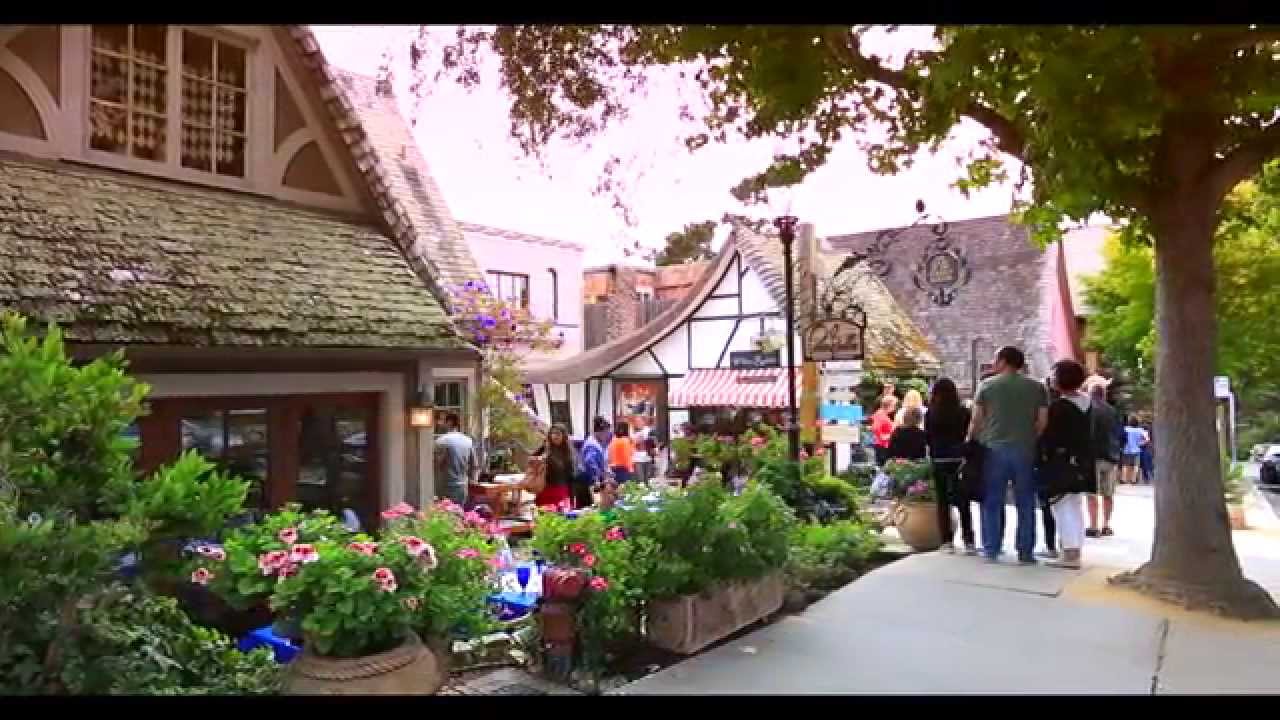
Carmel-by-the-Sea combines a compact walkable village with one of California's most recognizable coastal settings. Ocean Avenue runs through the commercial heart of town toward Carmel Beach, with restaurants, galleries, boutiques, courtyards, tasting rooms and cultural destinations concentrated within a relatively small area.
Residential streets become quieter only a few blocks from downtown, and the village's informal streetscape, mature trees, gardens and eclectic architecture create a very different environment from a conventional planned community.
For many buyers, the appeal is the ability to own a home that provides access to several experiences at once: walking into town for dinner, reaching Carmel Beach on foot, exploring Mission Trail Nature Preserve, enjoying Carmel's arts and cultural scene, and remaining only a short drive from Pebble Beach, Point Lobos and the rest of the Monterey Peninsula.
The video offers a visual introduction to the walkability, coastal setting and distinctive lifestyle that make Carmel one of the Monterey Peninsula's most sought-after places to own a home.
Carmel-by-the-Sea Neighborhoods
For MLS search purposes, Carmel-by-the-Sea is commonly divided into four primary geographic designations: Southwest, Northwest, Northeast and Southeast Carmel. These are useful real estate search areas rather than formal municipal districts.
Within Southwest Carmel, the term Golden Rectangle is also widely used by local buyers, sellers and real estate professionals to describe a particularly desirable area between downtown and Carmel Beach.
Golden Rectangle
The Golden Rectangle is one of Carmel's best-known residential micro-markets. Its appeal is based largely on the combination of walkability to Ocean Avenue and proximity to Carmel Beach.
Homes range from intimate historic cottages to extensively remodeled residences and substantial luxury properties. Selected locations near Scenic Road may also offer Carmel Bay, Point Lobos, Pebble Beach and Pacific Ocean views.
The Golden Rectangle is an informal local real estate term rather than an official City neighborhood designation, and it substantially overlaps Southwest Carmel.
Southwest Carmel
Southwest Carmel is the MLS designation generally covering the area south of Ocean Avenue and west of Junipero.
It includes much of what buyers locally call the Golden Rectangle as well as residential streets farther south. Beach access, village walkability, cottages, luxury homes and selected ocean views are major value drivers.
Northwest Carmel
Northwest Carmel generally lies north of Ocean Avenue and west of Junipero.
The neighborhood can offer a quieter residential feel while retaining convenient access to both downtown Carmel and the beach. Buyers may find classic cottages, remodeled homes, larger residences and selected elevated ocean-view opportunities.
Northeast Carmel
Northeast Carmel lies north of Ocean Avenue and east of Junipero.
The western portion remains close to downtown, while the neighborhood becomes increasingly wooded toward the eastern edge of the city. Buyers who want village access combined with convenient Highway 1 connections may find this side of Carmel particularly attractive.
Southeast Carmel
Southeast Carmel lies south of Ocean Avenue and east of Junipero.
Its residential streets can provide convenient village access while offering a more wooded environment near Mission Trail Nature Preserve. Architecture ranges from early Carmel cottages to larger remodeled and contemporary homes.
Greater Carmel Neighborhoods
The greater Carmel market expands dramatically once you move outside the incorporated city. Lot sizes, terrain, architecture, climate and views become much more varied.
Carmel Point
Carmel Point sits immediately south of Carmel-by-the-Sea between Carmel Beach and Carmel River State Beach.
The neighborhood can combine a strong coastal lifestyle with larger homes, more conventional garages and wider lots than buyers commonly find inside the village. Selected properties offer exceptional Carmel Bay, Point Lobos, whitewater, lagoon and ocean views.
Carmel Point is outside incorporated Carmel-by-the-Sea and is generally governed by Monterey County.
Hatton Fields
Hatton Fields is an established estate-oriented area immediately outside the village.
Compared with the compact lots inside Carmel-by-the-Sea, Hatton Fields generally offers larger parcels, larger homes, mature landscaping, garages and greater separation between residences. It can be an excellent fit for buyers who want proximity to Carmel but place greater value on land and privacy than immediate beach or village walkability.
Carmel Woods
Carmel Woods occupies wooded hills near the northern and eastern edge of Carmel-by-the-Sea.
Winding roads, mature Monterey pines and oaks, varied architecture and hillside terrain define the setting. Selected properties may offer filtered or expansive views toward Carmel Bay, Point Lobos or the Pacific while remaining close to the village.
Carmel Meadows
Carmel Meadows is a small coastal residential enclave south of Carmel Point near Carmel River State Beach, Monastery Beach and the Point Lobos area.
The neighborhood offers immediate access to dramatic coastal scenery, but coastal planning, height limitations, viewsheds and other Monterey County development considerations are particularly important when evaluating property here.
Mission Fields
Mission Fields offers a very different Carmel experience.
The area contains many mid-century and ranch-style homes on generally more practical, flatter residential lots. Garages, single-level floor plans, proximity to shopping along Rio Road and easy Highway 1 access can make Mission Fields particularly attractive to buyers who value convenience and function over village walkability.
Carmel Hills
Carmel Hills is located east of Highway 1 and can offer larger lots, privacy and convenient regional access.
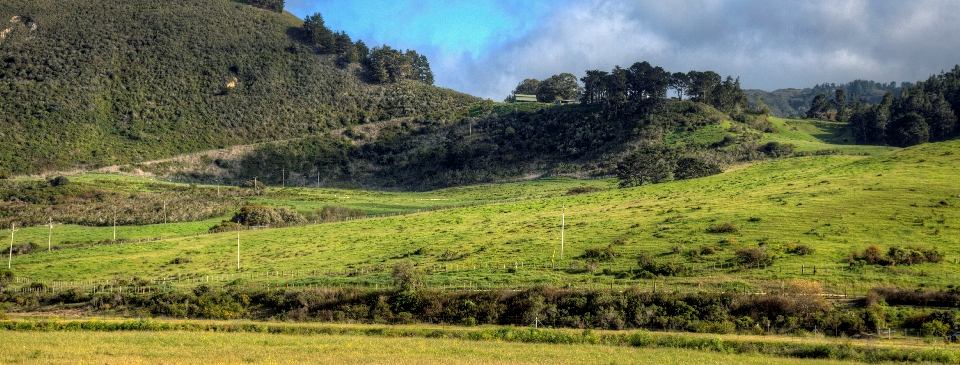
One of its most distinctive features is the opportunity for broad inland views across Hatton Canyon and the landscape traditionally known locally as Fish Ranch. For some buyers, these rolling hills and open-space views are every bit as compelling as a water view.
Depending on exact location and orientation, properties may overlook Point Lobos, Carmel Bay, the Pacific Ocean, Carmel Valley, Fish Ranch and the Santa Lucia Mountains. The area often combines larger parcels and garages with more sunshine than locations immediately beside the coast.
High Meadows
High Meadows provides an elevated forest setting east of Highway 1.
The neighborhood includes detached residences as well as several condominium and townhome communities. Selected properties offer Point Lobos, Carmel Bay and ocean views, while the somewhat inland setting often provides more sunshine than the immediate coastline.
High Meadows also offers convenient access toward Monterey, Pacific Grove, Seaside, Marina and Salinas without requiring travel through downtown Carmel.
Jack's Peak
Jack's Peak is one of the area's strongest choices for buyers seeking acreage and privacy.
Properties may include substantial parcels, gated entrances, native Monterey pine forest and sweeping views toward Monterey Bay and the surrounding Peninsula. The more rural environment can also bring additional due-diligence considerations involving private roads, utilities, wildfire exposure, wells, septic systems and backup power.
What About Carmel Highlands?
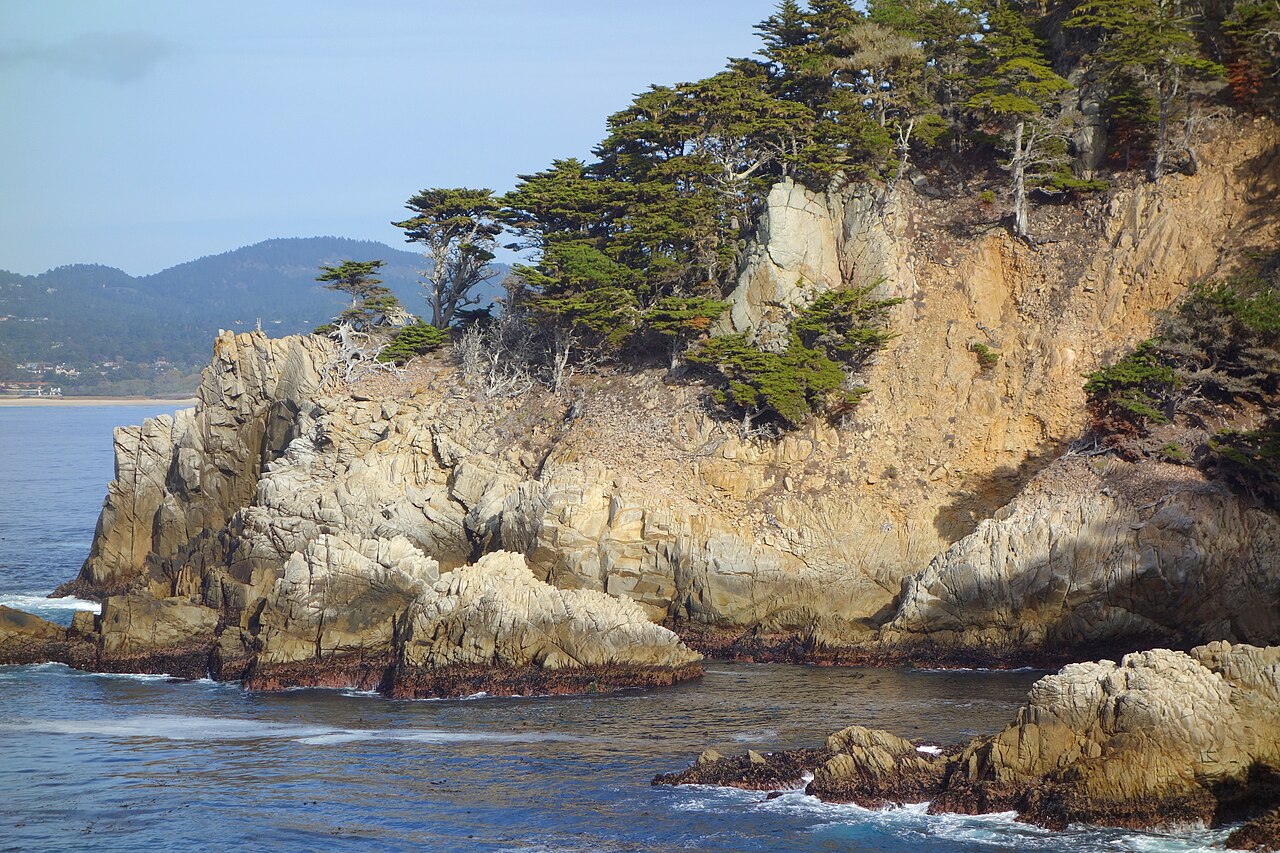
Carmel Highlands lies south of Point Lobos along a dramatically different section of coastline. It includes rugged blufftop, hillside and oceanfront properties extending toward Yankee Point and the northern Big Sur coast.
Because Carmel Highlands has its own geography, coastal-planning issues and sub-neighborhoods, we treat it as a separate real estate cluster rather than simply another Carmel neighborhood. Buyers looking for panoramic Pacific views, large coastal estates or true oceanfront property should explore the dedicated Carmel Highlands guide.
Which Carmel Neighborhood Fits Your Lifestyle?
There is no single "best" Carmel neighborhood. The better question is which location best matches the way you want to use the property.
Rugged oceanfront and panoramic Pacific estates:Carmel Highlands
Search Carmel Real Estate by Lifestyle & Property Type
Location is only one way to search Carmel. Many buyers begin instead with the lifestyle or property characteristics they want.
Carmel Luxury Real Estate
Carmel luxury real estate cannot be defined by one price threshold. Luxury may mean a Scenic Road residence near Carmel Beach, a historic village cottage, a Carmel Point coastal home, a large Hatton Fields estate, acreage at Jack's Peak or a private estate in Teháma or The Santa Lucia Preserve.
Scarcity, location, architecture, views, land, privacy and renovation quality often matter more than square footage alone.
Our coastal guide distinguishes true oceanfront from frontline, whitewater-view, ocean-view and near-beach property and focuses on the Scenic Road, Carmel Point and Carmel Highlands coastal corridors.
Views may include Carmel Beach, Carmel Bay, Point Lobos, the open Pacific or Monterey Bay. Elevated neighborhoods such as Carmel Views, High Meadows, Carmel Woods and Jack's Peak can produce dramatically different view experiences from immediate coastal locations.
Carmel Walk-to-Town Homes
For many buyers, the ability to leave the car at home is central to the Carmel lifestyle. Our Carmel walk-to-town real estate guide compares village locations by actual walking experience rather than simply drawing a radius around Ocean Avenue.
Distance, elevation, nighttime lighting, beach access and the specific destinations you want to reach all matter.
Carmel Cottages
Carmel cottages are one of the area's most recognizable real estate categories.
The market includes historic early residences, authentic storybook architecture, remodeled original cottages and newer homes designed to capture traditional Carmel character. Buyers should distinguish architectural style from verified historic or architect attribution.
Carmel Condos & Townhomes
Carmel condos and townhomes range from scarce downtown Carmel-by-the-Sea units to Rio Road communities, High Meadows view properties and 55+ active-adult communities such as Del Mesa Carmel and Hacienda Carmel.
Each offers a substantially different combination of walkability, climate, amenities, parking and HOA services.
Carmel Architecture: From Storybook Cottages to Contemporary Estates
Carmel's architecture is one of the reasons the housing market cannot be understood through square footage alone.
Early Carmel attracted builders, artists, writers and architects who created homes with individual character rather than standardized subdivision architecture. Michael J. Murphy built his first Carmel house in 1902, and Hugh Comstock's storybook cottages became an enduring part of Carmel's identity beginning in the 1920s.
Carmel's residential character is inseparable from its history. The area developed as an artistic and literary community during the early twentieth century, drawing writers, artists and intellectuals to a small coastal village surrounded by forest and ocean.
Carmel-by-the-Sea incorporated in 1916, and generations of residents have worked to preserve the village-scale architecture, trees, informal streetscape and cultural identity that continue to influence real estate today.
That history can have practical implications for buyers because older properties may be historically significant and subject to additional review when alterations are proposed.
Weather can change noticeably over relatively short distances in Carmel. The immediate coast receives stronger marine influence, while neighborhoods farther inland or at higher elevations can experience more sunshine and warmer daytime conditions.
That difference is important when comparing neighborhoods.
A buyer choosing between Carmel Beach, Carmel Point, Carmel Views, High Meadows, Rio Road or Teháma is not simply choosing different architecture and lot sizes. The day-to-day climate can feel different as well.
General patterns include:
Immediate coast: strongest marine influence, cooler conditions and more frequent fog.
Carmel-by-the-Sea village: coastal climate with variation by elevation and distance from the beach.
Rio Road / Mission Fields area: generally more inland influence and often additional sunshine.
Carmel Views and High Meadows: elevated locations that often receive more sunshine while retaining coastal proximity.
Teháma and inland estate areas: a sunnier inland environment than many immediate coastal locations.
When climate is an important part of a purchase decision, we recommend visiting the property at different times of day rather than relying on a general Carmel weather forecast.
Coastal vs. Inland Carmel
One of the easiest ways to begin narrowing the Carmel market is to decide how important the ocean is to your everyday lifestyle.
Coastal buyers may prioritize:
Carmel Beach access
Whitewater views
Point Lobos views
Scenic Road
Carmel Point
Carmel Meadows
Carmel Highlands
Inland or elevated buyers may instead prioritize:
Larger lots
Additional sunshine
Garages and parking
Fish Ranch or valley views
Forest settings
Greater privacy
Easier Highway 1 access
Neither is inherently better. The goal is to understand which combination of location, climate and property characteristics best fits how you intend to use the home.
Buying a Home in Carmel
Carmel buyers should evaluate more than price, bedrooms and square footage. The area's overlapping jurisdictions, historic housing stock, coastal environment and unusual micro-markets can make property-specific due diligence particularly important.
Depending on the property, buyers may need to investigate:
Whether the property is inside Carmel-by-the-Sea or unincorporated Monterey County
Zoning and allowable use
Historic-resource status
Permit history
Coastal development requirements
Tree regulations
Potential additions or redevelopment
ADUs and secondary structures
View corridors and surrounding development
Geotechnical or bluff conditions
Drainage and retaining walls
Wildfire and insurance considerations
Private roads and access agreements
Sewer, septic or private utility systems
HOA documents where applicable
Rental restrictions
Carmel-by-the-Sea Planning & Design Review
Carmel-by-the-Sea is located within the California Coastal Zone and uses a residential planning and design-review process intended to preserve the village's scale, open space, trees and neighborhood character.
Buyers considering a substantial remodel, addition or replacement residence should investigate feasibility before assuming that the maximum theoretical square footage can automatically be built.
Monterey County Carmel Properties
Properties outside the incorporated city may be governed by Monterey County planning regulations. Coastal neighborhoods can also be subject to Carmel-area coastal land-use policies and related development requirements.
County rules can differ materially from City requirements, so buyers should verify jurisdiction before evaluating development potential.
Properties in private communities such as Teháma and The Santa Lucia Preserve may also have community-specific architectural review, infrastructure, association and membership considerations in addition to Monterey County requirements.
For more information about purchasing property throughout the Monterey Peninsula, visit our Home Buyer Resources.
Understanding Carmel Home Values
Automated valuation models can have difficulty in Carmel because the market contains so many property characteristics that are difficult to reduce to a simple algorithm.
Two homes with similar square footage may have substantially different values because of:
Exact micro-location
City vs. County jurisdiction
Walking distance to Ocean Avenue
Carmel Beach proximity
Ocean or Point Lobos views
Architectural character
Historic significance
Lot size and usability
Privacy
Garage and parking
Renovation quality
Guest houses or secondary structures
Development potential
Price per square foot can be useful as one data point, but it should rarely be the sole valuation method for a Carmel property.
Carmel Real Estate Market
Carmel's relatively small and diverse inventory can cause market statistics to change significantly depending on which properties sell during a given period. A month containing several luxury coastal sales can look very different from a month dominated by condos or smaller inland homes.
For that reason, buyers and sellers should consider both the overall Carmel market and the specific neighborhood or property category they are evaluating.
Selling Carmel real estate requires understanding what makes the individual property difficult to replace.
For one home, that may be a Golden Rectangle location. For another it may be Point Lobos views, an original cottage, a large Hatton Fields parcel, Fish Ranch scenery, a High Meadows garage and view, or several acres of privacy at Jack's Peak, Teháma or The Santa Lucia Preserve.
A strong marketing strategy should therefore communicate more than bedrooms, bathrooms and square footage.
Important selling considerations can include:
Correct neighborhood positioning
Jurisdiction
Architecture and provenance
View quality
Beach or village proximity
Lot rarity
Remodeling quality
Garages and parking
Guest accommodations
Outdoor living
Microclimate
The most appropriate comparable sales
For information about preparing, pricing and marketing a Carmel property, visit our Home Selling Resources or contact the Monterey Peninsula Home Team for a property-specific analysis.
Carmel Real Estate FAQ
What is the difference between Carmel and Carmel-by-the-Sea?
Carmel-by-the-Sea is the incorporated coastal city centered around Ocean Avenue and Carmel Beach. The broader Carmel real estate market also includes many unincorporated Monterey County neighborhoods with Carmel mailing addresses, including Carmel Point, Hatton Fields, Carmel Woods, Carmel Meadows, Mission Fields, Carmel Hills, Carmel Views, High Meadows and Jack's Peak.
What are the main neighborhoods in Carmel-by-the-Sea?
For MLS search purposes, Carmel-by-the-Sea is commonly divided into Southwest, Northwest, Northeast and Southeast Carmel. The Golden Rectangle is an informal local real estate term that substantially overlaps Southwest Carmel and describes a highly desirable area between downtown and Carmel Beach.
What is the Golden Rectangle in Carmel?
The Golden Rectangle is an informal Carmel-by-the-Sea real estate micro-market primarily located within Southwest Carmel between the village and Carmel Beach. It is known for walkability, beach proximity, cottages, luxury residences and selected Carmel Bay and Point Lobos views.
Which Carmel neighborhoods are best for walking to town?
The Golden Rectangle and portions of Southwest, Northwest, Northeast and Southeast Carmel can all provide convenient access to downtown. The best choice depends on whether a buyer also prioritizes Carmel Beach, quieter residential streets, elevation or Highway 1 access.
Where can I find ocean-view homes in Carmel?
Ocean-view properties can be found in Carmel-by-the-Sea, Carmel Point, Carmel Highlands, Carmel Woods, Carmel Views, High Meadows and other elevated locations. Views may include Carmel Beach, Carmel Bay, Point Lobos, the Pacific Ocean or Monterey Bay.
Where can I find larger lots near Carmel?
Buyers seeking more land may consider Hatton Fields, Carmel Hills, Carmel Views, Jack's Peak, Carmel Highlands and private estate communities such as Teháma and The Santa Lucia Preserve. Lot size, terrain, usable acreage and development regulations vary substantially.
Why are Teháma and The Santa Lucia Preserve included in Carmel real estate searches?
Both communities use Carmel, CA 93923 mailing addresses and are relevant to the greater Carmel luxury market, but neither is located within incorporated Carmel-by-the-Sea. Teháma also lies within Monterey County's Carmel Valley planning geography, while The Santa Lucia Preserve is accessed from Carmel Valley Road. Buyers may therefore encounter both communities while searching either greater Carmel or Carmel Valley estate properties.
Does Carmel have condos and townhomes?
Yes. Condominium inventory inside Carmel-by-the-Sea is limited, but the broader Carmel market includes downtown condos, Rio Road communities, High Meadows condominiums and townhomes, and 55+ communities including Del Mesa Carmel and Hacienda Carmel.
Can I remodel or rebuild a home in Carmel-by-the-Sea?
Potentially, but development is subject to City planning, design review, Coastal Zone regulations, tree protections, historic-resource considerations and property-specific development standards. Buyers should investigate feasibility before purchasing based on plans for a major addition, demolition or replacement residence.
Is Carmel warmer inland than near the beach?
Generally, the immediate coast receives more marine influence, while some inland and elevated Carmel neighborhoods experience additional sunshine and warmer daytime conditions. Microclimates can vary significantly over relatively short distances.
How should a Carmel home be valued?
Carmel valuation should consider recent comparable sales together with exact location, views, architecture, lot characteristics, walkability, condition, parking, privacy, jurisdiction and other property-specific features. Price per square foot alone may not adequately capture those differences.
Where can I see Carmel homes currently for sale?
Current Carmel homes for sale are displayed below using live MLS data. The broader Carmel search can include both Carmel-by-the-Sea and surrounding Carmel-address communities, so buyers can use the neighborhood and lifestyle links above to narrow the search to the locations that best fit their needs.
Questions about buying or selling Carmel real estate? Call the Monterey Peninsula Home Team at (831) 917-8190 or contact us online.
About the Carmel home search below: The listings below include properties using Carmel as their MLS city or mailing designation, which can extend beyond incorporated Carmel-by-the-Sea into surrounding Carmel communities. Use the neighborhood and lifestyle guides above to narrow your search to a specific area or property type.
Based on information from MLSListings MLS as of All data, including all measurements and calculations of area, is obtained from various sources and has not been, and will not be, verified by broker or MLS. All information should be independently reviewed and verified for accuracy. Properties may or may not be listed by the office/agent presenting the information.
By continuing to use this site, you consent to our use of
technologies that
analyze and monitor activity on our website, may record your activity on this site, and sometimes provide you with
tailored advertising. You also consent to our Privacy
Policy
and Terms & Conditions