


The First People of Carmel: Indigenous History Before Carmel-by-the-Sea
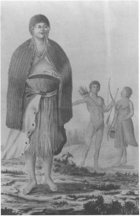 Before Carmel-by-the-Sea became known for fairytale cottages, white sand beaches, art galleries, luxury homes, and one of the most charming village settings on the California coast, this landscape was already home to Indigenous people whose relationship with the land stretched back thousands of years.
The story of Carmel does not begin with the founding of Carmel Mission in 1771. It does not begin with the artist colony, the village, the cottages, or the luxury real estate market that Carmel is known for today. The earliest story of Carmel begins with the Native people who lived throughout the Carmel River area, Carmel Valley, Monterey Bay, and the broader Monterey Peninsula long before European arrival.
This is the second article in our Carmel-by-the-Sea history series. The first article explored Carmel Mission and the Spanish colonial roots of Carmel-by-the-Sea. This article steps further back to recognize the Indigenous history that came before the mission era and remains an essential part of understanding Carmel today. Explore the complete history of Carmel-by-the-Sea, from Indigenous roots and Carmel Mission to the artist colony, storybook cottages, Carmel Beach, preservation, and luxury real estate.
Photo to right attribution: José Cardero, Public domain, via Wikimedia Commons
Carmel Before Carmel-by-the-Sea
It can be easy to think of Carmel as a village defined by its later architecture, beach lifestyle, and artistic identity. But the land itself has a much older human history.
The area now associated with Carmel-by-the-Sea sits within a larger Monterey County landscape historically connected with Indigenous peoples including the Rumsen Ohlone, Esselen, and Salinan. These communities lived throughout coastal, river, valley, and inland environments, adapting to the rhythms of the seasons and maintaining deep cultural relationships with the land and natural resources around them.
For the people who lived here before European contact, Carmel was not a vacation destination or real estate market. It was homeland. The Carmel River, coastal terraces, oak woodlands, grasslands, marine environment, and nearby hills were part of a living landscape that provided food, materials, trade routes, cultural meaning, and community identity.
The Rumsen Ohlone and the Carmel Area
The Rumsen Ohlone are especially important to the Indigenous history of the Carmel and Monterey Peninsula area. Historical and tribal sources identify the Rumsen as one of the Ohlone groups connected to the central California coast, including areas around Monterey and Carmel.
The word “Ohlone” is often used broadly to describe a number of related Indigenous groups of the central California coast. Within that larger designation were distinct local communities with their own territories, relationships, dialects, and cultural identities. The Rumsen were among the people associated with the Monterey and Carmel region.
This matters because broad historical labels can sometimes flatten the story. Carmel’s Indigenous history is not simply a generic “Native California” story. It is tied to specific people, specific landscapes, and specific communities whose descendants and cultural connections continue today.
A Landscape of Water, Food, and Seasonal Abundance
The Carmel region offered a rich natural environment. The Carmel River, nearby wetlands, coastal waters, oak woodlands, grasslands, and upland areas provided a variety of resources. Indigenous people throughout this region relied on a deep understanding of seasonal cycles, plant knowledge, marine resources, wildlife, and land stewardship practices.
Acorns, seeds, berries, roots, fish, shellfish, game, and other resources were part of the broader food landscape. Oak trees were especially important in many California Native foodways because acorns could be gathered, processed, stored, and used as a major food source.
Indigenous land stewardship also included the use of controlled burning in some areas. The California Indian Missions Foundation notes that Ohlone people practiced controlled burns in open spaces surrounding their communities, which helped encourage the growth of grasses and plants used for food, shelter, tools, and clothing.
This is an important point for modern readers. The Carmel landscape was not untouched wilderness waiting to be discovered. It was a place actively known, managed, used, and cared for by Indigenous people long before Spanish settlement.
The Carmel River as a Historic Lifeline
The Carmel River is central to understanding the earliest human history of the area. For Native communities, rivers were not simply scenic features. They were sources of fresh water, food, movement, gathering, and settlement.
The Carmel River connected inland and coastal environments, supporting plant and animal life while helping shape patterns of human activity. Long before Carmel became known for beach walks, scenic drives, and village lanes, the river and surrounding landscape helped support Native life in the region.
This connection between land and water remains one of the defining characteristics of Carmel today. The same natural setting that made the area meaningful to Indigenous communities later influenced Spanish mission settlement, the growth of the village, and ultimately the enduring appeal of Carmel real estate.
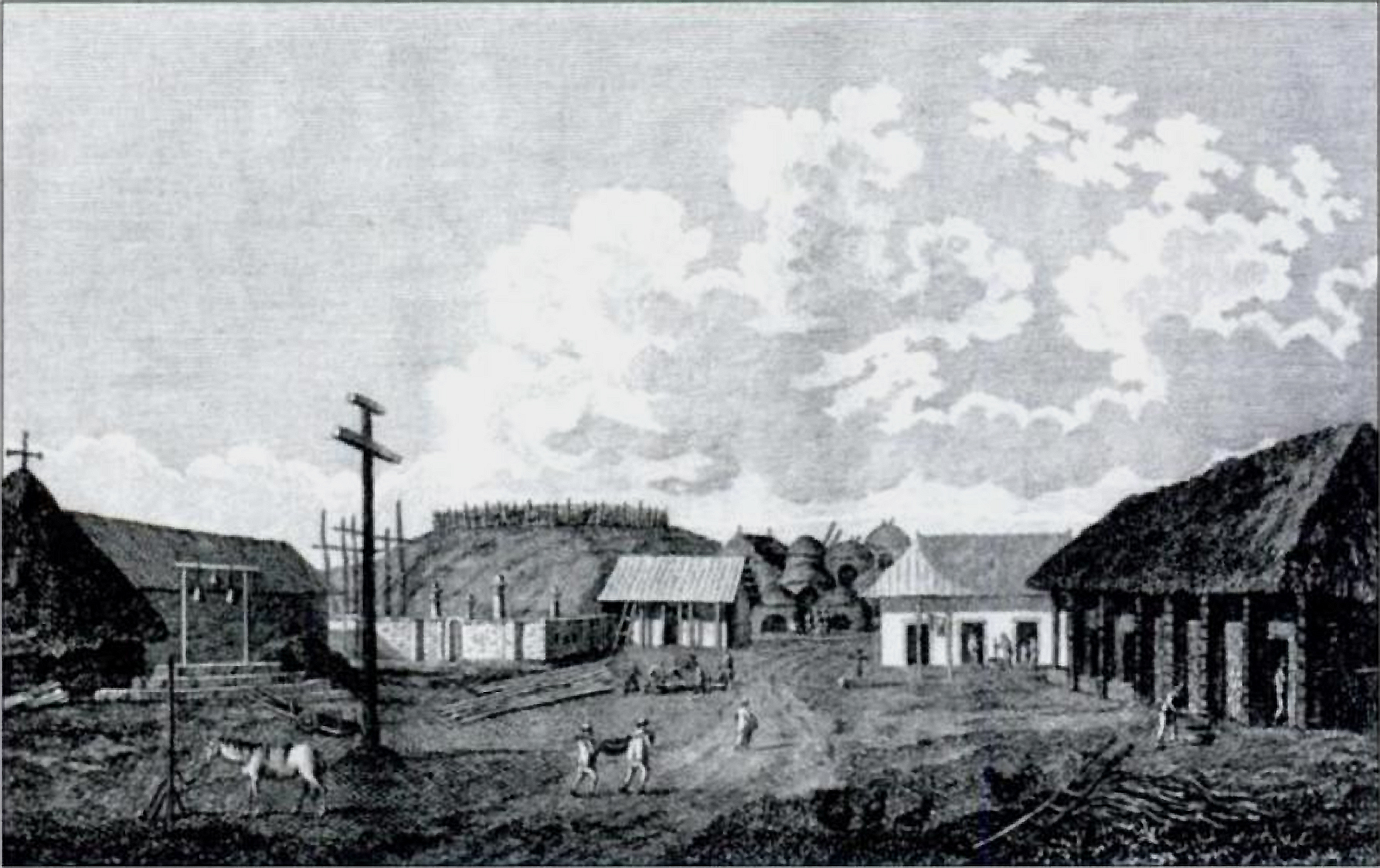
Sketch of the early Carmel California settlement (1794) Artwork created by John Sykes, Public domain, via Wikimedia Commons
Spanish Arrival and the Disruption of Native Life
The arrival of Spanish explorers, soldiers, and missionaries dramatically changed life for Indigenous communities throughout Alta California. Carmel Mission was founded in 1771 as part of the Spanish mission system, and Mission San Carlos Borromeo de Río Carmelo became one of the most significant mission sites in California.
While Carmel Mission is a beautiful and important historic landmark, the mission era also brought profound disruption for Native people. The mission system sought to convert Indigenous people to Christianity and integrate them into Spanish colonial society. This process affected Native languages, spiritual practices, family structures, land use, food systems, and community independence.
For many Native people, mission life involved forced labor, disease, displacement, cultural suppression, and loss of autonomy. This is why Carmel Mission should be understood with historical complexity. It is both a major landmark in California history and part of a colonial system that caused deep harm to Indigenous communities.
Mission San Carlos Borromeo de Río Carmelo and Native Communities
Carmel Mission was founded on Ohlone land, and its history is inseparable from the Native people of the region. The mission gathered Indigenous people from surrounding communities and attempted to reorganize their lives around the mission’s religious, agricultural, and labor systems.
Historical accounts of the mission period often focus on the priests, buildings, and Spanish colonial administration. A fuller understanding also includes the Native people whose labor, land, knowledge, and lives were central to the mission’s existence.
That fuller story is essential for anyone trying to understand Carmel honestly. Carmel’s history includes beauty, architecture, faith, art, and preservation. It also includes colonization, Native survival, cultural loss, and continuing Indigenous presence.
The Esselen, Rumsen Ohlone, and Salinan in Monterey County History
The broader Monterey County region includes overlapping histories connected with the Esselen, Rumsen Ohlone, and Salinan peoples. These groups are not interchangeable, and each has its own history and cultural identity. But all are part of the deeper Indigenous story of the Central Coast.
Visit Monterey identifies the Esselen, Rumsen Ohlone, and Salinan as major Indigenous tribes who inhabited and cared for the land now known as Monterey County from ancient times to the present. This is important because it reinforces that Indigenous history is not only ancient history. Native people and descendants remain part of the region’s living cultural landscape.
For Carmel, this means the village’s history should not be told as though Native presence disappeared when the mission era began. The story continued through missionization, Mexican rule, American statehood, displacement, survival, revitalization, and modern cultural preservation.
Why This History Matters Today
Understanding the Indigenous history of Carmel gives modern residents, visitors, and homebuyers a deeper sense of place. Carmel is often described in terms of charm, beauty, architecture, and lifestyle. Those qualities are real, but they sit on top of a much older human story.
When someone walks along Carmel Beach, drives near the Carmel River, visits Carmel Mission, or explores the village, they are moving through a landscape shaped by thousands of years of human presence. That perspective changes the way Carmel is experienced.
It also adds responsibility. Telling Carmel’s story well means recognizing the people who were here first and avoiding the idea that Carmel began only when Europeans arrived or when the village became fashionable in the early 20th century.
How Indigenous History Connects to Carmel’s Sense of Place
One of the reasons Carmel-by-the-Sea feels so distinctive is that the area has always been shaped by landscape. The village is not defined by high-rise development, large commercial corridors, or a generic resort layout. It is defined by trees, coastline, stone, courtyards, cottages, pathways, beach access, and a strong relationship between the built environment and the natural setting.
That relationship did not begin with modern preservation rules. Long before Carmel had design review, historic cottages, or luxury homes, Indigenous people understood this landscape through direct relationship, seasonal knowledge, and stewardship.
For today’s real estate audience, that context matters. Buyers are often drawn to Carmel because it feels meaningful and rooted. The appeal is not simply the price point or prestige. It is the feeling that Carmel has a soul, a story, and a sense of place that cannot be easily replicated.
From Indigenous Homeland to Mission Era to Village Identity
The history of Carmel-by-the-Sea is best understood as a sequence of overlapping chapters. First, there was the Indigenous landscape, connected to the Rumsen Ohlone, Esselen, Salinan, and other Native histories of the region. Then came Spanish exploration and the mission era. Later came Mexican land grants, American settlement, the artist colony, the village’s incorporation, and Carmel’s emergence as one of California’s most recognizable coastal communities.
Each chapter shaped the next. The mission era cannot be understood without Indigenous history. The later village cannot be understood without the mission and rancho periods. Carmel’s modern real estate market cannot be understood without the village’s architecture, preservation ethic, and emotional connection to place.
That is why this article belongs near the beginning of the Carmel history cluster. Before we discuss cottages, artists, beach homes, or the luxury market, we need to recognize the earliest people and the land itself.
Carmel’s History Is Deeper Than Its Postcard Image
Carmel-by-the-Sea is often photographed as a beautiful coastal village, and for good reason. It is one of the most picturesque communities in California. But its history is far deeper than the postcard image.
The first people of Carmel lived with the land long before the village existed. They understood the river, coast, plants, wildlife, seasons, and terrain in ways that shaped the earliest human story of the area. Their descendants, cultural memory, and continuing presence remain essential to a more complete understanding of Carmel and the Monterey Peninsula.
As this Carmel-by-the-Sea history series continues, we will move from the Indigenous landscape into the mission era, the rancho period, the rise of Carmel’s artist colony, the village’s unique architecture, and the evolution of Carmel into one of the most desirable real estate markets on the California coast.
Thinking About Buying or Selling in Carmel?
If you are considering buying or selling a home in Carmel-by-the-Sea, understanding the history of the area can help you better understand why this village is so highly valued. Carmel’s appeal is not only about location. It is about landscape, character, history, architecture, and a sense of place that has been built over centuries.
The Monterey Peninsula Home Team helps buyers and sellers navigate the Carmel real estate market with local knowledge, neighborhood insight, and a deep appreciation for what makes this community so special.
Explore current Carmel homes for sale, learn more about Carmel Golden Rectangle homes for sale, or browse Carmel oceanfront real estate to see how Carmel’s landscape, history, and village character continue to shape one of California’s most distinctive housing markets.