


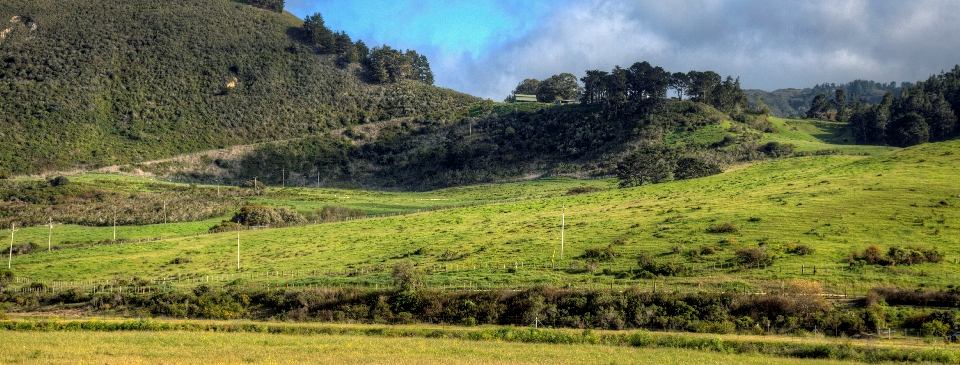
The Complete History of Carmel Valley, California
Carmel Valley is one of the most distinctive communities on the Monterey Peninsula. Known today for sunshine, vineyards, ranch properties, equestrian estates, Carmel Valley Village, Garland Ranch, and a quieter inland lifestyle just minutes from the coast, Carmel Valley has a history that is much deeper than its modern reputation as wine country and luxury real estate.
The story of Carmel Valley is a story of land, water, climate, and movement. The Carmel River shaped the valley physically and culturally. Oak-studded hillsides, grasslands, seasonal creeks, wildlife corridors, and mountain ridges created a landscape that supported Indigenous communities long before European settlement. Later, Spanish colonial activity, Mexican land grants, ranching, agriculture, road building, tourism, wine production, and estate development each added another layer to the valley’s identity.
For anyone exploring Carmel Valley homes for sale, understanding this history helps explain why the area feels so different from neighboring Carmel-by-the-Sea, Pebble Beach, Pacific Grove, and Monterey. Carmel Valley is part of the Monterey Peninsula, but it has always had its own character: warmer, more rural, more spacious, more private, and more directly tied to land, ranching, horses, vineyards, and open space.

Before Carmel Valley: The First People and the Natural Landscape
Long before Carmel Valley was associated with ranches, vineyards, resorts, or country estates, it was part of an Indigenous cultural landscape. The Carmel River, valley floor, oak woodlands, ridgelines, grasslands, and nearby coastal areas supported Native communities who understood the land through seasonal movement, gathering, hunting, trade, ceremony, and stewardship.
The broader Monterey Peninsula and Central Coast region is historically connected to Indigenous peoples including the Rumsen Ohlone, Esselen, Salinan, and neighboring Native communities. For these first people, the valley was not a rural retreat or future real estate market. It was homeland. The river, wildlife, plants, hills, and coastal access formed part of a living system that supported community life for generations.
This first chapter matters because it reminds us that Carmel Valley’s history did not begin with Spanish settlement, land grants, or ranch ownership. Those later chapters were built on a much older human landscape.

The Carmel River and the Geography That Shaped the Valley
The Carmel River is one of the defining features of Carmel Valley. It helped shape settlement, agriculture, ranching, transportation, and the valley’s identity. From the higher inland reaches of the watershed, the river moves west toward the coast, creating the corridor around which much of Carmel Valley life developed.
In a region where microclimates matter enormously, Carmel Valley’s geography created a very different living environment from the coastal towns just a few miles away. While Carmel-by-the-Sea, Pacific Grove, and Monterey often experience summer fog and marine influence, much of Carmel Valley sits far enough inland to enjoy warmer, sunnier conditions. That climate difference became one of the valley’s defining lifestyle advantages.
Today, that geography still drives demand for Carmel Valley real estate. Buyers are often drawn to the same natural qualities that shaped the valley historically: sun, space, privacy, views, access to trails, room for gardens or horses, and a slower pace of life close to the coast.
Spanish Colonial Influence and the Mission Era
Spanish colonial activity on the Monterey Peninsula began in the late 18th century, with Monterey serving as a political and military center and nearby Carmel Mission becoming one of the most important mission sites in Alta California. Although Carmel Valley developed differently from the coastal mission settlement, the mission era affected the entire region.
The Spanish mission system changed land use, labor patterns, religion, agriculture, and Native life throughout Alta California. The Carmel River area was especially important because of water, agricultural potential, grazing land, and proximity to Monterey and Carmel Mission.
Understanding Carmel Valley’s mission-era context helps connect it to the larger history of the Monterey Peninsula. The same forces that shaped early Monterey and Carmel-by-the-Sea also influenced the inland valleys, ranch lands, and transportation routes that would later become central to Carmel Valley’s identity.
For more regional context, you may also enjoy reading The Complete History of Monterey, California and The Complete History of Carmel-by-the-Sea, California.
The Mexican Rancho Era and Rancho Los Laureles
One of the most important chapters in Carmel Valley history is the Mexican rancho period. After Mexico gained independence from Spain, mission lands throughout Alta California were secularized and large private land grants became central to California’s social, economic, and agricultural life.
In Carmel Valley, Rancho Los Laureles became one of the defining land grants. The ranch was named for the California bay laurel trees that grow in the area and originally included thousands of acres along Carmel Valley. Its history is closely tied to José Manuel Boronda, Vicente Blas Martínez, and the broader rancho culture of early California.
Rancho Los Laureles helped establish the valley’s identity as ranch country. Cattle, horses, wheat, hospitality, family networks, and large-scale land ownership shaped the way people lived and moved through the valley. This was a period when land was not divided into modern neighborhoods, subdivisions, or residential parcels. It was a working landscape defined by ranching, grazing, agriculture, water, and access.
The rancho era also created a lasting sense of place. Even today, names like Los Laureles, Boronda, and Laureles Grade echo through the valley, connecting modern roads, properties, and landmarks to the region’s earlier history.
For a more indepth look at this era in Carmel Valley, CA 93924, visit my post, Rancho Los Laureles, The Mexican Land Grant That Helped Shape Carmel Valley.
Ranching, Agriculture, and the Rural Identity of Carmel Valley
After California became part of the United States, land ownership patterns changed, but Carmel Valley remained deeply rural. Ranching, farming, livestock, orchards, barns, fences, and unpaved roads defined much of the valley’s physical and cultural character.
Unlike the more compact coastal communities of the Monterey Peninsula, Carmel Valley developed around larger parcels, working land, open space, and distance. The valley was not designed as a walkable village-by-the-sea like Carmel-by-the-Sea. It was a place where land mattered, and where privacy, water, sun, and access shaped value.
This rural identity is still one of Carmel Valley’s greatest strengths. Modern buyers may be looking for a luxury estate, a vineyard property, a horse property, or a peaceful home with room to breathe, but they are often responding to the same underlying qualities that made the valley desirable in earlier generations.
If you are interested in the equestrian side of the valley, you can explore current Carmel Valley horse properties for sale.
Roads, Access, and the Opening of the Valley
As roads improved, Carmel Valley became more connected to the coast, Monterey, Salinas, and the broader Central Coast. Carmel Valley Road became the primary corridor through the valley, while routes such as Laureles Grade connected Carmel Valley with the Highway 68 corridor and the Salinas side of Monterey County.
These roads changed the valley’s future. Improved access made it easier for residents, ranchers, visitors, and later second-home owners to move between Carmel Valley and the rest of the Monterey Peninsula. The valley could remain rural while still being connected to Carmel-by-the-Sea, Pebble Beach, Monterey, Pacific Grove, and regional employment centers.
That balance remains one of Carmel Valley’s greatest lifestyle advantages. Many residents choose the valley because they want space, sun, and privacy without feeling disconnected from restaurants, beaches, golf, shopping, schools, medical services, and the cultural life of the Monterey Peninsula.
Carmel Valley Village: The Heart of the Valley
Carmel Valley Village became the social and commercial heart of the valley. Smaller in scale and more relaxed than Carmel-by-the-Sea, the Village developed its own identity around local shops, restaurants, tasting rooms, community gathering places, and a distinctly inland sense of charm.
The Village gives Carmel Valley a center without making the area feel urban. It is a place where residents can meet for lunch, taste local wines, visit small businesses, attend community events, or simply enjoy the warmer inland climate. For buyers, Carmel Valley Village offers a compelling blend of convenience and country atmosphere.
Real estate near the Village can be especially attractive because it combines proximity to amenities with the broader benefits of Carmel Valley living. Buyers often like being close to wine tasting, dining, shops, Garland Ranch, and Carmel Valley Road while still enjoying larger lots and a quieter setting than the coast.
To explore more of the history of Carmel Valley, check out the post about Carmel Valley Village History: From Airway Village to Wine Country.
You can view current listings in and around the Village here: Carmel Valley Village homes for sale.
Garland Ranch and the Outdoor Legacy of Carmel Valley
No modern history of Carmel Valley is complete without Garland Ranch Regional Park. Located along Carmel Valley Road, Garland Ranch has become one of the valley’s most beloved outdoor destinations, offering trails, river access, oak woodlands, meadows, ridgelines, and sweeping views.
Garland Ranch represents more than recreation. It reflects Carmel Valley’s long relationship with land and open space. The park helps preserve the outdoor character that makes the valley special and gives residents and visitors a direct connection to the landscape.
For many people, Garland Ranch is part of the reason Carmel Valley feels different from other Monterey Peninsula communities. It reinforces the valley’s appeal to hikers, horseback riders, trail runners, bird watchers, families, and anyone who wants daily access to nature without leaving the area.
In real estate terms, this outdoor lifestyle is one of Carmel Valley’s strongest value drivers. Buyers are not simply purchasing a house. They are often buying into a way of life built around sun, trails, wildlife, views, horses, gardens, and open space.
To explore more about how Garland Ranch Regional Park became one of the defining landmarks of Carmel Valley, check out our post, Garland Ranch History: Preserving Carmel Valley’s Outdoor Heritage.
Cachagua and the Deeper Carmel Valley
Farther inland, Cachagua represents another side of Carmel Valley history. More remote, rugged, and private than the lower valley, Cachagua has long appealed to people who want space, independence, natural beauty, and a deeper connection to the land.
Cachagua’s identity is not the same as Carmel Valley Village or the mid-valley neighborhoods closer to the coast. It has a more rural and self-reliant character, with properties that may include acreage, vineyards, ranch land, mountain views, and a quieter relationship with the surrounding landscape.
For some buyers, Cachagua is exactly what makes Carmel Valley compelling. It offers privacy and a country lifestyle while still being connected to the broader Carmel Valley and Monterey Peninsula market. This part of the valley is especially relevant for buyers looking for acreage, retreat properties, vineyard potential, or a more secluded rural setting.
Be sure explore Cachagua and upper Carmel Valley if this part of Carmel Valley interests you.
The Rise of Carmel Valley Wine Country
Carmel Valley’s modern wine identity is one of the most important chapters in its recent history. The valley’s warm days, cooler nights, mountain influence, and varied terrain helped establish it as one of Monterey County’s notable wine-growing regions.
The Carmel Valley American Viticultural Area gave formal recognition to the valley’s wine-growing identity. Over time, vineyards, wineries, and tasting rooms helped transform Carmel Valley into a destination for wine lovers while preserving much of its rural charm.
Unlike larger wine regions that can feel commercial or heavily developed, Carmel Valley wine country remains intimate and approachable. Tasting rooms in and around Carmel Valley Village, vineyard estates, scenic roads, and hillside properties give the area a refined but relaxed wine-country personality.
This wine-country identity also affects real estate. Buyers searching for Carmel Valley homes may be drawn to properties with vineyard views, acreage, guest quarters, outdoor living areas, wine storage, gardens, privacy, and entertaining spaces. The appeal is not only the house itself, but the lifestyle that surrounds it.
If you want to go deeper into this chapter of Carmel Valley, you can read Carmel Valley Wine Country History: Vineyards, AVA and Village
Carmel Valley as a Luxury Lifestyle Market
Carmel Valley real estate has evolved from ranch land and rural homesteads into one of the Monterey Peninsula’s most desirable lifestyle markets. But unlike Carmel-by-the-Sea or Pebble Beach, Carmel Valley’s luxury appeal is usually not based on walkability to the beach or proximity to golf alone. It is based on land, sun, privacy, views, acreage, and lifestyle flexibility.
Carmel Valley buyers often want things that are harder to find in the coastal towns: larger lots, outdoor entertaining areas, pools, gardens, guest houses, vineyards, workshops, barns, horse facilities, and room for multi-generational living or extended stays. Many are also looking for better weather than the immediate coast, especially during the summer months when marine fog can be common closer to the ocean.
This makes Carmel Valley especially attractive to buyers coming from Silicon Valley, the Bay Area, the Central Valley, Southern California, and other high-cost markets where privacy, land, and lifestyle flexibility are increasingly valuable. Some buyers choose Carmel Valley as a primary residence. Others see it as a second home, retreat, legacy property, or long-term lifestyle investment.
To explore current market activity, visit the Carmel Valley real estate market report. The evolution of Carmel Valley real estate is a must read if you are looking to purchase here.
How Carmel Valley Differs From Carmel-by-the-Sea
One of the most common questions buyers ask is how Carmel Valley differs from Carmel-by-the-Sea. The answer begins with history and geography.
Carmel-by-the-Sea developed as a compact coastal village known for art, architecture, storybook cottages, walkability, beach access, and preservation. Carmel Valley developed inland, shaped by the river, ranchos, agriculture, roads, vineyards, estates, and open space.
Both are highly desirable, but they offer different lifestyles. Carmel-by-the-Sea is charming, walkable, coastal, and village-oriented. Carmel Valley is warmer, sunnier, more spacious, and more rural. One is defined by its relationship to the beach and village character. The other is defined by its relationship to land, weather, views, and privacy.
That distinction is important for buyers. A person who wants to walk to dinner and the beach may prefer Carmel-by-the-Sea. A person who wants acreage, a pool, horses, gardens, vineyards, or more privacy may be better suited to Carmel Valley.
Dive deeper into Why people choose Carmel Valley.
Why Carmel Valley History Still Matters Today
Carmel Valley’s history still shapes its real estate market. The valley’s value is not based only on square footage, bedroom count, or recent upgrades. It is shaped by setting, land, microclimate, privacy, usable outdoor space, water considerations, views, proximity to the Village, access to Garland Ranch, and the emotional appeal of country living near the coast.
Many Carmel Valley properties cannot be evaluated in the same way as more standardized suburban homes. Two homes with similar square footage can have very different values depending on acreage, sun exposure, privacy, views, road access, water, usable land, equestrian facilities, guest quarters, condition, and proximity to Carmel Valley Village or the coast.
This is why local knowledge matters. Carmel Valley is not a one-size-fits-all market. Mid Valley, Carmel Valley Village, Miramonte, Robles Del Rio, Los Tulares, Rancho Tierra Grande, Cachagua, and other areas can each attract different buyers and support different pricing strategies.
If you are considering buying or selling in Carmel Valley, it is important to work with someone who understands not only the numbers, but the lifestyle and history behind the market.
Living in Carmel Valley Today
Today, Carmel Valley offers one of the most compelling lifestyle combinations on the Monterey Peninsula. Residents enjoy a rural atmosphere, sunny weather, wine tasting, restaurants, hiking, horseback riding, cycling, golf nearby, access to Carmel-by-the-Sea, and a quieter pace than the immediate coast.
The valley can feel peaceful and private, yet it remains close to many of the Monterey Peninsula’s major attractions. Carmel Beach, Pebble Beach, downtown Carmel, Monterey, Pacific Grove, Big Sur, and the Highway 68 corridor are all part of the broader lifestyle picture.
For many homeowners, Carmel Valley represents the best of both worlds: a country lifestyle with access to one of the most beautiful coastal regions in California.
Thinking About Buying or Selling in Carmel Valley?
If you are considering a move in Carmel Valley, understanding the area’s history can help you better understand the market. Carmel Valley is not just another 93924 zip code. It is a layered landscape shaped by Indigenous history, the Carmel River, Spanish and Mexican-era land use, ranching, open space, wine country, equestrian culture, and generations of residents who valued sun, privacy, and connection to the land.
Whether you are looking for a home near Carmel Valley Village, a private estate, a horse property, a vineyard-style retreat, or a sunny alternative to the coastal towns, the Monterey Peninsula Home Team can help you understand the options and make a smart decision.
Start your search here: Carmel Valley homes for sale.
You can also explore:
- Carmel Valley Village homes for sale
- Carmel Valley horse properties
- Carmel Valley ocean view real estate
- Carmel Valley real estate market report
- The Complete History of Carmel-by-the-Sea, California
- The Complete History of Monterey, California
Carmel Valley History FAQ
Where is Carmel Valley, California?
Carmel Valley is located east of Carmel-by-the-Sea on the Monterey Peninsula in Monterey County, California. The 93924 zip code includes Carmel Valley Village, mid-valley neighborhoods, rural residential areas, vineyard properties, ranch land, and more remote areas such as Cachagua.
What is Carmel Valley known for?
Carmel Valley is known for sunny weather, vineyards, wine tasting, Carmel Valley Village, Garland Ranch, horseback riding, hiking, ranch properties, luxury estates, and larger parcels of land compared with the coastal towns of the Monterey Peninsula.
What was Rancho Los Laureles?
Rancho Los Laureles was one of the important Mexican-era land grants in Carmel Valley. It was associated with early California ranching, agriculture, hospitality, cattle, horses, and the larger rancho culture that shaped the valley’s early identity.
When did Carmel Valley become a wine region?
Carmel Valley became formally recognized as an American Viticultural Area in the early 1980s. Since then, vineyards, wineries, and tasting rooms have become an important part of the valley’s lifestyle and identity.
How is Carmel Valley different from Carmel-by-the-Sea?
Carmel-by-the-Sea is a compact coastal village known for walkability, beach access, cottages, art galleries, and restaurants. Carmel Valley is inland, warmer, more spacious, and more rural, with larger lots, vineyards, ranch properties, horse properties, and greater privacy.
Is Carmel Valley considered part of the Monterey Peninsula?
Yes. Carmel Valley is commonly considered part of the greater Monterey Peninsula lifestyle market, along with Carmel-by-the-Sea, Pebble Beach, Pacific Grove, Monterey, and nearby communities. It offers a more rural and sunny alternative to the immediate coast.
Why do buyers choose Carmel Valley real estate?
Buyers often choose Carmel Valley for its warmer weather, larger parcels, privacy, views, outdoor living, wine-country feel, equestrian options, and proximity to Carmel-by-the-Sea, Pebble Beach, Monterey, and Big Sur.