


How Pacific Grove Began: From Methodist Retreat to America’s Last Hometown
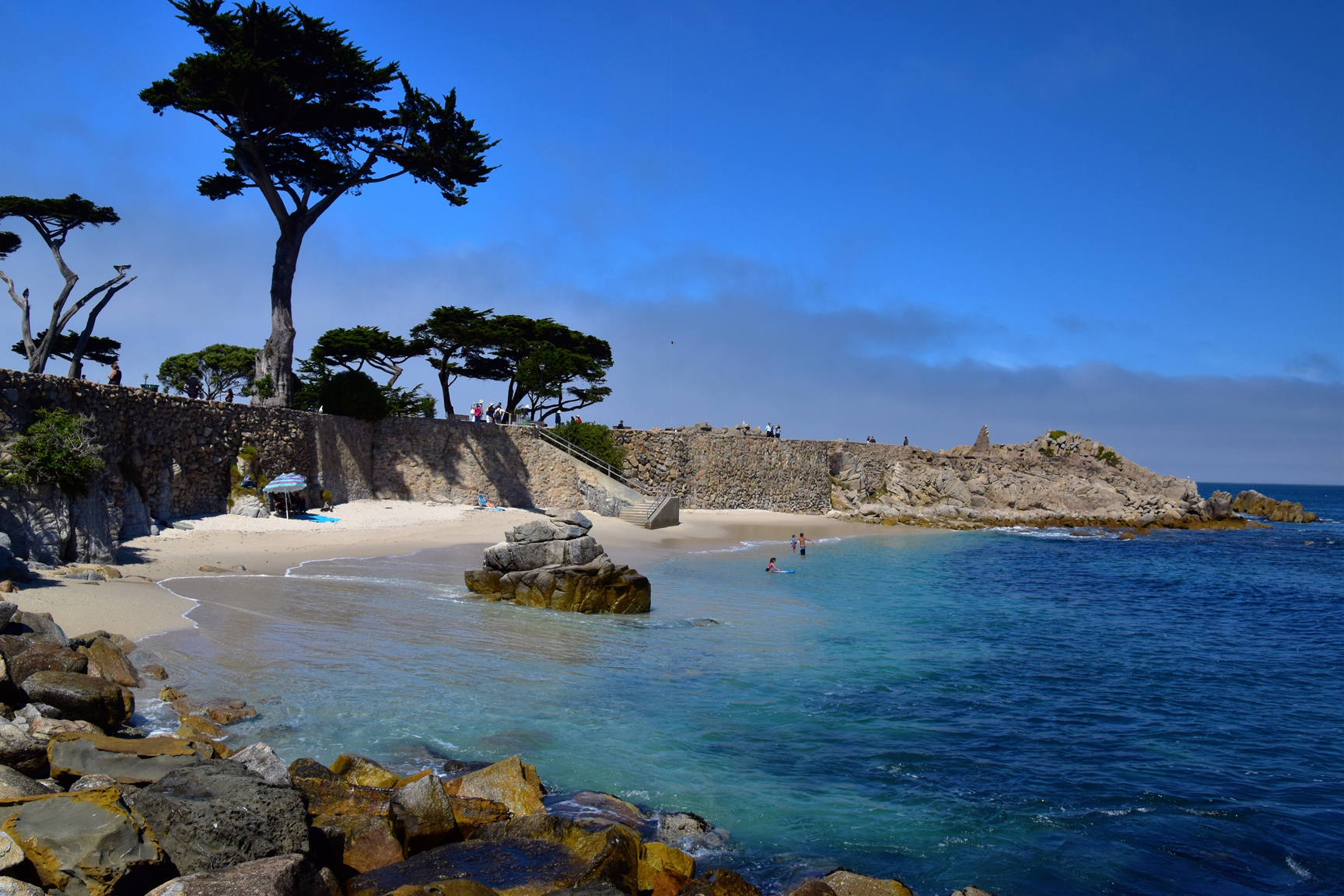
Pacific Grove is one of the most distinctive communities on the Monterey Peninsula. Known today for its historic homes, dramatic coastline, walkable charm, and deep sense of community, the town began with a very different purpose: a vision for a peaceful Methodist seaside retreat.
That origin story still matters today. It explains why Pacific Grove feels different from neighboring communities, why so many of its older homes remain protected, and why the city continues to hold such lasting appeal for buyers looking for authentic coastal character.
If you are exploring Pacific Grove homes for sale or simply want to better understand the roots of this remarkable town, its founding story is the best place to begin.
A Coastal Vision Takes Shape
Pacific Grove’s beginnings trace back to 1874, when Reverend J.W. Ross, a Methodist minister, visited the forested coastline at the tip of the Monterey Peninsula. With its pine, oak, and cypress groves, mild climate, and sweeping views of the Pacific, the setting struck him as an ideal place for a religious retreat.
That idea soon became reality. In 1875, land was assembled for what became the Pacific Grove Retreat—a Christian seaside encampment intended to provide rest, spiritual reflection, education, and fellowship. In its earliest days, the retreat was made up largely of tent sites rather than permanent homes. Families would come to the coast, stay through the summer season, and gather for worship, lectures, and community life.
This was not simply a campground. It was the beginning of a carefully envisioned coastal community with a strong moral and social identity. In many ways, Pacific Grove was designed to feel orderly, thoughtful, and uplifting from the start—and that civic character still echoes through the town today.
From Tents to Cottages
As the retreat gained popularity, temporary accommodations gradually gave way to more permanent structures. Tents turned into wooden cottages, and the retreat grounds began evolving into a true town.
That transition is one of the reasons Pacific Grove has such a unique architectural feel today. Many of the homes and buildings that followed were modest in scale but rich in character, helping create the intimate streetscapes that continue to define the city. Over time, Pacific Grove developed a collection of Victorian-era and early 20th-century buildings that still give it an unmistakable sense of place.
For buyers who value classic coastal architecture, this legacy remains one of the city’s biggest draws. You can still see the influence of those early years in many of the cottages and historic neighborhoods that make Pacific Grove so visually memorable.
To browse some of the homes that best reflect this local character, you can also explore Pacific Grove cottages for sale.
A Community Built Around More Than Religion
Although Pacific Grove began as a Methodist retreat, it quickly developed a broader intellectual and cultural identity as well. By the late 19th century, the city became associated with Chautauqua-style gatherings that emphasized learning, lectures, science, and public enrichment.
That spirit helped shape institutions that still matter locally, including what became the Pacific Grove Museum of Natural History. The presence of educational and scientific programming set Pacific Grove apart from communities that grew purely from commerce or industry. The town developed as a place where nature, reflection, learning, and civic life were intertwined.
This blend of culture and coastal beauty still helps explain why Pacific Grove feels so layered. It is not just scenic. It is historically thoughtful, civically proud, and deeply tied to the idea that place should enrich daily life.
Incorporation and the Growth of a Real Town
As the retreat matured, Pacific Grove steadily transitioned from a seasonal destination into a permanent municipality. The city was incorporated on July 16, 1889, formalizing what had already become one of the Monterey Peninsula’s most distinctive communities.
What followed was a gradual evolution from retreat grounds to established residential town. Streets were named, homes multiplied, local institutions grew stronger, and Pacific Grove developed its own enduring identity—separate from Monterey, yet deeply connected to the broader history of the peninsula.
That identity remains one of Pacific Grove’s greatest strengths in today’s real estate market. Buyers are not just purchasing a home here; they are buying into a town with continuity, architectural authenticity, and a sense of heritage that cannot easily be replicated.
Why Pacific Grove Still Feels Different Today
Modern Pacific Grove is often called America’s Last Hometown, and that nickname fits because the city still feels intimate, human-scaled, and rooted in tradition. Historic homes, walkable streets, coastal trails, and neighborhood pride all reflect the town’s unusual beginning.
Unlike many coastal communities that developed primarily around resorts, large-scale commerce, or postwar expansion, Pacific Grove started with a more idealistic framework. That foundation helped create a town where preservation still matters and where the built environment often feels more personal than polished.
Today, Pacific Grove is also known for its preserved architecture, oceanfront beauty, and limited housing supply—factors that continue to support long-term demand. For many buyers, it offers a rare mix of history, lifestyle, and authenticity that is increasingly hard to find on the California coast.
If you want a broader look at the lifestyle that continues to attract buyers across the region, visit our guide to living on the Monterey Peninsula.
The Lasting Real Estate Appeal of Pacific Grove
Pacific Grove’s founding story is not just local history—it is part of the reason the town remains so desirable today. The same ingredients that made it appealing in the 1870s still resonate now: natural beauty, a calmer pace, distinctive homes, and a strong sense of place.
That is especially important in a market where true character is scarce. Pacific Grove offers buyers something more durable than trend-driven appeal. It offers continuity.
From its Methodist retreat origins to its present-day identity as one of the Monterey Peninsula’s most beloved residential communities, Pacific Grove has managed to preserve the qualities that made it special in the first place. That is a big reason why demand here remains strong—and why so many people fall in love with the town long before they ever make an offer on a home.
Explore the complete history of Pacific Grove, California—from its Indigenous roots and Methodist founding to its coastal lifestyle, historic homes, and modern real estate appeal.
Explore Pacific Grove Real Estate
If you are considering buying or selling in Pacific Grove, we would be happy to help you understand the neighborhoods, architecture, market trends, and lifestyle that define this special coastal town.
Start here: