


Carmel-by-the-Sea and Carmel Beach: A First-Time Visitor’s Guide
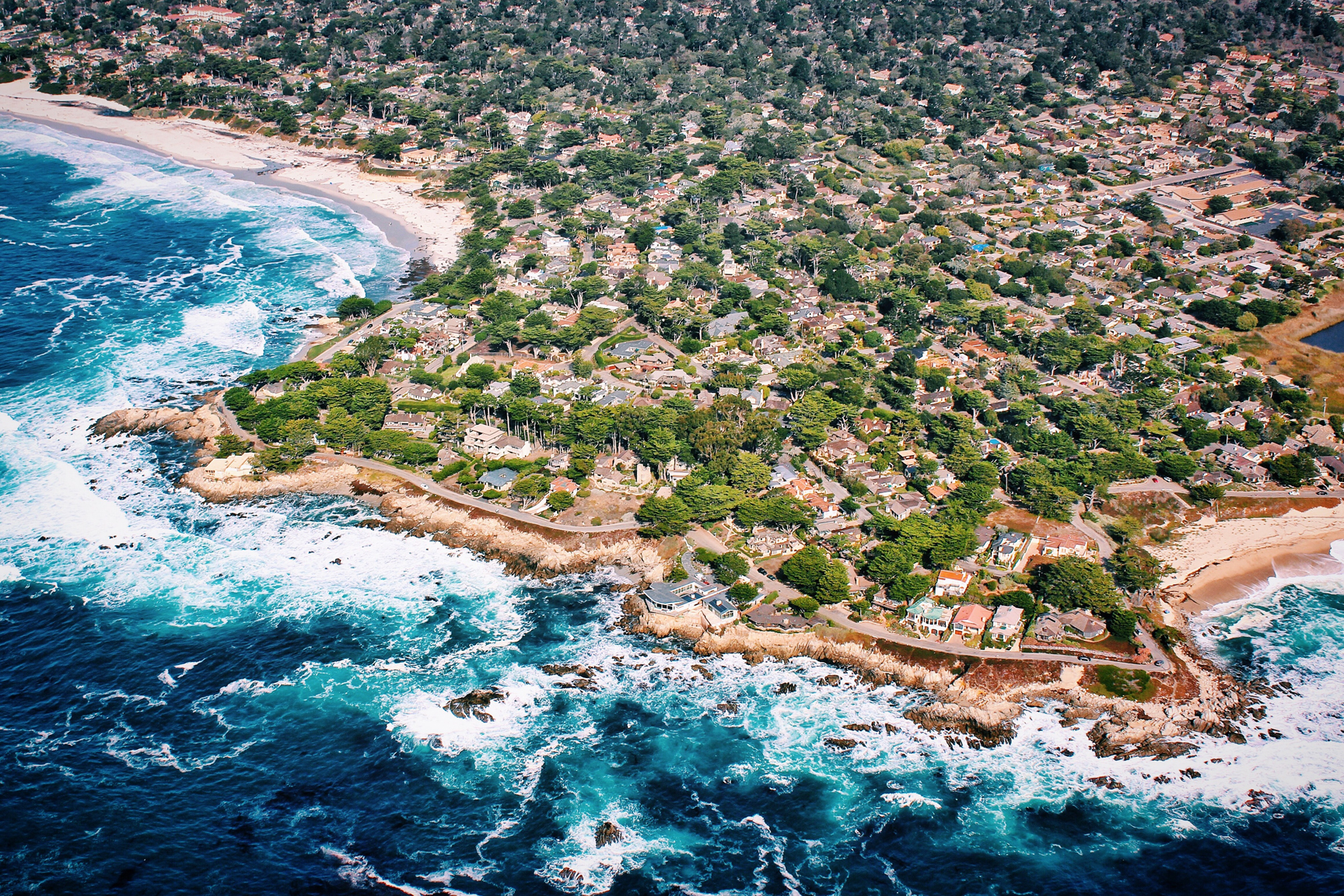
Few places on the California coast balance charm, beauty, and understated luxury as gracefully as Carmel-by-the-Sea. The village is compact, walkable, romantic, and deeply connected to the beach below it.
For a first-time visitor to the Monterey Peninsula, Carmel-by-the-Sea and Carmel Beach are essential. The experience is not simply about sightseeing. It is about wandering through courtyards, discovering small shops and galleries, walking down Ocean Avenue, and reaching one of the most beautiful white-sand beaches in California.
This guide is part of our larger article on the 5 must-see places on the Monterey Peninsula for a first-time visitor. If Pebble Beach feels legendary and Point Lobos feels wild, Carmel feels personal, romantic, and quietly luxurious.
Why Carmel-by-the-Sea Is a Must-See
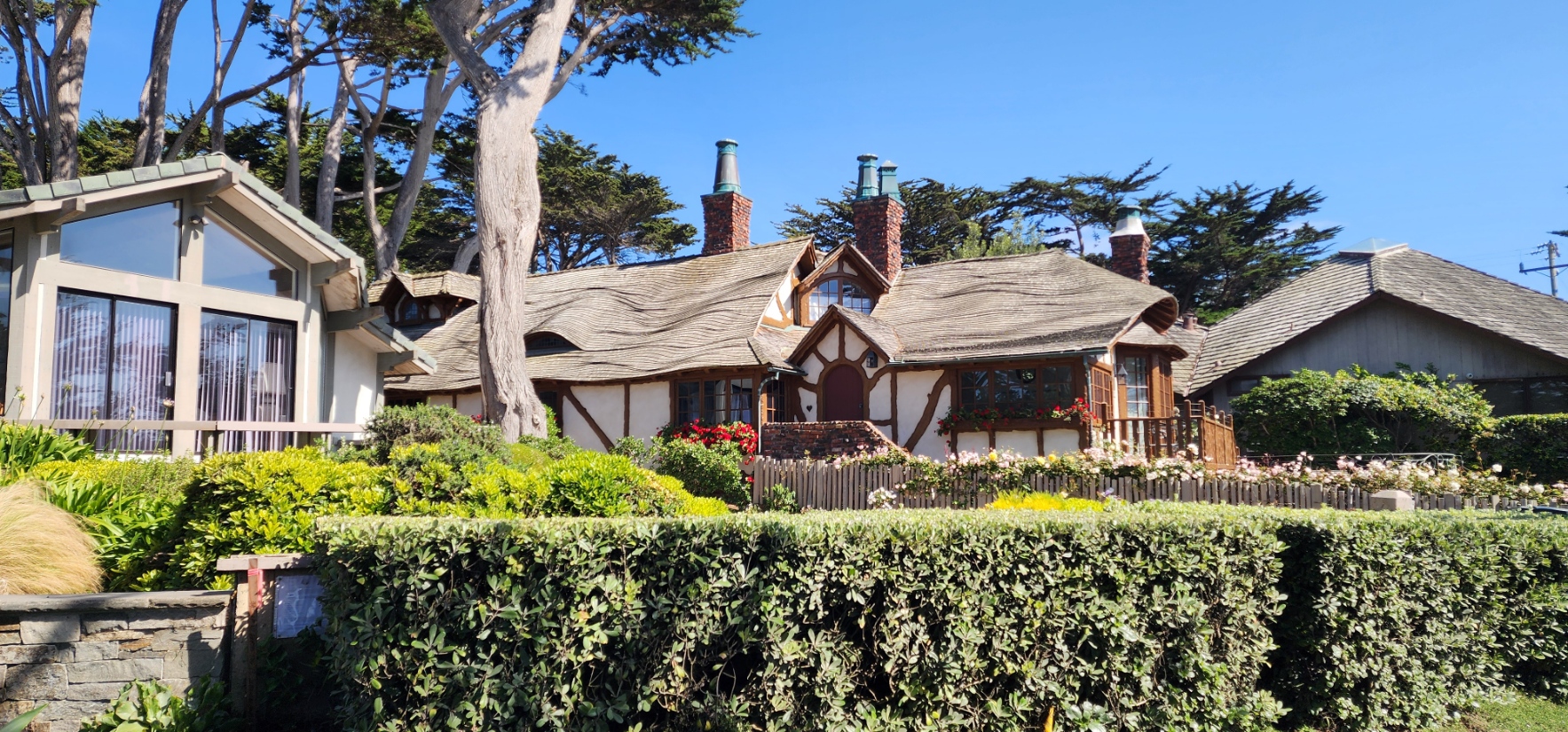
Carmel-by-the-Sea is one of California’s most distinctive coastal villages. It is known for storybook cottages, art galleries, courtyards, boutique shopping, restaurants, wine tasting rooms, and a planning tradition that has preserved much of its intimate village character.
For visitors, the pleasure of Carmel is that it does not need to be over-planned. You can start near Ocean Avenue, wander through side streets, discover hidden passageways, stop for coffee or wine, and eventually follow the slope of the village down to the sea.
To understand the village’s deeper evolution, read The Complete History of Carmel-by-the-Sea, California. For a more focused look at the coast, visit Carmel Beach and Scenic Road.
Start With Ocean Avenue
Ocean Avenue is the natural spine of Carmel-by-the-Sea. It leads from the village toward Carmel Beach and gives first-time visitors an easy way to experience the town’s charm. Along and around Ocean Avenue, you will find restaurants, galleries, courtyards, tasting rooms, boutiques, bakeries, and small architectural details that give Carmel its storybook personality.
The best approach is to walk slowly. Carmel rewards curiosity. Some of the most memorable places are tucked slightly off the main route: a quiet courtyard, a garden passageway, an independent shop, or a small restaurant that feels more discovered than advertised.
End at Carmel Beach
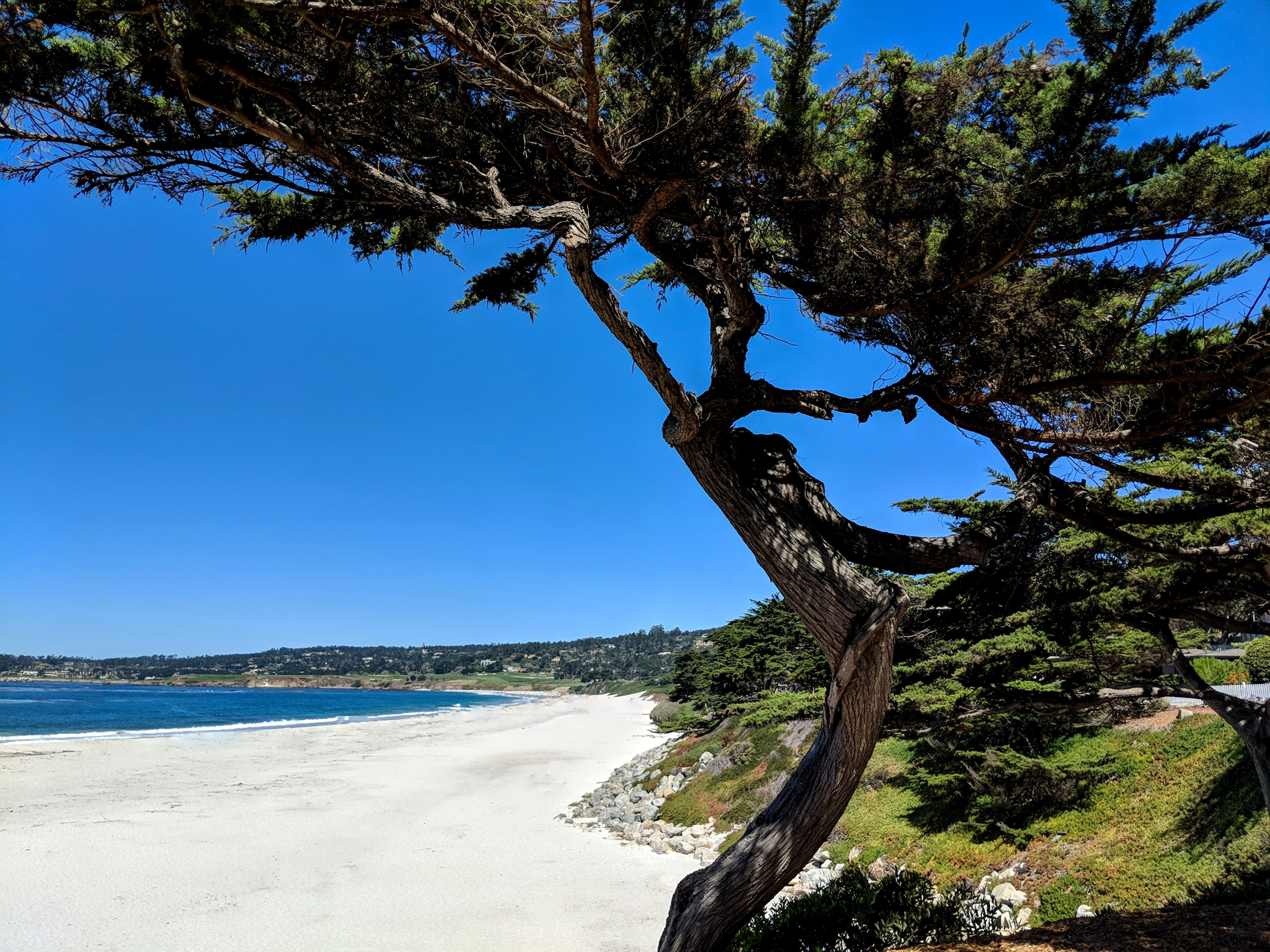
At the foot of Ocean Avenue, Carmel-by-the-Sea opens to Carmel Beach. The beach is broad, pale, and beautifully framed by cypress trees and views toward Pebble Beach and Carmel Point. It is one of the defining landscapes of the Monterey Peninsula.
Sunset at Carmel Beach is one of the classic first-time visitor experiences. Locals and visitors gather along the sand and bluff as the light turns gold over the Pacific. Dogs play in the surf, families settle into the evening, and the village seems to exhale toward the ocean.
Carmel Beach is more than a place to visit. It is a lifestyle anchor. The ability to walk from a cottage or village inn to one of California’s most beautiful beaches is central to Carmel’s enduring appeal.
Scenic Road and Carmel Point
If you have extra time, continue toward Scenic Road and Carmel Point. This area offers some of the most coveted coastal views in Carmel and a deeper sense of how the village relates to the beach, the bay, and the surrounding coastline.
Scenic Road is also important from a real estate perspective. The relationship between home, bluff, beach, and view helps explain why Carmel oceanfront real estate and Carmel ocean view homes are so highly valued.
The Real Estate Connection
Carmel’s visitor experience and real estate appeal are deeply connected. People often fall in love with the village first, then begin imagining what it would be like to live within walking distance of Ocean Avenue, Carmel Beach, or the quieter residential lanes above town.
Some buyers focus on Carmel Golden Rectangle homes, prized for their proximity to both town and beach. Others prefer Carmel walk-to-town homes, Carmel cottages for sale, or more private settings in the surrounding Carmel area.
For broader pricing context, visit the Carmel real estate market report. You can also browse all Carmel homes for sale.
A Suggested Carmel First-Time Visitor Itinerary
Begin with a late-morning walk through the village. Explore Ocean Avenue, side streets, courtyards, galleries, and tasting rooms. Enjoy lunch in town, then walk or drive down to Carmel Beach in the afternoon.
Before sunset, spend time along the sand or bluff. If you want to extend the day, continue along Scenic Road before returning to the village for dinner. Carmel is at its best when the schedule is loose enough to allow discovery.
Pair Carmel With Nearby Attractions
Carmel pairs beautifully with Point Lobos, 17-Mile Drive and Pebble Beach, and Carmel Highlands. A perfect first-time itinerary might include Point Lobos in the morning, Carmel village in the afternoon, and Carmel Beach at sunset.
For a broader overview, return to our complete guide to the 5 must-see places on the Monterey Peninsula.
Carmel-by-the-Sea and Carmel Beach FAQ
Is Carmel-by-the-Sea worth visiting on a first trip to the Monterey Peninsula?
Yes. Carmel-by-the-Sea is one of the essential first-time stops because it combines village charm, art galleries, boutique shopping, fine dining, distinctive architecture, and immediate access to Carmel Beach.
Can you walk from downtown Carmel to Carmel Beach?
Yes. Ocean Avenue leads from downtown Carmel directly to Carmel Beach. The walk from village to beach is one of the defining pleasures of visiting Carmel-by-the-Sea.
What is the best time of day to visit Carmel Beach?
Late afternoon and sunset are especially memorable, although mornings can be quieter and beautiful. For first-time visitors, sunset at Carmel Beach is a classic Monterey Peninsula experience.
Where should I walk in Carmel-by-the-Sea?
Start on Ocean Avenue, explore the courtyards and side streets, continue to Carmel Beach, and then walk along Scenic Road if you want coastal views and a deeper sense of the village’s oceanfront character.
Why is Carmel real estate so desirable?
Carmel real estate is desirable because of its village charm, beach access, limited inventory, architecture, walkability, coastal scenery, and enduring reputation as one of California’s most beloved small towns.