


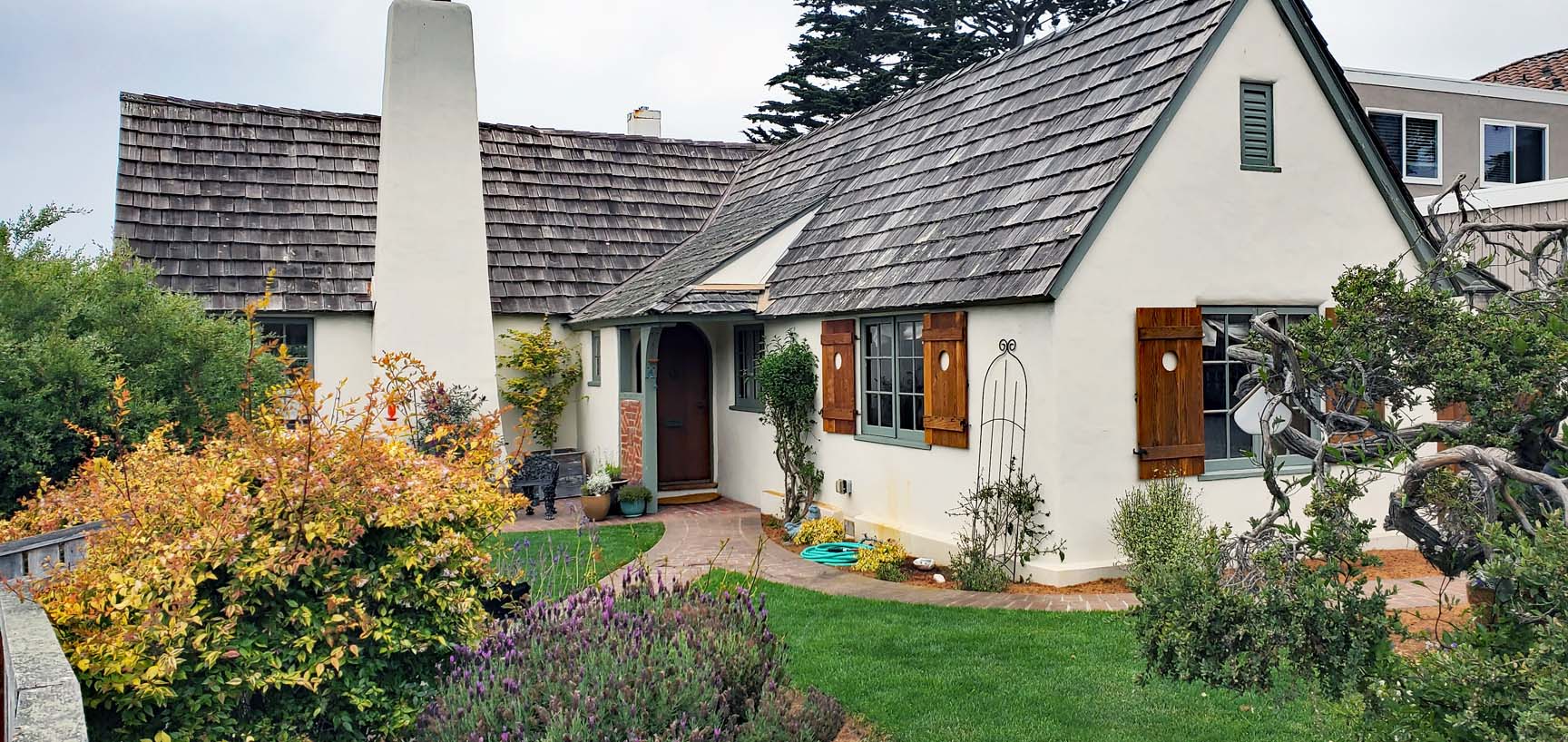
From Retreat to Residential: How Pacific Grove Became a Full-Time Coastal Community
Pacific Grove did not begin as a typical town. It started as a seasonal Methodist retreat—a place people visited for reflection, community, and time by the sea. Yet over time, it evolved into one of the Monterey Peninsula’s most desirable full-time residential communities.
That transition is key to understanding Pacific Grove today. It explains not only how the town developed physically, but also why it feels so cohesive, why inventory remains limited, and why demand continues to hold steady over time.
If you’re just joining this series, you may want to start with How Pacific Grove Began, explore the role of Lovers Point, or understand the importance of historic architecture in shaping the town.
 From Seasonal Retreat to Permanent Settlement
In its earliest years, Pacific Grove was not designed for full-time living. Visitors would arrive during the warmer months, stay in tents or small cottages, and leave when the season ended. The town’s infrastructure reflected this temporary pattern.
Over time, however, that began to change. As more people returned year after year, cottages became more permanent, services expanded, and the idea of year-round living took hold.
This gradual transition created a different kind of town—one that developed organically rather than through large-scale planning or rapid expansion.
The Influence of the Monterey Peninsula
Pacific Grove’s growth was closely tied to broader developments across the Monterey Peninsula. The rise of nearby destinations, including Hotel Del Monte in Monterey, helped bring visitors to the region, many of whom discovered Pacific Grove during their stay.
Transportation improvements and increased accessibility further supported this shift. What began as a remote retreat gradually became part of a connected coastal network, making longer stays—and eventually permanent residence—more practical.
A Town That Grew Without Overbuilding
One of the most important aspects of Pacific Grove’s evolution is what didn’t happen. Unlike many coastal communities in California, Pacific Grove did not undergo large-scale redevelopment or high-density expansion.
Instead, growth remained measured. Neighborhoods filled in gradually, homes retained their original character, and the overall scale of the town stayed consistent.
This has had a lasting impact. Today, Pacific Grove feels cohesive and balanced in a way that is increasingly rare along the California coast.
Why Inventory Remains Limited
The same factors that shaped Pacific Grove’s development continue to influence its housing market today. Preservation guidelines, limited land availability, and a commitment to maintaining the town’s character all contribute to constrained supply.
There are only so many homes in Pacific Grove—and relatively few opportunities to significantly increase that number.
This dynamic is one of the reasons the market tends to remain competitive, particularly for well-located homes near the coastline or within established neighborhoods.
To explore current opportunities, visit Pacific Grove homes for sale.
The Shift to Full-Time Coastal Living
As Pacific Grove matured, it became more than just a seasonal destination. Schools, local businesses, and community institutions developed to support year-round residents, transforming the town into a fully functioning coastal community.
That shift continues to define Pacific Grove today. It offers a different experience than resort-driven markets—one that prioritizes livability, walkability, and a strong sense of local identity.
For buyers, this often translates into a more grounded, community-oriented lifestyle compared to neighboring areas like Monterey Pebble Beach or Carmel.
The Modern Appeal of Pacific Grove
Today, Pacific Grove is defined by a combination of historic charm, coastal access, and limited supply. These factors create a market that behaves differently from more expansive or rapidly developing areas.
Buyers are often drawn to the town for its authenticity—its preserved architecture, its proximity to the ocean, and its sense of continuity over time.
That appeal is not new. It is the result of decades of measured growth and a consistent commitment to maintaining what makes Pacific Grove unique.
Why This Transition Still Matters
The evolution from retreat to residential community is not just a historical footnote—it is central to understanding Pacific Grove’s long-term value.
It explains why the town has avoided overdevelopment, why its neighborhoods feel cohesive, and why demand tends to remain strong even as market conditions shift.
In a broader sense, it highlights what Pacific Grove offers that many coastal communities no longer can: a true balance between place, lifestyle, and long-term sustainability.
Explore the complete history of Pacific Grove, California—from its Indigenous roots and Methodist founding to its coastal lifestyle, historic homes, and modern real estate appeal.
For a broader look at how Pacific Grove fits into the region, explore living on the Monterey Peninsula.
Explore Pacific Grove Real Estate