


Rancho Los Laureles: The Mexican Land Grant That Helped Shape Carmel Valley
Carmel Valley is known today for sunshine, vineyards, ranch properties, horse properties, luxury estates, and the relaxed country lifestyle of the 93924 zip code. But long before Carmel Valley became one of the Monterey Peninsula’s most desirable inland communities, it was shaped by land, water, ranching, family ownership, and the rancho culture of early California.
One of the most important chapters in that story is Rancho Los Laureles, a Mexican-era land grant that helped define the physical and cultural identity of Carmel Valley. The history of Rancho Los Laureles connects the Carmel River, early California families, cattle, horses, agriculture, road access, hospitality, and the land-based lifestyle that still influences the Carmel Valley real estate market today.
This article is part of our Carmel Valley history series. For the broader overview, start with The Complete History of Carmel Valley, California.
What Was Rancho Los Laureles?
Rancho Los Laureles was one of the historic Mexican land grants in present-day Carmel Valley, California. The name “Los Laureles” refers to the California bay laurel trees that grow in the area, a fitting name for a valley landscape defined by oaks, laurels, river corridors, grasslands, and hillsides.
The original rancho included thousands of acres along Carmel Valley and the Carmel River. In the rancho era, land was not divided into modern neighborhoods, subdivisions, or residential parcels the way it is today. Instead, large grants supported ranching, livestock, agriculture, family settlement, and regional travel.
That is one reason Rancho Los Laureles remains such an important part of Carmel Valley history. It helps explain why the valley still feels different from more compact Monterey Peninsula communities such as Carmel-by-the-Sea, Pacific Grove, Monterey, and Pebble Beach. Carmel Valley’s roots are tied to land, water, sun, privacy, ranching, and open space.
The Mexican Land Grant Era in California
To understand Rancho Los Laureles, it helps to understand the Mexican land grant era. After Mexico gained independence from Spain in 1821, Alta California gradually moved away from the Spanish mission system and toward private land ownership through large ranchos.
These land grants became central to California’s social and economic life. Ranchos were not simply large pieces of property. They were working landscapes. Families raised cattle and horses, grew crops, hosted travelers, held community gatherings, and created regional relationships that connected Monterey, Carmel, Salinas, the inland valleys, and the coast.
In Monterey County, the rancho era left a deep imprint. Many modern place names, roads, property boundaries, and historic landmarks still reflect this earlier period of land ownership. Carmel Valley’s identity as a ranching and country-living community can be traced directly to this chapter of California history.

The Boronda Family and Rancho Los Laureles
Rancho Los Laureles is closely associated with the Boronda family, one of the important early California families connected to Monterey County history. José Manuel Boronda, his family, and related landholders were part of the rancho story that shaped Carmel Valley’s early settlement and land use.
The Boronda family’s connection to the land helped establish a pattern that would remain important in the valley for generations: family ownership, agriculture, livestock, horses, hospitality, and a close relationship with the land itself.
In the rancho era, Carmel Valley was not a suburban extension of the coast. It was a working inland valley where the river, seasonal rainfall, grazing land, and access routes all mattered. The Boronda family and Rancho Los Laureles helped give the area a more permanent residential and agricultural identity.
Why the Carmel River Mattered
The Carmel River was central to the value and usefulness of Rancho Los Laureles. In early California, land with access to water carried enormous practical importance. Water supported people, livestock, agriculture, trees, gardens, and travel corridors.
The river also helped define movement through the valley. Long before Carmel Valley Road became the main modern route, the valley itself was naturally organized around the river corridor. Settlements, ranches, fields, and later roads followed the logic of the land.
That same relationship still matters today. Modern Carmel Valley buyers often respond to the same natural features that made the valley historically valuable: usable land, sun exposure, privacy, mature trees, views, proximity to the river, and access to open space.
If you are researching the modern market, you can explore the latest Carmel Valley homes for sale.
Ranching, Horses, and the Rural Character of Carmel Valley
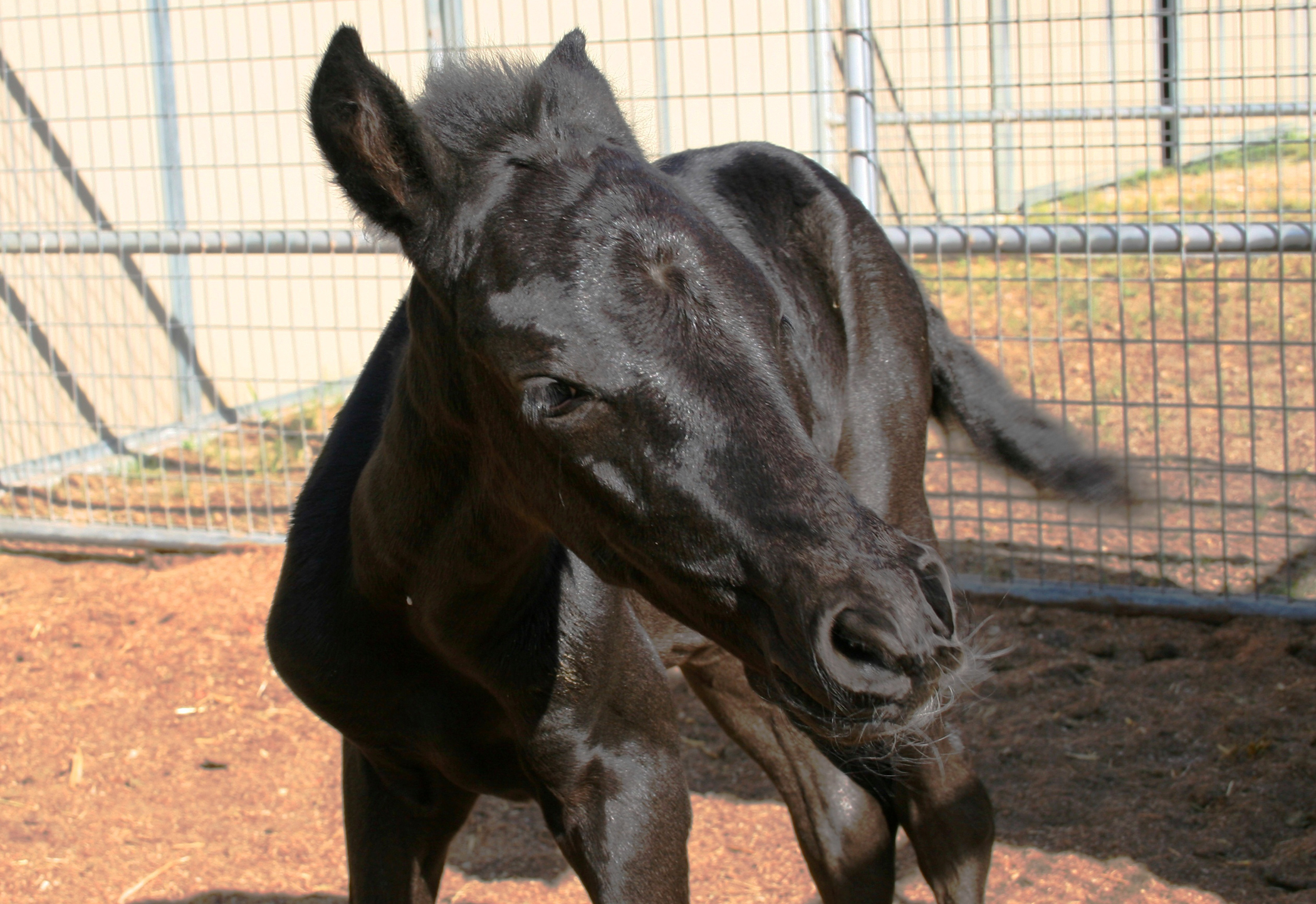
Rancho Los Laureles helped establish Carmel Valley as ranch country. Cattle, horses, grazing land, and agriculture were essential parts of daily life. That history still echoes through the valley today.
Unlike coastal Carmel-by-the-Sea, which became known for its walkable village, cottages, art colony, and beach lifestyle, Carmel Valley developed around larger parcels and a more rural rhythm. Land was not just a backdrop. It was the foundation of value.
That rural foundation is one of the reasons Carmel Valley remains one of the Monterey Peninsula’s strongest areas for equestrian and acreage-oriented properties. Buyers who want barns, paddocks, riding areas, pastures, or room for horses often look to Carmel Valley because the land-use history and property patterns are better suited to that lifestyle than many coastal neighborhoods.
To see current examples, visit Carmel Valley horse properties for sale.
How Rancho Los Laureles Connects to Carmel Valley Village
Present-day Carmel Valley Village sits within the broader historical landscape shaped by the rancho era. The Village is now known for tasting rooms, restaurants, shops, galleries, warm weather, and a relaxed local atmosphere, but its location reflects the valley’s older patterns of settlement and movement.
As roads improved and the valley became more connected to the coast, the Village emerged as a natural community center. It offered a gathering point for residents, ranching families, visitors, and later wine-country travelers.
Today, Carmel Valley Village remains the heart of the valley. It is one of the places where history, lifestyle, and real estate value come together. Buyers are often drawn to the area because it offers a rare combination: a sunny country setting with nearby dining, wine tasting, community life, and access to the broader Monterey Peninsula.
You can browse listings near the Village here: Carmel Valley Village homes for sale.
Roads, Ranches, and the Opening of Carmel Valley
As Carmel Valley became more connected to Monterey, Salinas, Carmel, and the coast, road access became increasingly important. Routes through and around the valley helped ranchers move livestock and goods, helped families connect with neighboring communities, and eventually helped make Carmel Valley more accessible for residents, visitors, and second-home owners.
Laureles Grade is one of the road names that still reflects the valley’s rancho heritage. It connects Carmel Valley with the Highway 68 corridor and the Salinas side of Monterey County, reinforcing how the valley has long served as a bridge between inland ranch country and the coastal Monterey Peninsula.
This history matters for modern real estate because Carmel Valley is not one single market. Access, location, road proximity, privacy, views, sun exposure, and distance from the coast can all affect value. A property near Mid Valley may appeal to a different buyer than a property near Carmel Valley Village, Cachagua, Tierra Grande, or the deeper reaches of the valley.
For current market activity, visit the Carmel Valley real estate market report.
From Rancho Land to Modern Carmel Valley Real Estate
Over time, the large rancho holdings of early California were divided, sold, transferred, mapped, and developed into the property patterns we see today. This transition from rancho land to modern ownership is one of the most important real estate stories in Carmel Valley.
The legacy of that transition can still be seen in the types of properties buyers find throughout the valley. Carmel Valley includes ranch-style homes, luxury estates, vineyard properties, horse properties, hillside retreats, gated communities, and rural acreage. The market is more varied than many people realize.
That variety is part of the appeal, but it also makes Carmel Valley a market where local knowledge matters. Two homes with similar square footage can have very different values depending on acreage, usability of land, views, privacy, water considerations, road access, condition, outbuildings, equestrian improvements, and proximity to Carmel Valley Village or the coast.
To better understand the middle part of the valley, explore Mid Valley Carmel Valley homes for sale.

Why Rancho Los Laureles Still Matters Today
Rancho Los Laureles still matters because it helps explain the soul of Carmel Valley. The valley’s appeal is not based only on its current homes, restaurants, wineries, or tasting rooms. Its appeal comes from something older: land, sunlight, water, horses, trees, open space, and the feeling of being connected to a real California landscape.
Many people discover Carmel Valley because they are looking for a home with more space than they can find along the coast. But they often fall in love with the valley because it feels rooted. The hillsides, ranch roads, mature oaks, historic names, vineyards, and older properties give the area a sense of continuity that cannot be manufactured.
That continuity is especially powerful for buyers looking for a legacy property. A Carmel Valley estate, ranch home, vineyard property, or equestrian property often represents more than a place to live. It can become a family retreat, a gathering place, a lifestyle investment, or a long-term connection to the Monterey Peninsula.
Rancho Los Laureles and the Modern Luxury Buyer
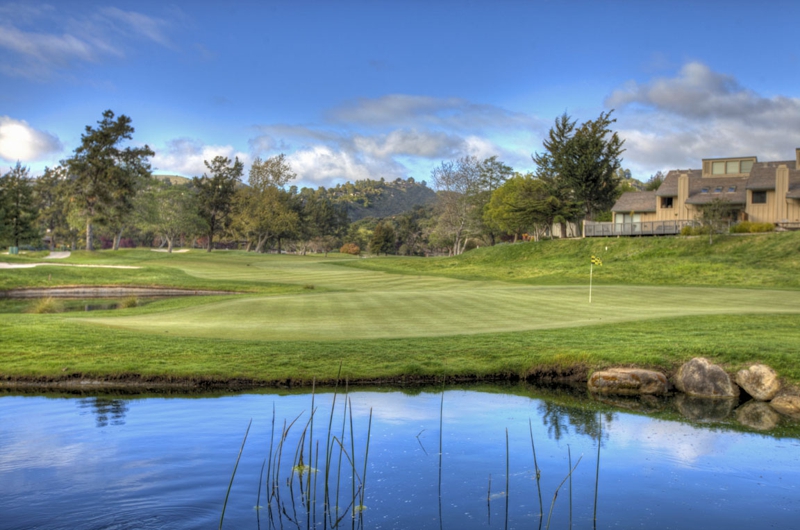
For today’s luxury buyer, Carmel Valley offers a different kind of Monterey Peninsula lifestyle. Pebble Beach is known for golf, ocean views, and gated prestige. Carmel-by-the-Sea is known for walkability, cottages, art, restaurants, and beach access. Pacific Grove is known for coastal charm, historic homes, and the recreation trail. Monterey is known for history, the harbor, Cannery Row, and city convenience.
Carmel Valley offers something else: sun, land, privacy, space, vineyards, horses, gardens, guest houses, pools, outdoor entertaining, and a more relaxed country setting close to the coast.
That identity is directly connected to the valley’s rancho past. The land was always the point. Today’s buyers may be looking for luxury finishes, updated kitchens, large terraces, wine storage, pool areas, or guest quarters, but the underlying draw remains the same: the rare chance to own land and privacy in one of California’s most beautiful regions.
Explore the broader lifestyle and market here: Carmel Valley real estate.
How Rancho Los Laureles Fits Into the Larger Monterey Peninsula Story
Rancho Los Laureles is also part of a much larger Monterey Peninsula story. Monterey served as an early political and military center of Alta California. Carmel-by-the-Sea grew around mission history, artists, architecture, and village preservation. Pacific Grove developed from a Methodist seaside retreat into one of the area’s most beloved coastal communities. Pebble Beach became internationally known for scenery, golf, and luxury living.
Carmel Valley’s role in this broader story is distinctive. It represents the inland, land-based, ranching, agricultural, and wine-country side of the Monterey Peninsula. Its history gives depth to the entire region and helps explain why buyers have so many different lifestyle choices within a relatively small geographic area.
For more regional context, you may also enjoy:
- The Complete History of Carmel-by-the-Sea, California
- The Complete History of Monterey, California
- The History of 17-Mile Drive on the Monterey Peninsula
- The Lone Cypress in Pebble Beach
Thinking About Buying or Selling in Carmel Valley?
If you are considering buying or selling a home in Carmel Valley, history is more than an interesting background story. It helps explain why certain properties are valuable, why land matters, why sun exposure and privacy are so important, and why Carmel Valley attracts a different buyer than the immediate coast.
Whether you are looking for a home near Carmel Valley Village, a Mid Valley property, a private estate, a horse property, a vineyard-style retreat, or a larger acreage opportunity, local expertise is essential. Carmel Valley properties can vary dramatically based on micro-location, land usability, access, views, improvements, water, condition, and lifestyle fit.
The Monterey Peninsula Home Team can help you evaluate those details and understand how Carmel Valley’s unique history and market conditions affect value today.
Start here: Search Carmel Valley homes for sale.
Rancho Los Laureles and Carmel Valley History FAQ
What was Rancho Los Laureles?
Rancho Los Laureles was a historic Mexican land grant in Carmel Valley, California. It included thousands of acres along the Carmel River and helped shape the valley’s early ranching, agricultural, and settlement patterns.
Why is Rancho Los Laureles important to Carmel Valley history?
Rancho Los Laureles is important because it connects Carmel Valley to the Mexican land grant era, early California ranching, the Boronda family, and the land-based identity that still influences the valley today.
Who was associated with Rancho Los Laureles?
Rancho Los Laureles is closely associated with the Boronda family and other early California landholders connected to Monterey County’s rancho period.
How did Rancho Los Laureles influence Carmel Valley real estate?
The rancho era helped establish Carmel Valley as a place defined by land, water, agriculture, horses, and open space. Modern Carmel Valley real estate still reflects those qualities through ranch properties, equestrian estates, vineyard homes, and larger parcels.
Is Carmel Valley still known for ranch and horse properties?
Yes. Carmel Valley remains one of the strongest areas on the Monterey Peninsula for buyers seeking ranch-style homes, horse properties, acreage, privacy, and outdoor living.
Where can I search for Carmel Valley homes for sale?
You can search current Carmel Valley homes for sale at searchmontereypeninsulahomes.com/carmel-valley-homes-for-sale/.