


Carmel’s Preservation Ethic: How the Village Protected Its Character
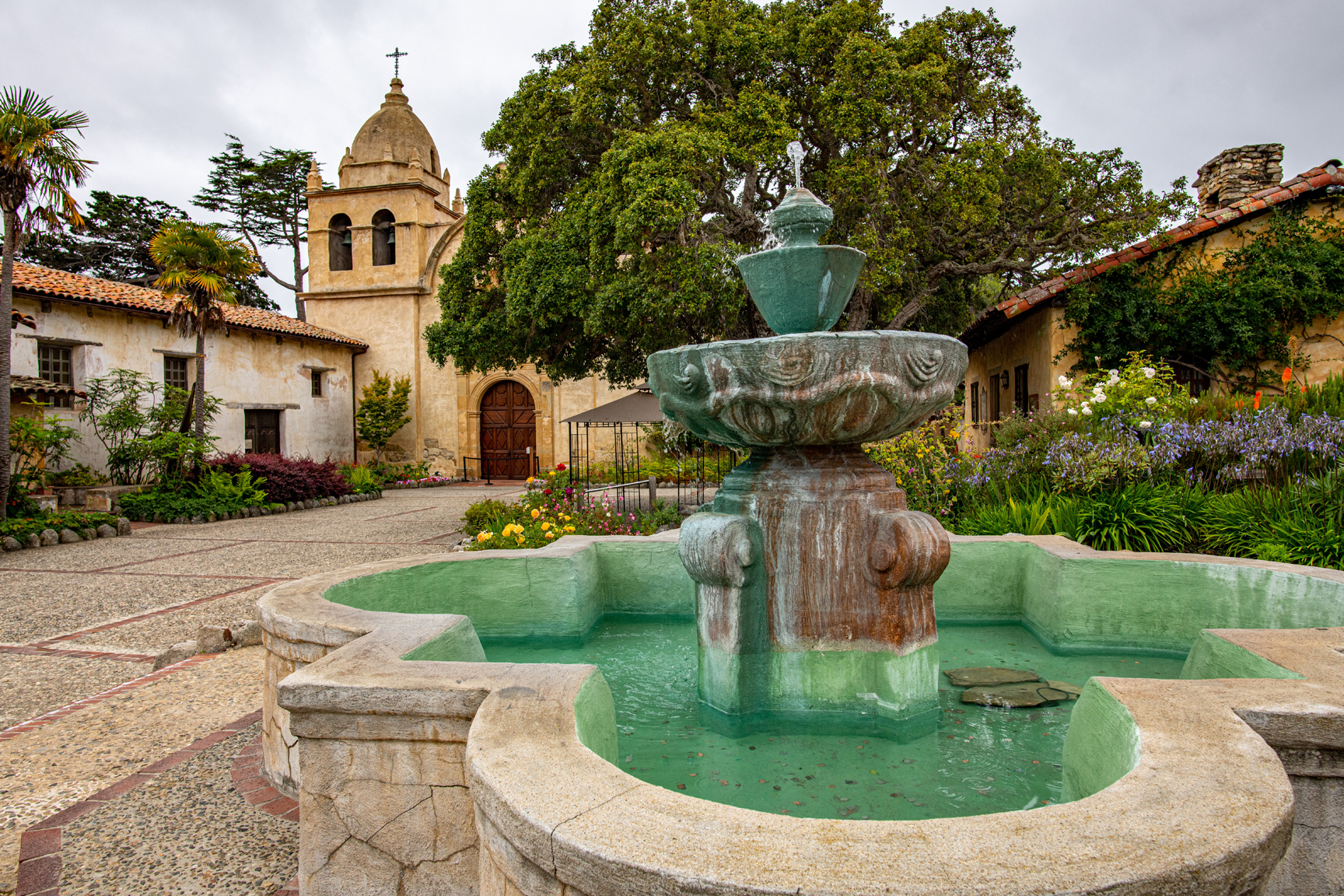
Carmel-by-the-Sea is one of the rare coastal communities that still feels deeply connected to its original identity. The village has changed, real estate values have risen dramatically, and visitors come from around the world, but Carmel still retains much of the charm that made it famous: cottages tucked among trees, walkable lanes, hidden courtyards, art galleries, white sand beach, and a sense that the town has resisted becoming ordinary.
That did not happen by accident. Carmel’s character has been protected through a long preservation ethic that includes historic preservation, design review, tree protection, coastal restraint, small-scale planning, and a community culture that values charm over standardization.
This preservation mindset is one of the main reasons Carmel real estate remains so distinctive. Buyers are not simply purchasing a home near the beach. They are buying into a village whose character has been guarded for generations.
This is the ninth article in our Carmel-by-the-Sea history series. The first article explored Carmel Mission and the Spanish colonial roots of Carmel-by-the-Sea. The second article looked at the First People of Carmel and the Indigenous history of the Monterey Peninsula. The third article traced Carmel’s transformation from rancho land to coastal village before incorporation. The fourth article explored Carmel’s artist colony. The fifth article focused on Robinson Jeffers, Tor House, and Carmel’s literary legacy. The sixth article explored Carmel’s architecture, cottages, and storybook homes. The seventh article explained why Carmel became famous for having no traditional street addresses. The eighth article explored Carmel Beach and Scenic Road. This article looks at how Carmel protected the character that makes all of those earlier chapters still visible today. Explore the complete history of Carmel-by-the-Sea, from Indigenous roots and Carmel Mission to the artist colony, storybook cottages, Carmel Beach, preservation, and luxury real estate.
Carmel’s Character Was Protected by Choice
Many beautiful coastal towns eventually lose the very qualities that made them attractive. Growth pressure, tourism, commercial expansion, oversized buildings, chain businesses, parking demands, and real estate speculation can slowly turn a distinctive place into something more generic.
Carmel-by-the-Sea faced many of those same pressures. Its beach, climate, architecture, artistic reputation, and Monterey Peninsula location made it highly desirable. But Carmel developed a strong tradition of saying no to changes that would weaken its village identity.
That tradition is sometimes described through Carmel’s quirks: no traditional street addresses for generations, no home mail delivery, no streetlights in many residential areas, no large-scale boardwalk-style beach development, and a long resistance to standard suburban features. But the deeper story is not just quirkiness. It is preservation.
 A Residential Village, Not a Conventional Resort Town
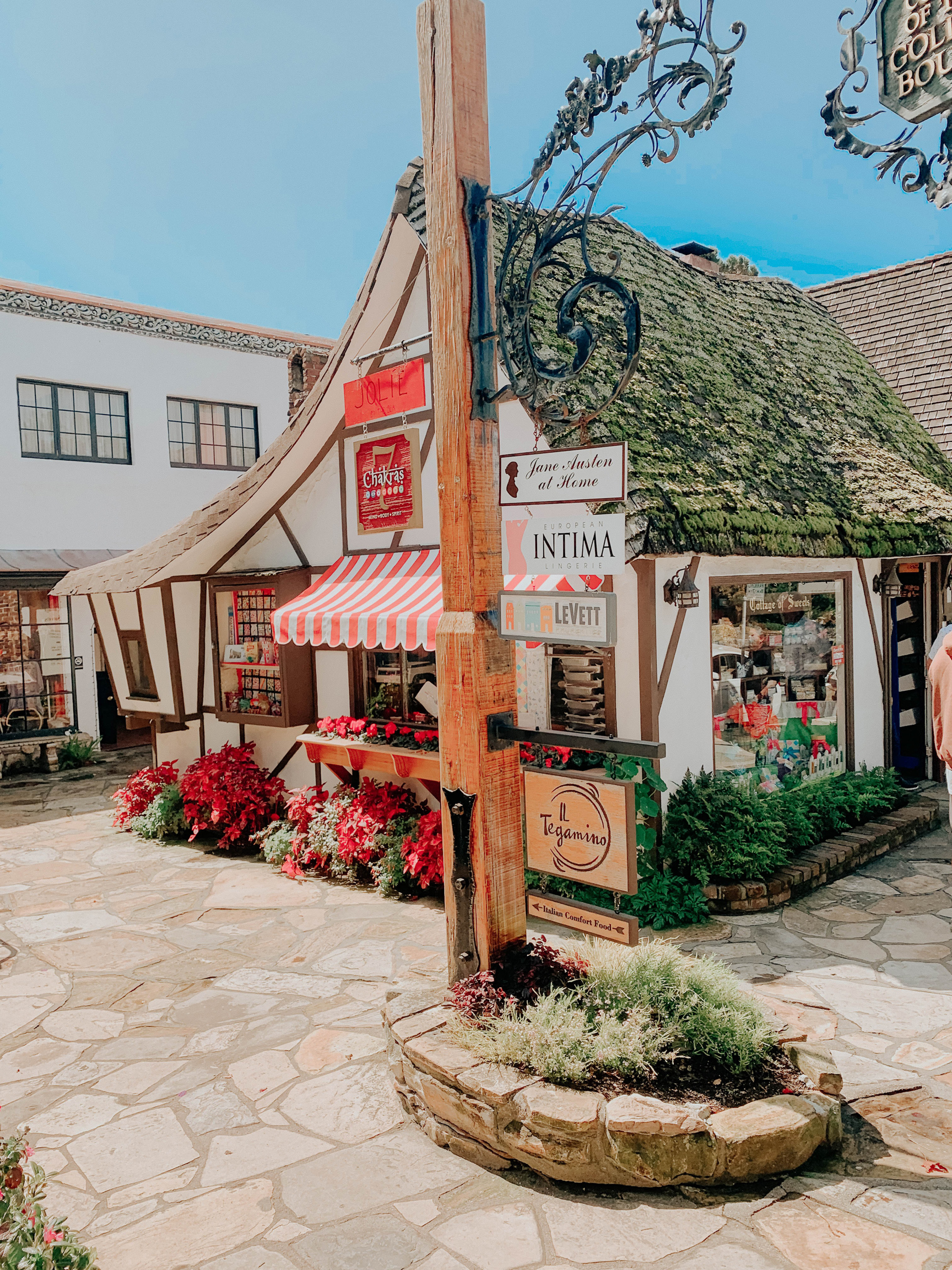
One of the most important ideas in Carmel planning is that the city sees itself as a residential village. That matters because it frames how development is evaluated. Carmel is not trying to become a high-density resort strip, a commercialized beach town, or a generic luxury subdivision.
The city’s design review standards are intended to promote and maintain Carmel’s special character as a compact residential village shaped by its natural setting. That includes respect for architecture, scale, landscape, and the creative variety that has always made Carmel visually distinctive.
This approach helps explain why Carmel feels different from many other expensive coastal communities. The point is not simply to make homes valuable. The point is to protect the setting that makes the village meaningful.
Historic Preservation as a Formal Program
Carmel’s preservation ethic is not only cultural. It is also formalized through the city’s historic preservation program.
The City of Carmel-by-the-Sea maintains a Historic Context Statement, a Historic Preservation Ordinance, and an Inventory of Historic Resources. These tools help the city identify historically significant buildings, structures, sites, districts, and archaeological resources that contribute to Carmel’s unique architectural, cultural, historic, and prehistoric identity.
This matters because Carmel’s charm depends heavily on its older buildings, early cottages, historic residences, artistic-era structures, and architectural variety. Without a preservation framework, those resources would be more vulnerable to demolition, inappropriate alteration, or replacement by buildings that do not fit the village.
Historic Status Review Before Exterior Alterations
One of the most practical ways Carmel protects historic character is through review before exterior changes. Projects involving exterior alterations such as a new roof, new siding, new windows, or additions require an evaluation of the property’s historic status before development review.
If a property is found to be historically significant, it may be listed on the Inventory of Historic Resources and subject to further review. Projects involving historic resources require review by the city’s historic preservation consultant and approval by the Historic Resources Board. Work must be consistent with the Secretary of the Interior’s Standards as well as Carmel’s municipal code and design regulations.
For homeowners, this can add process. But from a market perspective, it also protects the character that supports long-term value. Carmel’s historic homes and older cottages are part of the village’s brand. Protecting them helps protect the market itself.
The Historic Context Statement
A Historic Context Statement is a planning document that helps a community understand which themes, periods, people, architecture, and development patterns shaped its built environment. Carmel’s Historic Context Statement serves as a foundation for the city’s historic preservation program.
This type of document matters because preservation cannot work well if a community does not understand what it is trying to preserve. In Carmel, the important themes include Indigenous history, the mission era, the rancho and village development period, the artist colony, early builders, cottage architecture, literary history, commercial development, and the evolution of the village as a residential and cultural community.
By identifying those themes, Carmel can evaluate properties with more care and consistency. The goal is not to freeze every building in time. The goal is to understand which resources help tell the story of the village and how future changes should respect that story.
Design Review and the Carmel Look
Carmel’s design review process is one of the key tools used to maintain village character. The goal is not to require every building to look the same. In fact, Carmel is known for architectural variety. The goal is to make sure new work respects scale, setting, materials, neighborhood character, and the village’s relationship with the natural environment.
This is why Carmel can include storybook cottages, Craftsman influences, Tudor Revival details, Spanish Revival elements, stone houses, modernized historic homes, and carefully designed newer residences while still feeling cohesive.
What holds the village together is not uniformity. It is compatibility. Homes can be different from each other, but they should still feel like they belong in Carmel.
The “Village in a Forest” Character
Carmel’s forested setting is central to its preservation identity. The village is not just a collection of buildings near a beach. It is a village among trees. The relationship between homes, gardens, streets, and the forest canopy is one of Carmel’s defining visual qualities.
Community design discussions have repeatedly emphasized the importance of maintaining a “village in a forest” character, with layered landscaping, filtered views, rustic gardens, and homes nestled into their settings rather than dominating them.
This is one of the reasons landscaping matters so much in Carmel. A home’s value is not only inside the walls. It is also in the way the home sits among trees, courtyards, gates, garden walls, and informal plantings.
Tree Protection and Natural Setting
Carmel’s preservation ethic includes protection of the natural environment, especially trees. Mature trees help create privacy, shade, enclosure, softness, and continuity between the built and natural worlds.
In many communities, trees are treated as landscaping. In Carmel, they are part of the city’s identity. The forested canopy softens architecture, shapes streetscapes, protects privacy, and reinforces the feeling that homes are placed within a natural setting rather than imposed on it.
For real estate, this matters because mature landscaping and tree canopy can be major value drivers. A home tucked behind old trees, stone walls, and layered gardens often feels more authentically Carmel than a property stripped of landscape character.
Small Scale as a Form of Preservation
Carmel’s scale is one of its greatest assets. The village is compact, walkable, and human-scaled. Homes often sit on smaller lots. Streets feel intimate. Commercial activity is concentrated but not overwhelming. The beach and village core remain closely connected.
Preserving this scale has been essential. If Carmel had allowed oversized buildings, broad commercial corridors, or large-scale beach development, the village would feel completely different today.
Small scale is not a limitation in Carmel. It is part of the luxury. Buyers often choose Carmel because they want intimacy, charm, walkability, and a slower pace. The ability to walk from a cottage to coffee, dinner, galleries, the post office, and Carmel Beach is one of the defining lifestyle benefits.
Resisting Over-Commercialization
Carmel’s resistance to over-commercialization is another major part of its preservation story. The village has long valued independent shops, galleries, restaurants, inns, and small-scale commercial life over large chain-driven development.
This is important because commercial character affects residential value. A village filled with local businesses, courtyards, galleries, and restaurants feels very different from a town dominated by standardized storefronts and highway-style commercial design.
For buyers, that difference matters. Carmel’s commercial village supports the residential experience. It gives homeowners a place to walk, dine, browse, meet friends, and participate in the rhythm of the town.
Why the Beach Was Not Overbuilt
One of Carmel’s most important preservation achievements is what did not happen along the beach. Carmel Beach did not become a boardwalk district, amusement zone, high-rise hotel strip, or heavily commercialized waterfront.
Instead, the coastline remains central to community life while retaining a natural, open, and relatively restrained character. Scenic Road, the bluff pathway, beach access points, and nearby homes connect the village to the coast without overwhelming the beach itself.
This restraint is a major reason Carmel Beach remains so emotionally powerful. The beach feels like a natural public treasure rather than a commercial product.
Preservation and Real Estate Scarcity
Carmel’s preservation ethic contributes directly to real estate scarcity. The village is geographically limited, tightly developed, and highly protective of its character. There is no easy way to create more classic Carmel cottages near the beach or village core.
That scarcity supports long-term value. Buyers seeking the classic Carmel lifestyle are competing for a limited inventory of homes in a limited setting. When a property combines location, architectural charm, privacy, and walkability, demand can be intense.
This is especially true in areas such as the Golden Rectangle, Carmel Point, and the village core. Explore current Carmel Golden Rectangle homes for sale to see how preservation, walkability, and limited supply influence buyer demand.
Preservation Does Not Mean Nothing Changes
It is important to understand that preservation does not mean Carmel never changes. Homes are remodeled. Older properties are restored. New homes are built. The village has recently moved toward implementing street numbers for homes and buildings. Restaurants and shops evolve. Buyer expectations change.
The question is not whether Carmel changes. The question is how it changes.
Good preservation allows a community to adapt without losing its soul. In Carmel, that means modernizing where necessary while protecting scale, architecture, landscape, walkability, and the village’s relationship to the coast.
The Address Change as a Preservation Case Study
Carmel’s recent decision to add street numbers is a useful example of how the village balances tradition with function. For generations, Carmel was famous for having no traditional street addresses. That tradition reinforced the town’s identity and became one of its best-known quirks.
But modern emergency response, mapping technology, banking, insurance, deliveries, and public safety systems increasingly rely on precise addresses. Carmel’s move toward street numbers reflects a practical update. At the same time, the city has emphasized that the P.O. Box mail tradition remains in place.
This is preservation in a living community. Carmel can modernize a functional system while still protecting the traditions and character that matter most.
Why Buyers Respond to Preserved Character
Buyers respond to Carmel because it feels authentic. The village has not been smoothed into sameness. Its charm comes from irregularity, texture, older homes, gardens, courtyards, trees, stone, and the sense that the town has been shaped by artists, writers, residents, and preservation-minded choices over time.
That authenticity creates emotional value. A buyer walking into a Carmel cottage may respond to details that do not show up neatly on a spreadsheet: a garden gate, a stone fireplace, filtered light through trees, a handmade door, or the ability to hear the ocean on a quiet evening.
Those emotional responses drive real estate decisions. Carmel’s preservation ethic helps protect the conditions that make those responses possible.
What Sellers Should Understand
For sellers, Carmel’s preservation ethic has an important marketing lesson: do not strip away the very qualities buyers value.
Updated kitchens, improved baths, better systems, and thoughtful renovations can absolutely strengthen value. But heavy-handed remodels that erase character may weaken a home’s emotional appeal. In Carmel, old beams, plaster texture, stonework, cottage scale, garden privacy, and architectural personality can be major selling points.
The best marketing strategy is often to frame the home within Carmel’s larger preservation story. Buyers need to understand not only what the property offers, but why it belongs to this village.
What Buyers Should Understand
For buyers, Carmel’s preservation rules and design culture are part of the ownership experience. A buyer considering a remodel, addition, or exterior change should understand that Carmel may require historic review, design review, tree considerations, and compatibility with village character.
That process can feel more involved than in less regulated communities, but it also helps protect the value of the whole village. Owners benefit from the fact that neighboring properties are also subject to expectations designed to preserve character.
In other words, preservation is not only a restriction. It is also a form of protection.
Why Preservation Can Help Sellers
For Carmel sellers, preservation is not just a regulatory concept. It can be a major marketing advantage. Buyers who are drawn to Carmel-by-the-Sea are often looking for the very qualities preservation helps protect: historic character, cottage scale, mature trees, garden privacy, stonework, walkability, and a home that feels connected to the village rather than interchangeable with other luxury markets.
When a property retains its authentic Carmel character, that history can help create emotional demand. A preserved cottage, a thoughtfully restored exterior, original architectural details, a private courtyard, or mature landscaping can give buyers a reason to remember the home and justify a premium. In many markets, older features may be seen as obstacles. In Carmel, the right historic and architectural features can become part of the value story.
For that reason, sellers should be careful not to market a Carmel home only by square footage, bedroom count, or recent updates. Those details matter, but the strongest positioning often comes from explaining how the property fits into Carmel’s larger preservation story. A home that reflects the village’s character can stand out because it offers something buyers cannot easily recreate: authenticity, charm, and a true sense of place.
Carmel’s Character Is Its Competitive Advantage
Many luxury markets compete on views, size, amenities, or exclusivity. Carmel has those elements, but its greatest competitive advantage is character.
The village feels rare because it is rare. Its architecture, scale, beach access, artist colony history, literary legacy, cottages, gardens, and preservation ethic work together to create a market that cannot be easily replicated.
Explore current Carmel homes for sale to see how historic character, village walkability, architecture, and coastal setting continue to shape one of California’s most distinctive real estate markets.
Why This Chapter Matters in the Carmel History Cluster
The preservation chapter is essential because it explains why the earlier chapters still matter. Carmel Mission, the Indigenous landscape, the rancho period, the artist colony, Robinson Jeffers, cottage architecture, the no-address tradition, and Carmel Beach all could have become little more than historical footnotes if the village had not protected its character.
Instead, Carmel’s preservation ethic helped keep those layers visible. The result is a village where history, architecture, landscape, and lifestyle still reinforce one another.
In the next article in this series, we will explore how Carmel evolved from a bohemian artist village into one of California’s most desirable luxury real estate markets while still retaining much of the character that made it famous.
Thinking About Buying or Selling in Carmel?
If you are considering buying or selling a home in Carmel-by-the-Sea, understanding the village’s preservation ethic can help you better understand why certain properties command such strong emotional and financial appeal. In Carmel, location matters, but so do architecture, scale, landscape, history, and sense of place.
The Monterey Peninsula Home Team helps buyers and sellers navigate the Carmel real estate market with local knowledge, neighborhood insight, and a deep appreciation for what makes this community so special.
Explore current Carmel homes for sale, learn more about Carmel Golden Rectangle homes for sale, or browse Carmel oceanfront real estate to see how Carmel’s preservation ethic, village traditions, and coastal lifestyle continue to shape one of California’s most desirable housing markets.