


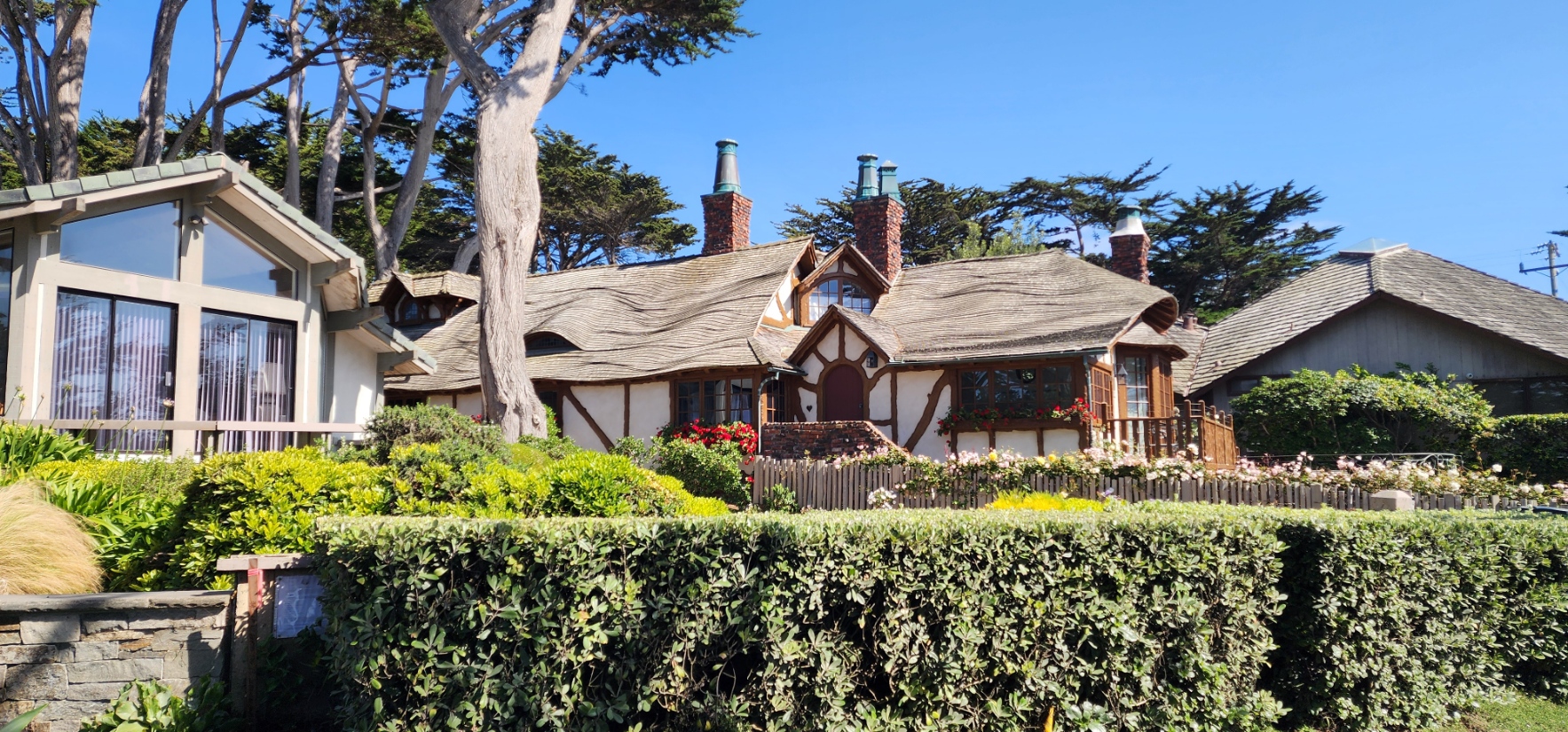
Carmel-by-the-Sea's new street addresses are now live. The City has finalized address assignments, property owners are being officially notified of their new numbers, and assigned addresses can now be found on the City's address map.
One important Carmel tradition has not changed: standard mail is still delivered through P.O. Boxes at the Fifth Avenue post office rather than to individual homes.
View the City of Carmel-by-the-Sea street address information →
For generations, one of Carmel-by-the-Sea's most famous quirks was that homes in the village did not have conventional numbered street addresses.
Instead of saying “123 Main Street,” residents, visitors, delivery drivers and real estate professionals relied on cross streets, house names, directional descriptions, landmarks and a little local knowledge.
That tradition became part of Carmel's identity.
Like the village's storybook cottages, hidden courtyards, informal lanes, limited street lighting and devotion to charm over standardization, the absence of house numbers helped make Carmel feel unlike almost anywhere else in California.
But after roughly 110 years as an incorporated city without a conventional street-address system, Carmel has entered a new chapter.
In 2026, Carmel-by-the-Sea implemented standard street addresses for properties throughout the village.
The remarkable part is not simply that Carmel finally adopted addresses.
It is how long the community resisted them — and how carefully the City is trying to modernize without eliminating the traditions residents still value.
This is the seventh article in our Carmel-by-the-Sea history series. Earlier chapters explore Carmel Mission, the First People of Carmel, Carmel before incorporation, Carmel's artist colony, Robinson Jeffers and Tor House, and Carmel's architecture and storybook cottages.
The chapters that follow explore Carmel Beach and Scenic Road, Carmel's preservation ethic, and Carmel's evolution from a bohemian village into a luxury real estate market.
Explore the complete history of Carmel-by-the-Sea →
A Village That Resisted Ordinary Conventions
Carmel-by-the-Sea has never been a community that particularly wanted to feel ordinary.
From its early years as an artist colony and village by the sea, Carmel valued individuality, beauty, informality and a certain resistance to standardization.
That spirit showed up in the village's architecture, gardens, streets, businesses, public spaces and local customs.
Carmel became known for cottages with names, tree-shaded streets, hidden courtyards, small shops, galleries and homes that often seemed more like personal expressions than standardized real estate products.
In that environment, the absence of conventional street numbers almost made sense.
It reinforced the idea that Carmel was not trying to become just another California city.
Carmel Had Been Arguing About House Numbers for a Century
The 2026 decision may seem sudden to people who only recently became aware of the issue.
It wasn't.
Carmel had been debating house numbers for approximately a century.
1904: Carmel received its first post office.
1925: The postmaster asked that houses be numbered.
1925: Carmel residents organized opposition to house numbering.
1926: City trustees passed a house-numbering ordinance, but a postal inspector rejected home mail delivery in Carmel.
1940: The house-number ordinance was repealed.
1953: Carmel protested the possibility of California requiring house numbers statewide.
2000: The City Council revisited street delivery and tabled the discussion.
2021–2022: The City again began formally researching a street-address system.
2025–2026: The City moved through the formal ordinance and implementation process.
2026: Standard Carmel-by-the-Sea street addresses went live.
That history helps explain why this was never simply an administrative question.
For many residents, house numbers represented something larger: whether Carmel would continue doing things its own way or gradually become more conventional.
How People Found Homes Without Street Addresses
For decades, locating a Carmel home required a different kind of navigation.
Instead of relying on a house number, people often used descriptions based on streets, intersections, direction and a property's location within a block.
A traditional Carmel property location might be described as being on a particular street between two cross streets, on the east or west side of the street, or a certain number of lots from a corner.
Real estate listings became particularly good at this.
Someone familiar with Carmel might immediately understand a description such as “San Carlos, 3 SE of 10th.”
Someone unfamiliar with the village might reasonably wonder where on earth that was.
Longtime residents, local agents and service providers usually learned the system.
Visitors, delivery drivers, contractors, emergency responders and modern mapping systems sometimes had a more difficult time.
House Names Became Part of Carmel's Identity
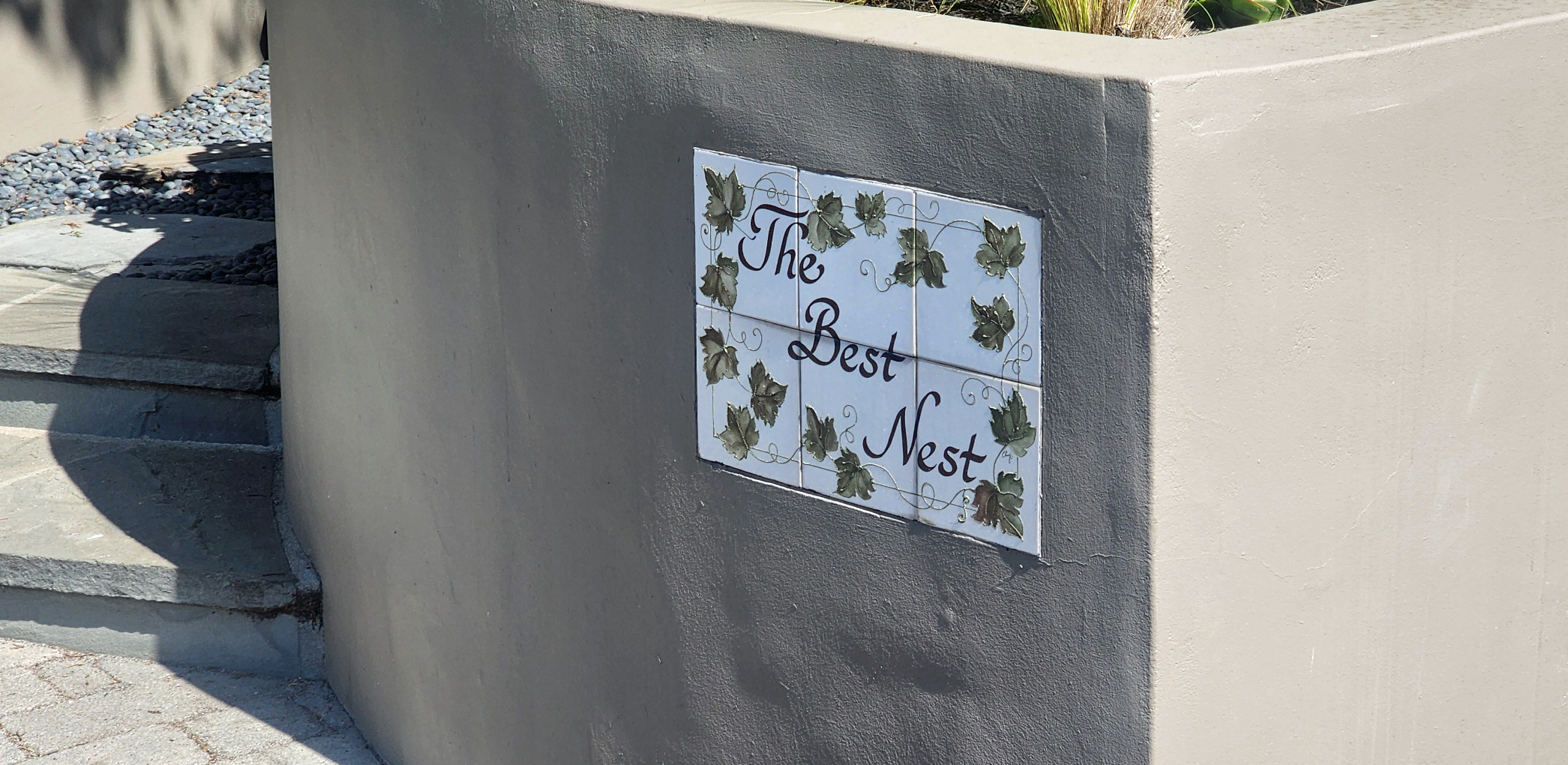
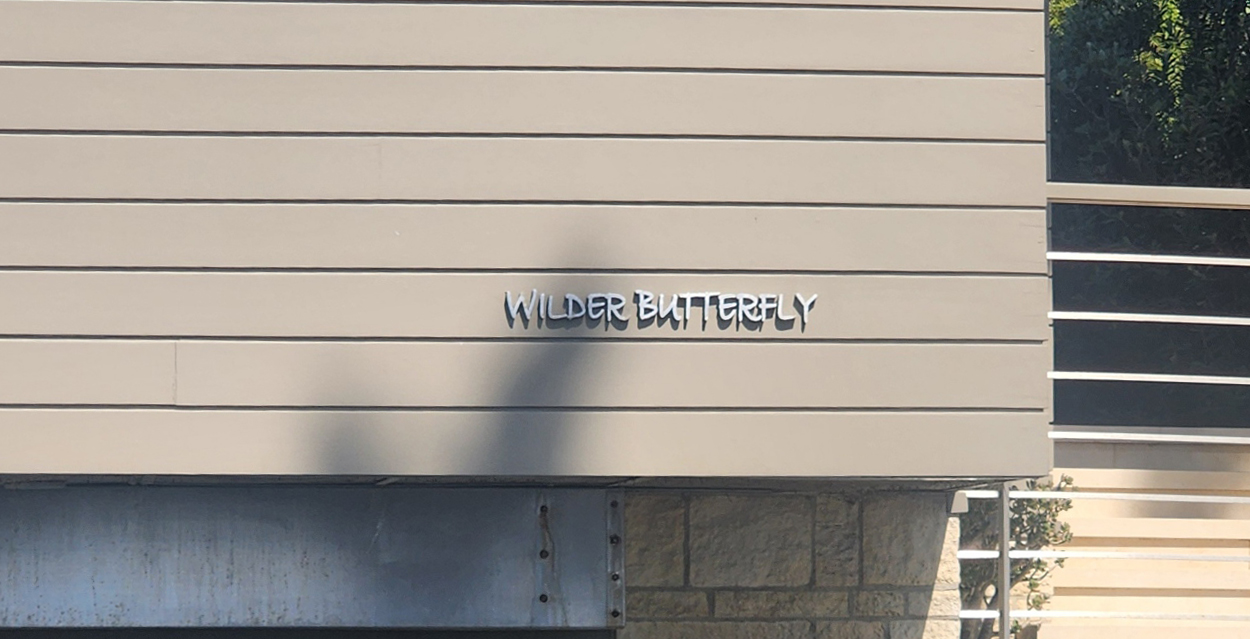
One of the most charming consequences of Carmel's address tradition was the widespread use of house names.
Many cottages and residences acquired names reflecting their architecture, setting, history, owners or simply someone's imagination.
That tradition fit Carmel perfectly.
In a village shaped by writers, artists, builders and independent-minded residents, naming a house made it feel less like a parcel and more like a character in the larger Carmel story.
And this part of the tradition does not have to disappear.
The City's current street-address FAQ specifically says owners can continue displaying their house-name signs, subject to existing Carmel sign standards.
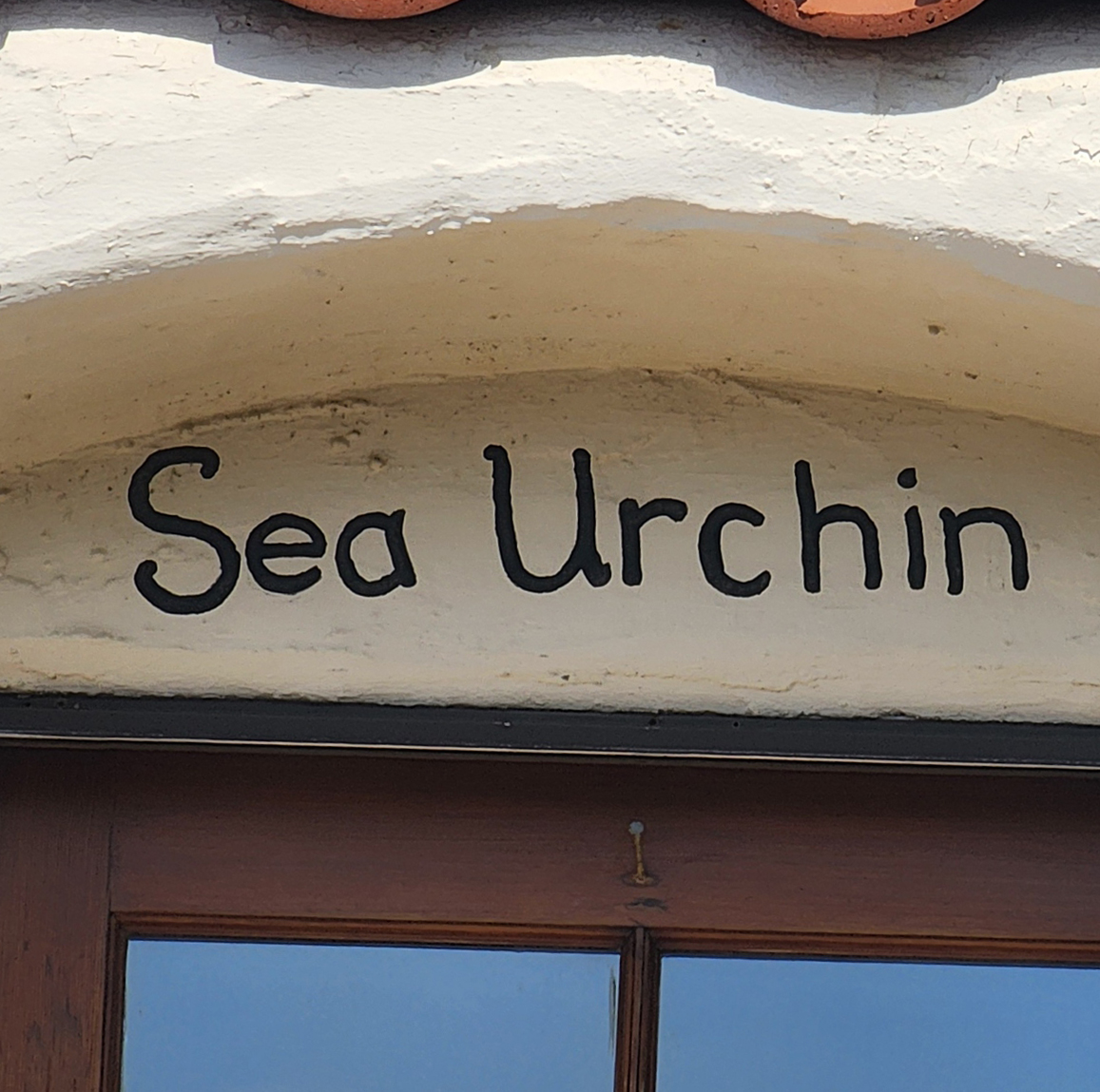
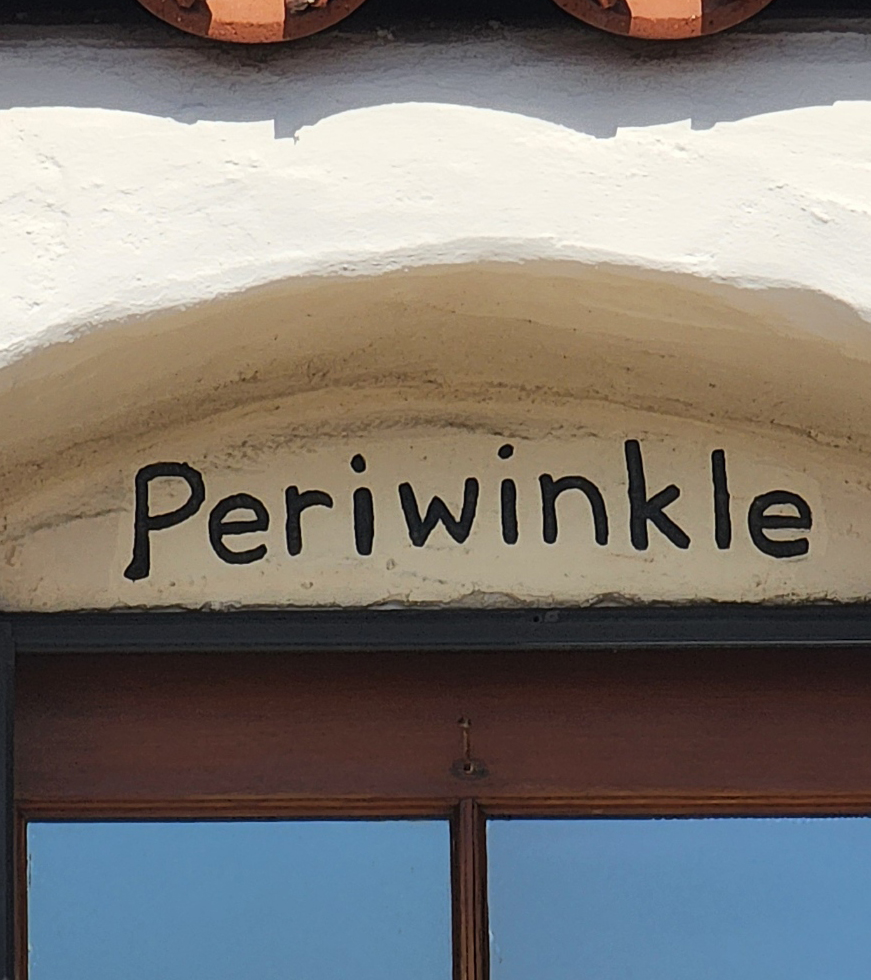
A Carmel cottage can therefore have both a practical street number and a name such as Sea Urchin, Periwinkle or any of the countless other names residents have given their homes over the years.
The P.O. Box Tradition Is Staying
Carmel's lack of conventional street addresses has always been closely connected to another unusual local tradition:
Residents go to the post office to get their mail.
For generations, standard mail has been delivered through P.O. Boxes rather than to individual residences.
That arrangement became more than a postal system.
For many residents, a trip to the Fifth Avenue post office became part of the rhythm of village life.
Neighbors could run into one another, exchange news and maintain a kind of informal community contact that is increasingly rare elsewhere.
This is why one of the biggest misunderstandings about the new address system is that street addresses automatically mean mailboxes and door-to-door mail delivery.
They do not.
The City says home mail delivery will not be implemented as part of the address program.
Standard mail will continue to be delivered through P.O. Boxes at Carmel's Fifth Avenue post office.
The City also says USPS cluster-box units will not be installed simply because street addresses now exist.
That distinction is important.
Carmel is modernizing the way properties are identified without necessarily eliminating one of the social traditions that helped make the village unusual.
Why Carmel Finally Adopted Street Addresses
The world surrounding Carmel changed dramatically during the century that the village resisted conventional addresses.
Modern life increasingly depends on precise location data.
Emergency response, digital mapping, package delivery, insurance, banking, online commerce, building-code compliance, property records and service providers commonly assume that a building has a standardized address.
That created increasingly practical problems for a community relying on intersection descriptions and parcel-based identifiers.
Public safety became an especially important part of the discussion.
California building and fire codes contain address-identification requirements intended to help buildings be located quickly and clearly.
The City's eventual solution was to separate two issues that had historically been intertwined:
Giving every property an official street address does not require Carmel to adopt home mail delivery.
Once those two questions were treated separately, the City could address modern identification and public-safety needs while preserving the downtown post-office tradition.
What Changed in 2025 and 2026?
After years of renewed research and public discussion, Carmel moved from studying the issue to implementation.
The formal ordinance was introduced at the December 2, 2025 City Council meeting and subsequently adopted in January 2026.
The old system of identifying a building largely through its relationship to the nearest intersection was replaced with a standardized street-address framework.
During the first half of 2026, the City worked through address assignments, mapping, notification procedures, display guidelines and coordination with agencies and service providers.
The system is now live.
The City's official street-address page now allows residents and property owners to locate assigned addresses on the Carmel-by-the-Sea Address Assignment Map.
The City says property owners will receive official notification of their assigned address. Owners of multi-unit buildings are responsible for notifying tenants and displaying appropriate unit identifiers.
This is no longer a proposed or draft address system.
Carmel properties now have official standard street addresses.
What Property Owners Need to Know
Implementation does not mean homeowners have to reinvent everything at once.
The City says owners currently do not need to contact PG&E, Comcast, CalAm Water or GreenWaste simply to change the point-of-service address. Carmel provided approved addressing data to those utility providers and continues working with them during the transition.
Address numbers do, however, need to comply with the City's display guidelines.
There is an additional public-safety requirement for residential properties located within Carmel's designated Wildland Urban Interface areas: those properties must display reflectorized address numbers.
Owners should use the City's current Street Addresses page for the latest display requirements, maps and implementation guidance.
New Numbers, Same Traditions
The City has summarized the change with an appropriate phrase:
“New Numbers. Same Traditions.”
That is really the heart of what Carmel is attempting.
There are now conventional addresses.
But residents can still maintain house names.
They still collect standard mail at the post office.
The village has not suddenly added suburban mailboxes to every cottage.
And a numbered address does not change the architecture, gardens, trees, courtyards, beach access or village scale that make Carmel distinctive.
What This Means for Carmel Real Estate
For buyers and sellers, the transition is primarily a practical modernization.
A standardized address can make it easier to identify a property across mapping systems, inspections, appraisals, insurance, lending, deliveries, emergency services and other systems that expect a conventional location.
That may be particularly helpful for out-of-area buyers who have never encountered Carmel's traditional location descriptions.
At the same time, the deeper value of Carmel real estate never depended simply on the absence of street numbers.
Carmel's value comes from architecture, walkability, Carmel Beach, limited supply, mature landscaping, village character, history, preservation and emotional appeal.
A cottage does not become less authentically Carmel because a number appears near the front door.
The stone fireplace, garden gate, storybook architecture, walk-to-town location and proximity to the beach remain much more important to how buyers experience the property.
Will Street Numbers Change Carmel's Character?
That has always been the larger question.
For some longtime residents, living without street numbers became part of Carmel's soul.
For others, it became an increasingly impractical holdover in a world built around GPS coordinates, online forms, emergency databases and standardized addresses.
Both perspectives help explain why the debate lasted so long.
Street numbers undeniably change one visible Carmel tradition.
But Carmel's identity is deeper than its address format.
It lives in the village scale, cottage architecture, trees, hidden passageways, courtyards, gardens, beach, artist-colony history, preservation ethic and the community's continuing resistance to becoming generic.
That tension between practicality and preservation is explored further in Carmel's Preservation Ethic: How the Village Protected Its Character.
Why the No-Address Tradition Became So Famous
Carmel's lack of conventional street addresses became famous because it represented something larger than navigation.
It became shorthand for Carmel's willingness to resist the ordinary.
For visitors, the idea that a city in modern California could function without house numbers seemed whimsical and almost impossible.
For residents, it reinforced the idea that Carmel was a village first and a municipality second.
In real estate terms, those quirks became part of Carmel's brand.
They reinforced a sense that the village was rare, protected and fundamentally different from the rest of the California coast.
The Balance Between Charm and Function
Carmel's address debate reflects a larger question faced by almost every historic community:
How do you modernize without becoming ordinary?
Too much standardization can weaken the identity that makes a historic place special.
Too little modernization can create genuine problems involving safety, services and everyday life.
Carmel's solution is an interesting compromise.
The village gets the functional benefit of official street addresses.
Residents keep centralized P.O. Box mail.
House names survive.
And the much larger preservation framework that protects Carmel's scale and character remains intact.
What Buyers Should Know
Buyers considering Carmel-by-the-Sea should understand both the old system and the new one.
Historically, Carmel homes were identified through cross streets, block positions, parcel descriptions and house names.
That tradition still appears in older records, historic documents, longtime residents' directions and even the way some people casually describe properties.
But properties now have official conventional street addresses.
For a new owner, that should make many practical aspects of ownership easier.
What it does not mean is that standard residential mail suddenly arrives at the house.
A Carmel buyer should still expect the traditional P.O. Box system to be part of life inside Carmel-by-the-Sea.
What Sellers Should Know
For sellers, standardized addresses should make it easier for buyers, agents, inspectors, appraisers, contractors and other service providers to identify the property.
But I would not suddenly strip away Carmel's traditional way of telling a home's story.
If the property has a house name, architectural history, garden, unusual builder, historic detail, beach connection or special relationship to the village, those elements remain far more compelling than its new number.
The address helps someone find the house.
The story is still what helps someone fall in love with it.
Carmel's Quirks Are Still Part of Its Value
Even with numbered addresses, Carmel remains wonderfully unusual.
The village still has storybook cottages, art galleries, hidden courtyards, beach walks, tree-lined lanes, named houses, limited street lighting in residential areas and a long tradition of protecting charm over convention.
Those details are not superficial.
They are part of why people continue to be drawn to Carmel.
Explore current Carmel homes for sale to see how architecture, walkability, history and coastal setting continue to shape one of California's most distinctive real estate markets.
Why This Chapter Matters in the Carmel History Series
The address story belongs in Carmel's history because it shows that the village is not a museum.
It is a living community constantly balancing preservation with change.
The old no-address tradition tells us something about Carmel's values: individuality, village life, informality, charm and resistance to standardization.
The new address system tells us something equally important.
Even one of California's most tradition-minded communities sometimes has to adapt to changing requirements for safety, technology and modern life.
What makes the story particularly Carmel is that the community did not simply abandon the old system and adopt everything that normally comes with conventional addresses.
Instead, Carmel found a middle ground.
The numbers changed.
Much of the tradition did not.
Frequently Asked Questions About Carmel Street Addresses
Does Carmel-by-the-Sea have street addresses now?
Yes. Carmel-by-the-Sea's standard street-address system is now live. The City has assigned conventional addresses to properties, and assigned numbers can be found through the City's address-assignment map.
When did Carmel begin using standard street addresses?
Carmel formally moved through the ordinance and implementation process during 2025 and 2026, and the new address system went live in 2026.
Does Carmel now have home mail delivery?
No. The City states that at-home standard mail delivery is not being implemented. Standard mail will continue to be delivered to P.O. Boxes through the Fifth Avenue post office.
Will Carmel residents have to install mailboxes at their homes?
No. The street-address program does not create residential home mail delivery or require USPS cluster-box units.
Can Carmel homeowners still use house names?
Yes. The City says homeowners can continue displaying house-name signs, subject to Carmel's existing sign standards.
How can I find a property's new Carmel street address?
The City of Carmel-by-the-Sea provides an online Address Assignment Map that allows residents and property owners to find assigned street addresses.
Do Carmel homeowners need to contact utility companies about the new address?
The City currently says property owners do not need to contact PG&E, Comcast, CalAm Water or GreenWaste simply to change the point-of-service address because the City shared the approved address data with those providers.
Are there special address-number requirements in Carmel's Wildland Urban Interface?
Yes. Residential properties within designated Wildland Urban Interface areas must display reflectorized address numbers. Property owners should review the City's current address-display guidelines for complete requirements.
Explore More About Carmel-by-the-Sea
Complete History of Carmel-by-the-Sea
Carmel Architecture, Cottages & Storybook Homes
Carmel Beach & Scenic Road History
Carmel Real Estate & Homes for Sale
Thinking About Buying or Selling in Carmel?
If you are considering buying or selling a home in Carmel-by-the-Sea, understanding the village's traditions helps explain why seemingly small details can matter so much.
Carmel properties are influenced not only by location, square footage and condition, but also by architecture, walkability, beach proximity, neighborhood character, preservation and story.
The Monterey Peninsula Home Team helps buyers and sellers navigate the Carmel real estate market with local knowledge, neighborhood insight and a deep appreciation for what makes this community different.
Explore current Carmel homes for sale, learn more about Carmel Golden Rectangle homes, or browse Carmel oceanfront real estate.
Official Carmel Street Address Resources
City of Carmel-by-the-Sea — Street Addresses