Monterey Peninsula Real Estate Blog

Information about Monterey Peninsula Real Estate including new MLS Real Estate Listings by the Monterey Peninsula Home Team. You will see posts about Monterey Peninsula cities including Monterey, Pacific Grove, Pebble Beach, Carmel, Carmel Valley, Seaside, Marina and the HWY 68 Corridor.  These posts will have stories and information about local issues including real estate, news, and other helpful information, plus anything else we want to write about ;-).


June 9, 2026

Los Gatos Mountaintop Privacy and Panoramic Views

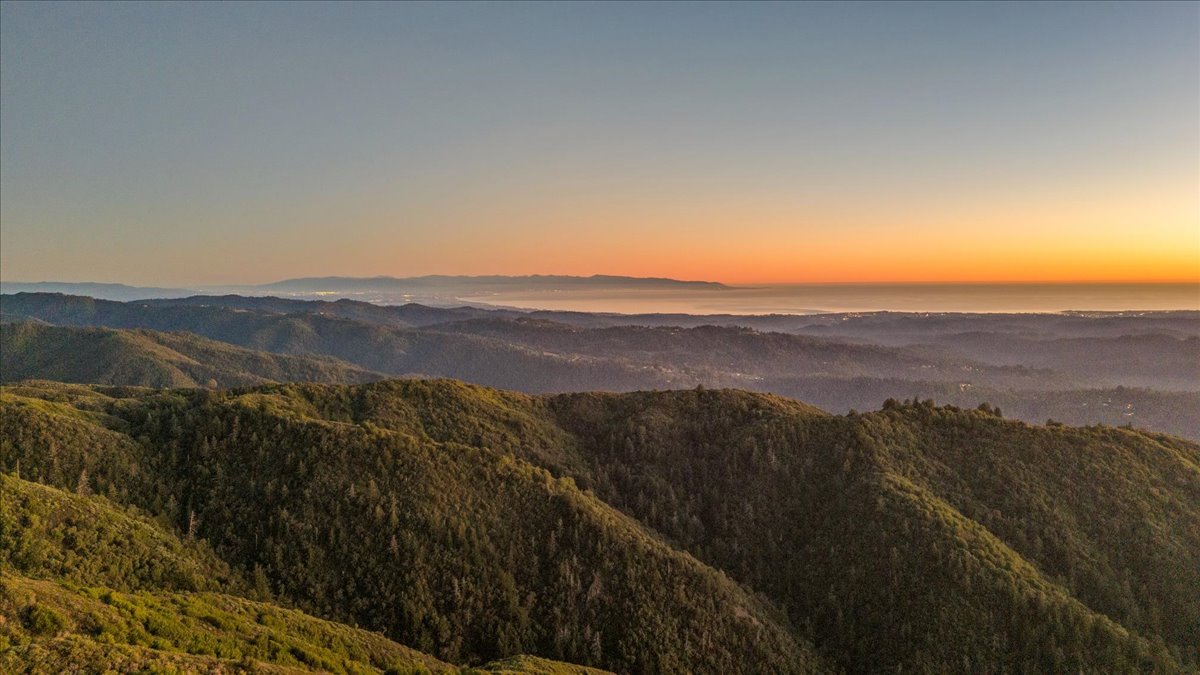
Monterey Bay Views from private Los Gatos retreat

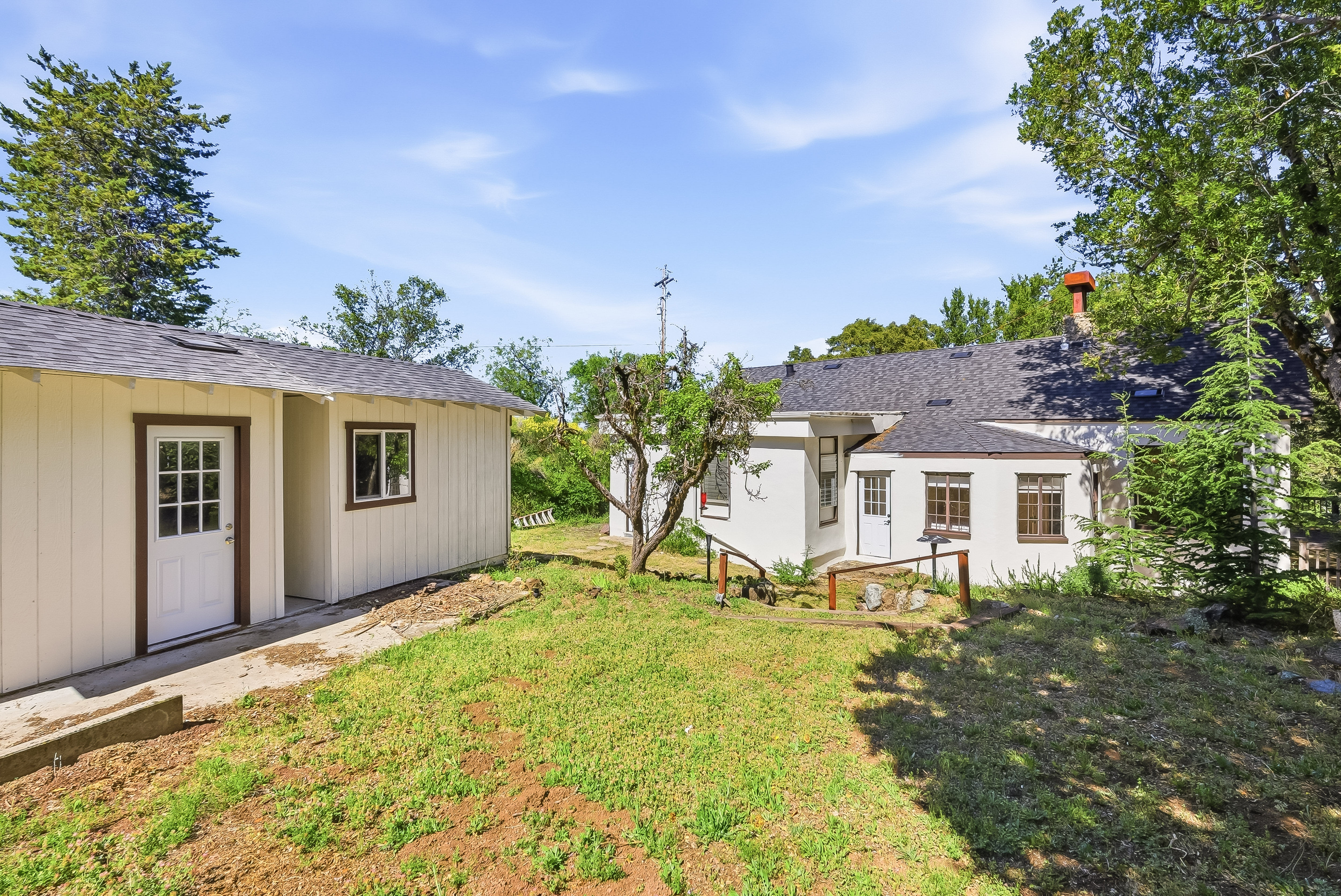
Mountaintop Privacy and Panoramic Views at 15880 Soda Springs Road, Los Gatos

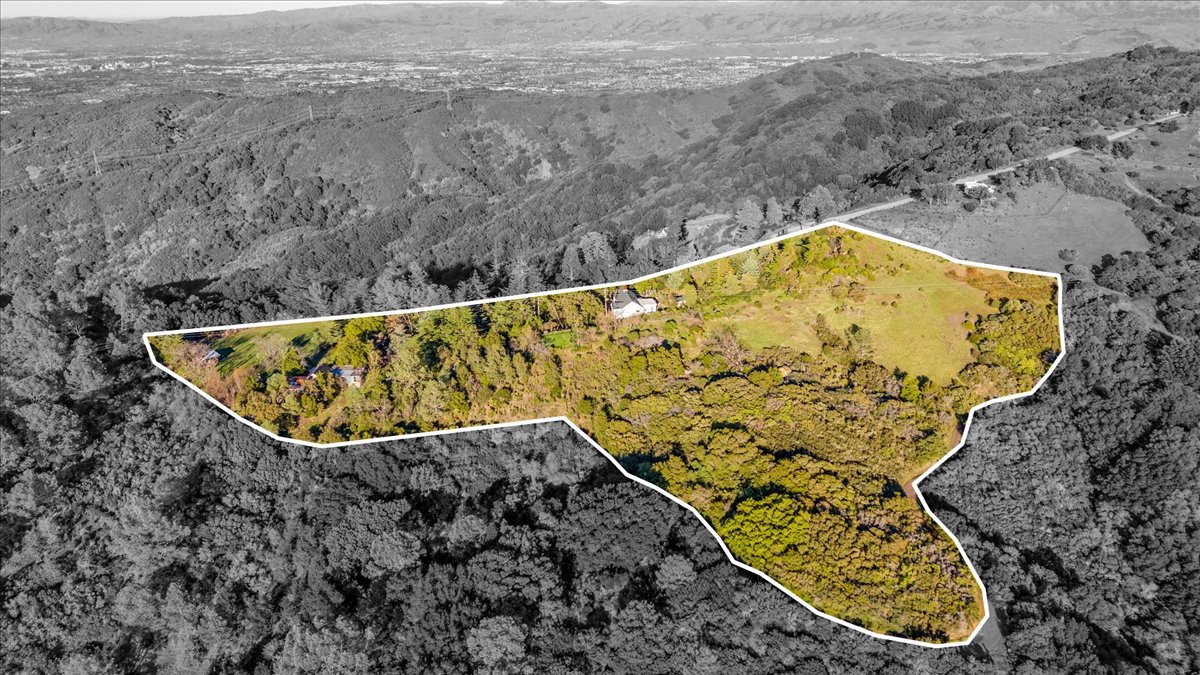
Perched high above Silicon Valley on nearly eight acres of hilltop land, 15880 Soda Springs Road in Los Gatos, California offers an exceptional combination of privacy, expansive views, direct trail access, and rare long-term potential. This is a property for those who value space, natural beauty, independence, and the ability to live surrounded by open land while remaining just approximately 20 minutes from downtown Los Gatos.

Set in a dramatic mountaintop location, the property captures nearly panoramic views stretching from the Santa Lucia Mountains south and east of Monterey, across Monterey Bay from Pacific Grove to Santa Cruz, over Silicon Valley, and north toward San Francisco Bay, the Bay Bridge, the Dumbarton Bridge, Mt. Diablo, and the surrounding mountain ranges.

A Private Hilltop Setting with Extraordinary Views

8 Acre hilltop private retreat in Los Gatos

The setting at 15880 Soda Springs Road is the kind of place that is increasingly difficult to find in the Bay Area. With just shy of eight acres, the property offers exceptional privacy, wide-open space, and a sense of retreat that feels worlds away from the pace of Silicon Valley.

From the mountaintop, the views include:

  • Monterey Bay from Santa Cruz and Capitola to Moss Landing and Pacific Grove
  • The Pacific Ocean and coastline
  • Silicon Valley city lights
  • San Francisco Bay, the Bay Bridge, and the Dumbarton Bridge
  • Mt. Diablo and surrounding mountain ranges
  • Nearby open space and preserve lands

Whether enjoyed at sunrise, sunset, or under a clear night sky, the views are one of the property’s defining features and create a remarkable sense of place.

Adjacent to Sierra Azul Open Space Preserve

One of the most compelling lifestyle features of this property is its adjacency to the approximately 19,000-acre Sierra Azul Open Space Preserve. This gives the property a rare connection to miles of scenic trails, open space, and protected natural beauty.

For those who enjoy hiking, trail riding, exploring, photography, wildlife, or simply the quiet beauty of the Santa Cruz Mountains, this location offers a lifestyle that is difficult to duplicate. The surrounding preserve land and Santa Clara County High Scenic zoning also help protect the long-term character, views, and value of this remarkable setting.

Existing Cottage with Warmth, Character, and Potential

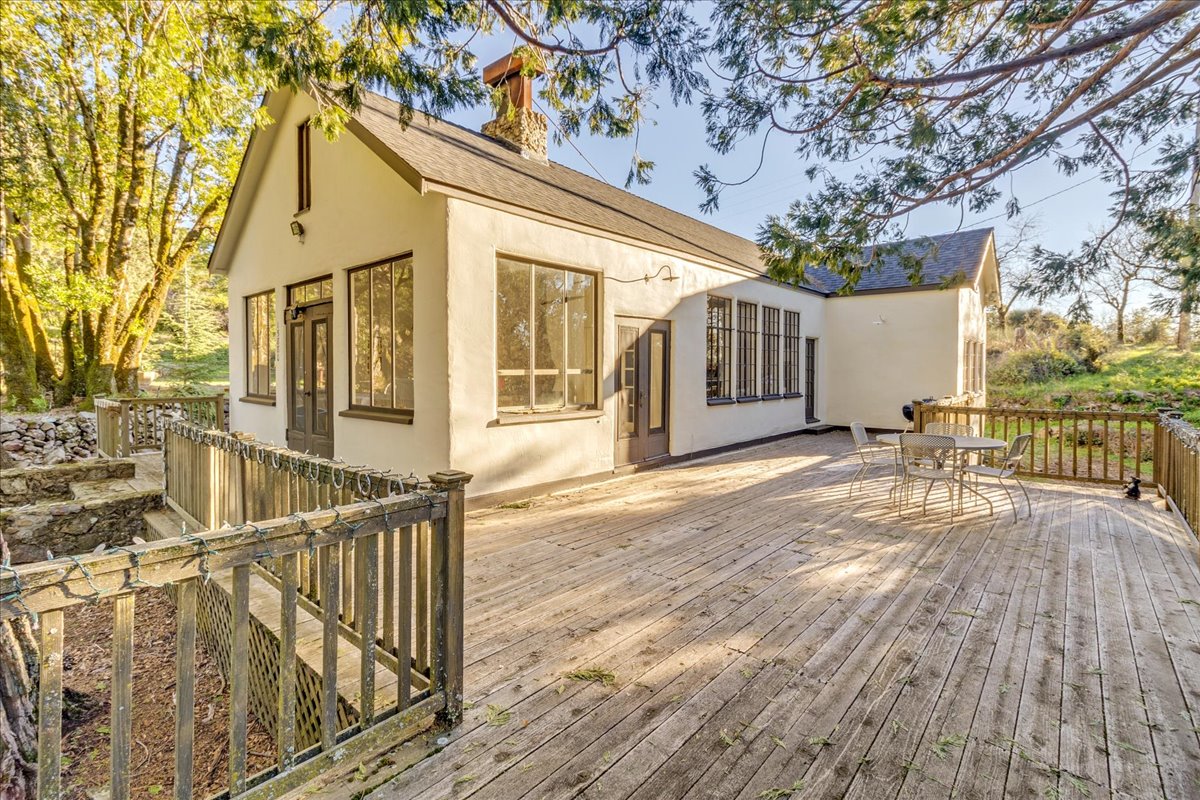
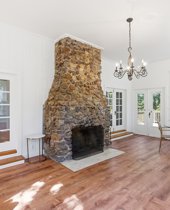
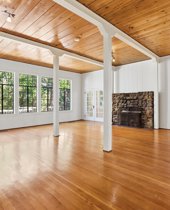
Los Gatos retreat located on 8 hilltop acresLoas Gatos Ocean view mountain top retreatThe property includes an existing approximately 1,772-square-foot cottage with a warm mountain character and excellent natural light. Features include vaulted ceilings with exposed wood beams, large windows, wood flooring, a large attic, and a spacious deck designed to take full advantage of the beautiful weather, privacy, and views.

The cottage offers immediate utility and flexibility. It may serve as a primary residence, a private retreat, a guest residence, or a comfortable place to live while planning future improvements or a larger estate vision.

Equestrian Potential and Useful Improvements

With nearly eight acres of land, direct access to scenic trails, and existing equestrian improvements, 15880 Soda Springs Road is well suited for those seeking a horse-friendly mountain property near Los Gatos.

Existing equestrian and land features include:

Mountain top retreat in Los Gatos

  • Four horse stalls
  • A tack house
  • A tall barn
  • A small stream
  • A pond that adds natural character to the landscape

These features create a wonderful foundation for equestrian use, hobby ranching, or simply enjoying the land as a private natural retreat.

Infrastructure and Practical Benefits

In addition to its privacy and views, the property includes several practical features already in place. There is a direct-feed well on site currently used for non-potable household and landscaping purposes. Plans for a modern septic system are complete and ready for installation. A propane tank is located on the property and ready for use.

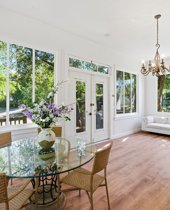
Large living roomHigh-speed internet is also available on site, with Surf Net currently being used and other options available. For those who want privacy without feeling disconnected, this is an important advantage. The property also has no HOA and no HOA fees, allowing for greater flexibility and independence.

Living Near Los Gatos

One of the most attractive aspects of 15880 Soda Springs Road is the ability to enjoy a private mountain lifestyle while remaining just approximately 20 minutes from Los Gatos. Downtown Los Gatos is one of the most desirable town centers in Silicon Valley, offering a refined blend of boutique shopping, excellent restaurants, coffee shops, wine bars, fitness studios, parks, and everyday conveniences.

Residents can enjoy the quiet and privacy of the mountains, then make a short drive into town for dinner, shopping, appointments, or a casual afternoon along North Santa Cruz Avenue. Los Gatos is known for its charming downtown, upscale yet relaxed atmosphere, and convenient access to Silicon Valley employment centers.

For buyers who want privacy, land, and views without giving up access to restaurants, shopping, and community amenities, this location offers an exceptional balance.

A Rare Los Gatos Mountain Opportunity

15880 Soda Strings in Los Gatos15880 Soda Springs Road is more than a home site. It is a private mountaintop retreat with views, acreage, trail access, equestrian potential, and long-term flexibility. Properties with this combination of usable land, privacy, infrastructure, open space adjacency, and proximity to Los Gatos are rare.

For those seeking a lifestyle defined by space, scenery, independence, and natural beauty, this property presents an extraordinary opportunity in the Los Gatos mountains.

Learn More About 15880 Soda Springs Road

Virtual Tour

If you would like more information about 15880 Soda Springs Road in Los Gatos, or if you are considering buying or selling a distinctive California property, contact the Monterey Peninsula Home Team for local real estate guidance and personalized representation.


June 9, 2026

5 Must-See Monterey Peninsula Places for First-Time Visitors

Asilomar State Beach Sunset taken in Pacific Grove from the boardwalk

5 Must-See Places on the Monterey Peninsula for a First-Time Visitor

There are coastal destinations that are simply visited, and then there are places that stay with you long after you leave. The Monterey Peninsula belongs in the second category.

Set along one of California’s most extraordinary stretches of coastline, the Monterey Peninsula blends dramatic natural beauty, historic architecture, oceanfront trails, celebrated restaurants, world-class golf, marine life, village charm, and a quiet sense of luxury that never feels forced. It is refined, but not flashy. Beautiful, but not overly polished. Elegant, but still deeply connected to the sea.

For a first-time visitor, the Peninsula can feel wonderfully abundant. There are historic adobes in Monterey, fairytale cottages in Carmel-by-the-Sea, cypress-lined roads in Pebble Beach, Victorian homes in Pacific Grove, oceanfront trails, white-sand beaches, and hidden coves around almost every turn.

But if you want to experience the essence of the Monterey Peninsula in one visit, these five places belong at the top of your itinerary.

Whether you are planning a weekend getaway, scouting future retirement locations, considering a second home, or simply exploring one of the most beautiful coastal regions in California, this first-time visitor guide will give you a memorable introduction to the Monterey Peninsula lifestyle.

1. 17-Mile Drive and Pebble Beach

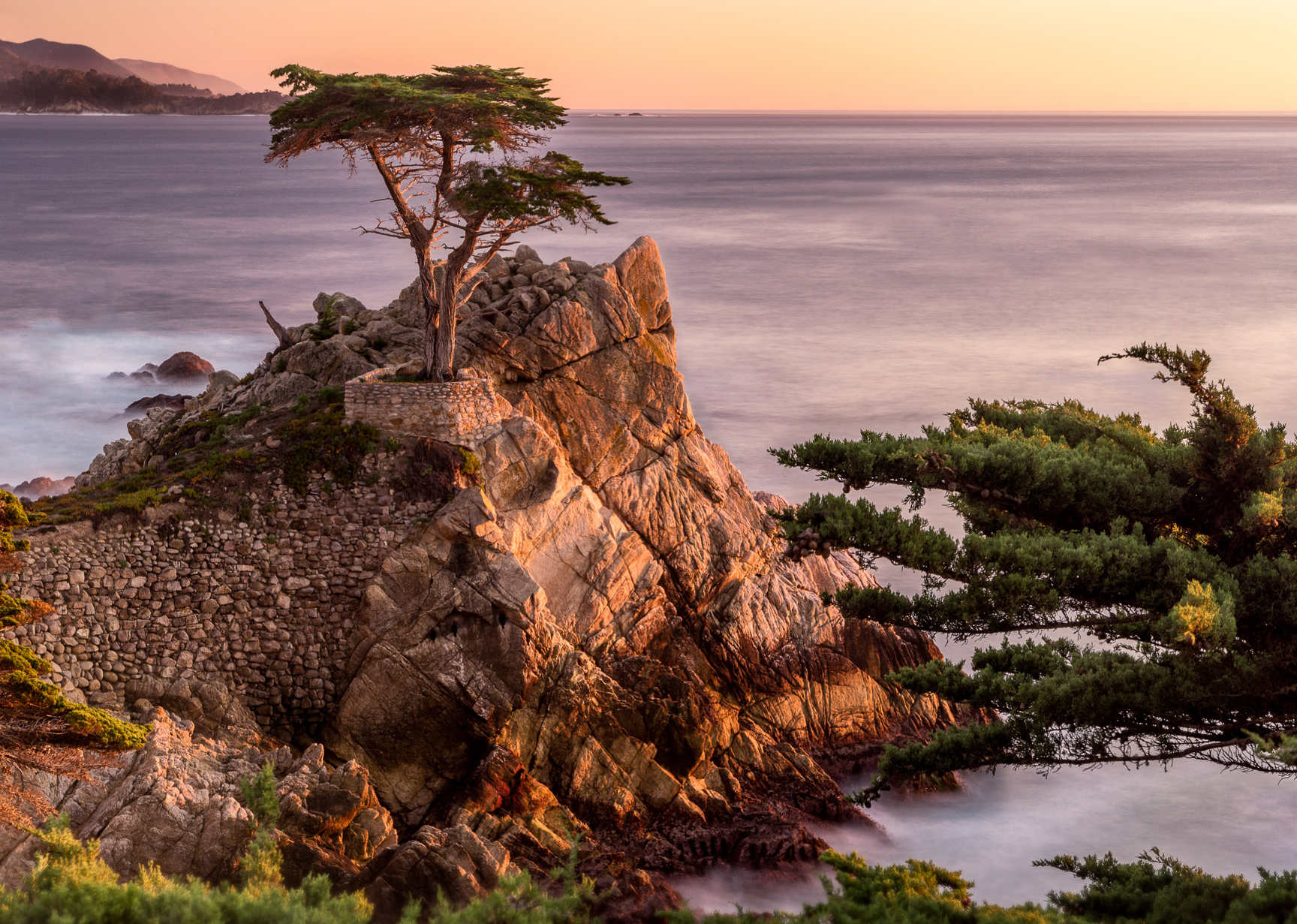
Lone Cypress Tree on 17 Mile Drive in Pebble Beach

Few scenic drives in the world carry the reputation of 17-Mile Drive. Winding through Pebble Beach, this legendary route brings together ocean views, forested roads, dramatic coastline, world-famous golf courses, grand estates, and some of the most recognizable landmarks on the California coast.

The drive is not just a route. It is an experience. Along the way, visitors encounter Spanish Bay, Bird Rock, Fanshell Beach, Crocker Grove, the Lone Cypress, Stillwater Cove, and Pebble Beach Golf Links. Each stop offers a slightly different version of the Peninsula: windswept shoreline, protected forest, resort elegance, golf history, and architectural privacy.

For a first-time visitor, 17-Mile Drive is the moment when the luxury identity of the Monterey Peninsula becomes unmistakable. The scenery is dramatic, but the experience is calm. The homes are impressive, but often discreet. The golf courses are famous, but the coastline still commands the most attention.

For the full guide, read A First-Time Visitor’s Guide to 17-Mile Drive and Pebble Beach. You may also enjoy The History of 17-Mile Drive, The Lone Cypress in Pebble Beach, and Hidden Gems Along 17-Mile Drive in Pebble Beach.

From a real estate perspective, 17-Mile Drive also offers a window into why Pebble Beach oceanfront homes, Pebble Beach ocean view homes, and Pebble Beach golf course homes are among the most coveted properties on the Central Coast.

Luxury travel tip: Time your drive so you can stop near The Lodge at Pebble Beach or Spanish Bay for lunch, cocktails, or dinner. Done well, 17-Mile Drive becomes more than a sightseeing loop; it becomes a resort-level Peninsula experience.

2. Point Lobos State Natural Reserve

Point Lobos sunset from Carmel Beach

Just south of Carmel-by-the-Sea, Point Lobos State Natural Reserve is one of the most breathtaking coastal landscapes in California. It is not the kind of place to rush. Point Lobos is best experienced slowly, one trail, one cove, and one ocean overlook at a time.

The scenery feels almost cinematic. Turquoise water moves through rocky inlets. Sea lions call from offshore rocks. Monterey cypress trees bend toward the Pacific. Trails curve through coastal forest, past quiet coves, wind-shaped trees, granite headlands, and views that seem to shift with every change in light.

For many first-time visitors, Point Lobos is the moment the Monterey Peninsula reveals its deeper character. It is not just pretty. It is elemental, protected, and emotionally powerful. The landscape feels wild, but also graceful. It offers the kind of natural beauty that explains why homes near Carmel, Pebble Beach, and Carmel Highlands are so deeply tied to views, setting, and sense of place.

For the full guide, read Visiting Point Lobos: The Crown Jewel of the Monterey Peninsula Coast. For more local context, read Point Lobos Carmel: Scenic Beauty, History & Luxury Views.

Point Lobos also helps explain the prestige of nearby communities. The reserve sits close to Carmel Highlands real estate, Carmel ocean view homes, and some of the most iconic view corridors in Pebble Beach.

Luxury travel tip: Go early in the day, when parking is easier and the light is soft. After your walk, return to Carmel-by-the-Sea for lunch, wine tasting, shopping, or dinner.

3. Carmel-by-the-Sea and Carmel Beach

the white sands of Carmel Beach in Carmel-by-the-Sea

Carmel-by-the-Sea feels like it was designed for lingering. The village is known for its storybook cottages, courtyards, boutiques, art galleries, tasting rooms, restaurants, and deeply romantic setting above Carmel Beach.

A first visit should begin with a slow walk through town. Ocean Avenue leads visitors past charming storefronts, hidden passageways, flower-filled courtyards, and locally owned shops before descending toward the sea. The village is compact, walkable, and full of small discoveries.

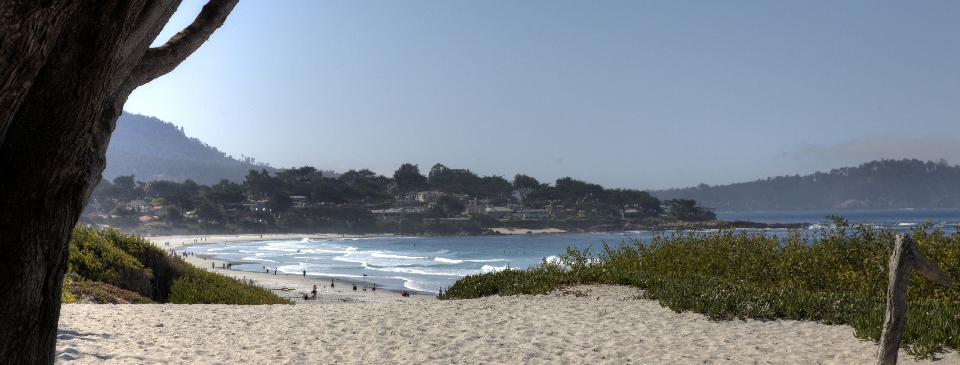
At the foot of Ocean Avenue, the village opens to Carmel Beach, one of the most beloved beaches in California. With soft white sand, cypress-framed views, Pebble Beach in the distance, and sunsets that can stop conversation, Carmel Beach captures the emotional appeal of the Monterey Peninsula as well as any place on the coast.

For the full guide, read Carmel-by-the-Sea and Carmel Beach: A First-Time Visitor’s Guide. To understand how this village became one of California’s most distinctive coastal communities, read The Complete History of Carmel-by-the-Sea, California. For a more focused look at the coastline, visit Carmel Beach and Scenic Road.

Carmel Beach is not simply a visitor attraction. It is part of daily life. It is morning walks, evening sunsets, dogs playing in the sand, conversations on the bluff, and the quiet luxury of being able to walk from a village cottage to the Pacific Ocean. That lifestyle is one reason Carmel Golden Rectangle homes, Carmel walk-to-town homes, and Carmel oceanfront real estate remain so desirable.

Luxury travel tip: Visit Carmel village in the afternoon, walk to Carmel Beach before sunset, then stay for dinner.

4. Monterey Bay Aquarium and Cannery Row

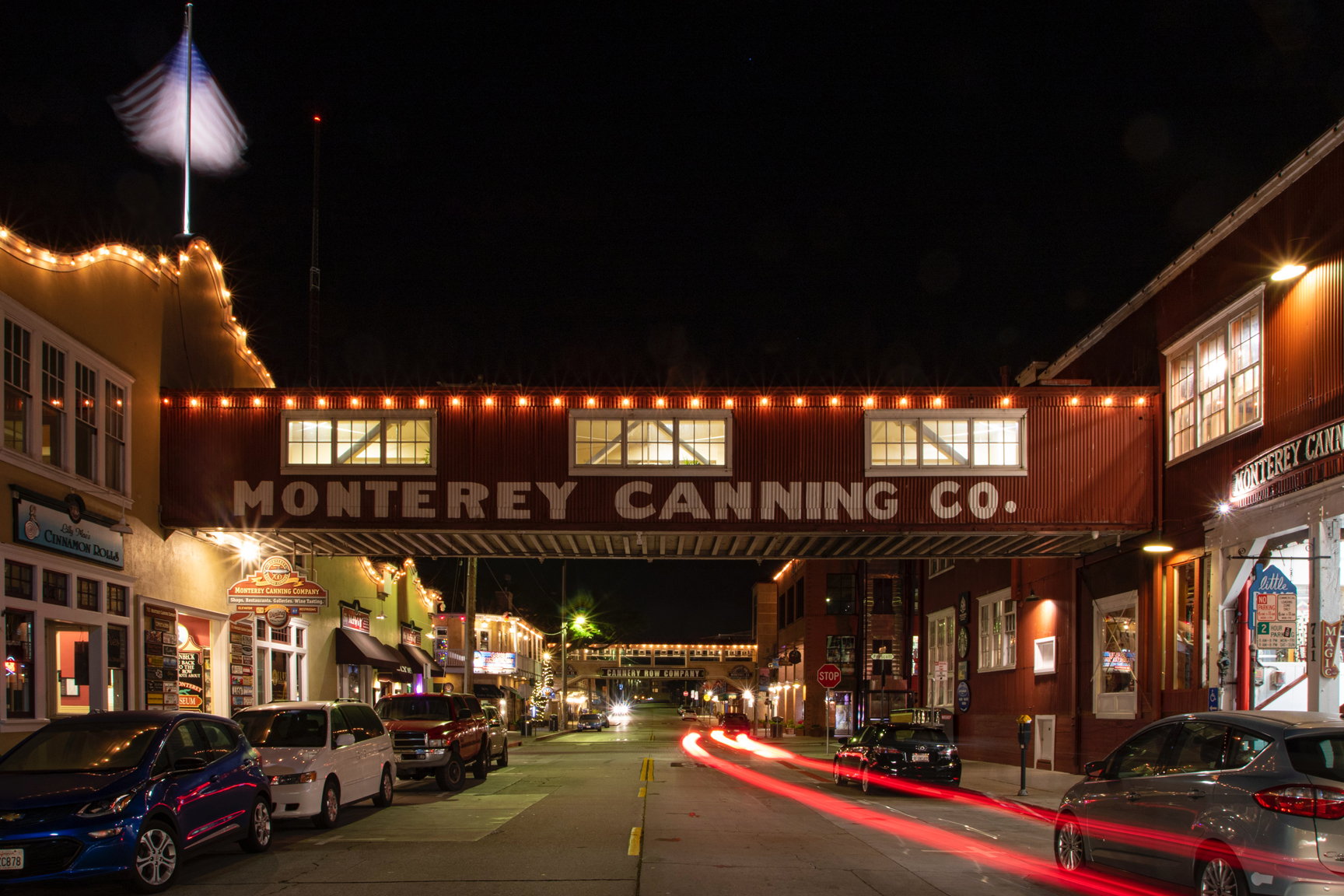
Cannery Row and the Monterey Bay Aquarium in Monterey, CA

No first visit to the Monterey Peninsula is complete without Monterey’s waterfront. The city of Monterey is where history, marine life, bay views, restaurants, hotels, and visitor energy come together most visibly.

The Monterey Bay Aquarium is the anchor attraction. Set directly on the bay in the historic Cannery Row district, it connects visitors to the marine environment just beyond its windows. Exhibits focused on kelp forests, sea otters, jellyfish, deep-sea life, and ocean conservation make it one of the Peninsula’s signature experiences for both adults and children.

After the Aquarium, take time to walk Cannery Row. Once tied to the sardine industry and later made famous through the literary legacy of John Steinbeck, Cannery Row has evolved into one of Monterey’s most visited waterfront districts. Today it offers restaurants, hotels, wine tasting, shops, galleries, bay views, and access to the Monterey Bay Coastal Recreation Trail.

For the full guide, read Monterey Bay Aquarium and Cannery Row: A First-Time Visitor’s Guide. For more background, read Cannery Row, Monterey CA or explore The Complete History of Monterey, California.

Monterey is also one of the Peninsula’s most varied real estate markets, offering everything from historic neighborhoods and bay-view homes to convenient full-time residential settings. Explore Monterey homes for sale, Monterey luxury real estate, or the Monterey real estate market report.

Luxury travel tip: Pair the Aquarium with a waterfront lunch or dinner, then walk the coastal trail toward Pacific Grove.

5. Lovers Point and Asilomar in Pacific Grove

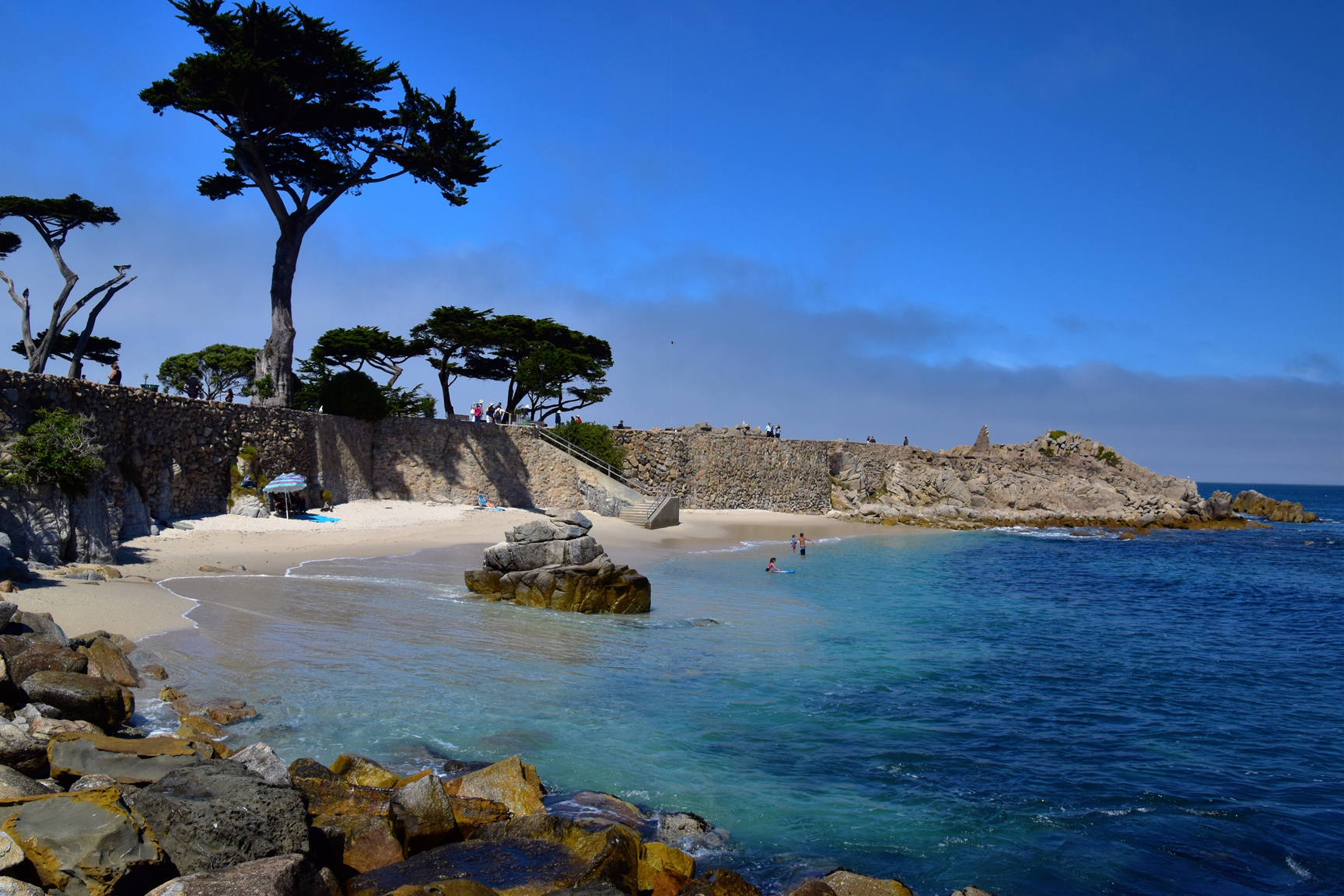
Lovers Point in Pacific Grove, CA

Pacific Grove offers a quieter and more nostalgic coastal experience than Monterey, Carmel, or Pebble Beach. Known for its Victorian architecture, rocky shoreline, monarch butterflies, coastal trails, and hometown character, Pacific Grove is one of the most atmospheric communities on the Monterey Peninsula.

For a first-time visitor, the coastal stretch from Lovers Point toward Asilomar is essential.

Lovers Point is one of Pacific Grove’s classic gathering places. It offers a protected cove, sandy beach areas, rocky outcrops, picnic space, sweeping views of Monterey Bay, and one of the most accessible coastal settings in town. Continue along the coast and the scenery gradually becomes more rugged as you approach Asilomar, where dunes, boardwalks, rocky shoreline, tide pools, and open Pacific views create a more spacious coastal setting.

For the full guide, read Lovers Point to Asilomar: The Essential Pacific Grove Coastal Experience. You may also enjoy Lovers Point Pacific Grove Luxury Lifestyle and our Pacific Grove history articles.

If the lifestyle speaks to you, browse Pacific Grove homes for sale, Pacific Grove cottages for sale, or the Pacific Grove real estate market report.

Luxury travel tip: Start with coffee or breakfast in Pacific Grove, walk the coastline from Lovers Point toward Asilomar, then enjoy a late afternoon drive through Pebble Beach or dinner in Carmel.

A Perfect First Monterey Peninsula Itinerary

If you are visiting for the first time, these five destinations create a memorable and balanced introduction to the Monterey Peninsula.

Start with Monterey Bay Aquarium and Cannery Row to understand Monterey’s connection to the bay. Spend another day exploring Pacific Grove, Lovers Point, and Asilomar. Reserve an afternoon and evening for Carmel-by-the-Sea and Carmel Beach. Then devote time to Point Lobos and 17-Mile Drive, two of the most iconic coastal experiences in California.

Together, these places reveal the Monterey Peninsula’s rare combination of natural beauty, village charm, historic depth, coastal recreation, and understated luxury.

Thinking About Living on the Monterey Peninsula?

If your visit turns into something more, start with our guide to Living on the Monterey Peninsula. You can also explore current homes for sale in Carmel, Pebble Beach, Pacific Grove, and Monterey.

Whether you are considering a primary residence, second home, investment property, or future retirement move, the Monterey Peninsula rewards local knowledge. Each community has its own personality, microclimate, housing stock, lifestyle rhythm, and pricing behavior.

To begin exploring the market, visit SearchMontereyPeninsulaHomes.com or contact the Monterey Peninsula Home Team for local guidance.

Monterey Peninsula First-Time Visitor FAQ

What are the must-see places on the Monterey Peninsula for a first-time visitor?

The five must-see places are 17-Mile Drive and Pebble Beach, Point Lobos State Natural Reserve, Carmel-by-the-Sea and Carmel Beach, Monterey Bay Aquarium and Cannery Row, and the Pacific Grove coastline from Lovers Point to Asilomar.

How many days do I need for a first trip to the Monterey Peninsula?

Two to three days is enough for a strong first visit, although four or five days allows a more relaxed experience. The Peninsula rewards slower travel, especially if you want to enjoy coastal walks, restaurants, wine tasting, golf, and neighborhood exploration.

Which Monterey Peninsula town is best for a first-time visitor to stay in?

Carmel-by-the-Sea is ideal for village charm and beach access, Monterey is convenient for the Aquarium and waterfront, Pacific Grove is quieter and more local, and Pebble Beach offers a resort-style luxury experience.

Is the Monterey Peninsula a good place for a second home?

Yes. The Monterey Peninsula is one of California’s most desirable second-home markets because of its coastal beauty, lifestyle amenities, limited supply, golf, restaurants, and proximity to the Bay Area, Silicon Valley, and Central Valley.

June 4, 2026

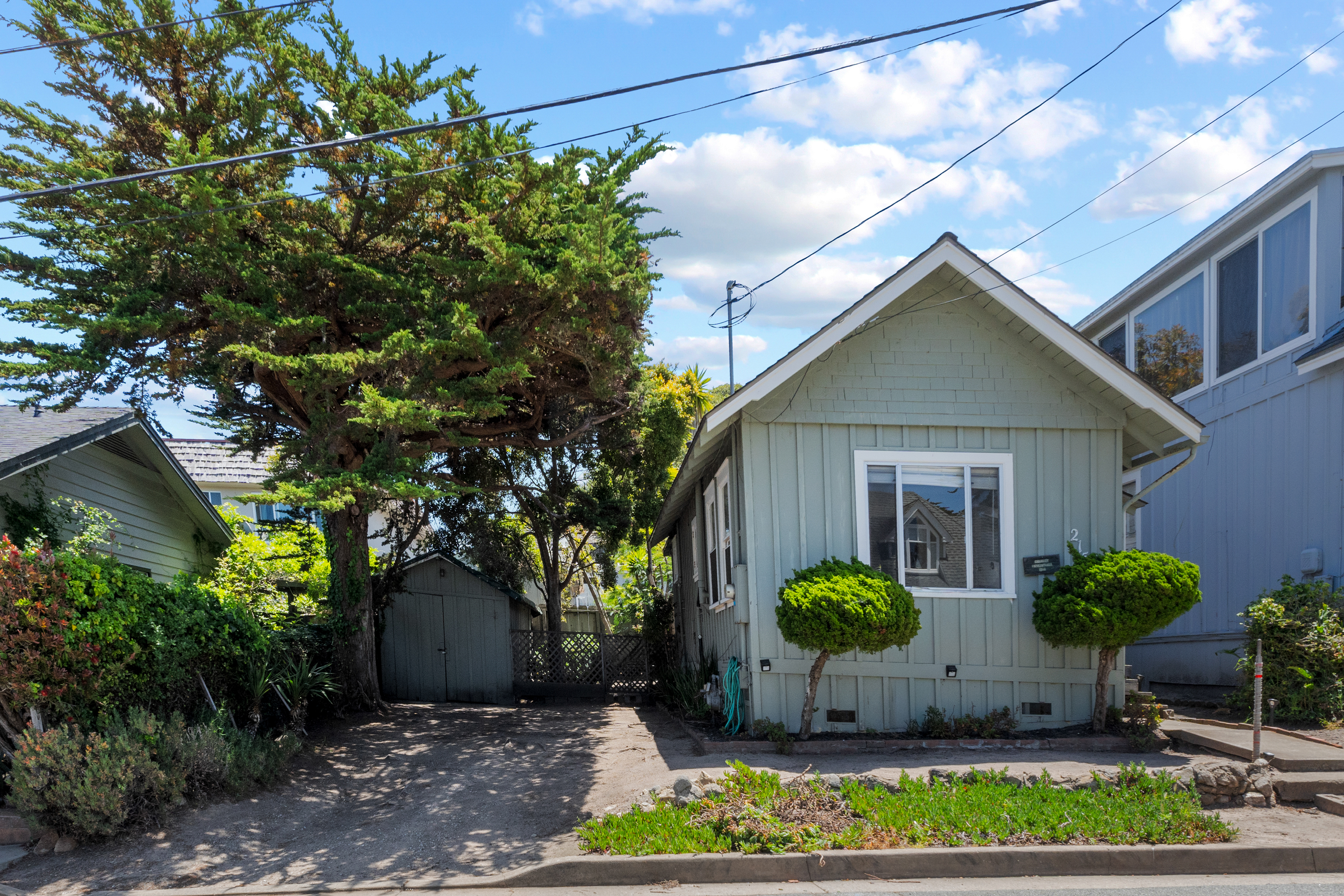
Charming Coastal Cottage for Sale at 215 6th Street in Pacific Grove

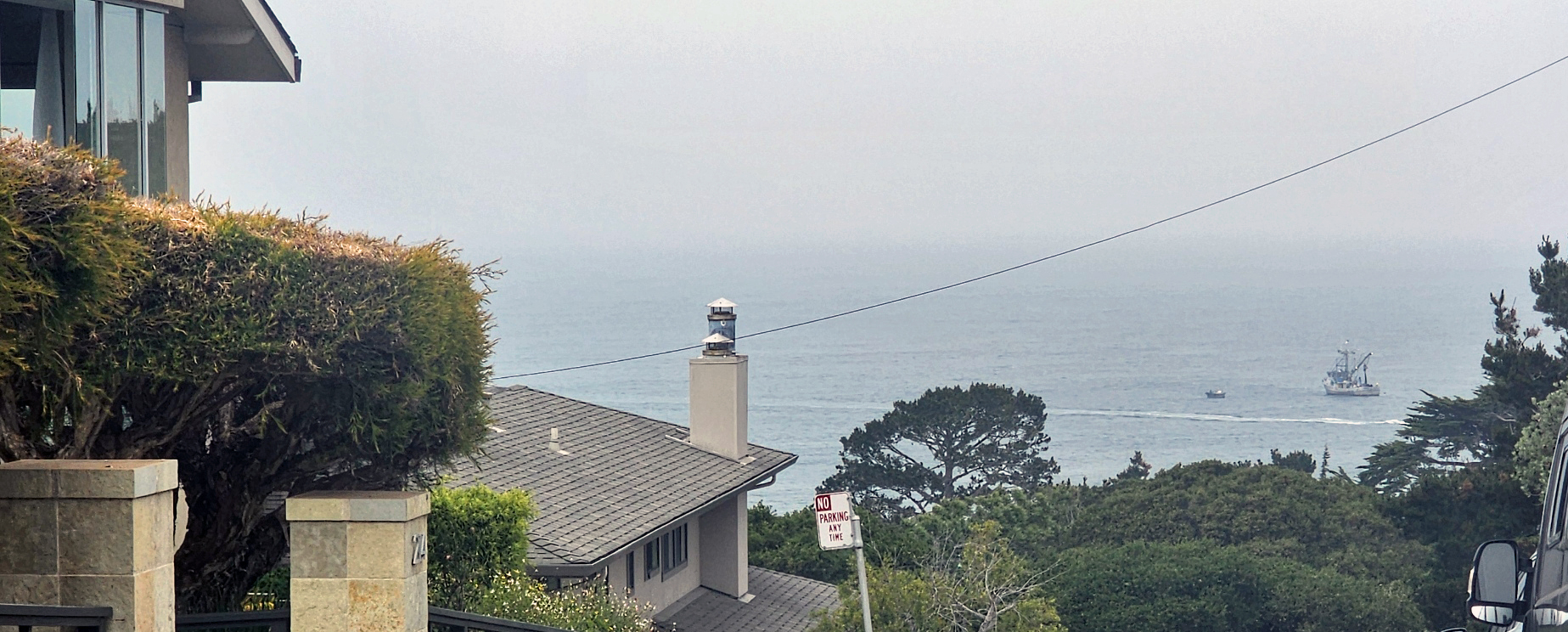
Pacific Grove Ocean View Cottage for sale at 215 6th StreetCharming Coastal Cottage for Sale at 215 6th Street in Pacific Grove

If you have been searching for a classic Pacific Grove cottage near the beach, downtown, restaurants, shops, and the coastal recreation trail, 215 6th Street in Pacific Grove offers a rare opportunity to own a piece of the Monterey Peninsula lifestyle.

This charming 1910 coastal cottage combines historic character, ocean views, a quiet street location, and exciting upside potential in one of Pacific Grove’s most desirable walkable neighborhoods. For buyers looking for an entry point into Pacific Grove real estate, this home delivers the kind of location and character that can be very difficult to find.

Pacific Grove ocean view cottageA Classic Pacific Grove Cottage with Ocean Views

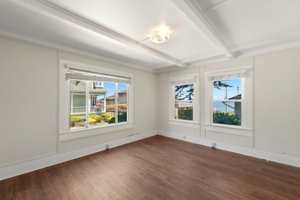
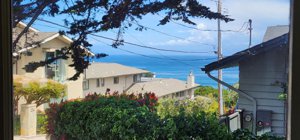
Pacific Grove historic cottage for saleSituated on a 2,700 square foot lot, this approximately 563 square foot, 1-bedroom, 1-bath home offers timeless curb appeal and the charm of Pacific Grove’s historic cottage architecture. The home features ocean views, a functional floor plan, a walk-in closet, and natural light that helps the interior feel inviting and comfortable.

The property has been used as a long-term rental and is ready for the next owner to update, personalize, and create their own coastal retreat. The yard would benefit from fresh landscaping, and the older detached garage provides additional storage or possible creative use. For the right buyer, this is not just a home—it is an opportunity to improve and build equity in a premier Pacific Grove location.

Buyers specifically looking for smaller character homes may also want to explore other Pacific Grove cottages for sale to compare current opportunities in this unique coastal market.

Why 215 6th Street Is All About Location

Ocean View Pacific Grove Cottage for salePacific Grove is known for its coastal beauty, Victorian and Craftsman architecture, walkable neighborhoods, and small-town charm. From 215 6th Street, buyers can enjoy convenient access to the waterfront, downtown Pacific Grove, local cafes, restaurants, boutique shopping, and the scenic Monterey Bay coastline.

Whether you are heading toward Lovers Point, walking along the recreation trail, visiting the Monterey Bay Aquarium, or enjoying dinner in downtown Pacific Grove, this location captures what so many buyers love about living on the Monterey Peninsula.

For buyers who want to understand the broader market, you can view current Pacific Grove homes for sale with live Monterey County MLS updates.

An Appealing Option for Several Buyer Profiles

Pacific Grove cottage for sale215 6th Street may appeal to several types of buyers:

  • Weekend retreat buyers looking for a charming coastal escape near the beach and downtown.
  • Full-time residents who value walkability, character, and a quieter Pacific Grove setting.
  • Value-oriented buyers who see the benefit of updating a well-located home over time.
  • Investors or second-home buyers looking for long-term Monterey Peninsula appreciation potential.

In a market where many homes near the coast have moved well beyond the reach of entry-level buyers, 215 6th Street stands out as a compelling opportunity. Buyers comparing options may also want to review Pacific Grove homes under $1,000,000 to see how limited this price segment can be.

Pacific Grove Real Estate Market Perspective

The Pacific Grove real estate market remains highly desirable because of its limited housing supply, historic architecture, coastal setting, and proximity to some of the Monterey Peninsula’s most iconic destinations. Smaller cottages can generate strong buyer interest when they combine charm, location, and potential.

Buyers in Pacific Grove often look beyond square footage alone. They are buying lifestyle: morning walks near the bay, easy access to downtown, quiet neighborhood streets, classic architecture, and the ability to live close to the ocean. That is exactly the type of buyer profile 215 6th Street is positioned to attract.

To explore the broader market, visit the main Monterey Peninsula real estate search page for active homes across Pacific Grove, Monterey, Pebble Beach, Carmel, Carmel Valley, Seaside, Marina, and the Highway 68 corridor.

Lovers Point in Pacific GroveLiving in Pacific Grove

Pacific Grove is often loved for its village atmosphere, coastal scenery, historic homes, and access to outdoor recreation. Residents enjoy the Monterey Bay Coastal Recreation Trail, Lovers Point, Asilomar State Beach, local restaurants, coffee shops, farmers markets, and quick access to neighboring Monterey, Pebble Beach, and Carmel-by-the-Sea.

For buyers interested in the story behind the town, Pacific Grove’s history adds depth to its character and appeal. You can explore more local background in the Pacific Grove history blog cluster, including posts about the city’s early roots, coastal identity, and historic neighborhoods.

Monterey's Cannery RowNearby Monterey Peninsula Attractions

One of the greatest advantages of owning in Pacific Grove is how connected it is to the entire Monterey Peninsula. From 215 6th Street, buyers are only a short drive from Cannery Row, the Monterey Bay Aquarium, Fisherman’s Wharf, downtown Monterey, Pebble Beach golf and coastline, Carmel-by-the-Sea shopping and dining, and scenic drives throughout the region.

For buyers new to the area, the Monterey Peninsula offers a rare combination of natural beauty, cultural history, resort amenities, golf, beaches, restaurants, and small-town coastal living. To better understand the broader regional story, you may enjoy the Complete History of Monterey, California guide, which connects Monterey’s early capital history, the Presidio, Cannery Row, and the modern tourism economy.

You can also explore related local history articles such as Monterey as the Capital of Alta California and The History of 17-Mile Drive to better understand why this area remains one of California’s most distinctive coastal real estate markets.

Is 215 6th Street Right for You?

215 6th Street is ideal for a buyer who values location, charm, ocean views, and potential. This is not a generic property—it is a classic Pacific Grove cottage with history, personality, and room for improvement.

If you are looking for a polished, fully remodeled home, this may not be the right fit. But if you want a charming coastal property you can personalize in a premier Pacific Grove location, 215 6th Street deserves serious consideration.

Schedule a Showing or Learn More

If you would like more information about 215 6th Street, current Pacific Grove market conditions, or similar homes near the coast, contact the Monterey Peninsula Home Team. We can help you compare this property against other active listings and determine whether it fits your goals as a full-time residence, weekend retreat, or long-term Monterey Peninsula investment.

View current Pacific Grove homes for sale or search all Monterey Peninsula real estate listings.

June 1, 2026

The Complete History of Carmel-by-the-Sea, California

The Complete History of Carmel-by-the-Sea, California

Carmel-by-the-Sea is one of California’s most beloved coastal villages, known for its storybook cottages, white sand beach, art galleries, hidden courtyards, walkable village center, and some of the most desirable real estate on the Monterey Peninsula. But Carmel’s appeal did not happen by accident. It is the result of a long and layered history shaped by Indigenous people, Spanish mission settlement, Mexican-era land grants, artists, writers, builders, preservationists, and generations of residents who protected the village’s unusual character.

Today, Carmel-by-the-Sea is often described as a one-square-mile fairytale village with restaurants, wine tasting, boutique shopping, art galleries, a white-sand beach, and stunning scenery all within walking distance. But behind that postcard image is a much deeper story.

This complete history of Carmel-by-the-Sea brings together the major chapters that shaped the village: the Indigenous landscape, Carmel Mission, the rancho period, early village development, the artist colony, Robinson Jeffers and Tor House, storybook architecture, the no-address tradition, Carmel Beach and Scenic Road, historic preservation, and the evolution of Carmel into one of California’s most distinctive luxury real estate markets.

For anyone interested in Carmel real estate, this history matters. Carmel’s value is not based only on location, square footage, or ocean views. Its value is tied to history, architecture, walkability, scarcity, preservation, and the emotional appeal of living in a village that still feels deeply connected to its past.

San Carlos Borromeo Mission 1786

Jose Cardero, Public domain, via Wikimedia Commons

Before Carmel-by-the-Sea: The First People of the Carmel Area

The history of Carmel does not begin with the village, the mission, or the cottages. Long before European settlement, the Carmel River, Carmel Bay, coastal terraces, oak woodlands, hills, and nearby marine environment were part of an Indigenous cultural landscape.

The Carmel and Monterey Peninsula region is historically connected with Indigenous peoples including the Rumsen Ohlone, Esselen, Salinan, and other Native communities of the Central Coast. These communities understood the land through seasonal movement, food gathering, resource stewardship, cultural practice, and deep relationship with the natural world.

For Native people, Carmel was not a scenic destination or future real estate market. It was homeland. The river, beach, wetlands, oak groves, grasslands, and coast formed a living landscape that supported food, tools, trade, ceremony, and community identity.

Understanding this first chapter is essential because it corrects the common misconception that Carmel’s history began with Spanish colonization. Carmel Mission is important, but it was built into a landscape that already had a long human history.

Read more: The First People of Carmel: Indigenous History Before Carmel-by-the-Sea

View of Carmel, c. 1839Captain William Smyth, Public domain, via Wikimedia Commons

Carmel Mission and the Spanish Colonial Roots of Carmel

Carmel Mission, officially known as Mission San Carlos Borromeo de Río Carmelo, is one of the most important landmarks in Carmel history. Founded in 1771 by Father Junípero Serra, it was the second of the 21 Alta California missions and became a major religious, cultural, and architectural site in early California.

The mission was originally associated with Monterey, but Serra moved it to the Carmel River area because the location offered better agricultural potential, fresh water, and greater separation from the Presidio of Monterey. That relocation helped give Carmel a historic identity distinct from Monterey.

Carmel Mission is a beautiful landmark, an active parish, and a major cultural destination. It is also part of a complicated colonial history. The mission system deeply affected Indigenous communities through conversion efforts, labor systems, cultural disruption, disease, displacement, and loss of autonomy.

A full understanding of Carmel Mission requires holding both truths at once: it is one of California’s most historically significant mission sites, and it is also part of a colonial system that profoundly changed Native life.

Read more: Carmel Mission History: The Spanish Colonial Roots of Carmel-by-the-Sea

From Rancho Land to Coastal Village

After the mission era, Carmel and the surrounding region moved into the Mexican rancho period. Large land grants, ranching, grazing, agriculture, coastal resource use, and shifting ownership patterns shaped the landscape that would eventually become Carmel-by-the-Sea.

Before incorporation, Carmel was not yet the refined village we know today. It was a landscape of beach, pine forest, Carmel River, mission lands, ranching activity, scattered settlement, and early development ambition.

The early 20th century brought a turning point. J. Frank Devendorf and Frank H. Powers, through the Carmel Development Company, helped promote the idea of Carmel as a village-by-the-sea. Their vision emphasized natural beauty, art, simplicity, and a more personal relationship with the landscape.

This early development vision mattered. Carmel could have become a conventional seaside subdivision. Instead, it became a place that attracted artists, writers, teachers, performers, and people seeking a quieter, more creative life near the coast.

Read more: From Rancho Land to Coastal Village: Carmel Before Incorporation

Mary Austin, Jack London, George Sterling, Jimmie Hooper, restored

Carmel’s Artist Colony and Creative Identity

One of the defining chapters in Carmel history is the rise of its artist colony. By the early 1900s, Carmel had begun to attract writers, painters, poets, performers, musicians, photographers, and independent-minded residents who were drawn to its natural beauty and informal village life.

The 1906 San Francisco earthquake helped accelerate this movement as artists and writers displaced from the Bay Area looked for new places to live and work. Carmel offered affordability by the standards of the time, dramatic scenery, a supportive creative community, and distance from conventional city life.

Figures associated with Carmel’s literary and artistic world include George Sterling, Mary Austin, Jack London, Robinson Jeffers, Upton Sinclair, Sinclair Lewis, and many others. Carmel’s cultural organizations, galleries, performances, and outdoor theater traditions helped make art part of daily village life.

This artistic identity still matters today. Carmel’s real estate appeal is tied not only to location, but to the feeling that the village has a creative soul. Buyers respond to charm, individuality, architecture, gardens, courtyards, and the sense that Carmel is more than a luxury beach town.

Read more: Carmel’s Artist Colony: How Writers, Painters, and Bohemians Shaped the Village

Robinson Jeffers, Tor House, and Carmel’s Literary Legacy

Robinson Jeffers is one of the most important literary figures associated with Carmel-by-the-Sea. His home, Tor House, and the adjacent Hawk Tower remain among the village’s most meaningful cultural landmarks.

Jeffers built Tor House near Carmel Point using granite boulders gathered from the rocky shore of Carmel Bay. The home and tower became physical expressions of the same landscape that shaped his poetry: stone, sea, wind, hawks, cypress, and the power of the Central Coast.

Tor House is not just a preserved residence. It is a literary landmark where Jeffers wrote major works and where Carmel’s relationship between architecture, landscape, and art becomes visible in stone.

The Robinson Jeffers Tor House Foundation continues to preserve Tor House, Hawk Tower, and the surrounding gardens, allowing visitors to experience one of Carmel’s most important links between literature and place.

Read more: Robinson Jeffers, Tor House, and Carmel’s Literary Legacy
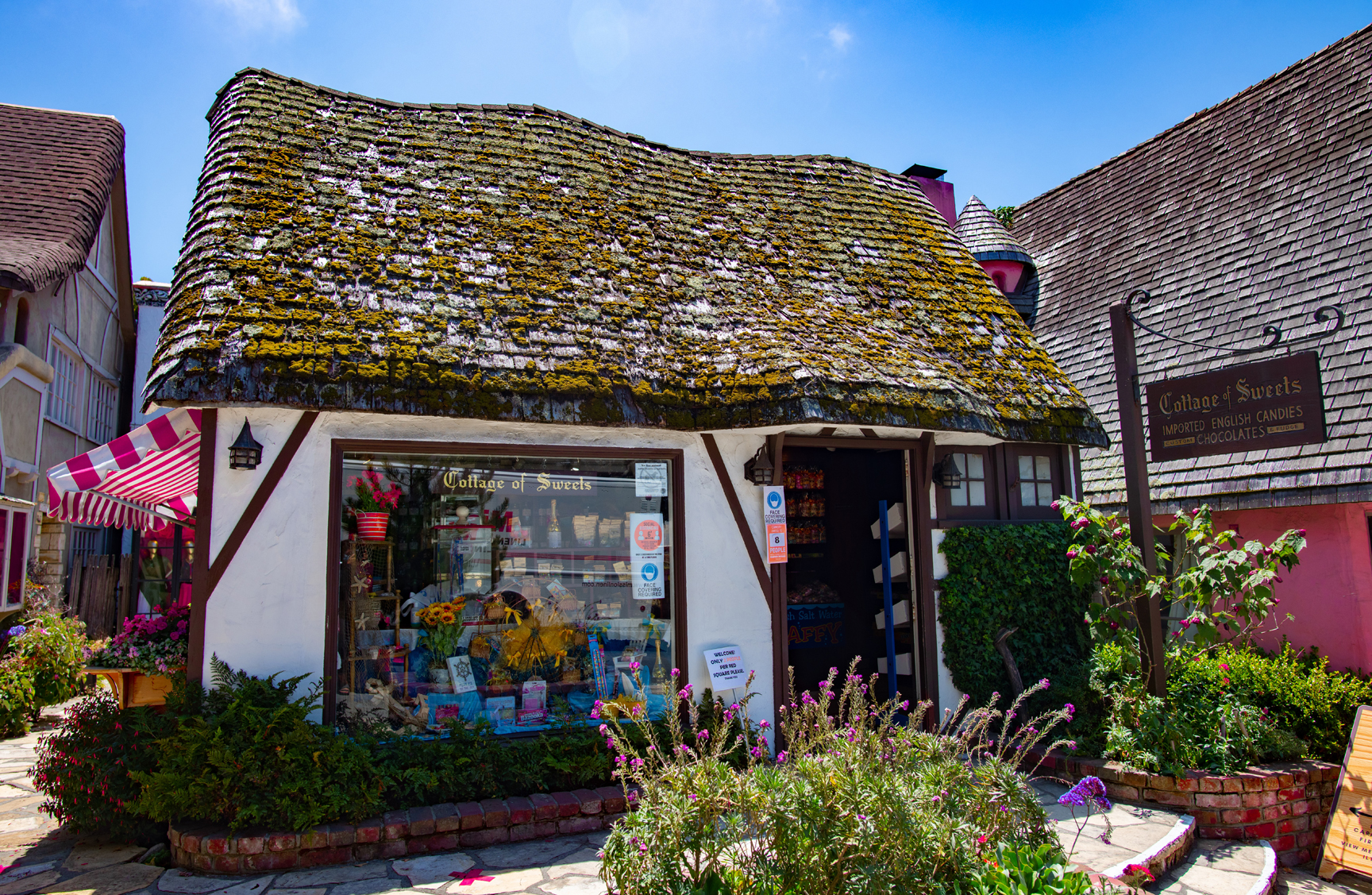
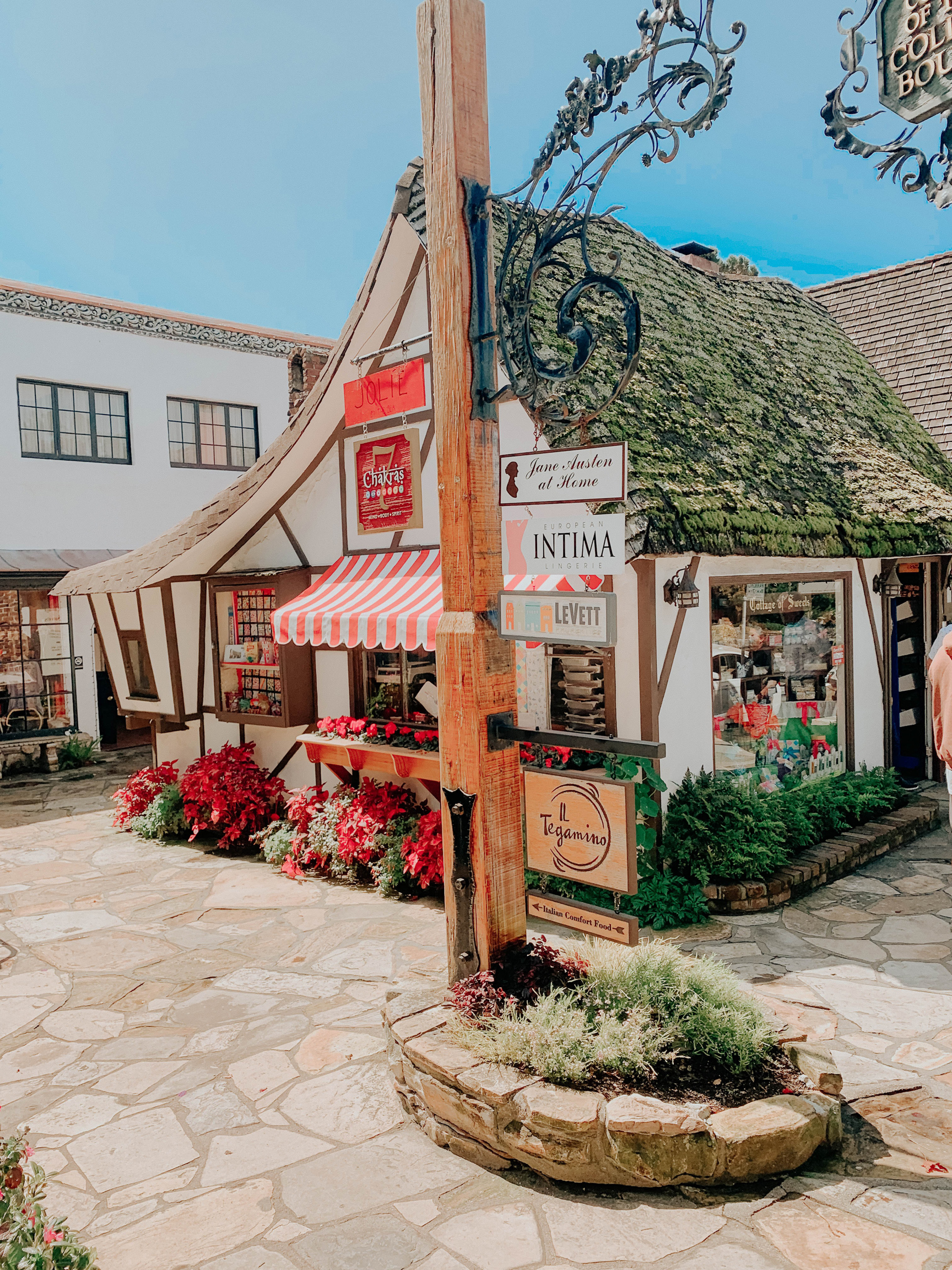
Carmel cottages and shopsCarmel Architecture: Cottages, Storybook Homes, and Village Character

Carmel’s architecture is one of the main reasons the village feels so distinctive. The built environment is defined by cottages, stone chimneys, garden walls, arched doors, irregular rooflines, hidden courtyards, wood details, textured plaster, mature trees, and homes that often feel handcrafted rather than standardized.

Michael J. Murphy was one of Carmel’s most important early builders. The First Murphy House, built in 1902, remains an important early architectural landmark. Later, Hugh Comstock became famous for storybook cottages that helped define Carmel’s fairytale architectural identity.

Comstock’s cottages, including homes associated with the Hansel and Gretel names, helped transform Carmel’s artistic spirit into physical architecture. These homes were whimsical, romantic, intimate, and deeply connected to the village’s creative culture.

Architecture is also central to Carmel real estate value. In many luxury markets, bigger is often assumed to be better. In Carmel, charm, authenticity, scale, garden privacy, walkability, and architectural character can matter just as much as square footage.

Read more: The Architecture of Carmel-by-the-Sea: Cottages, Storybook Homes, and Village Character
Sea Urchin in Carmel

Carmel’s Famous No-Address Tradition and the New Street Numbers

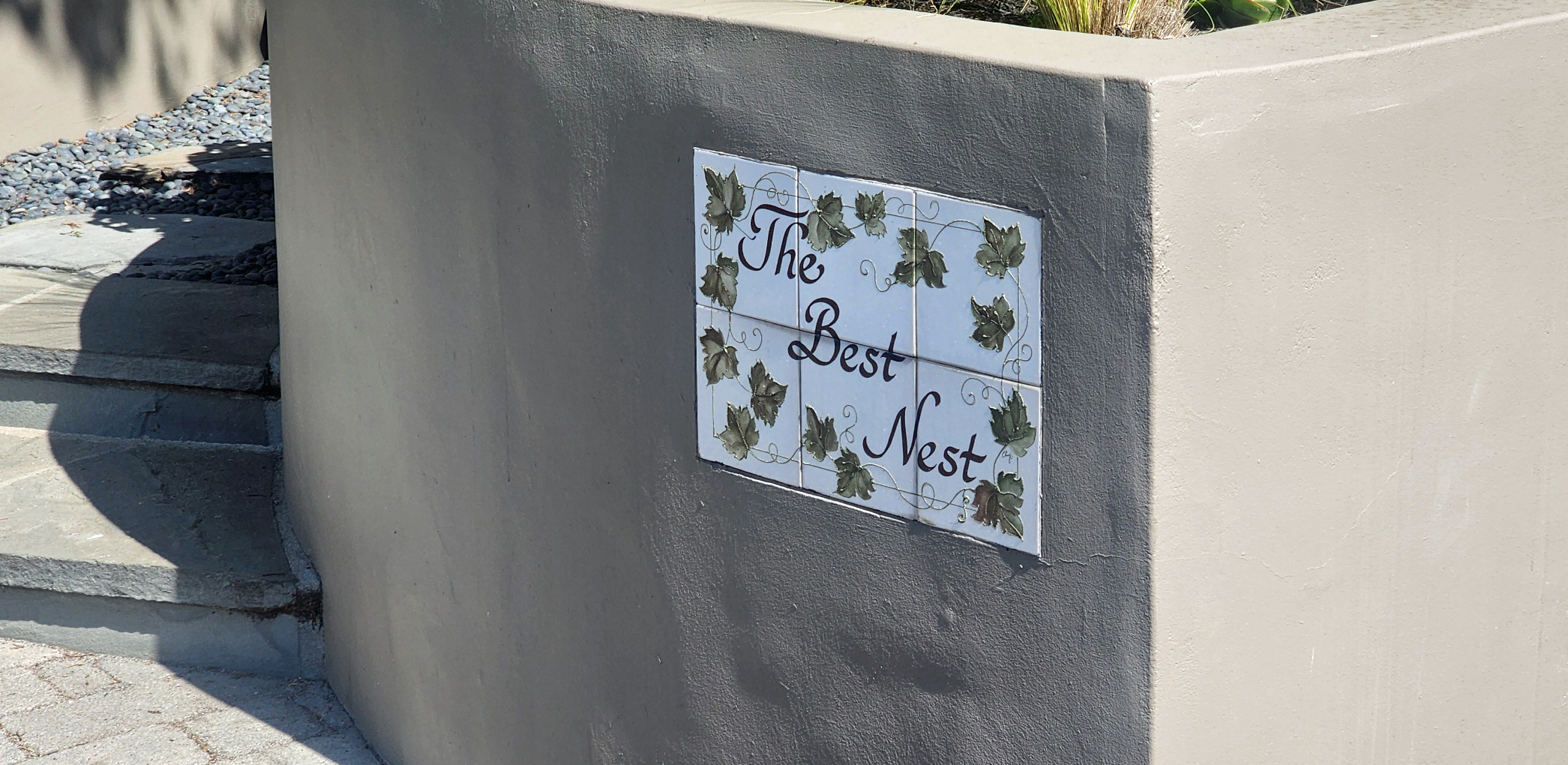
For generations, one of Carmel-by-the-Sea’s most famous quirks was that homes in the village did not have traditional numbered street addresses. Instead, properties were identified by house names, cross streets, directional descriptions, landmarks, and local knowledge.

This tradition became part of Carmel’s identity. It reinforced the idea that Carmel was not trying to be ordinary. Along with the village’s cottages, P.O. Box mail tradition, hidden courtyards, and resistance to standardization, the lack of street numbers became part of Carmel’s charm.

Recently, however, Carmel-by-the-Sea has moved toward implementing a street address system. The City has framed the change as “New Numbers. Same Traditions,” emphasizing that the addition of street numbers does not mean home mail delivery or residential mailboxes. The P.O. Box tradition at the downtown post office is expected to continue.

This change illustrates Carmel’s ongoing balancing act: how to remain a distinctive historic village while adapting to modern needs such as emergency response, mapping technology, insurance, deliveries, property identification, and building-code compliance.

Read more: Why Carmel Has No Street Addresses: The Quirks That Made the Village Famous
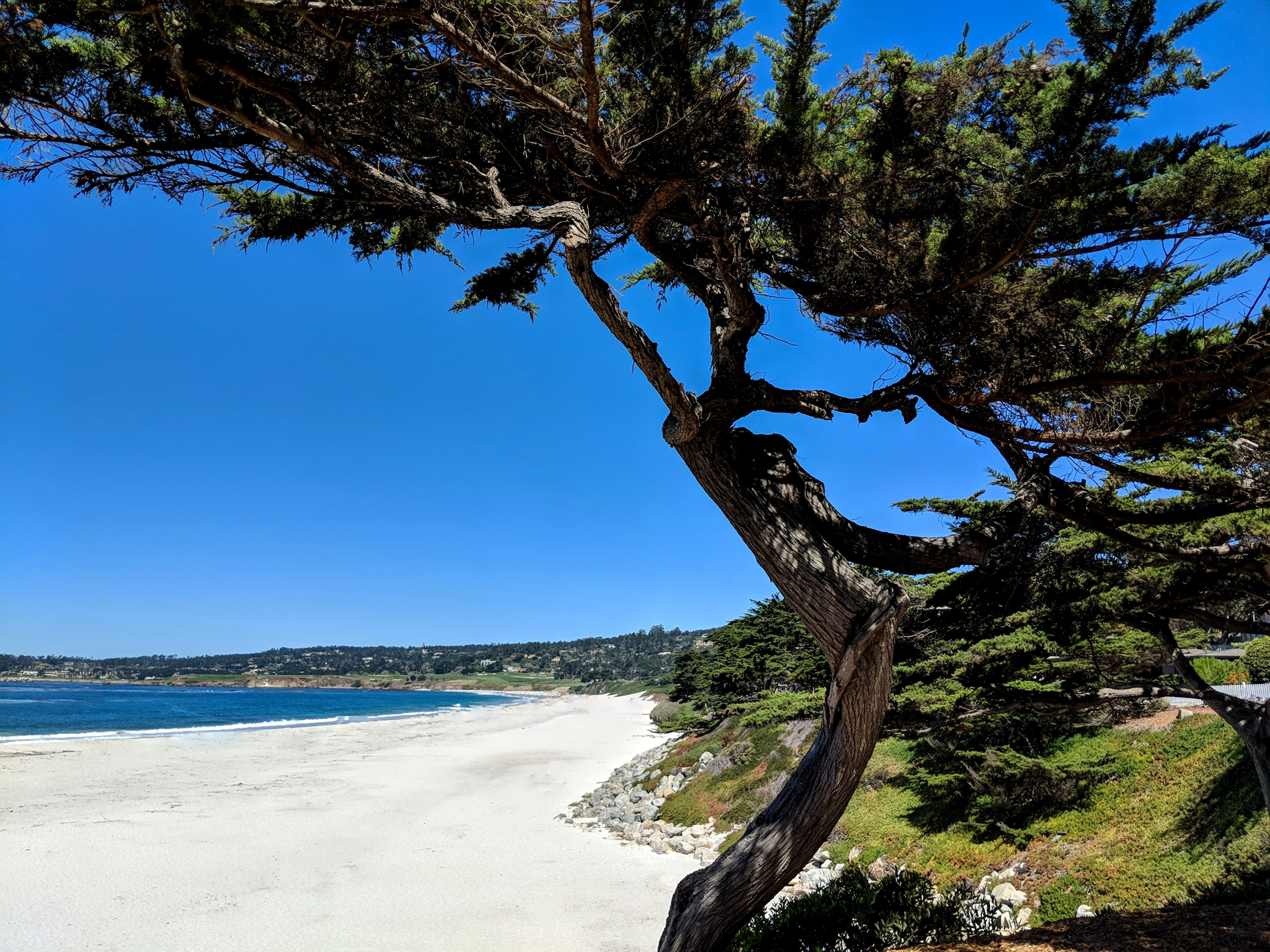
Carmel Beach and the white sandsCarmel Beach and Scenic Road

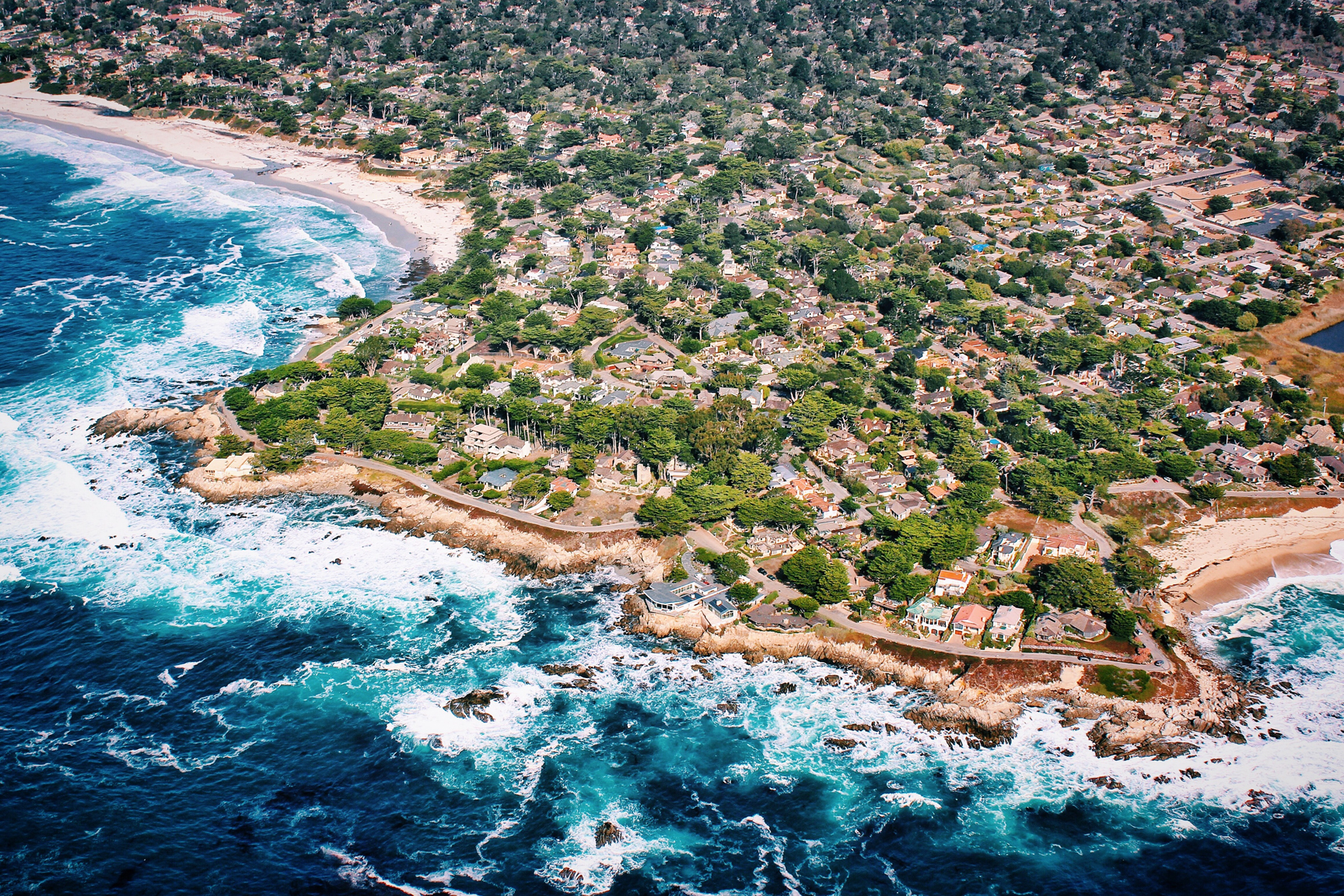
Carmel Beach is one of the defining features of the village. At the foot of Ocean Avenue, the town opens directly toward white sand, surf, sunset, and Carmel Bay. This direct village-to-beach relationship is one of the most powerful reasons people fall in love with Carmel.

Scenic Road extends the coastal experience south along Carmel Bay toward Carmel Point and the Carmel River area. The bluffside pathway, beach access points, benches, cypress trees, stone walls, and coastal views all help make Scenic Road one of the village’s most memorable settings.

Carmel Beach is more than an amenity. It functions almost like the village’s front yard. Residents walk dogs, gather for sunsets, meet friends, and incorporate the beach into daily life.

From a real estate perspective, beach proximity is a major value driver. Homes near Carmel Beach, Scenic Road, the Golden Rectangle, and Carmel Point benefit from one of Carmel’s strongest lifestyle promises: the ability to live close to the village and the sand at the same time.

Read more: Carmel Beach and Scenic Road: How the Coastline Defined Carmel’s Identity

Carmel’s Preservation Ethic

Carmel still feels like Carmel because generations of residents, city leaders, preservationists, builders, and property owners made choices to protect its character. That preservation ethic includes historic preservation, design review, tree protection, small-scale planning, coastal restraint, and resistance to over-commercialization.

The City’s historic preservation program is designed to identify and preserve historic resources that reflect Carmel’s architectural, cultural, historic, and prehistoric identity. Exterior changes to potentially historic properties may require review before development approval.

Carmel’s design review standards also help maintain the village’s special character as a compact residential community shaped by its natural setting and architectural variety. The goal is not uniformity. Carmel is known for diversity. The goal is compatibility, scale, and respect for the village environment.

This preservation ethic protects more than buildings. It protects value. The charm, scarcity, architecture, tree canopy, walkability, beach access, and emotional appeal that buyers value today are all supported by Carmel’s long-standing resistance to becoming generic.

Read more: Carmel’s Preservation Ethic: How the Village Protected Its Character

From Bohemian Village to Luxury Real Estate Market

Carmel’s transformation into a luxury real estate market is one of the most interesting parts of its modern history. The village did not become valuable by becoming generic luxury. It became valuable by preserving the qualities that made it unusual.

The same characteristics that attracted artists and writers more than a century ago now attract luxury buyers: beauty, individuality, architecture, landscape, creativity, walkability, beach access, and escape from the ordinary.

Carmel’s market is driven by limited supply and high emotional demand. Buyers are often seeking not only a home, but a feeling: a cottage near the beach, a garden behind a gate, a walk to dinner, a sunset on the sand, a view of Carmel Bay, or a place that feels rooted in history.

This is why Carmel real estate behaves differently from many conventional luxury markets. In Carmel, a home’s story can be as important as its specifications.

Read more: From Bohemian Village to Luxury Real Estate Market

Why Carmel’s History Matters to Buyers

For buyers, Carmel’s history provides context for value. A Carmel cottage is not just an old house. A home near the beach is not just a location. A property in the Golden Rectangle is not just a point on a map. Each is part of a larger village story.

Understanding that story helps buyers make better decisions. It explains why walkability matters so much, why architecture affects demand, why preservation rules protect value, why beach proximity carries a premium, and why smaller homes can sometimes create stronger emotional appeal than larger properties outside the village core.

Buyers should also understand that Carmel is a micro-location market. A few blocks can make a meaningful difference in walkability, views, sun exposure, traffic patterns, beach access, and overall feel.

Why Carmel’s History Matters to Sellers

For sellers, Carmel’s history is a marketing advantage. The strongest Carmel property marketing does not simply list square footage, bedrooms, baths, and lot size. It explains why the home matters within the village.

A seller should consider the home’s story: Is it a classic cottage? Does it have Carmel stone? Is it near the beach? Does it sit behind a private garden gate? Is it walkable to town? Does it reflect the village’s architecture, preservation ethic, or artist-colony charm?

In Carmel, emotional presentation matters. Photography, staging, copywriting, garden preparation, and neighborhood storytelling can all influence how buyers experience a property.

Important Carmel Real Estate Areas Connected to This History

Carmel’s history shows up differently across the village and surrounding areas. The Golden Rectangle is strongly associated with walkability, beach proximity, and classic Carmel charm. Carmel Point connects coastal setting, literary history, Tor House, and access to Carmel Beach and Carmel River State Beach. Scenic Road and nearby streets offer some of the village’s most powerful coastal settings. The downtown village core connects galleries, restaurants, courtyards, shops, and daily walkability.

For buyers interested in the classic village lifestyle, explore Carmel Golden Rectangle homes for sale. For those drawn to the coastline, browse Carmel oceanfront real estate. For a broader view of the market, view all current Carmel homes for sale.

How Carmel Fits Into the Greater Monterey Peninsula

Carmel-by-the-Sea is one of the signature communities of the Monterey Peninsula, but its appeal is strengthened by its relationship to nearby destinations. Pebble Beach, Pacific Grove, Monterey, Carmel Valley, Big Sur, and Point Lobos all contribute to the lifestyle that makes this region so desirable.

Carmel offers village charm and beach walkability. Pebble Beach offers world-famous golf, gated estates, and dramatic coastline. Pacific Grove offers Victorian character, coastal recreation, and small-town charm. Monterey offers history, the harbor, Cannery Row, and cultural depth. Carmel Valley offers sunshine, acreage, wineries, and a more rural lifestyle.

For many buyers, Carmel is the emotional center of a larger Monterey Peninsula lifestyle. It offers immediate village charm while keeping the rest of the Peninsula close.

The Enduring Appeal of Carmel-by-the-Sea

The story of Carmel-by-the-Sea is not one simple history. It is a layered story of land, water, architecture, culture, creativity, preservation, and market evolution.

Its appeal begins with the natural landscape: Carmel Bay, Carmel River, white sand, cypress, oaks, and coastal light. It deepens through Indigenous history, the mission era, rancho lands, early village development, and the artist colony. It becomes visible in cottages, stone walls, gardens, courtyards, and the village’s walkable scale. It is protected through preservation, design review, and local traditions. And it continues today in a real estate market where buyers are drawn to charm, scarcity, architecture, beach proximity, and emotional connection.

Carmel-by-the-Sea became valuable because it remained itself.

Additional Information regarding the History of Carmel-by-the-Sea

Carmel Mission’s official history

Carmel-by-the-Sea street address information

One-square-mile fairytale village


Thinking About Buying or Selling in Carmel?

If you are considering buying or selling a home in Carmel-by-the-Sea, understanding the history of the village can help you better understand the market. In Carmel, value is shaped by location, architecture, walkability, beach proximity, preservation, scarcity, and story.

The Monterey Peninsula Home Team helps buyers and sellers navigate the Carmel real estate market with local knowledge, neighborhood insight, and a deep appreciation for what makes this community so special.

Explore current Carmel homes for sale, learn more about Carmel Golden Rectangle homes for sale, or browse Carmel oceanfront real estate to see how Carmel’s history, architecture, beach lifestyle, and preservation ethic continue to shape one of California’s most desirable coastal real estate markets.
May 29, 2026

From Bohemian Village to Luxury Real Estate Market: Carmel-by-the-Sea

La Playa Hotel, ca. 1906

Photograph courtesy of the Harrison Memorial Library Collection., Public domain, via Wikimedia Commons

From Bohemian Village to Luxury Real Estate Market

Carmel-by-the-Sea is one of the most desirable luxury real estate markets on the California coast, but its value was not built in the usual way. Carmel did not become famous because it tried to look like every other high-end beach town. It became valuable because it stayed unusual.

The village began as something far more intimate and unconventional: a coastal settlement shaped by Indigenous history, Carmel Mission, rancho lands, artists, writers, poets, builders, cottages, gardens, beach walks, and a deep respect for natural beauty. Over time, that bohemian village evolved into a world-class luxury market, but the best parts of Carmel’s value still come from the qualities that made it different in the first place.

Today, buyers are drawn to Carmel for many reasons: white sand beaches, walkability, architecture, limited supply, privacy, restaurants, art galleries, and proximity to Pebble Beach, Big Sur, Monterey, and the broader Monterey Peninsula. But the emotional appeal runs deeper. People fall in love with Carmel because it feels like a place with a soul.

This is the tenth article in our Carmel-by-the-Sea history series. The earlier articles explored Carmel Mission, the First People of Carmel, Carmel before incorporation, Carmel’s artist colony, Robinson Jeffers and Tor House, Carmel’s architecture and storybook homes, Carmel’s famous street-address tradition, Carmel Beach and Scenic Road, and Carmel’s preservation ethic. This chapter brings those threads together and explains how Carmel became one of California’s most distinctive luxury real estate markets. Explore the complete history of Carmel-by-the-Sea, from Indigenous roots to luxury real estate.

Carmel’s Luxury Story Begins With Difference

Many luxury markets are built around scale: larger homes, larger lots, larger amenities, and larger statements. Carmel’s luxury story is different. The village became desirable because of intimacy, character, walkability, architecture, history, restraint, and atmosphere.

That distinction is essential. Carmel is not simply an expensive coastal location. It is a village with a highly specific identity. Its value comes from the way all of its parts work together: cottages, beach, trees, courtyards, galleries, restaurants, stone walls, gardens, winding lanes, and a long tradition of protecting character.

For many buyers, Carmel real estate is not about acquiring the biggest possible home. It is about acquiring a lifestyle that is hard to find anywhere else.

Mission San Carlos Borromeo de Carmelo (Oriana Day, c.1877–84)

Oriana Weatherbee Day, Public domain, via Wikimedia Commons

From Indigenous Homeland to Carmel Mission

The story of Carmel’s value begins long before the modern real estate market. The Carmel River, Carmel Bay, coastal terraces, oak woodlands, and nearby hills were part of an Indigenous cultural landscape long before European settlement.

Later, Carmel Mission became one of the most important historical landmarks in Alta California. Mission San Carlos Borromeo de Río Carmelo connected Carmel to Spanish colonial history, religious architecture, and the early development of the Monterey Peninsula.

These early layers matter because they give Carmel historical depth. The village is not a manufactured resort community. It is part of a landscape shaped by centuries of human history, cultural change, architecture, and memory.

The Rancho and Early Village Period

After the mission period, the Carmel area passed through Mexican-era land grants, ranching, early settlement, and eventually early village development. Before Carmel-by-the-Sea incorporated in 1916, the land was already being imagined as something more than a conventional subdivision.

Developers such as J. Frank Devendorf and Frank H. Powers helped promote Carmel as a village-by-the-sea rather than a typical resort town. Their vision attracted people who wanted beauty, simplicity, creative life, and connection to nature.

That early development philosophy still matters. Carmel’s modern luxury value is rooted in the fact that the village was never designed around generic expansion. It was designed around atmosphere.

The Artist Colony Created Carmel’s Soul

Carmel’s artist colony is one of the most important reasons the village still feels different. Writers, painters, performers, photographers, poets, and independent thinkers came to Carmel because it offered natural beauty, informality, and freedom from conventional city life.

Carmel’s official artist-colony history still describes the village as a bohemian enclave and a haven for artists, writers, and intellectuals. That identity was not decorative. It shaped the culture of the community.

The artists and writers helped create the values that buyers still respond to today: individuality, authenticity, beauty, craft, and a preference for character over standardization.

Why Bohemian Carmel Became Luxury Carmel

At first, Carmel’s artistic identity was not a luxury brand. Early Carmel was often rustic, modest, informal, and experimental. Many residents came because the village offered creative freedom and natural beauty, not because it offered polished luxury.

Over time, however, the qualities that attracted artists became the same qualities that attracted luxury buyers. The village was beautiful, walkable, architecturally distinctive, culturally rich, and physically limited. It had a world-class beach, charming streets, and a strong sense of identity.

As California grew, the Bay Area expanded, Silicon Valley created new wealth, and coastal communities became more scarce, Carmel’s old bohemian character became increasingly valuable. What had once been informal and eccentric became rare and irreplaceable.

Architecture Turned Identity Into Real Estate Value

Carmel’s architecture is one of the clearest examples of how cultural identity became real estate value. Storybook cottages, stone chimneys, hidden gardens, arched doors, handcrafted details, and village-scale homes all turned Carmel’s artistic spirit into physical form.

Architectural figures such as Michael J. Murphy and Hugh Comstock helped create a built environment that felt personal, imaginative, and deeply connected to place. Carmel’s cottages were not standardized luxury products. They were part of a village tradition.

That tradition still affects pricing and demand. A smaller home with authentic Carmel character may attract more emotional interest than a larger home that feels generic. In Carmel, charm can be a major value driver.

Carmel-by-the-Sea oceanfront cottageThe Golden Rectangle and the Classic Carmel Lifestyle
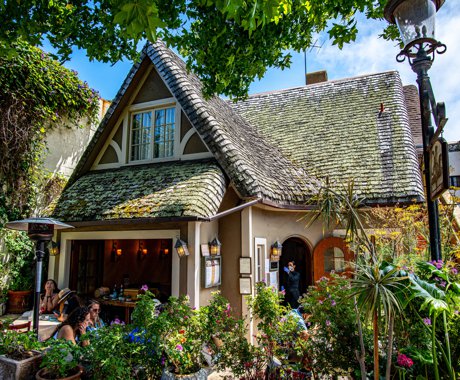
The Golden Rectangle is one of the clearest examples of how Carmel’s history, architecture, and beach lifestyle combine to create premium real estate demand. Buyers looking at Carmel Golden Rectangle homes for sale are often seeking the classic Carmel experience: walkability to town, proximity to Carmel Beach, cottage architecture, and quiet residential charm.

The appeal is both practical and emotional. A Golden Rectangle home can offer easy access to restaurants, shops, galleries, wine tasting, the post office, and the beach. At the same time, it can offer the feeling of living inside the village story that has made Carmel famous.

That combination is rare. In many markets, buyers must choose between lifestyle, architecture, and location. In Carmel’s best pockets, those elements can come together in a powerful way.

Carmel Beach as a Value Engine

Carmel Beach is one of the great value engines of the Carmel real estate market. Its white sand, sunsets, dog-friendly culture, scenic walks, and direct connection to Ocean Avenue help define the village’s lifestyle.

Beach proximity matters in obvious ways: views, access, sound, and daily use. But it also matters emotionally. Buyers often imagine the rhythm of life: morning walks on the sand, evenings at sunset, dinner in town, and the ability to experience the best of Carmel without needing a car.

For many second-home and luxury buyers, that walkable beach lifestyle is the dream. It is one reason homes near Carmel Beach, Scenic Road, Carmel Point, and the Golden Rectangle can attract intense interest.

Scenic Road and Oceanfront Scarcity

Scenic Road represents one of Carmel’s most coveted coastal settings. It offers a direct relationship with Carmel Beach, Carmel Bay, the bluff pathway, and some of the most memorable views in the village.

For buyers seeking Carmel oceanfront real estate, Scenic Road and nearby coastal locations represent a very limited supply of opportunities. There are only so many homes that can offer a front-row relationship with Carmel’s coastline.

Scarcity is a major factor in luxury real estate, and Carmel’s coastline is finite. That scarcity is made more valuable by the village’s preservation ethic, which has helped prevent the beach from becoming overbuilt or overly commercialized.

Preservation Created Long-Term Value

Carmel’s preservation ethic is one of the main reasons the village’s real estate market has remained so distinctive. The city has protected historic resources, design character, architectural scale, tree canopy, beach character, and the village’s small-scale identity.

Preservation can sometimes be misunderstood as a restriction. In Carmel, it is also a value protector. It helps ensure that the qualities buyers love are not easily erased. Historic cottages, mature trees, garden walls, village walkability, and coastal restraint all contribute to long-term demand.

Without preservation, Carmel could have become a very different kind of place. The village might have gained more density or commercial intensity, but it could have lost the intimacy and charm that make its real estate so valuable.

Limited Supply and High Emotional Demand

Carmel-by-the-Sea is small, geographically constrained, and largely built out. Its most desirable areas are limited by beach proximity, village boundaries, historic development patterns, and preservation expectations.

At the same time, demand comes from a wide range of buyers: local residents, Bay Area and Silicon Valley buyers, Central Valley families, second-home purchasers, retirees, legacy buyers, and people drawn to the Monterey Peninsula lifestyle.

This combination of limited supply and high emotional demand is powerful. Buyers are not simply comparing Carmel homes on a spreadsheet. They are often pursuing a feeling, a lifestyle, and a place they may have dreamed about for years.

Why Carmel Is Different From Other Luxury Markets

Carmel competes with other luxury coastal markets, but it does not feel like most of them. Its charm is not based on uniform perfection. It is based on texture, history, and individuality.

In Carmel, a winding lane may matter. A courtyard may matter. A stone fireplace may matter. A house name may matter. A mature cypress or oak may matter. A short walk to the sand may matter. The emotional details are often what make a property memorable.

This is why Carmel can outperform conventional expectations. A home that might seem small on paper can feel extraordinary in person if it captures the village’s character.

Downtown Carmel-by-the-Sea restaurant and art gallery

The Role of Restaurants, Galleries, and Village Life

Carmel’s luxury market is also supported by the strength of its village life. Restaurants, wine tasting, boutique shopping, art galleries, courtyards, theaters, and inns create a daily experience that feels both refined and personal.

Importantly, this village life is walkable. The official Carmel visitor site emphasizes that the village offers restaurants, wine tasting, boutique shops, art galleries, a white-sand beach, and scenery within walking distance. That walkability is a key part of Carmel’s luxury proposition.

Luxury in Carmel is not only about privacy. It is also about ease. The ability to leave a cottage, walk to coffee, browse galleries, meet friends for dinner, and continue down to the beach is part of what buyers are paying for.

Modern Luxury Without Losing the Village

Carmel’s market now includes beautifully remodeled cottages, architect-designed homes, ocean-view residences, historic properties, and modernized retreats. Buyers often want updated kitchens, improved baths, better systems, outdoor living, privacy, and comfort.

But the most successful properties usually balance modern luxury with Carmel character. They do not erase the village’s identity. They enhance it.

This is an important point for sellers. In Carmel, the goal is not always to make a home feel brand new. The better goal is often to make it feel beautifully cared for, highly livable, and authentically Carmel.

The Risk of Over-Modernizing

Because Carmel homes are valuable, many owners consider major renovations. Thoughtful modernization can add significant appeal, but over-modernizing can sometimes weaken what buyers love most.

A remodel that removes old-world texture, garden privacy, cottage scale, stonework, wood details, or architectural personality may make a home feel more generic. In another market, that might not matter. In Carmel, it can.

Buyers often want comfort, but they also want magic. The best Carmel properties deliver both.

Carmel’s Real Estate Value Is Built on Story

More than many markets, Carmel real estate is story-driven. The story may be architectural, historical, coastal, artistic, or lifestyle-based. A home may be compelling because it is a storybook cottage, a beach retreat, a Carmel Point hideaway, a Golden Rectangle classic, or a restored historic property.

That story matters in marketing. Carmel homes should not be presented only as bedrooms, baths, square footage, and lot size. Those details are necessary, but they rarely capture the full value.

The strongest Carmel marketing explains what the property means within the village: how it lives, how it connects to the beach, how it reflects Carmel’s architecture, and why it feels emotionally right.

What Buyers Should Understand About Carmel

Buyers should understand that Carmel is not a typical luxury market. The best property may not always be the largest or newest home. It may be the home that best captures location, charm, history, walkability, privacy, and character.

Buyers should also understand the importance of micro-location. A few blocks can make a meaningful difference in walkability, beach access, traffic patterns, views, sun exposure, and overall feel.

In Carmel, local knowledge matters. The difference between two properties may not be obvious from an online listing, but it can be very clear on the ground.

What Sellers Should Understand About Carmel

Sellers should understand that Carmel buyers are often buying emotionally first and analytically second. They still care about condition, pricing, inspections, and value, but the initial attraction is often emotional.

That means presentation matters. Gardens should feel inviting. Character details should be highlighted. The home’s relationship to the village and beach should be clearly explained. Photography, copywriting, staging, and storytelling are especially important.

The right strategy is not just to market a property. It is to market a Carmel lifestyle.

From Bohemian Roots to Global Appeal

The remarkable thing about Carmel is that its global appeal came from local authenticity. The village became famous not because it abandoned its roots, but because it protected them.

The same qualities that drew artists and writers more than a century ago still draw buyers today: beauty, individuality, architecture, landscape, creativity, and escape from the ordinary.

Carmel’s price points may have changed dramatically, but the emotional promise remains surprisingly consistent. People come to Carmel because they want to feel connected to a place that is beautiful, intimate, and different.

Why This Chapter Matters in the Carmel History Cluster

This chapter is the culmination of the Carmel-by-the-Sea history series because it explains how history became value. Carmel’s Indigenous landscape, mission heritage, rancho period, artist colony, literary legacy, architecture, beach setting, village quirks, and preservation ethic are not separate from the real estate market. They are the foundation of it.

Carmel’s modern luxury market exists because those layers survived. The village protected enough of its character that buyers still recognize something rare when they arrive.

In the final pillar page of this cluster, we will bring the entire story together in one comprehensive guide to the history of Carmel-by-the-Sea, with internal links to each supporting article in the series.

Want more information about Carmel-by-the-Sea?

One-square-mile, fairytale village, Discover Carmel-by-the-Sea

Carmel’s artist colony legacy

Carmel-by-the-Sea became a city in 1916

Thinking About Buying or Selling in Carmel?

If you are considering buying or selling a home in Carmel-by-the-Sea, understanding the village’s history can help you better understand why certain properties command such strong emotional and financial appeal. In Carmel, value is shaped by location, architecture, beach proximity, walkability, preservation, scarcity, and story.

The Monterey Peninsula Home Team helps buyers and sellers navigate the Carmel real estate market with local knowledge, neighborhood insight, and a deep appreciation for what makes this community so special.

Explore current Carmel homes for sale, learn more about Carmel Golden Rectangle homes for sale, or browse Carmel oceanfront real estate to see how Carmel’s history, architecture, beach lifestyle, and preservation ethic continue to shape one of California’s most desirable luxury real estate markets.

May 29, 2026

416 Sinex Avenue Pacific Grove CA | Charming Bungalow Near Downtown

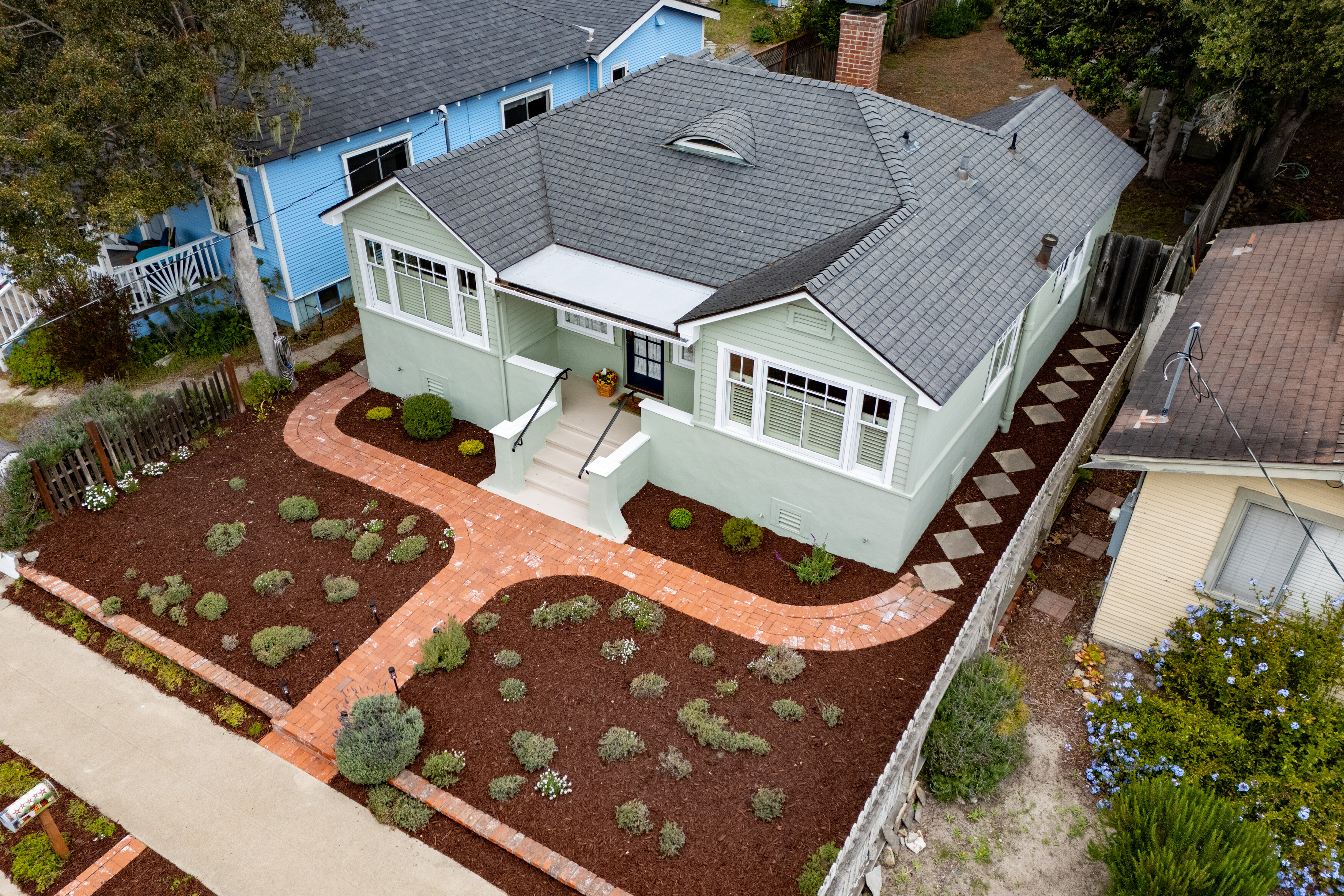
416 Sinex Ave Pacific Grove Cottage416 Sinex Avenue: A Charming Pacific Grove Bungalow Near Downtown
For buyers searching for a classic Pacific Grove cottage with character, flexibility, and a highly convenient location, 416 Sinex Avenue offers a rare opportunity in one of the Monterey Peninsula’s most beloved coastal communities.

Located in the desirable Forest Avenue and Pine Avenue neighborhood of Pacific Grove, this charming bungalow is filled with timeless 1930s character, thoughtful updates, and the kind of indoor-outdoor flexibility that is increasingly hard to find in today’s Pacific Grove real estate market.

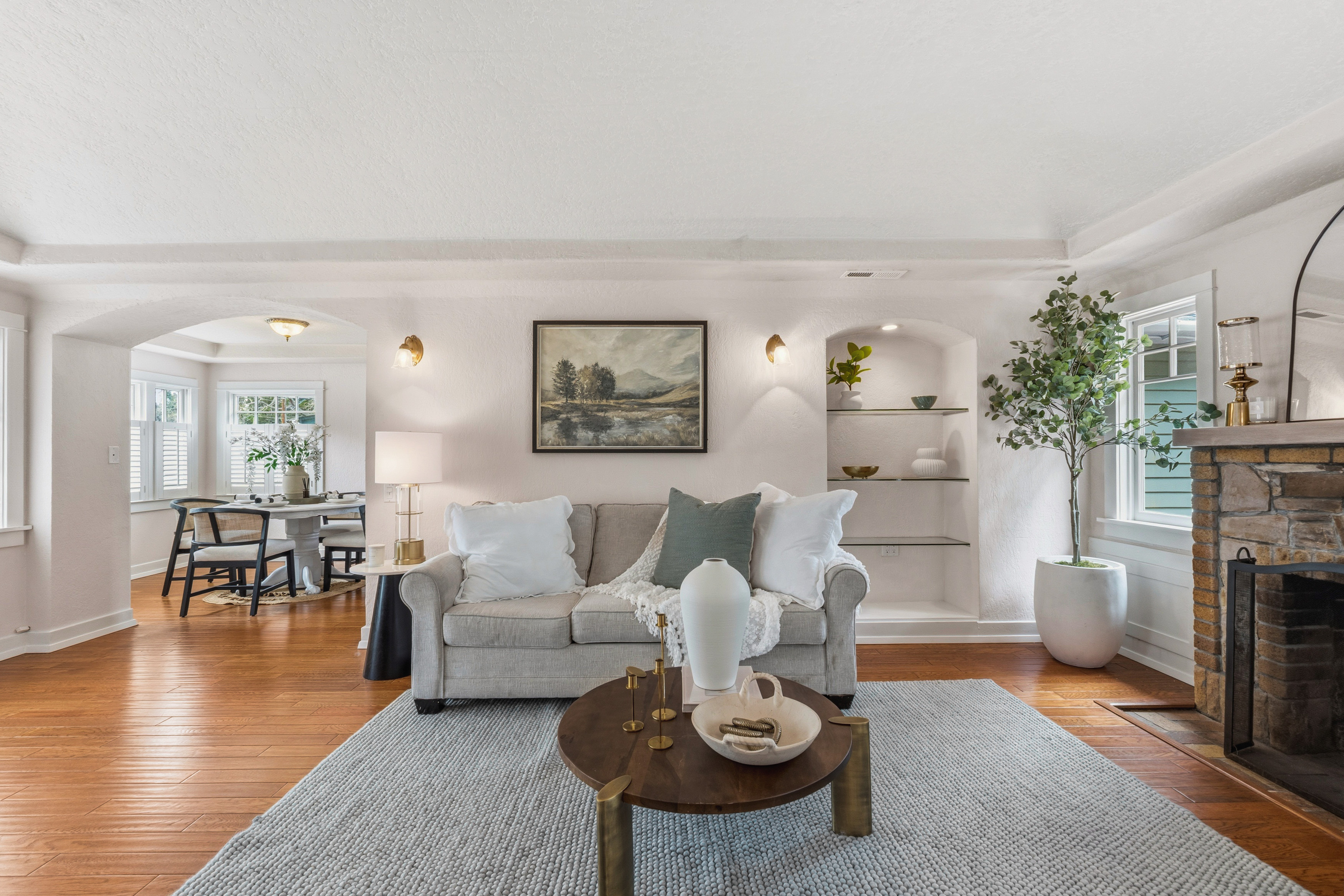
From the old-school plaster walls and built-ins to the inviting fireplace and updated kitchen, this home delivers the warmth and personality buyers hope to find in historic Pacific Grove. For those exploring Pacific Grove homes for sale, 416 Sinex Avenue stands out as a property with both emotional appeal and practical flexibility.

Vintage home in Pacific Grove CAA Pacific Grove Home Full of Vintage Character
Inside the main home, the appeal is immediate. Classic plaster walls, hardwood floors, built-in details, and a charming living room fireplace create a warm and inviting atmosphere. The updated kitchen adds modern convenience while still respecting the home’s original cottage character.

With approximately 802 square feet, 2 bedrooms, and 1 bathroom, the home is efficient, comfortable, and full of charm. It is the kind of Pacific Grove property that feels intimate in the best way: easy to maintain, easy to enjoy, and perfectly suited for full-time living, a coastal getaway, or a long-term Monterey Peninsula investment.

Buyers who are specifically drawn to smaller homes with character may also want to explore other Pacific Grove cottages for sale, as these properties remain some of the most sought-after homes in the local market.

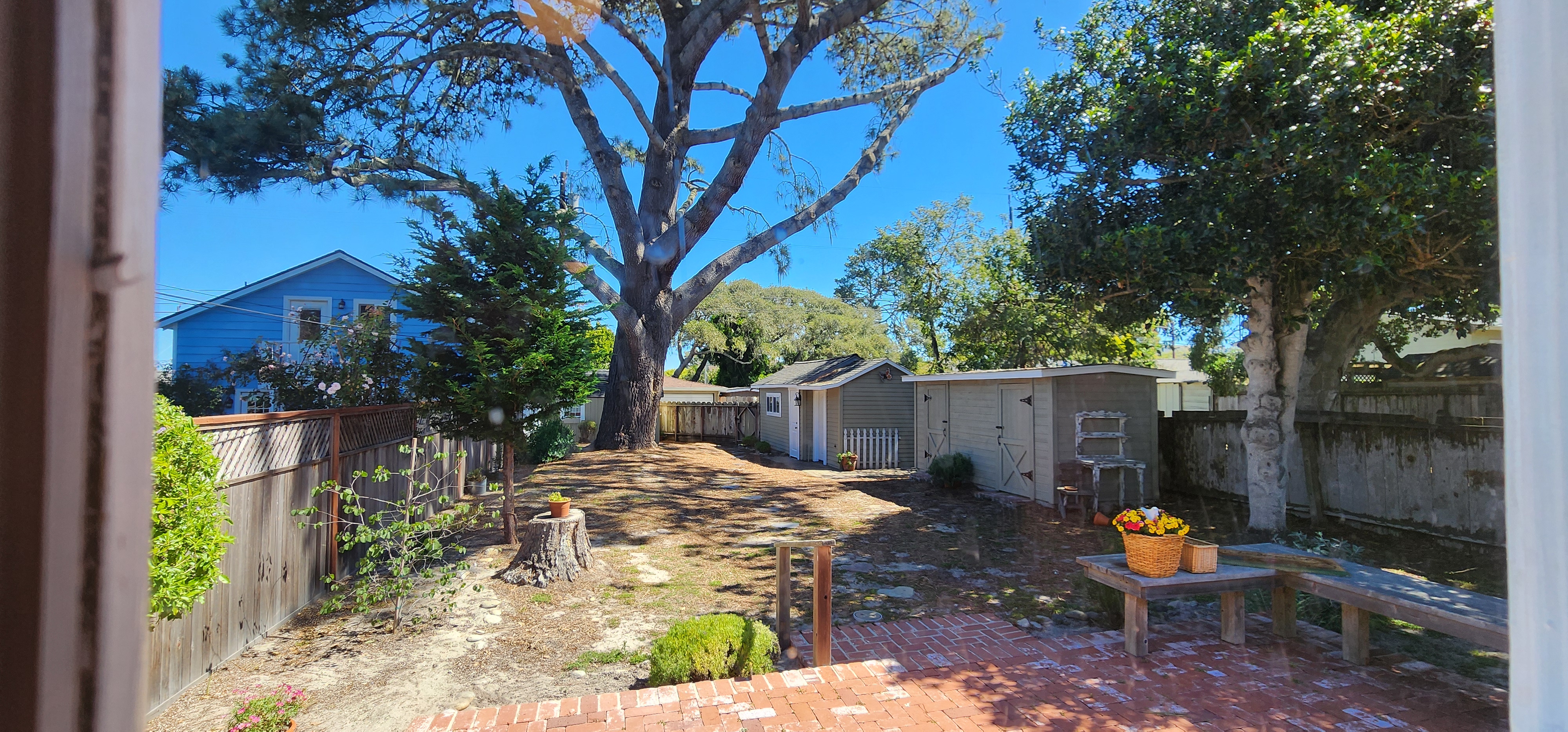
Hobby house in Pacific Grove CAThree Additional Structures Add Flexibility and Value
One of the most compelling features of 416 Sinex Avenue is the spacious backyard and the collection of additional structures that expand how the property can be used.

The property includes a converted garage with a bathroom, a "hobby house," and a storage shed. These spaces create valuable flexibility for today’s buyer. Depending on needs and future permitting possibilities, they may support a variety of uses such as a creative studio, home office, workshop, hobby space, guest overflow, storage, or potential future improvement opportunities.

Buyers should verify use, permits, and any future conversion possibilities with the City of Pacific Grove, but the existing utility of these structures gives the property a much broader lifestyle story than many smaller Pacific Grove cottages.

A Spacious Backyard in a Walkable Pacific Grove Setting

The home sits on a spacious street-to-alley lot, providing a sense of openness, privacy, and utility that is not always available with small historic homes in Pacific Grove. The backyard offers room to garden, entertain, relax, or create a peaceful outdoor retreat.

For buyers who value both charm and function, this combination is especially appealing. You get the personality of an older Pacific Grove bungalow, but with outdoor space and separate structures that make the property live larger than its square footage suggests.

Living in the Forest and Pine Neighborhood

The Forest and Pine area is one of Pacific Grove’s most convenient residential neighborhoods. From 416 Sinex Avenue, buyers can enjoy close proximity to downtown Pacific Grove, local restaurants, coffee shops, boutiques, parks, schools, and the coastline.

This part of Pacific Grove is especially appealing because it offers a central location without losing the residential feel that makes the city so desirable. Buyers who want to learn more about the neighborhood can read our local guide to the Forest Avenue and Pine Avenue neighborhood.

Pacific Grove is known for its small-town coastal charm, Victorian and Craftsman-era architecture, walkable streets, and strong sense of community. Buyers interested in the city’s historic roots can also explore our Pacific Grove history blog series, including stories about how the city evolved from a Methodist retreat into the community now known as America’s Last Hometown.

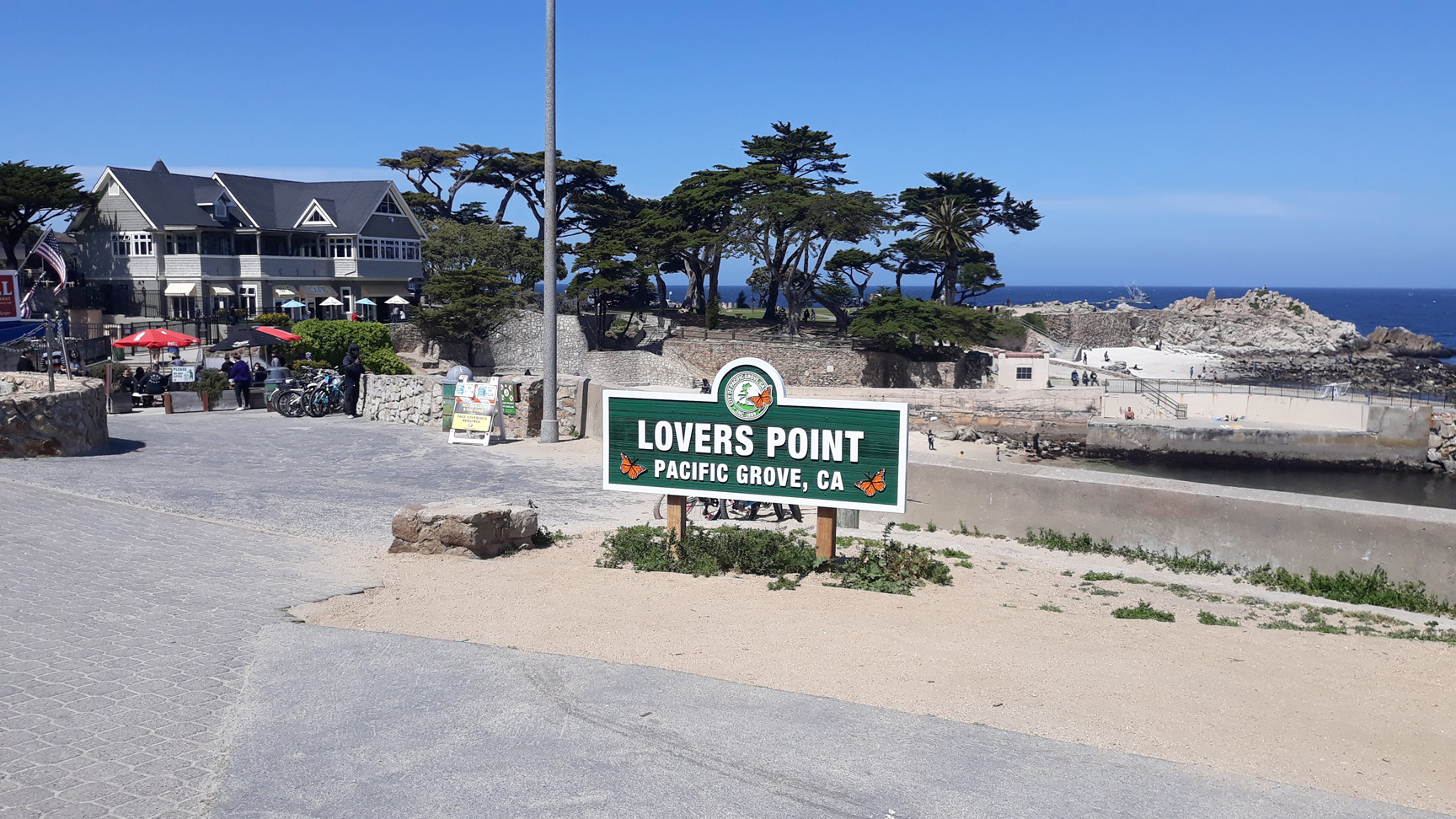
Lovers Point in Pacific GroveThe Pacific Grove Lifestyle

Pacific Grove offers a lifestyle that is hard to duplicate. Residents enjoy access to Lovers Point, the Monterey Bay Coastal Recreation Trail, Asilomar State Beach, Pacific Grove Golf Links, downtown shopping and dining, and some of the most scenic coastline in California.

Lovers Point is one of the city’s most loved gathering places, popular for walking, kayaking, picnics, scenic photography, tide pooling, and simply enjoying the ocean air. The coastal trail connects Pacific Grove with Cannery Row and the Monterey Bay Aquarium, making it easy to enjoy morning walks, bike rides, and weekend outings along the waterfront.

Pacific Grove is also known as “America’s Last Hometown,” a fitting description for a community that still feels personal, neighborly, and rooted in history. Buyers are drawn here not only for the homes, but for the everyday lifestyle: strolls to town, coffee near the coast, sunset walks by the water, local events, and proximity to the best of the Monterey Peninsula.

Close to the Best of the Monterey Peninsula

From Pacific Grove, buyers are minutes from some of the region’s most desirable destinations. Monterey homes for sale appeal to buyers who want access to Cannery Row, Fisherman’s Wharf, the Monterey Bay Aquarium, historic adobes, downtown restaurants, and waterfront recreation.

Nearby Pebble Beach real estate offers world-famous golf, 17-Mile Drive, The Lodge at Pebble Beach, Spanish Bay, and dramatic coastal scenery. Buyers who are drawn to views can also browse Pebble Beach ocean view homes, while golf enthusiasts may enjoy exploring Pebble Beach golf course homes for sale.

Carmel-by-the-Sea real estate offers white sand beaches, art galleries, wine tasting rooms, fine dining, and one of the most charming village settings on the California coast. Carmel Valley homes for sale appeal to buyers who want sunshine, wineries, hiking, resorts, and a relaxed inland lifestyle. Together, these communities make the Monterey Peninsula one of California’s most desirable coastal regions.

Buyers interested in the area’s deeper story can also explore our Monterey Peninsula real estate blog, where we cover local neighborhoods, market trends, and regional history. For those who enjoy historic context, our Monterey history content provides useful background on how the Peninsula evolved from early California settlement, military and maritime history, tourism, and the modern coastal lifestyle buyers enjoy today.

Pacific Grove Real Estate Market Perspective

Pacific Grove real estate remains highly sought after because the city offers a rare combination of coastal access, architectural charm, small-town character, and limited housing supply. Smaller cottages and bungalows can be especially attractive to buyers looking for a manageable home in a premium coastal location.

Homes with charm, updates, walkability, and unique utility often stand out from more ordinary inventory. For 416 Sinex Avenue, the appeal is not based on size alone. The value is in the full package: vintage character, updated livability, a spacious lot, multiple additional structures, a walkable Pacific Grove location, and the lifestyle that comes with living near downtown and the coast.

Buyers who want to compare this home with current inventory can search all Pacific Grove homes for sale, browse the main Pacific Grove real estate page, or focus specifically on Pacific Grove cottages.

Why Buyers Should Pay Attention to 416 Sinex Avenue

416 Sinex Avenue is the kind of home that speaks to buyers who want more than a standard property. It offers charm, flexibility, location, and future potential in one of the Monterey Peninsula’s most desirable communities.

  • Charming Pacific Grove bungalow with 1920s character
  • Old-school plaster walls and abundant built-ins
  • Inviting living room fireplace
  • Updated kitchen
  • Hardwood floors and classic cottage details
  • Approximately 802 square feet with 2 bedrooms and 1 bathroom
  • Plus a converted garage with bathroom (approximately 150 SF)
  • Spacious street-to-alley lot
  • Separate hobby house
  • Additional storage shed
  • Close to downtown Pacific Grove shopping and dining
  • Near the coastline, Lovers Point, Asilomar, and the Monterey Bay Recreation Trail

A Rare Pacific Grove Opportunity

In a market where many buyers are searching for charm, location, and flexibility, 416 Sinex Avenue offers a compelling opportunity. It is not just a small Pacific Grove home; it is a property with personality, outdoor space, extra structures, and a lifestyle-driven location near the heart of town.

For buyers who have been waiting for a charming Pacific Grove bungalow with vintage appeal, updated features, and room for creativity, 416 Sinex Avenue deserves serious attention.

To learn more about this property, compare other Pacific Grove homes for sale, or schedule a private showing, call or text Mark Bruno with the Monterey Peninsula Home Team. (831) 917-8190

May 27, 2026

Carmel’s Preservation Ethic: How the Village Protected Its Character

Carmel Mission preservation

Carmel’s Preservation Ethic: How the Village Protected Its Character

Carmel-by-the-Sea is one of the rare coastal communities that still feels deeply connected to its original identity. The village has changed, real estate values have risen dramatically, and visitors come from around the world, but Carmel still retains much of the charm that made it famous: cottages tucked among trees, walkable lanes, hidden courtyards, art galleries, white sand beach, and a sense that the town has resisted becoming ordinary.

That did not happen by accident. Carmel’s character has been protected through a long preservation ethic that includes historic preservation, design review, tree protection, coastal restraint, small-scale planning, and a community culture that values charm over standardization.

This preservation mindset is one of the main reasons Carmel real estate remains so distinctive. Buyers are not simply purchasing a home near the beach. They are buying into a village whose character has been guarded for generations.

This is the ninth article in our Carmel-by-the-Sea history series. The first article explored Carmel Mission and the Spanish colonial roots of Carmel-by-the-Sea. The second article looked at the First People of Carmel and the Indigenous history of the Monterey Peninsula. The third article traced Carmel’s transformation from rancho land to coastal village before incorporation. The fourth article explored Carmel’s artist colony. The fifth article focused on Robinson Jeffers, Tor House, and Carmel’s literary legacy. The sixth article explored Carmel’s architecture, cottages, and storybook homes. The seventh article explained why Carmel became famous for having no traditional street addresses. The eighth article explored Carmel Beach and Scenic Road. This article looks at how Carmel protected the character that makes all of those earlier chapters still visible today. Explore the complete history of Carmel-by-the-Sea, from Indigenous roots and Carmel Mission to the artist colony, storybook cottages, Carmel Beach, preservation, and luxury real estate.

Carmel’s Character Was Protected by Choice

Many beautiful coastal towns eventually lose the very qualities that made them attractive. Growth pressure, tourism, commercial expansion, oversized buildings, chain businesses, parking demands, and real estate speculation can slowly turn a distinctive place into something more generic.

Carmel-by-the-Sea faced many of those same pressures. Its beach, climate, architecture, artistic reputation, and Monterey Peninsula location made it highly desirable. But Carmel developed a strong tradition of saying no to changes that would weaken its village identity.

That tradition is sometimes described through Carmel’s quirks: no traditional street addresses for generations, no home mail delivery, no streetlights in many residential areas, no large-scale boardwalk-style beach development, and a long resistance to standard suburban features. But the deeper story is not just quirkiness. It is preservation.

Carmel Village shopsA Residential Village, Not a Conventional Resort Town
One of the most important ideas in Carmel planning is that the city sees itself as a residential village. That matters because it frames how development is evaluated. Carmel is not trying to become a high-density resort strip, a commercialized beach town, or a generic luxury subdivision.

The city’s design review standards are intended to promote and maintain Carmel’s special character as a compact residential village shaped by its natural setting. That includes respect for architecture, scale, landscape, and the creative variety that has always made Carmel visually distinctive.

This approach helps explain why Carmel feels different from many other expensive coastal communities. The point is not simply to make homes valuable. The point is to protect the setting that makes the village meaningful.

Historic Preservation as a Formal Program

Carmel’s preservation ethic is not only cultural. It is also formalized through the city’s historic preservation program.

The City of Carmel-by-the-Sea maintains a Historic Context Statement, a Historic Preservation Ordinance, and an Inventory of Historic Resources. These tools help the city identify historically significant buildings, structures, sites, districts, and archaeological resources that contribute to Carmel’s unique architectural, cultural, historic, and prehistoric identity.

This matters because Carmel’s charm depends heavily on its older buildings, early cottages, historic residences, artistic-era structures, and architectural variety. Without a preservation framework, those resources would be more vulnerable to demolition, inappropriate alteration, or replacement by buildings that do not fit the village.

Historic Status Review Before Exterior Alterations

One of the most practical ways Carmel protects historic character is through review before exterior changes. Projects involving exterior alterations such as a new roof, new siding, new windows, or additions require an evaluation of the property’s historic status before development review.

If a property is found to be historically significant, it may be listed on the Inventory of Historic Resources and subject to further review. Projects involving historic resources require review by the city’s historic preservation consultant and approval by the Historic Resources Board. Work must be consistent with the Secretary of the Interior’s Standards as well as Carmel’s municipal code and design regulations.

For homeowners, this can add process. But from a market perspective, it also protects the character that supports long-term value. Carmel’s historic homes and older cottages are part of the village’s brand. Protecting them helps protect the market itself.

The Historic Context Statement

A Historic Context Statement is a planning document that helps a community understand which themes, periods, people, architecture, and development patterns shaped its built environment. Carmel’s Historic Context Statement serves as a foundation for the city’s historic preservation program.

This type of document matters because preservation cannot work well if a community does not understand what it is trying to preserve. In Carmel, the important themes include Indigenous history, the mission era, the rancho and village development period, the artist colony, early builders, cottage architecture, literary history, commercial development, and the evolution of the village as a residential and cultural community.

By identifying those themes, Carmel can evaluate properties with more care and consistency. The goal is not to freeze every building in time. The goal is to understand which resources help tell the story of the village and how future changes should respect that story.

Design Review and the Carmel Look

Carmel’s design review process is one of the key tools used to maintain village character. The goal is not to require every building to look the same. In fact, Carmel is known for architectural variety. The goal is to make sure new work respects scale, setting, materials, neighborhood character, and the village’s relationship with the natural environment.

This is why Carmel can include storybook cottages, Craftsman influences, Tudor Revival details, Spanish Revival elements, stone houses, modernized historic homes, and carefully designed newer residences while still feeling cohesive.

What holds the village together is not uniformity. It is compatibility. Homes can be different from each other, but they should still feel like they belong in Carmel.

The “Village in a Forest” Character

Carmel’s forested setting is central to its preservation identity. The village is not just a collection of buildings near a beach. It is a village among trees. The relationship between homes, gardens, streets, and the forest canopy is one of Carmel’s defining visual qualities.

Community design discussions have repeatedly emphasized the importance of maintaining a “village in a forest” character, with layered landscaping, filtered views, rustic gardens, and homes nestled into their settings rather than dominating them.

This is one of the reasons landscaping matters so much in Carmel. A home’s value is not only inside the walls. It is also in the way the home sits among trees, courtyards, gates, garden walls, and informal plantings.

Tree Protection and Natural Setting

Carmel’s preservation ethic includes protection of the natural environment, especially trees. Mature trees help create privacy, shade, enclosure, softness, and continuity between the built and natural worlds.

In many communities, trees are treated as landscaping. In Carmel, they are part of the city’s identity. The forested canopy softens architecture, shapes streetscapes, protects privacy, and reinforces the feeling that homes are placed within a natural setting rather than imposed on it.

For real estate, this matters because mature landscaping and tree canopy can be major value drivers. A home tucked behind old trees, stone walls, and layered gardens often feels more authentically Carmel than a property stripped of landscape character.

Small Scale as a Form of Preservation

Carmel’s scale is one of its greatest assets. The village is compact, walkable, and human-scaled. Homes often sit on smaller lots. Streets feel intimate. Commercial activity is concentrated but not overwhelming. The beach and village core remain closely connected.

Preserving this scale has been essential. If Carmel had allowed oversized buildings, broad commercial corridors, or large-scale beach development, the village would feel completely different today.

Small scale is not a limitation in Carmel. It is part of the luxury. Buyers often choose Carmel because they want intimacy, charm, walkability, and a slower pace. The ability to walk from a cottage to coffee, dinner, galleries, the post office, and Carmel Beach is one of the defining lifestyle benefits.

Resisting Over-Commercialization

Carmel’s resistance to over-commercialization is another major part of its preservation story. The village has long valued independent shops, galleries, restaurants, inns, and small-scale commercial life over large chain-driven development.

This is important because commercial character affects residential value. A village filled with local businesses, courtyards, galleries, and restaurants feels very different from a town dominated by standardized storefronts and highway-style commercial design.

For buyers, that difference matters. Carmel’s commercial village supports the residential experience. It gives homeowners a place to walk, dine, browse, meet friends, and participate in the rhythm of the town.

Why the Beach Was Not Overbuilt

One of Carmel’s most important preservation achievements is what did not happen along the beach. Carmel Beach did not become a boardwalk district, amusement zone, high-rise hotel strip, or heavily commercialized waterfront.

Instead, the coastline remains central to community life while retaining a natural, open, and relatively restrained character. Scenic Road, the bluff pathway, beach access points, and nearby homes connect the village to the coast without overwhelming the beach itself.

This restraint is a major reason Carmel Beach remains so emotionally powerful. The beach feels like a natural public treasure rather than a commercial product.

Preservation and Real Estate Scarcity

Carmel’s preservation ethic contributes directly to real estate scarcity. The village is geographically limited, tightly developed, and highly protective of its character. There is no easy way to create more classic Carmel cottages near the beach or village core.

That scarcity supports long-term value. Buyers seeking the classic Carmel lifestyle are competing for a limited inventory of homes in a limited setting. When a property combines location, architectural charm, privacy, and walkability, demand can be intense.

This is especially true in areas such as the Golden Rectangle, Carmel Point, and the village core. Explore current Carmel Golden Rectangle homes for sale to see how preservation, walkability, and limited supply influence buyer demand.

Preservation Does Not Mean Nothing Changes

It is important to understand that preservation does not mean Carmel never changes. Homes are remodeled. Older properties are restored. New homes are built. The village has recently moved toward implementing street numbers for homes and buildings. Restaurants and shops evolve. Buyer expectations change.

The question is not whether Carmel changes. The question is how it changes.

Good preservation allows a community to adapt without losing its soul. In Carmel, that means modernizing where necessary while protecting scale, architecture, landscape, walkability, and the village’s relationship to the coast.

The Address Change as a Preservation Case Study

Carmel’s recent decision to add street numbers is a useful example of how the village balances tradition with function. For generations, Carmel was famous for having no traditional street addresses. That tradition reinforced the town’s identity and became one of its best-known quirks.

But modern emergency response, mapping technology, banking, insurance, deliveries, and public safety systems increasingly rely on precise addresses. Carmel’s move toward street numbers reflects a practical update. At the same time, the city has emphasized that the P.O. Box mail tradition remains in place.

This is preservation in a living community. Carmel can modernize a functional system while still protecting the traditions and character that matter most.

Why Buyers Respond to Preserved Character

Buyers respond to Carmel because it feels authentic. The village has not been smoothed into sameness. Its charm comes from irregularity, texture, older homes, gardens, courtyards, trees, stone, and the sense that the town has been shaped by artists, writers, residents, and preservation-minded choices over time.

That authenticity creates emotional value. A buyer walking into a Carmel cottage may respond to details that do not show up neatly on a spreadsheet: a garden gate, a stone fireplace, filtered light through trees, a handmade door, or the ability to hear the ocean on a quiet evening.

Those emotional responses drive real estate decisions. Carmel’s preservation ethic helps protect the conditions that make those responses possible.

What Sellers Should Understand

For sellers, Carmel’s preservation ethic has an important marketing lesson: do not strip away the very qualities buyers value.

Updated kitchens, improved baths, better systems, and thoughtful renovations can absolutely strengthen value. But heavy-handed remodels that erase character may weaken a home’s emotional appeal. In Carmel, old beams, plaster texture, stonework, cottage scale, garden privacy, and architectural personality can be major selling points.

The best marketing strategy is often to frame the home within Carmel’s larger preservation story. Buyers need to understand not only what the property offers, but why it belongs to this village.

What Buyers Should Understand

For buyers, Carmel’s preservation rules and design culture are part of the ownership experience. A buyer considering a remodel, addition, or exterior change should understand that Carmel may require historic review, design review, tree considerations, and compatibility with village character.

That process can feel more involved than in less regulated communities, but it also helps protect the value of the whole village. Owners benefit from the fact that neighboring properties are also subject to expectations designed to preserve character.

In other words, preservation is not only a restriction. It is also a form of protection.

Why Preservation Can Help Sellers

For Carmel sellers, preservation is not just a regulatory concept. It can be a major marketing advantage. Buyers who are drawn to Carmel-by-the-Sea are often looking for the very qualities preservation helps protect: historic character, cottage scale, mature trees, garden privacy, stonework, walkability, and a home that feels connected to the village rather than interchangeable with other luxury markets.

When a property retains its authentic Carmel character, that history can help create emotional demand. A preserved cottage, a thoughtfully restored exterior, original architectural details, a private courtyard, or mature landscaping can give buyers a reason to remember the home and justify a premium. In many markets, older features may be seen as obstacles. In Carmel, the right historic and architectural features can become part of the value story.

For that reason, sellers should be careful not to market a Carmel home only by square footage, bedroom count, or recent updates. Those details matter, but the strongest positioning often comes from explaining how the property fits into Carmel’s larger preservation story. A home that reflects the village’s character can stand out because it offers something buyers cannot easily recreate: authenticity, charm, and a true sense of place.

Carmel’s Character Is Its Competitive Advantage

Many luxury markets compete on views, size, amenities, or exclusivity. Carmel has those elements, but its greatest competitive advantage is character.

The village feels rare because it is rare. Its architecture, scale, beach access, artist colony history, literary legacy, cottages, gardens, and preservation ethic work together to create a market that cannot be easily replicated.

Explore current Carmel homes for sale to see how historic character, village walkability, architecture, and coastal setting continue to shape one of California’s most distinctive real estate markets.

Why This Chapter Matters in the Carmel History Cluster

The preservation chapter is essential because it explains why the earlier chapters still matter. Carmel Mission, the Indigenous landscape, the rancho period, the artist colony, Robinson Jeffers, cottage architecture, the no-address tradition, and Carmel Beach all could have become little more than historical footnotes if the village had not protected its character.

Instead, Carmel’s preservation ethic helped keep those layers visible. The result is a village where history, architecture, landscape, and lifestyle still reinforce one another.

In the next article in this series, we will explore how Carmel evolved from a bohemian artist village into one of California’s most desirable luxury real estate markets while still retaining much of the character that made it famous.

Thinking About Buying or Selling in Carmel?

If you are considering buying or selling a home in Carmel-by-the-Sea, understanding the village’s preservation ethic can help you better understand why certain properties command such strong emotional and financial appeal. In Carmel, location matters, but so do architecture, scale, landscape, history, and sense of place.

The Monterey Peninsula Home Team helps buyers and sellers navigate the Carmel real estate market with local knowledge, neighborhood insight, and a deep appreciation for what makes this community so special.

Explore current Carmel homes for sale, learn more about Carmel Golden Rectangle homes for sale, or browse Carmel oceanfront real estate to see how Carmel’s preservation ethic, village traditions, and coastal lifestyle continue to shape one of California’s most desirable housing markets.

May 27, 2026

Carmel Beach and Scenic Road: How the Coastline Defined Carmel’s Identity

Carmel Beach looking towards Point Lobos at Sunset

Carmel Beach and Scenic Road: How the Coastline Defined Carmel’s Identity

Carmel-by-the-Sea is one of the rare coastal villages where the beach is not just a scenic attraction. It is part of the community’s identity. Carmel Beach, Scenic Road, Carmel Point, and the coastal bluff pathway all help define how people experience the village, how homes are valued, and why Carmel continues to feel different from almost every other beach town in California.

Long before Carmel became known for luxury real estate, storybook cottages, art galleries, and romantic village lanes, its coastline was the main character. The white sand, cypress trees, rocky shoreline, Carmel Bay views, sunsets, and walkable connection between town and beach created the emotional setting that made Carmel unforgettable.

This is the eighth article in our Carmel-by-the-Sea history series. The first article explored Carmel Mission and the Spanish colonial roots of Carmel-by-the-Sea. The second article looked at the First People of Carmel and the Indigenous history of the Monterey Peninsula. The third article traced Carmel’s transformation from rancho land to coastal village before incorporation. The fourth article explored Carmel’s artist colony. The fifth article focused on Robinson Jeffers, Tor House, and Carmel’s literary legacy. The sixth article explored Carmel’s architecture, cottages, and storybook homes. The seventh article explained why Carmel became famous for having no traditional street addresses. This article looks at the coastline that helped define Carmel’s lifestyle and real estate appeal. Explore the complete history of Carmel-by-the-Sea, from Indigenous roots and Carmel Mission to the artist colony, storybook cottages, Carmel Beach, preservation, and luxury real estate.

Carmel-by-the-Sea's white sandy beach

Carmel Beach: The Village’s Front Yard

Carmel Beach is often described as one of the most beautiful beaches in California, but for Carmel residents, it is more than a place to visit. It functions almost like the village’s front yard. At the foot of Ocean Avenue, the town opens directly toward the sand, surf, and sunset.

That physical relationship is important. Carmel is not a beach town where the ocean is hidden behind large hotels, commercial boardwalks, or high-rise development. The village leads naturally downhill toward the beach, and the beach feels like a shared civic space.

Residents walk dogs, watch sunsets, gather with friends, take morning walks, and use the beach as part of daily life. Visitors experience the same thing almost immediately. The transition from shops, restaurants, galleries, and cottages to white sand and open ocean is one of Carmel’s most powerful emotional experiences.

The White Sand That Became Part of Carmel’s Brand

Carmel Beach is known for its soft white sand. That visual quality has become central to Carmel’s image. Photographs of Carmel often show the same combination: pale sand, blue water, wind-shaped cypress, coastal homes, and a village tucked above the beach.

This image has enormous real estate power. Buyers do not simply want to live near the ocean; many want to live near this particular beach. Carmel Beach has a softness and romance that differs from the rockier, more rugged stretches of the Monterey Peninsula coastline.

That is one reason homes within walking distance of the beach can create such strong buyer demand. The beach is not merely an amenity. It is part of the lifestyle promise of Carmel-by-the-Sea.

Scenic Road and the Coastal Experience

Scenic Road is one of Carmel’s most important coastal corridors. It follows the edge of Carmel Bay south from the foot of Ocean Avenue toward Carmel Point and the Carmel River area. Along the way, it offers some of the most memorable views in the village.

Unlike a conventional beachfront boulevard, Scenic Road feels intimate and residential. It is not lined with large commercial buildings or beach hotels. Instead, it moves past homes, bluffs, beach access points, benches, cypress trees, stone walls, and coastal viewpoints.

This is one of the reasons Scenic Road is so central to Carmel’s identity. It connects the village to the coast without overwhelming the coastline. It allows people to experience the beach, bay, and views at a human scale.

The Scenic Road Pathway

The Scenic Road pathway gives residents and visitors one of the great walking experiences in Carmel. The path follows the bluff above Carmel Beach and provides access to views of Carmel Bay, Pebble Beach, Point Lobos, Carmel Point, and the open Pacific.

Walking along the pathway, it becomes clear why Carmel’s coastline has shaped so much of the village’s identity. The path is not only a recreation route. It is a daily reminder of why people are drawn to Carmel in the first place.

The pathway also reinforces Carmel’s walkable lifestyle. A resident can leave a cottage near town, walk down to the beach, continue along Scenic Road, and return through the village without ever needing to get in a car. That kind of experience is difficult to replicate and highly valued in the Carmel real estate market.

Ocean Avenue: The Village-to-Beach Connection

Ocean Avenue is one of Carmel’s most important streets because it creates the direct visual and physical connection between the village core and the beach. As it slopes downhill toward Carmel Bay, Ocean Avenue organizes the way many people first experience Carmel.

This matters from both a historical and real estate perspective. Carmel’s commercial heart, galleries, restaurants, hotels, and shops are not separated from the coastline. They are connected to it. The village feels oriented toward the water.

That orientation helps explain why Carmel’s downtown and beach lifestyle are so intertwined. Buyers who want to be near both the village and the sand often focus on areas that allow them to walk to restaurants, shops, and Carmel Beach with ease.

The Golden Rectangle and Beach Proximity

The Golden Rectangle is one of Carmel’s most sought-after residential areas because it captures the classic Carmel lifestyle: walkability to downtown, proximity to Carmel Beach, charming architecture, and a quiet residential feel.

For many buyers, Carmel Golden Rectangle homes for sale represent the ideal blend of village and beach. The area offers the emotional appeal of a cottage neighborhood with the practical benefit of being close to restaurants, galleries, shops, and the sand.

This is where Carmel’s coastline directly affects value. A home does not need to be oceanfront to benefit from Carmel Beach. Walkability to the beach can be a major driver of buyer demand, especially when combined with architectural charm and village proximity.

Carmel Point and the Southern End of the Village

Carmel Point and the Golden Rectangle from the air

Carmel Point offers a different coastal experience from the village core. Located near the southern side of Carmel Beach and close to Carmel River State Beach, Carmel Point has a more dramatic relationship with the coastline.

This area is closely tied to some of Carmel’s most important cultural and architectural landmarks, including Tor House and Hawk Tower. It also offers a quieter residential setting with access to beach walks, coastal views, and the natural transition between Carmel Beach, Carmel River State Beach, and the Point Lobos viewshed.

For buyers seeking privacy, history, and proximity to the coast, Carmel Point can be especially compelling. Its appeal is not only about ocean views. It is about atmosphere, location, and a deep sense of place.

Carmel Beach and the Artist Colony

Carmel’s early artists and writers were deeply influenced by the coastline. The beach, bay, fog, rocks, cypress trees, and changing coastal light helped inspire painters, poets, photographers, and performers.

For Robinson Jeffers, the coastal landscape near Carmel Point became central to his poetry and architecture. Tor House and Hawk Tower were built from stone gathered from the rocky shore of Carmel Bay, making the coastline a literal part of Carmel’s literary history.

For visual artists, Carmel Beach and nearby Point Lobos offered dramatic subject matter. For writers, the coastline provided a sense of scale, solitude, and creative power. For residents, it became part of everyday life.

Why Carmel Did Not Become a Boardwalk Beach Town

One of the most important things about Carmel Beach is what did not happen. Carmel did not become a loud boardwalk town, amusement beach, or high-rise resort district.

Instead, the village preserved a quieter relationship with the coastline. The beach remained natural, open, and central to the community rather than being dominated by commercial structures. This restraint helped create the Carmel identity we know today.

That preservation-minded approach is one of the reasons Carmel remains so valuable. The coastline feels protected, not exploited. For buyers, that matters. The scarcity and beauty of Carmel Beach are amplified by the village’s long-standing reluctance to over-commercialize it.

Coastal Preservation and Carmel’s Sense of Restraint

Carmel’s broader preservation ethic is closely tied to the coastline. The village has long taken pride in protecting its natural beauty and resisting changes that would weaken its character. Carmel’s official visitor information notes that from its beginnings more than a century ago, the city’s founders took steps to preserve its coastal charm, including measures such as banning streetlights, fast food franchises, and street vendors.

This philosophy helped keep Carmel from becoming generic. The lack of overbearing commercial development near the beach, the emphasis on village scale, and the continued importance of walking all reinforce Carmel’s distinctive character.

For real estate, this preservation ethic creates long-term value. Buyers are not just purchasing access to a beach. They are buying into a community that has worked to protect the qualities that make the beach experience special.

Scenic Road Homes and Oceanfront Appeal

Homes along or near Scenic Road occupy some of the most desirable settings in Carmel. These properties may offer views, immediate proximity to the beach, dramatic coastal atmosphere, or a front-row relationship with Carmel Bay.

For buyers searching for Carmel oceanfront real estate, Scenic Road and nearby coastal streets represent some of the most emotionally powerful locations in the village.

That said, Carmel oceanfront and near-ocean properties are not valued only by view. The best properties combine setting, privacy, architecture, garden space, indoor-outdoor flow, and sensitivity to the coastline. In Carmel, a home that feels appropriate to its setting can be more compelling than a larger home that ignores the village’s character.

Beach Walkability as a Value Driver

Walkability is one of Carmel’s defining real estate features. The ability to walk from home to Carmel Beach, then to dinner, galleries, coffee, wine tasting, or the post office, creates a lifestyle that is highly desirable and difficult to duplicate.

That is why beach proximity can have such a strong effect on buyer psychology. A home within easy walking distance of the beach often feels more connected to the Carmel lifestyle than a larger property requiring a drive.

This is especially true for second-home buyers and luxury buyers who want ease, beauty, and a sense of escape. In Carmel, the ability to park the car and live on foot is part of the luxury.

Carmel Beach as a Community Gathering Place

Carmel Beach has always served as a gathering place. Residents and visitors come for sunsets, walks, dogs, family time, beach fires where permitted, and quiet moments by the water.

This communal quality matters. Carmel Beach is not only a view corridor for nearby homes. It is a shared landscape that strengthens the village’s identity. It gives Carmel a public heart that is natural rather than built.

For many people, one sunset at Carmel Beach explains the appeal of the entire village. The homes, galleries, restaurants, and cottages are all part of the experience, but the beach is often what makes the emotional connection immediate.

How the Coastline Shapes Carmel’s Real Estate Story

Carmel’s real estate market cannot be separated from its coastline. The beach and Scenic Road influence value directly through views, proximity, and access. They also influence value indirectly by shaping the image, lifestyle, and emotional appeal of the entire village.

Even homes that are not near the sand benefit from Carmel’s coastal identity. The village as a whole is elevated by the fact that Carmel Beach is one of its defining features. The coastline gives Carmel its atmosphere.

Explore current Carmel homes for sale to see how beach proximity, village walkability, architecture, and coastal setting continue to shape one of California’s most distinctive real estate markets.

Why This Chapter Matters in the History of Carmel

The Carmel Beach and Scenic Road chapter is essential because the coastline is the foundation of Carmel’s emotional appeal. The mission, Indigenous history, rancho period, artist colony, literary legacy, architecture, and village quirks all matter, but the coast is the setting that holds the story together.

Carmel’s beach and coastal road explain why the village became a place of beauty, retreat, art, architecture, and high real estate demand. They also explain why preservation has always mattered so much here.

In the next article in this series, we will explore Carmel’s preservation ethic and how the village protected its character through careful planning, architectural restraint, and resistance to overdevelopment.

Learn more about Carmel Beach:

Other Related Posts:

Thinking About Buying or Selling in Carmel?

If you are considering buying or selling a home in Carmel-by-the-Sea, understanding the importance of Carmel Beach and Scenic Road can help you better understand why certain properties command such strong emotional and financial appeal. In Carmel, proximity to the beach, village walkability, architecture, and sense of place all work together.

The Monterey Peninsula Home Team helps buyers and sellers navigate the Carmel real estate market with local knowledge, neighborhood insight, and a deep appreciation for what makes this community so special.

Explore current Carmel homes for sale, learn more about Carmel Golden Rectangle homes for sale, or browse Carmel oceanfront real estate to see how Carmel’s beach, coastline, and village lifestyle continue to shape one of California’s most desirable housing markets.

May 26, 2026

Why Carmel Was Famous for Having No Street Addresses — and What Is Changing Now

Carmel Cottage on the waterfront

Why Carmel Had No Street Addresses: The Quirks That Made the Village Famous

For generations, one of Carmel-by-the-Sea’s most famous quirks was that homes in the village did not have traditional street addresses. Instead of saying “123 Main Street,” residents, visitors, delivery drivers, and real estate professionals often relied on cross streets, house names, directional descriptions, landmarks, and a little local knowledge.

That tradition became part of Carmel’s identity. Like the village’s storybook cottages, hidden courtyards, lack of street lights, walkable lanes, and devotion to charm over standardization, the absence of street numbers helped make Carmel feel unlike almost anywhere else in California.

But Carmel’s address story has recently entered a new chapter. After years of discussion, Carmel-by-the-Sea has moved toward implementing a street address system for homes and buildings inside the village. Importantly, the City has emphasized that this does not mean the end of Carmel’s P.O. Box mail tradition. The new system is about identification, emergency response, technology, and modern functionality — not about turning Carmel into a conventional suburb.

This is the seventh article in our Carmel-by-the-Sea history series. The first article explored Carmel Mission and the Spanish colonial roots of Carmel-by-the-Sea. The second article looked at the First People of Carmel and the Indigenous history of the Monterey Peninsula. The third article traced Carmel’s transformation from rancho land to coastal village before incorporation. The fourth article explored Carmel’s artist colony. The fifth article focused on Robinson Jeffers, Tor House, and Carmel’s literary legacy. The sixth article explored Carmel’s architecture, cottages, and storybook homes. This article looks at one of Carmel’s most memorable customs: the tradition of living without numbered street addresses.  Explore the complete history of Carmel-by-the-Sea, from Indigenous roots and Carmel Mission to the artist colony, storybook cottages, Carmel Beach, preservation, and luxury real estate.

Carmel Cottage with no street addressA Village That Resisted Ordinary Conventions
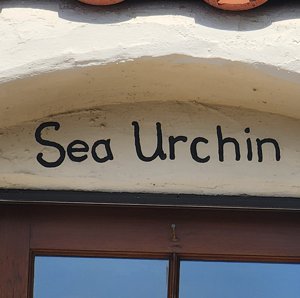
Sea Urchin in Carmel by the SeaCarmel-by-the-Sea has never been a community that wanted to feel ordinary. From its earliest years as an artist colony and village-by-the-sea, Carmel valued individuality, beauty, informality, and a certain resistance to standardization.
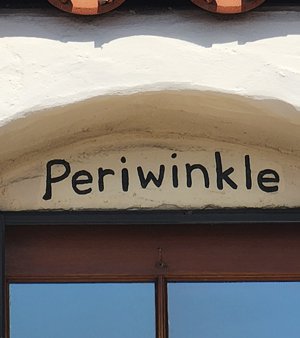
That spirit showed up in the village’s architecture, gardens, streets, businesses, public spaces, and local customs. Carmel became known for cottages with names, streets shaded by trees, hidden courtyards, small shops, galleries, and homes that often seemed more like personal expressions than conventional real estate products.

In that context, the absence of street addresses made sense. It reinforced the idea that Carmel was not trying to be like every other town. It was a village with its own rhythm, its own habits, and its own way of helping people find things.

How People Found Homes Without Street Addresses

For decades, locating a home in Carmel required a different kind of navigation. Instead of relying on a house number, people often Periwinkle in Carmel by the Seaused descriptions based on streets, intersections, direction, and location within a block.
A typical Carmel property description might refer to a home as being on a certain street “between” two cross streets, or on a particular side of the street, or a certain number of houses from a corner. Homes were also commonly known by names, especially older cottages and historic residences. In some cases, house names became part of the identity of the property itself.

This created a charming but sometimes confusing system. Longtime residents and local real estate professionals could usually understand it. Visitors, delivery drivers, emergency responders, contractors, service providers, and map-based technology often had a harder time.

House Names and the Romance of Carmel

One of the most beloved parts of Carmel’s address tradition was the use of house names. Many cottages and historic homes carried names that reflected their architecture, setting, history, owners, or personality.

This practice fit Carmel perfectly. In a town shaped by artists, writers, builders, and independent-minded residents, naming a home added personality. It made a property feel less like a parcel number and more like a small chapter in the village’s story.

That tradition remains important even as Carmel adds street numbers. A numbered address may make a home easier to identify, but it does not erase the character, history, or name of a beloved Carmel cottage.

The P.O. Box Tradition

Carmel’s no-address culture has long been tied to another local tradition: residents picking up mail at the downtown post office. Instead of home mail delivery, Carmel residents have historically used P.O. Boxes.

This has always been more than a practical mail arrangement. For many residents, going to the post office became part of daily village life. It created a casual social rhythm where neighbors might run into each other, exchange news, and maintain a sense of community that is harder to preserve in more conventional towns.

That is why the recent street address decision is sometimes misunderstood. Adding street numbers does not automatically mean home mail delivery. The City of Carmel-by-the-Sea has made clear that the tradition of picking up mail at the downtown USPS Post Office will continue, and that mail will continue to be delivered to P.O. Boxes.

Why Carmel Recently Approved Street Numbers

Carmel-by-the-Sea’s recent decision to implement street addresses reflects a practical reality: modern life has become increasingly dependent on precise location data.

Emergency response, package delivery, insurance, banking, online commerce, mapping applications, building code compliance, property records, and many forms of digital identity now assume that a building has a conventional address. For a community without numbered street addresses, that can create problems.

The issue was not simply convenience. It also involved public safety and compliance with modern address-identification standards. Carmel’s formal ordinance amended the municipal code so buildings and parcels are identified under the address-identification requirements of the California Building Standards Code rather than only by a description of the parcel location relative to the nearest cross-street intersection.

In plain English, Carmel is adapting its identification system to meet the needs of emergency response, technology, and modern administration while still trying to protect the traditions that make the village distinctive.

What Changed in 2025 and 2026?

The street address issue had been discussed in Carmel for years, but the major recent turning point came when the City Council moved forward with implementation.

The City’s street address information page now describes the effort with the phrase “New Numbers. Same Traditions.” That phrase captures the balancing act. Carmel is adding a modern address system, but the City is also emphasizing that residents are not required to shift into conventional home mail delivery or install mailboxes.

The formal ordinance was introduced at a regular City Council meeting on December 2, 2025 and passed on January 13, 2026 by a unanimous 5-0 vote. The ordinance amended Carmel’s municipal code related to address identification and replaced the older approach, which identified buildings and parcels by a description relative to the nearest cross-street intersection.

The City has also created a draft street address map so residents can review the proposed numbering system. As of the City’s published guidance, the draft address number assignments are not yet finalized or implemented and should not be used officially until final approval and implementation are complete.

New Numbers, Same Traditions

The most important point for residents, buyers, sellers, and visitors is that Carmel’s new street numbers do not mean Carmel is abandoning its village identity.

The City has specifically addressed two of the biggest questions: Will there be home mail delivery? Do residents have to put up mailboxes? The answer given by the City is no. Carmel’s downtown P.O. Box tradition is expected to continue.

That distinction matters. For many residents, the concern was not merely about numbers on buildings. It was about whether Carmel would lose one of the customs that made the village feel personal and connected. By maintaining the P.O. Box tradition, Carmel is trying to modernize identification without eliminating one of its most cherished social rituals.

What This Means for Carmel Real Estate

For buyers and sellers, the addition of street numbers should generally be understood as a practical modernization rather than a loss of value or charm.

From a real estate standpoint, numbered addresses can help with property identification, inspections, appraisals, insurance, lending, deliveries, emergency services, and online mapping. These are practical benefits, especially for out-of-area buyers who may not understand Carmel’s traditional directional system.

At the same time, the deeper value of Carmel real estate has never depended only on the absence of street numbers. Carmel’s real value is tied to its architecture, walkability, beach access, limited supply, village character, gardens, history, and emotional appeal.

In other words, a Carmel cottage does not become less Carmel because it receives a number. The storybook architecture, hidden courtyard, stone fireplace, walk-to-town location, beach proximity, and sense of place remain the true drivers of buyer demand.

Will Street Numbers Change Carmel’s Character?

This is the central question. For some longtime residents, the no-address tradition was part of Carmel’s soul. For others, it had become an impractical holdover that made modern life unnecessarily complicated.

The answer is likely somewhere in between. Street numbers will change one visible part of Carmel’s identity. They will make the village easier to navigate, easier for emergency services to identify, and easier to integrate with modern systems. But they do not automatically change the things that make Carmel special.

Carmel’s character is much deeper than address formatting. It lives in the village scale, the lack of standard suburban layout, the architecture, the trees, the courtyards, the beach, the history, the artist colony legacy, the cottages, the P.O. Box tradition, and the community’s continuing desire to protect its charm.

Why the Address Tradition Became So Famous

Carmel’s lack of street addresses became famous because it symbolized a broader philosophy. It was not just about navigation. It was about resisting the ordinary.

For visitors, the idea that a town in modern California could function without house numbers felt whimsical and almost impossible. For residents, it reinforced the feeling that Carmel was a village first and a municipality second.

That kind of tradition is hard to quantify, but it matters. In real estate terms, Carmel’s quirks contribute to its brand. They help create the sense that the village is rare, protected, and unlike the rest of the coast.

The Balance Between Charm and Function

Carmel’s street address debate is really part of a larger question that many historic communities face: how do you preserve character while still functioning in the modern world?

Too much modernization can weaken a historic village’s identity. Too little modernization can create genuine problems for safety, access, services, and daily life. Carmel’s challenge is to make practical updates without losing the charm that made people care so deeply in the first place.

The new street address system is best understood through that lens. It is a functional update to a community that remains deeply committed to its distinctive village character.

What Buyers Should Know

Buyers considering Carmel-by-the-Sea should understand both sides of the address story.

Historically, Carmel homes were identified without traditional street numbers, and that custom became one of the village’s most famous traits. Recently, the City moved toward implementing street numbers for homes and buildings. However, the P.O. Box mail tradition remains in place, and Carmel’s larger village identity remains intact.

For practical purposes, new street numbers may make ownership easier, especially for buyers coming from outside the area. It may help with deliveries, service calls, digital forms, and emergency identification. But buyers should still appreciate the older local culture that made Carmel’s address system so unusual in the first place.

What Sellers Should Know

For sellers, the addition of street numbers should not be treated as a negative. In fact, it may help reduce confusion for buyers, agents, inspectors, contractors, lenders, and service providers.

That said, the marketing of a Carmel home should continue to emphasize what makes the property authentically Carmel. If a home has a name, a story, a garden, a historic cottage feel, a walk-to-town location, or architectural character, those elements should remain front and center.

A street number can help people find the property. The home’s story is what helps them fall in love with it.

Carmel’s Quirks Are Still Part of the Value

Even with street numbers, Carmel remains wonderfully unusual. The village still has its cottage architecture, art galleries, hidden courtyards, beach walks, tree-lined lanes, absence of street lights in many areas, and strong tradition of preserving charm over convenience.

Those quirks are not superficial. They are part of why people are drawn to Carmel in the first place. They make the village feel personal, human-scaled, and emotionally rich.

Explore current Carmel homes for sale to see how Carmel’s village character, architecture, and coastal setting continue to shape one of California’s most distinctive real estate markets.

Carmel by the Sea home named Wilder ButterflyWhy This Chapter Matters in the Carmel History Cluster
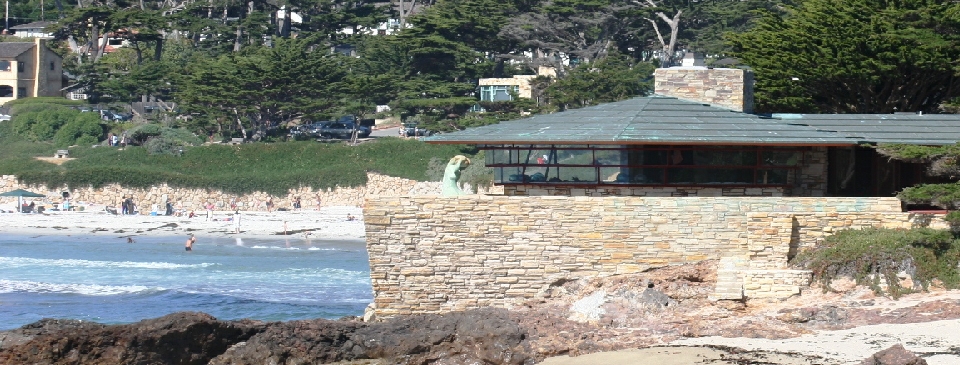
The street address story belongs in this history series because it shows how Carmel’s identity continues to evolve. Carmel is not a museum. It is a living community trying to preserve its character while adapting to modern needs.

The old no-address tradition tells us a great deal about Carmel’s values: individuality, village life, informality, charm, and resistance to standardization. The new street number system tells us something else: even the most tradition-minded communities sometimes need practical updates to remain safe, functional, and accessible.

In the next article in this series, we will explore Carmel Beach and Scenic Road, and how the coastline helped define Carmel’s identity, lifestyle, and real estate appeal.

Thinking About Buying or Selling in Carmel?

If you are considering buying or selling a home in Carmel-by-the-Sea, understanding the village’s traditions can help you better understand why Carmel creates such strong emotional appeal. Carmel’s most desirable properties are often valuable not only because of location, but because they reflect the character, architecture, history, and sense of place that define the village.

The Monterey Peninsula Home Team helps buyers and sellers navigate the Carmel real estate market with local knowledge, neighborhood insight, and a deep appreciation for what makes this community so special.

Explore current Carmel homes for sale, learn more about Carmel Golden Rectangle homes for sale, or browse Carmel oceanfront real estate to see how Carmel’s history, village traditions, and coastal lifestyle continue to shape one of California’s most distinctive housing markets.

Other useful links regarding Carmel-by-the-Sea


May 22, 2026

The Architecture of Carmel-by-the-Sea: Cottages, Storybook Homes & Village Character

Frank Lloyd Wright Home on Carmel Beach

Mrs. Clinton Walker House by Frank Lloyd Wright on Carmel Point

The Architecture of Carmel-by-the-Sea: Cottages, Storybook Homes, and Village Character

Carmel-by-the-Sea is one of the few places in California where architecture feels inseparable from the identity of the town itself. The village is not defined by high-rise hotels, broad commercial boulevards, or standardized subdivisions. It is defined by cottages, courtyards, stone chimneys, irregular rooflines, hidden gardens, winding lanes, mature trees, and homes that often feel as if they grew naturally out of the coastal landscape.

That architectural character is one of the reasons Carmel has become one of the most desirable real estate markets on the California coast. Buyers are not simply shopping for bedrooms, bathrooms, and square footage. They are often searching for charm, authenticity, history, walkability, craftsmanship, and the feeling of living in a village that still has a soul.

This is the sixth article in our Carmel-by-the-Sea history series. The first article explored Carmel Mission and the Spanish colonial roots of Carmel-by-the-Sea. The second article looked at the First People of Carmel and the Indigenous history of the Monterey Peninsula. The third article traced Carmel’s transformation from rancho land to coastal village before incorporation. The fourth article explored Carmel’s artist colony and how writers, painters, and bohemians shaped the village. The fifth article focused on Robinson Jeffers, Tor House, and Carmel’s literary legacy. This article explores how Carmel’s architecture became one of the village’s most powerful and enduring forms of identity.  Explore the complete history of Carmel-by-the-Sea, from Indigenous roots and Carmel Mission to the artist colony, storybook cottages, Carmel Beach, preservation, and luxury real estate.

Why Carmel Architecture Feels Different

Many coastal towns are beautiful, but Carmel-by-the-Sea feels different because its architecture is part of a larger village experience. The homes are not isolated objects. They work together with narrow streets, trees, gardens, stone walls, courtyards, paths, and beach proximity to create a highly distinctive sense of place.

Carmel’s best architecture tends to feel intimate rather than imposing. Even valuable homes often rely on restraint, texture, scale, and charm instead of size alone. This is one reason smaller Carmel cottages can create such strong buyer demand. In Carmel, a home does not need to be large to feel special.

That is one of the defining differences between Carmel real estate and many other luxury markets. In Carmel, character can be as important as square footage. 


First Murphy House, Carmel-by-the-SeaFirst Murphy House, Carmel-by-the-Sea

Michael J. Murphy and Carmel’s Early Building Tradition

Michael J. Murphy was one of the most important builders in early Carmel-by-the-Sea. His work helped establish the village’s early architectural language before Carmel became widely known for fairytale cottages and storybook design.

The First Murphy House, built in 1902, remains one of Carmel’s important early architectural landmarks. It reflects the modest scale and handcrafted quality that would become central to the village’s identity. Murphy’s work was practical, local, and deeply tied to Carmel’s early growth.

Murphy’s influence matters because he helped create the physical framework of the young village. Long before Carmel became a luxury destination, it needed homes, commercial buildings, community spaces, and structures that fit the landscape. Murphy’s work helped give Carmel a built environment that felt personal rather than generic.

 Hansel cottage.Hugh Comstock Hansel Cottage in Carmel-by-the-Sea

Hugh Comstock and Carmel’s Fairytale Cottages

No discussion of Carmel architecture would be complete without Hugh Comstock. Comstock arrived in Carmel in the 1920s and became famous for whimsical, storybook-style cottages that seemed to belong to another world.

His first cottage, commonly associated with the names Hansel and Gretel, was built for his wife and helped launch one of the most recognizable architectural traditions in Carmel. The style featured steeply pitched roofs, irregular lines, rustic materials, hand-shaped details, arched openings, expressive chimneys, and an intentionally imperfect charm.

Comstock’s cottages were not formal mansions. They were imaginative, human-scaled, and deeply romantic. They reflected Carmel’s artistic culture and the village’s comfort with individuality. In many ways, Comstock’s architecture translated Carmel’s bohemian spirit into physical form.

What Makes a Carmel Storybook Home?

Carmel’s storybook homes are beloved because they feel handmade and emotionally engaging. They often include features such as steep roofs, rolled or irregular roof edges, asymmetrical forms, arched doors, small-paned windows, Carmel stone chimneys, textured plaster, heavy wood doors, and lush garden settings.

The effect is not simply architectural novelty. A well-executed storybook cottage creates a sense of intimacy and imagination. It feels like a home with a personality.

That emotional response is one of the reasons storybook architecture remains so valuable in Carmel. Buyers are not just reacting to design details. They are reacting to the way those details make the home feel.

Carmel Stone, Wood, Plaster, and Garden Walls

Materials are central to Carmel’s architectural identity. Stone, wood, plaster, brick, and mature landscaping all contribute to the feeling that homes belong to the landscape.

Carmel stone is especially important. Stone chimneys, walls, fireplaces, steps, and garden features create a sense of permanence and local character. Wood details add warmth. Plaster walls and arched openings soften the architecture. Gardens, hedges, and trees complete the sense of enclosure and privacy.

In Carmel, the relationship between house and garden is often just as important as the house itself. Many homes are designed to reveal themselves slowly through gates, paths, courtyards, and layered plantings. This creates privacy, charm, and a sense of discovery.

Architecture and the Artist Colony Mindset

Carmel’s architecture cannot be separated from its early artist colony. Writers, painters, performers, and independent-minded residents helped create a culture where originality was valued. Homes did not need to follow a rigid pattern. They could be expressive, personal, and connected to the landscape.

This creative freedom helped Carmel avoid the look and feel of a standardized subdivision. Instead of uniformity, the village developed texture. Instead of large formal estates dominating the streetscape, Carmel became known for cottages, studios, small homes, and unique architectural expressions tucked among trees and gardens.

That artistic foundation still affects buyer demand today. Many people come to Carmel because they want something that feels authentic, not something that could be found in any luxury market.

Village Scale and the Power of Small Homes

One of the most important features of Carmel architecture is scale. Carmel’s village core is built around a smaller, more intimate pattern than many modern communities. Lots are often compact, homes are frequently modest in size by luxury-market standards, and the streets are designed for walking rather than speed.

This scale is a major part of Carmel’s charm. Homes feel connected to the village. Residents can often walk to shops, restaurants, galleries, courtyards, and the beach. The built environment encourages a slower, more personal way of experiencing the town.

For buyers, this can be extremely powerful. A small cottage near the village or beach may offer less square footage than a larger home inland, but it can provide a lifestyle that is much harder to duplicate.

The Golden Rectangle and Architectural Demand

The Golden Rectangle is one of Carmel’s most sought-after residential areas because it combines village proximity, beach access, charm, and architectural character. Many buyers looking at Carmel Golden Rectangle homes for sale are specifically drawn to the area because it captures the classic Carmel experience.

In the Golden Rectangle, architecture and location work together. A charming cottage on a quiet lane within walking distance of Carmel Beach and downtown Carmel can create enormous emotional appeal. That appeal often translates into strong buyer demand and premium pricing.

This is where Carmel’s architectural history becomes directly relevant to real estate value. Homes that feel authentically Carmel often command attention because they offer more than shelter. They offer identity.

Carmel Point, Scenic Road, and Coastal Architecture

Carmel Point and the Scenic Road area offer another expression of Carmel architecture. Here, the relationship between homes and coastline becomes especially important. Ocean views, beach access, stonework, low-profile design, and sensitivity to the landscape all shape the character of the area.

This part of Carmel includes some of the most visually powerful residential settings in the village. It is also home to landmarks such as Tor House and Hawk Tower, which demonstrate how architecture can become inseparable from the coastal environment.

For buyers seeking Carmel oceanfront real estate, architecture is often evaluated in relationship to views, privacy, exposure, and how gracefully the home responds to the coastal setting.

Historic Preservation and Carmel’s Design Ethic

Carmel’s architectural appeal has been protected in part by a strong preservation mindset. The village has long resisted the kind of overdevelopment that could have weakened its character. Historic resources, design review, tree preservation, scale, and neighborhood compatibility all matter in Carmel.

This does not mean Carmel is frozen in time. Homes are remodeled, expanded, restored, and reimagined. But the best projects tend to respect the village’s architectural language and avoid overwhelming the qualities that make Carmel special.

For sellers, this creates both opportunity and responsibility. A carefully restored or thoughtfully updated Carmel home can be highly compelling. But improvements that erase character or feel out of scale can miss what buyers are really seeking.

Why Carmel Buyers Pay for Character

In many markets, buyers are trained to think in terms of measurable features: square footage, lot size, bedroom count, garage spaces, and age of construction. Those factors matter in Carmel, but they do not fully explain value.

Carmel buyers often pay for emotional connection. They respond to the way a home feels when they walk through a garden gate, see a stone fireplace, step into a sunny courtyard, hear the ocean nearby, or realize they can walk to dinner and the beach without getting in a car.

That emotional connection is difficult to quantify, but it is central to Carmel’s market. Architecture is one of the main ways that emotional value is created.

Restoration, Remodels, and the Risk of Losing Carmel Character

Because Carmel homes are so valuable, many older properties are remodeled or expanded over time. The best remodels preserve the qualities that made the home special while improving function, comfort, and livability.

That balance is important. Over-modernizing a Carmel cottage can sometimes reduce its emotional appeal if the project removes too much character. Buyers often want updated kitchens, baths, systems, and finishes, but they also want the home to still feel like Carmel.

For owners considering improvements, the goal should usually be thoughtful modernization rather than total erasure. Charm, scale, materials, gardens, and architectural personality are not obstacles to value. In many cases, they are the value.

Architecture as Part of Carmel’s Brand

Carmel’s architecture has become part of the village’s brand. Visitors come to see the cottages. Buyers dream about owning them. Photographers, artists, and travel writers use them to define the village visually.

This is one of the reasons Carmel remains so recognizable. Many communities have expensive homes. Far fewer have a built environment with such a clear and memorable personality.

That personality supports the entire Carmel real estate market. Even homes that are not historic cottages benefit from being located within a village known for architectural charm, preservation, walkability, and beauty.

Why Carmel Architecture Matters in the context of Carmel History

The architecture chapter is essential to the Carmel-by-the-Sea history because it connects the village’s past directly to its present real estate appeal. The Indigenous landscape, mission history, rancho period, artist colony, and literary legacy all helped shape Carmel’s sense of place. Architecture made that sense of place visible.

Carmel’s cottages, storybook homes, stone houses, garden walls, and village-scale streets are not just pretty details. They are physical expressions of the values that shaped the community: creativity, restraint, beauty, individuality, and respect for the landscape.

In the next article in this series, we will explore one of Carmel’s most famous quirks: why Carmel-by-the-Sea has no traditional street addresses and how that unusual custom became part of the village’s identity.

Experience Carmel-by-the-Sea Architecture in Person

Carmel-by-the-Sea fairytale cottages walking tour


Thinking About Buying or Selling in Carmel?

If you are considering buying or selling a home in Carmel-by-the-Sea, understanding the village’s architecture can help you better understand why certain properties create such powerful emotional appeal. Carmel’s most desirable homes are often valuable not only because of location, but because they reflect the character, craftsmanship, and sense of place that define the village.

The Monterey Peninsula Home Team helps buyers and sellers navigate the Carmel real estate market with local knowledge, neighborhood insight, and a deep appreciation for what makes this community so special.

Explore current Carmel homes for sale, learn more about Carmel Golden Rectangle homes for sale, or browse Carmel oceanfront real estate to see how Carmel’s architecture, history, and coastal lifestyle continue to shape one of California’s most distinctive housing markets.